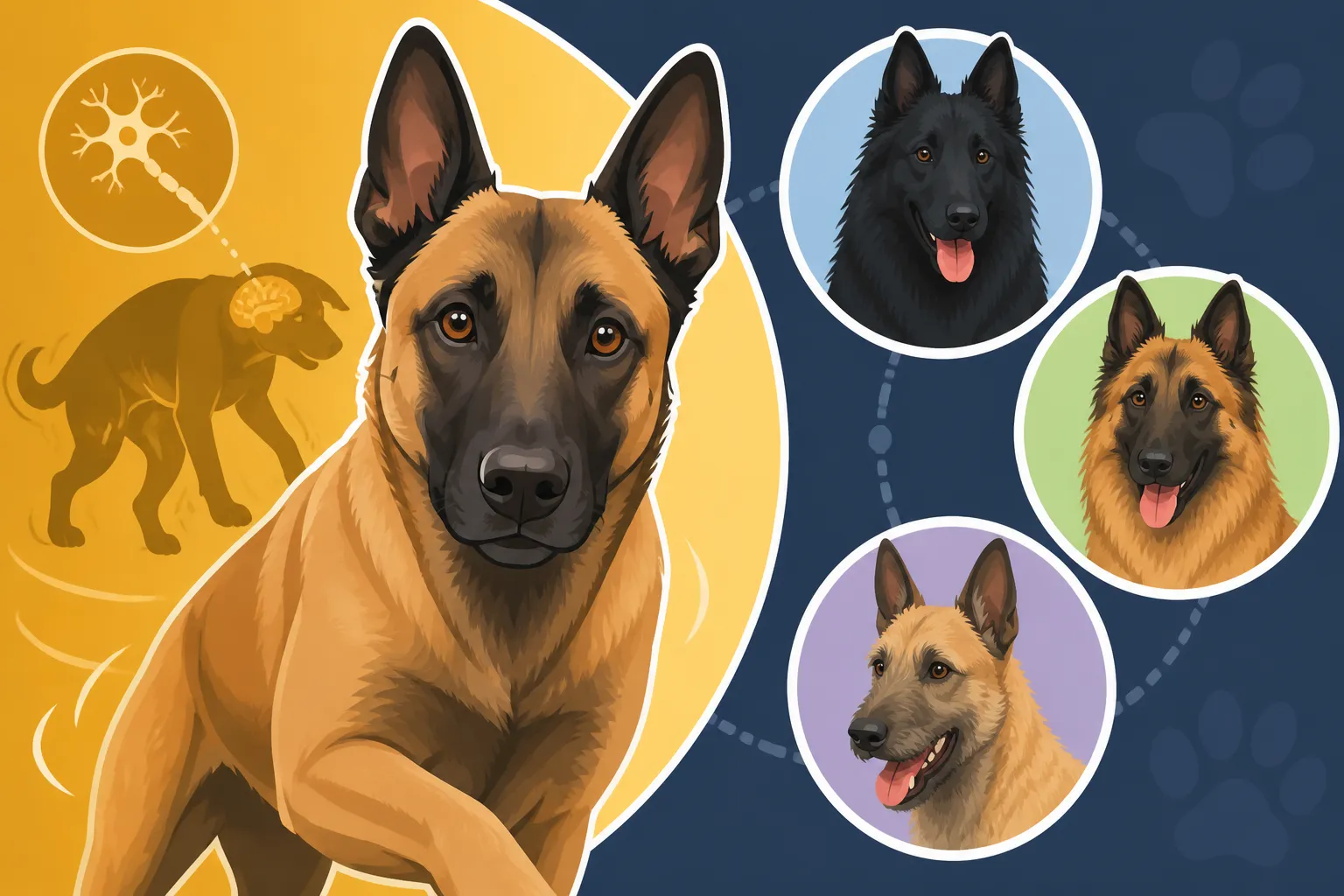
Whether Malinois Ataxia Appears in the Other Varieties
The fear of a genetic health condition like ataxia is a heavy burden for any dog owner, especially when you're deeply invested in the health and future of your Belgian Malinois. It's truly heartbreaking to see a vibrant, athletic dog start showing neurological signs, and the worry about whether these issues extend beyond one specific variety can keep you up at night. This guide aims to clear up some of the confusion surrounding ataxia in Belgian Shepherds, specifically addressing if the genetic forms seen in Malinois can also affect their cousins: the Tervuren, Groenendael, and Laekenois.
Understanding Ataxia in Belgian Malinois
When we talk about ataxia in Belgian Malinois, we're usually referring to a very specific, inherited neurological disorder that primarily affects coordination and balance. It's not just a generic term for "wobbliness"; it points to a breakdown in the communication pathways in the brain, spinal cord, or peripheral nerves that control movement. For dedicated owners and breeders, this isn't just a clinical definition; it's a devastating reality that can impact a dog's quality of life and future.
The Genetic Basis of Malinois Ataxia
The scientific community, through incredible research and dedicated efforts, has pinpointed specific genetic mutations responsible for ataxia in Belgian Malinois. The most commonly discussed forms are known as Spongy Degeneration with Cerebellar Ataxia (SDCA1) and a similar condition, SDCA2. Both are autosomal recessive disorders, meaning a puppy must inherit two copies of the faulty gene (one from each parent) to be affected. If a dog inherits only one copy, it's considered a carrier and will not show symptoms itself, but can pass the gene on to its offspring. This genetic understanding has been a game-changer for responsible breeding, allowing for DNA testing to identify carriers and affected dogs. You can learn more about The Two Ataxia Genes Belgian Malinois Are Tested For to get a deeper insight into these specific markers.
Imagine the relief for breeders when they learned they could test their breeding stock. Before these tests, it was a terrifying guessing game, with healthy-looking parents unknowingly producing affected puppies. These genetic tests have become an indispensable tool in trying to eradicate these specific types of ataxia from future generations of Malinois. For an owner with an affected dog, understanding this genetic root is crucial for understanding prognosis and management.
Signs and Progression of Malinois Ataxia
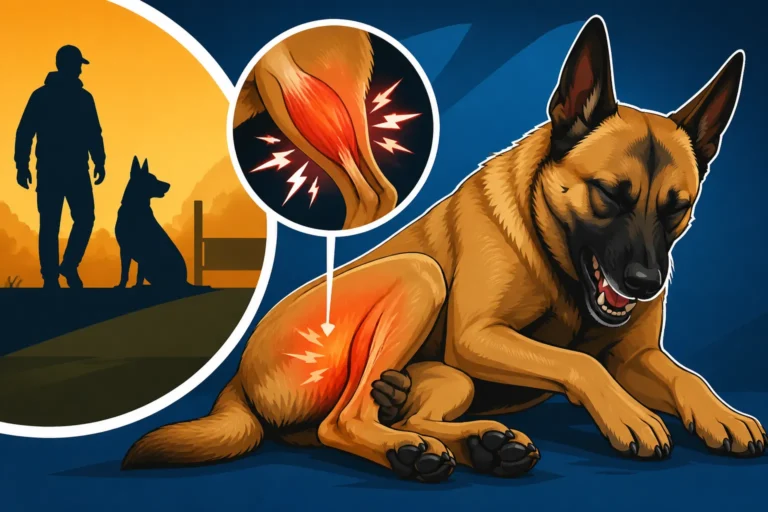
The clinical signs of Malinois ataxia typically emerge during puppyhood or early adolescence. Owners often first notice an uncoordinated gait, a wobbliness in their dog's movements, or difficulty with balance. This might start subtly, perhaps a slight stumble, and then progress to more pronounced issues like wide-based stances, tremors, and an inability to judge distances. A puppy might have trouble navigating stairs or even just walking in a straight line. It's heartbreaking to witness a young, energetic Malinois lose its ability to move with grace and power.
The progression can vary from dog to dog, but generally, the condition is degenerative, meaning it tends to worsen over time. This makes early diagnosis and understanding critical. Owners might notice their dog struggling with tasks that once came easily, affecting everything from play to basic obedience. While the condition primarily impacts motor skills, the dog's mental faculties usually remain sharp, which can make the physical decline even more frustrating for them and their owners. For those dealing with early signs, understanding The First Signs of Ataxia in a Malinois Puppy can provide crucial context.
The Four Belgian Shepherd Varieties
Before diving into whether ataxia affects other Belgian Shepherd varieties, it’s important to understand that the Belgian Malinois is just one of four distinct, yet closely related, Belgian Shepherd breeds. While in some countries like the United States, they are recognized as separate breeds, in their native Belgium and many other parts of the world, they are considered varieties of a single breed: the Belgian Shepherd Dog. This shared heritage is important when discussing genetic predispositions.
Malinois, Groenendael, Tervuren, and Laekenois
Each of these four varieties is distinguished primarily by its coat type and color, though they share a common ancestral working heritage. They all trace back to the same sturdy, intelligent herding dogs developed in Belgium in the late 19th century.
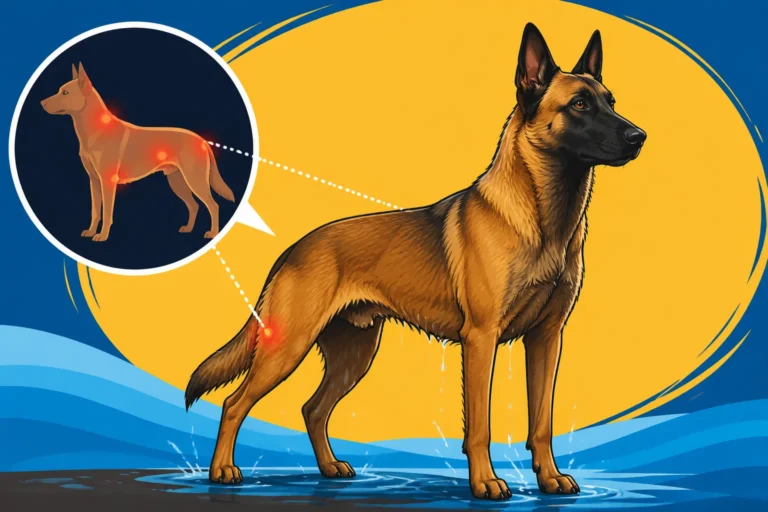
- Belgian Malinois: This is perhaps the most well-known globally, especially for its prowess in police, military, and protection sports. Malinois have a short, fawn-colored coat with a black mask and ears. They are known for their intense drive, intelligence, and athleticism.
- Belgian Groenendael: Also known as the Belgian Shepherd Dog, this variety is characterized by its long, black double coat. They share the Malinois's intelligence and work ethic but often have a slightly more reserved temperament.
- Belgian Tervuren: Often mistaken for a long-haired Malinois, the Tervuren has a long, fawn to mahogany coat with a black overlay and a black mask. Like the Groenendael, they possess the drive and intelligence of the Malinois but come with a more extensive grooming requirement due to their luxurious coat. If you're comparing, you might find The Malinois Against the Tervuren a useful read.
- Belgian Laekenois: This is the rarest of the four varieties, known for its harsh, wiry, fawn-colored coat that gives it a rugged, unkempt appearance. Like its cousins, the Laekenois is an active, intelligent, and protective dog, but its unique coat requires specific grooming.
Despite their different appearances, these dogs are all essentially variations on a theme—the intelligent, alert, and active Belgian Shepherd. This shared genetic background is key to understanding common health concerns.
Ataxia Across the Belgian Shepherd Varieties
Now to the core question: does Malinois ataxia, specifically SDCA1 and SDCA2, appear in the other Belgian Shepherd varieties? The answer is nuanced, but generally, yes, these specific genetic forms of ataxia have been identified in other varieties, though perhaps less frequently or with less widespread awareness.
Shared Genetic Heritage and Disease Incidence
Because the four Belgian Shepherd varieties originated from a common gene pool and were only separated by coat type relatively recently in breed history, they share many genetic traits, including predispositions to certain health conditions. This means that genetic mutations found in one variety can potentially be found in the others. While SDCA1 and SDCA2 were first and most extensively studied in the Belgian Malinois due to a higher incidence or more focused research efforts within that specific variety, genetic testing has confirmed their presence in other Belgian Shepherd types as well.
It's crucial not to assume that just because a condition is "Malinois ataxia," it's exclusive to the Malinois. Genetic conditions don't respect human-drawn breed lines if those lines were created from a shared ancestral population. This is why responsible breeders of Groenendaels, Tervurens, and Laekenois are increasingly advocating for and performing the same DNA tests for SDCA1 and SDCA2 that Malinois breeders use.
Why Awareness Might Differ Between Varieties
The perception that ataxia is predominantly a "Malinois problem" might stem from a few factors. Firstly, the sheer popularity and widespread breeding of the Malinois, particularly in working lines, could lead to a higher observed incidence simply due to larger numbers. Secondly, the intense athletic demands placed on working Malinois might make neurological issues more apparent and impactful at an earlier stage, prompting quicker diagnosis and more public discussion.
However, as genetic testing becomes more accessible and awareness grows, we are seeing more instances of these specific ataxias being identified in Groenendaels, Tervurens, and Laekenois. Breeders of these varieties who are committed to health are proactively testing their dogs, even if the condition hasn't historically been "on their radar" as much as it has been for Malinois breeders. This unified approach to health screening across all varieties is essential for the long-term health of the entire Belgian Shepherd group.
Genetic Testing and Breeding Decisions
For anyone involved with Belgian Shepherds, whether as a pet owner, a working dog enthusiast, or a breeder, understanding the implications of genetic testing for ataxia is paramount. It’s not just about knowing if your dog has it, but how it impacts future generations.
The Role of DNA Testing for All Belgian Shepherds
DNA tests for SDCA1 and SDCA2 are widely available and relatively inexpensive, especially when considering the potential cost and heartbreak of an affected puppy. These tests can definitively identify whether a dog is clear, a carrier, or affected. For breeders of any Belgian Shepherd variety, this information is invaluable. By testing all potential breeding stock, they can make informed decisions to avoid producing affected puppies.
Many breeders now offer puppy buyers the results of their dam and sire's genetic health screenings, including ataxia. When you're Asking a Breeder for Malinois Ataxia Results, it's a good practice, and this extends to all varieties. It's a proactive measure that speaks volumes about a breeder's commitment to the health of their lines. Even if a particular variety hasn't had a high reported incidence of ataxia, testing is a responsible step to ensure it doesn't become a problem in the future.
Responsible Breeding Practices to Mitigate Risk
The goal of responsible breeding is always to produce healthy, well-tempered dogs. When it comes to autosomal recessive conditions like SDCA1 and SDCA2, the breeding strategy is clear:
- Clear x Clear: This pairing will produce only clear puppies, with no risk of affected offspring. This is the ideal.
- Clear x Carrier: This pairing will produce approximately 50% clear and 50% carrier puppies. No affected puppies will be produced. The carrier offspring can still be identified through testing.
- Carrier x Carrier: This is the pairing to avoid. It has a 25% chance of producing affected puppies, 50% chance of carriers, and 25% chance of clear puppies. This is why testing Whether Both Malinois Parents Need DNA Testing is so critical.
- Affected dogs should not be used for breeding.
This genetic understanding empowers breeders to make ethical choices that safeguard the health of their lines and, by extension, the entire Belgian Shepherd population. Many dedicated owners also seek out pet insurance from providers like Healthy Paws, knowing that even with careful breeding, unexpected health issues can arise. These policies can offer peace of mind when considering potential future veterinary expenses.
Impact on Pet Owners and Future Generations
For pet owners, purchasing a puppy from health-tested parents offers a significant level of reassurance. While no test can guarantee a completely disease-free life, it dramatically reduces the risk of inheriting specific known genetic disorders. If you are considering a Belgian Shepherd of any variety, inquiring about the parents' health clearances, including ataxia testing, is a must.
Should you unfortunately find yourself with an affected dog, understanding the genetic background can help you prepare for the challenges ahead. While there's no cure for these genetic ataxias, supportive care can help manage symptoms and maintain quality of life. Veterinary costs for neurological conditions can be substantial, and having a comprehensive pet insurance plan, such as those offered by Healthy Paws, can greatly alleviate the financial burden, allowing owners to focus on their dog's well-being without added stress.
Living With an Ataxic Belgian Shepherd
If you find yourself with a Belgian Shepherd, regardless of variety, that has been diagnosed with ataxia, it's natural to feel overwhelmed. However, a diagnosis isn't the end of the road. There are ways to provide a good quality of life and manage the condition with compassion and care.
Management and Supportive Care
While there's no cure for genetic ataxia, management focuses on supportive care to minimize discomfort and maximize your dog's mobility and independence for as long as possible. This might involve:
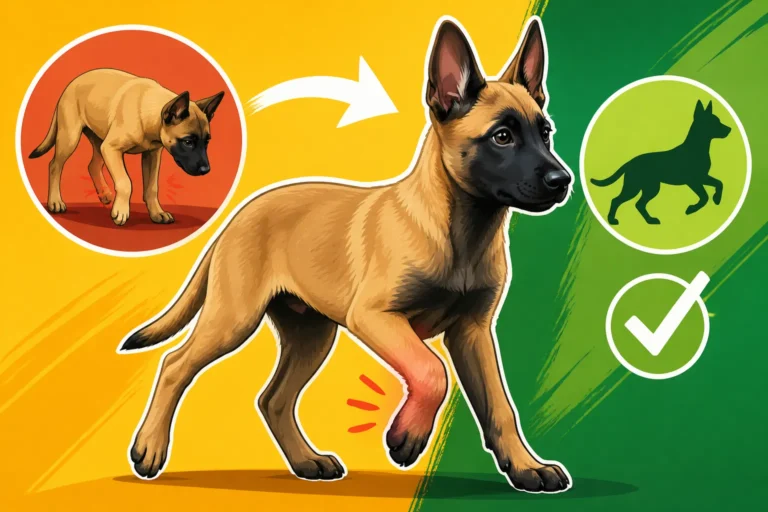
- Physical Therapy: Gentle exercises and hydrotherapy can help maintain muscle mass, improve coordination, and prevent secondary issues.
- Mobility Aids: Ramps, orthopedic beds, and even specialized harnesses can help your dog navigate their environment more safely and comfortably.
- Safe Environment: Modifying your home to prevent falls and injuries is crucial. Think about non-slip mats, clear pathways, and avoiding stairs where possible.
- Veterinary Oversight: Regular check-ups with your veterinarian or a veterinary neurologist are important to monitor progression and address any new symptoms. They can offer advice on pain management if needed and discuss potential new therapies.
The goal is to enhance your dog's daily life, allowing them to enjoy their remaining time with as much comfort and dignity as possible. Dealing with the progressive nature of the disease is tough, but focusing on what you can do to help makes a difference.
Emotional and Financial Considerations
Caring for a dog with a chronic, progressive condition like ataxia takes a significant emotional toll. It's okay to feel sad, frustrated, or even angry. Seeking support from other owners of special needs dogs or support groups can provide invaluable emotional validation and practical advice. Remember, you're not alone in this journey.
Financially, the costs associated with chronic illness can add up quickly. From specialized diets and supplements to physical therapy sessions, vet visits, and medications, it can become a considerable burden. This is where forward-thinking owners find peace of mind with pet insurance. Many insurance providers, including Healthy Paws, offer coverage for chronic conditions, provided the condition isn't pre-existing, which can be a lifeline for families facing these unexpected costs. Planning ahead by having a robust pet insurance policy in place, ideally before any health issues arise, is a smart move for any Belgian Shepherd owner.
Conclusion: A United Front for Belgian Shepherd Health
The question of whether Malinois ataxia appears in other varieties of Belgian Shepherds truly highlights the interconnectedness of these beautiful dogs. The evidence shows that, yes, the specific genetic ataxias (SDCA1 and SDCA2) identified in the Malinois can and do occur in the Groenendael, Tervuren, and Laekenois. This underscores the importance of a unified approach to genetic health screening across all four varieties.
For breeders, this means embracing comprehensive DNA testing for all breeding stock, regardless of coat type, to make informed decisions and prevent the propagation of these debilitating conditions. For prospective owners, it means doing your due diligence, asking questions about health clearances, and choosing responsible breeders who prioritize the long-term health of their dogs. By working together, we can ensure that these magnificent Belgian Shepherds—in all their glorious varieties—can continue to thrive as healthy, happy, and functional companions for generations to come.
Disclaimer
This article is intended for informational purposes only and does not constitute veterinary advice. Always consult with a qualified veterinarian for any health concerns or before making any decisions about your dog's medical care or breeding plans. Genetic testing results and interpretation should be discussed with a professional.