Tail Injuries on a Belgian Malinois
It’s a frustratingly common sight for many Belgian Malinois owners: your highly driven, always-on dog, with their powerful tail wagging at warp speed, suddenly comes up with a nasty cut or bruise. These incredible dogs, known for their intensity and enthusiasm, often injure their tails simply by being themselves – expressing joy, navigating tight spaces, or slamming into objects during their high-octane activities. This guide is here to walk you through understanding, recognizing, treating, and most importantly, preventing those painful tail injuries that can sideline your active Mal.
Understanding Common Tail Injuries in Belgian Malinois
Belgian Malinois tails are not just pretty appendages; they're strong, expressive tools. They convey emotion, act as a counterbalance during agile movements, and can become serious liabilities if not properly cared for or if exposed to common hazards. Because of their high drive and constant motion, Malinois are particularly susceptible to certain types of tail injuries.
The Dynamics of "Happy Tail" Syndrome
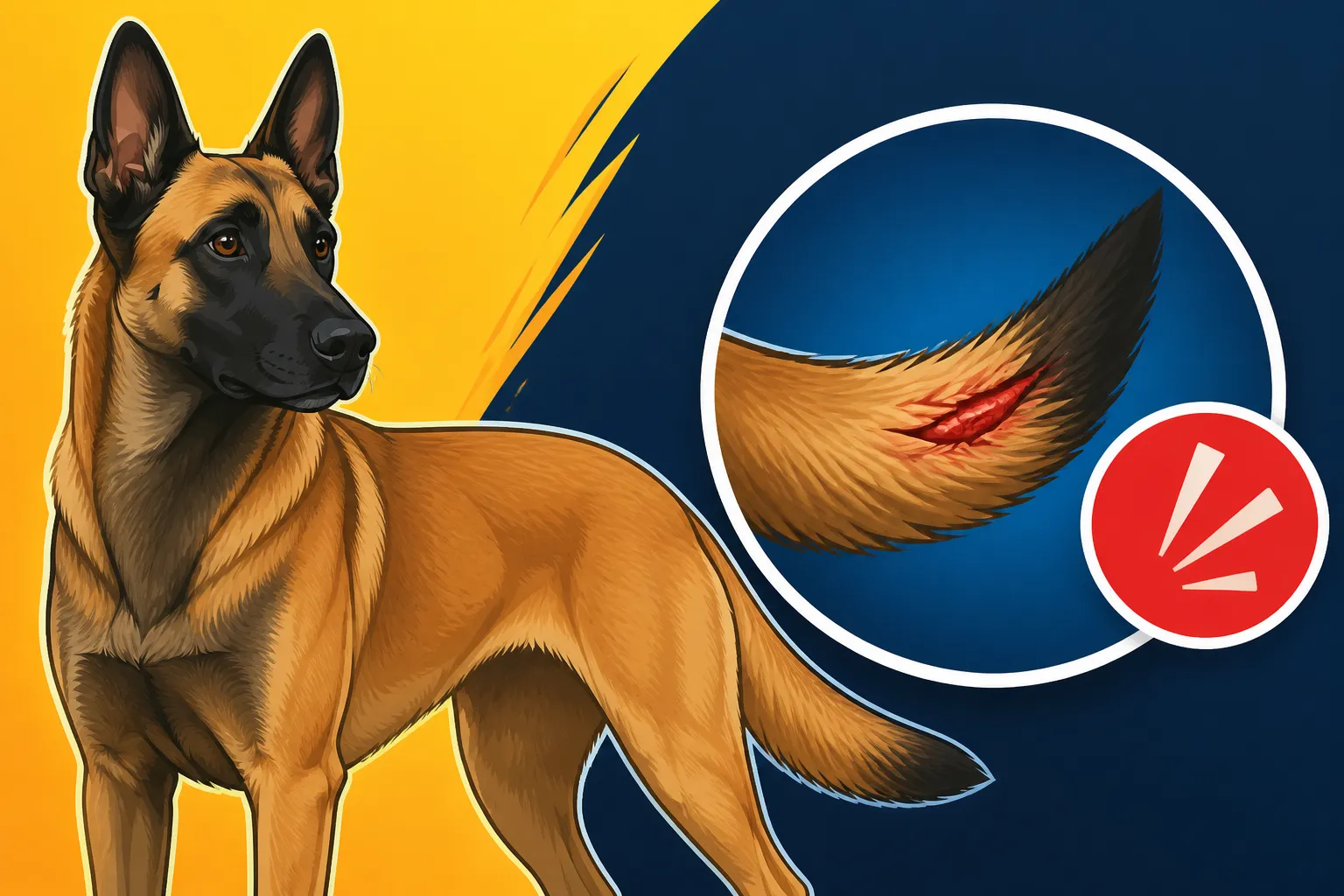
"Happy Tail" syndrome isn't just a cutesy name; it's a painful reality for many energetic breeds, and the Belgian Malinois is certainly on that list. This condition occurs when a dog's tail, usually wagging with immense force and frequency, repeatedly strikes hard surfaces like crate bars, walls, furniture, or even doorframes. The thin skin covering the tail, especially towards the tip, is easily broken, leading to open wounds.
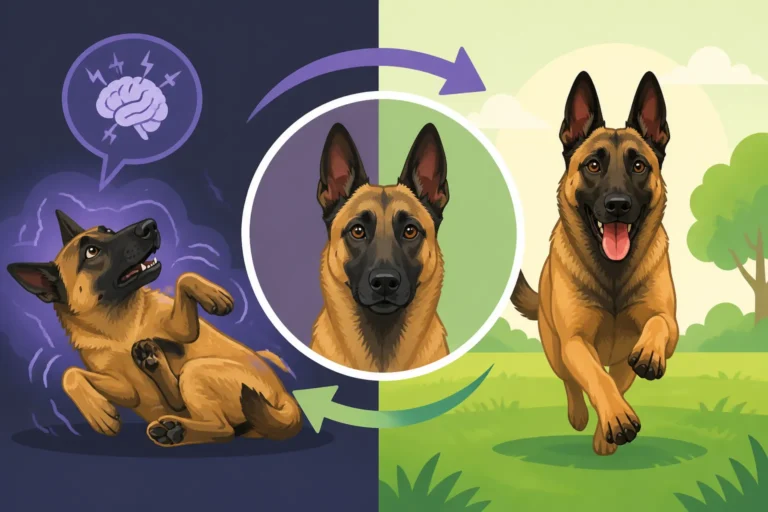
Imagine your Malinois, ecstatic to see you after a short absence, turning in tight circles in their crate, their tail hammering against the metal bars with every enthusiastic wag. Or picture them working a decoy, their tail a blur of motion as they focus, only to inadvertently whack it against a hidden obstacle. These repeated impacts prevent the skin from healing, and the wound often re-opens and worsens with continued happy wagging. The cyclical nature of the injury—wagging causes injury, injury hurts, dog wags more out of stress or excitement—makes it incredibly difficult to heal without intervention. The tail tip is especially vulnerable because it has less muscle and fat padding, making bone and nerve endings more exposed and prone to damage.
Lacerations, Abrasions, and Bruises
Beyond "happy tail," Malinois can suffer from a variety of other external tail injuries. Lacerations are deep cuts that can result from sharp objects. Think about your dog pushing through dense brush during tracking or detection work, or catching their tail on a piece of protruding metal in an unfamiliar environment. Abrasions are scrapes, often less severe but still painful, from dragging their tail over rough surfaces or rubbing against something sharp. Bruises, on the other hand, are internal bleeding under the skin, usually caused by blunt force trauma, like getting a door slammed on their tail or being stepped on.
These injuries can range from minor surface wounds to deep cuts requiring stitches. What makes them particularly challenging with a Malinois is their intense focus and often high pain tolerance. They might initially ignore a minor injury, continuing their activity, which can inadvertently worsen the damage or contaminate the wound, leading to infection. It’s crucial for owners to routinely check their Malinois for any signs of injury, especially after high-intensity training sessions or outings in unfamiliar terrain. Consider that a dog with a minor cut might still be incredibly driven, making it difficult to spot discomfort until the injury is significant.
Fractures, Dislocations, and Avulsions
These are the more severe end of the tail injury spectrum. A tail fracture means a break in one or more of the caudal vertebrae that make up the tail. This can happen from a hard fall, getting the tail caught in a closing door, or even another dog stepping on it forcefully. Dislocations occur when the vertebrae separate from each other, similar to a fracture but without the bone breaking. Both fractures and dislocations can lead to a visibly crooked or limp tail, severe pain, and sometimes nerve damage.
An avulsion is perhaps the most serious type of tail injury, often referred to as a "degloving" injury. This happens when the skin and soft tissues are torn away from the underlying bone, sometimes even involving the bone being pulled away from the body entirely. This is commonly seen when a tail gets caught in something like a car door, a piece of machinery, or even a heavy gate, and the dog pulls away forcefully. These injuries are incredibly painful, bleed profusely, and carry a high risk of infection and long-term nerve damage. They almost always require immediate veterinary attention and often result in partial or full tail amputation. The sheer power and intensity of a Malinois, combined with their tendency to pull or react with force, can contribute to the severity of these traumatic avulsion injuries.
Recognizing and Diagnosing a Malinois Tail Injury
Spotting a tail injury in a high-drive Belgian Malinois isn't always straightforward. Their stoic nature and immense focus on their "job" can mask pain, making it imperative for owners to be observant and proactive. Early detection is key to a faster, less complicated recovery.
Signs and Symptoms to Watch For
The most obvious sign of a tail injury is, of course, a visible wound. This could be anything from a raw, red tip to a deep laceration or even bone exposure. However, sometimes the injury is internal or less apparent. Here's what else to look for:
- Limp or Droopy Tail: If your normally high-flying Malinois's tail is suddenly low, tucked, or unable to wag, it's a major red flag. This can indicate pain, fracture, dislocation, or nerve damage. Unlike some breeds where a "limber tail" (cold tail or swimmer's tail) is common after strenuous exercise, a persistent limp tail in a Malinois is usually a sign of something more serious.
- Swelling or Bruising: Feel along the tail gently. Any localized swelling, warmth, or bruising could point to an underlying fracture or severe soft tissue damage. Be mindful of their reaction to touch; a sudden yelp or attempt to snap indicates intense pain.
- Licking, Chewing, or Self-Mutilation: Dogs instinctively try to clean or soothe painful areas. Excessive licking, chewing, or even aggressive self-mutilation of the tail is a clear sign of discomfort. This behavior can quickly exacerbate an injury, turning a minor wound into a larger, infected one. It's especially common with "happy tail" syndrome, as the dog tries to relieve the persistent irritation.
- Behavioral Changes: Is your usually gregarious Malinois suddenly withdrawn, irritable, or less interested in their usual activities? Pain can manifest as changes in temperament. They might resist being petted or approached, particularly near their hindquarters or tail. An increase in anxiety or restlessness, or even a reluctance to sit or lie down comfortably, can also indicate tail pain.
- Difficulty with Bowel Movements or Urination: In severe cases, particularly with fractures high up on the tail or nerve damage, a Malinois might have trouble defecating or urinating. This is a critical symptom that warrants immediate veterinary attention as it can indicate spinal cord involvement or severe nerve impingement. This can sometimes be mistaken for The Spinal Disease That Ends a Malinois's Mobility, which is why a thorough veterinary exam is so vital.
When to See the Vet and Diagnostic Steps
Any time you suspect a tail injury, especially if there's an open wound, excessive pain, or a limp tail that doesn't resolve within a few hours, it's time to see your veterinarian. Don't wait, hoping it will heal on its own. Malinois are tough, but their high pain tolerance can often fool owners into thinking an injury is less severe than it is.
When you arrive at the vet, they will perform a thorough physical examination, carefully palpating the tail from base to tip, looking for signs of pain, swelling, instability, or nerve deficits. Don't be surprised if your vet wants to see your Malinois walk and move, as this can reveal subtle lameness or issues with tail carriage.
The most common diagnostic tool for tail injuries is X-rays. These images will help the vet determine if there are any fractures or dislocations of the caudal vertebrae. They might take multiple views to get a comprehensive picture. If nerve damage is suspected, or if the injury is particularly complex, further imaging like an MRI might be considered, though this is less common for straightforward tail injuries. For open wounds, the vet will assess the depth, degree of contamination, and rule out infection. They may even take a swab for culture if an infection is already apparent.
Navigating these unexpected veterinary costs can be a huge stressor, which is why many Malinois owners look into pet insurance plans from providers like Healthy Paws to help manage these expenses. Knowing The Vet Bills a Bite Sport Belgian Malinois Runs Up for any injury can be daunting, so preparation is key.
Treatment and Recovery for Malinois Tail Injuries
Once a tail injury is identified, prompt and appropriate treatment is essential. The recovery process can be challenging, especially with a high-energy Belgian Malinois who isn't keen on being slowed down.
First Aid and Immediate Steps at Home
If you notice a minor cut or abrasion on your Malinois's tail at home, there are a few immediate steps you can take before heading to the vet, or if the injury appears very superficial.
- Clean the Wound: Gently clean the wound with a mild antiseptic solution, like chlorhexidine or povidone-iodine diluted with water. Avoid harsh rubbing alcohol or hydrogen peroxide, which can damage tissue.
- Stop Bleeding: Apply gentle, direct pressure to the wound with a clean cloth or gauze. Most minor cuts will stop bleeding within a few minutes.
- Prevent Further Injury: The biggest challenge with tail injuries, especially "happy tail," is preventing the dog from continuing to whack or chew the injured area. If possible, apply a light, breathable bandage to protect the wound, but ensure it's not too tight to cut off circulation. This can be tricky with a high-drive Malinois who might immediately try to remove it. You'll likely need an Elizabethan collar (e-collar or "cone of shame") to prevent licking and chewing. Remember, even minor Muscle Strains in a Belgian Malinois can be exacerbated by overexertion, and a tail injury is no different.
- Containment: Restrict your Malinois's movement to prevent them from hitting their tail again. This might mean crating them in a larger crate to give them space but prevent excessive movement, or keeping them in a small, padded room.
For any fracture, severe laceration, deep puncture, or if your Malinois is in obvious distress, skip the home care and head straight to the vet.
Veterinary Treatment Options
The treatment approach will vary widely depending on the type and severity of the tail injury.
- Wound Care and Bandaging: For open wounds, the vet will thoroughly clean and debride the area, removing any dead or infected tissue. Antibiotics will likely be prescribed to prevent or treat infection. The tail will often be bandaged, sometimes with specialized wraps that allow for air circulation while protecting the wound. Frequent bandage changes, often every day or two, will be necessary, and you'll likely be shown how to do this at home. This often requires considerable patience, as many Malinois find tail bandaging uncomfortable.
- Pain Management: Pain medication, such as NSAIDs (non-steroidal anti-inflammatory drugs), will be prescribed to keep your Malinois comfortable during healing. This is crucial not only for their well-being but also to prevent them from obsessively licking or chewing their tail due to pain.
- Surgical Repair: For more complex lacerations or certain fractures, surgical repair might be necessary. This involves stitching deep wounds, realigning fractured bones, or, in severe cases, performing a partial or full tail amputation. Amputation is often the best course of action for severe "happy tail" syndrome that won't heal, or for avulsion injuries where the tissue damage is too extensive for repair. This ensures the dog is no longer in chronic pain and can live a normal, active life without the constant threat of re-injury. If surgery is required, discussions about Anesthesia Protocols for a Lean Belgian Malinois are critical, as their metabolism differs from other breeds. You should also be prepared for a conversation about Why Anesthesia Needs Discussing Before a Malinois Goes Under to ensure all risks are understood.
- Nerve Damage: If nerve damage is suspected, the vet might monitor for recovery over several weeks. Some nerve damage can heal, while severe damage might be permanent, leading to a lifelong limp tail or loss of sensation.
Having a robust pet insurance policy, perhaps with a provider like Healthy Paws, can certainly ease the financial burden if major surgery, like an amputation, becomes necessary.
Managing Recovery and Preventing Re-Injury
The recovery period can be the most challenging phase, particularly for a breed like the Belgian Malinois who thrives on activity.
- Strict Rest: Your Malinois will need strict rest, which is probably the hardest pill to swallow for an owner of such an energetic dog. This means no running, jumping, or intense play. Leash walks for potty breaks only, and perhaps enforced crate rest, will be necessary. This is where Building an Off Switch Into a Belgian Malinois earlier in their life really pays off, making periods of calm easier to enforce.
- E-Collar or Medical Pet Shirt: To prevent your Malinois from chewing or licking their wound or bandages, an e-collar (cone) is almost always required. Some dogs tolerate soft cones or medical pet shirts better. Be prepared for your Malinois to be annoyed by it, but it’s non-negotiable for proper healing.
- Environmental Control: Ensure their recovery space is free of obstacles that their tail could hit. Pad crate walls if necessary, and remove any sharp furniture corners. If they're usually housed in an outdoor run, ensure the fencing is smooth and safe, referencing guides like Crates, Kennels and Heat Alarms for a Belgian Malinois for optimal safety considerations.
- Mental Stimulation: Since physical exercise will be severely limited, you'll need to provide plenty of mental stimulation. Puzzle toys, KONGs stuffed with frozen treats, slow feeders, and short, calm training sessions focused on obedience cues can help keep their active minds engaged without exacerbating the injury. This can alleviate the frustration that might lead them to act out, potentially causing them to
What a Belgian Malinois Destroys in One Unsupervised Hourif bored. - Follow-Up Vet Visits: Consistent follow-up appointments are crucial to monitor healing, change bandages, and adjust medication. Your vet will guide you on when and how to gradually reintroduce activity. For recurring care, such as managing chronic issues or repeated minor injuries, a good insurance plan from Healthy Paws can be invaluable.
Preventing Tail Injuries in Your High-Drive Malinois
Prevention truly is the best medicine when it comes to tail injuries in a Belgian Malinois. Given their predisposition to these types of wounds, proactive measures are paramount for their safety and your peace of mind.
Environmental Modifications for Safety
Your home and training environments need to be "Malinois-proofed" to minimize tail hazards.
- Pad Sharp Edges: Look around your home with a critical eye. Any sharp corners on furniture, low-hanging shelves, or hard surfaces at tail-height can become a risk. Consider padding these areas, especially in places where your Malinois frequently wags their tail with enthusiasm, like near entryways or their resting spots. Even a simple pool noodle split lengthwise can cover a sharp edge.
- Secure Crates and Kennels: If your Malinois is crated, especially when you're not home, ensure the crate is spacious enough for them to stand, turn around, and lie down comfortably without their tail constantly hitting the sides. For metal crates, consider soft crate liners or bumpers to cushion the impact of a happy wag. For outdoor kennels, ensure the construction is smooth, free of sharp edges or protruding bolts, and that the dog cannot get their tail caught in gaps or latches.
- Clear Walkways: Keep paths clear in high-traffic areas where your Malinois might quickly move or wag their tail. Avoid leaving objects on the floor that could snag or cut their tail.
- Yard and Training Area Inspections: Before letting your Malinois loose in the yard or a training area, do a quick sweep for any potential hazards. This includes broken branches, sharp rocks, loose fencing wires, or discarded objects that could cause a tail laceration or puncture.
Training and Management for Controlled Behavior
While you can’t completely dampen a Malinois’s joyful wag, you can teach them to be more mindful of their body in tight spaces and to offer calm behaviors when appropriate.
- "Easy" or "Quiet" Cues: Train a cue like "easy" or "quiet" that tells your Malinois to calm their wags or movements, particularly when in confined spaces or around delicate objects. Reward calm behavior frequently. This builds on the foundation of Building an Off Switch Into a Belgian Malinois, creating more control over their intense energy.
- Space Awareness: Practice exercises that teach your Malinois body awareness and how to navigate around obstacles without bumping into them. This can involve walking around furniture, backing up, or settling in designated "safe" spots.
- Controlled Greetings: While it’s wonderful to be greeted with enthusiasm, overly frantic greetings can put their tail at risk. Teach a more controlled greeting, where they might offer a "sit" or "down" for affection, reducing the wild, tail-thrashing excitement. Understanding How Many Hours a Belgian Malinois Should Work Daily can also help you manage their energy levels effectively, reducing pent-up excitement that can lead to uncontrolled behaviors.
- Consistent Supervision: A Belgian Malinois needs consistent supervision, especially indoors. Their curious nature and high activity mean they can find trouble surprisingly quickly. The more you're aware of their movements, the better you can intervene before an injury occurs. This breed rarely Whether a Belgian Malinois Ever Truly Relaxes, so vigilance is always needed.
Protective Measures and Awareness
Sometimes, despite your best efforts, certain situations call for an extra layer of protection.
- Tail Wraps/Protectors: For Malinois prone to "happy tail" syndrome, especially during periods of high excitement or when healing from a minor injury, a soft tail wrap or protector can be invaluable. These are usually made of neoprene or similar protective material and are designed to cushion impacts without restricting movement or causing discomfort. Ensure they are fitted properly to avoid chafing or cutting off circulation.
- Crate Padding: As mentioned earlier, adding soft padding to the inside of crates can significantly reduce the risk of "happy tail" injuries. This could be thick blankets, vet bedding, or purpose-made crate bumpers.
- Early Intervention: As soon as you notice any redness, scabbing, or excessive licking of the tail, intervene immediately. Clean the area, apply a protective wrap if appropriate, and consider a vet visit. Don’t wait for it to become a full-blown "happy tail" crisis or a deeper wound.
- Pet Insurance Consideration: Given the unpredictable nature of accidents and the costs associated with veterinary care, considering pet insurance early can provide peace of mind. Plans from providers like Healthy Paws can help cover the expenses of unexpected injuries, from a simple stitched laceration to more involved surgeries like an amputation. Remember to explore options like Healthy Paws early in your dog's life, as pre-existing conditions are typically not covered, but a plan can certainly help with unforeseen incidents.
By combining a safe environment, consistent training, and a keen eye for potential problems, you can help protect your incredible Belgian Malinois from the pain and frustration of tail injuries, allowing them to continue to live their lives with their signature drive and enthusiasm.
Disclaimer
Please remember that the information provided in this guide is for educational purposes only and should not be considered a substitute for professional veterinary advice. Always consult with a qualified veterinarian for any health concerns or before making any decisions related to your Belgian Malinois's care and treatment.