Jump Walls for a Malinois in a Home Yard
For any Belgian Malinois owner, the reality often hits hard: a standard six-foot privacy fence, which seems perfectly adequate for most breeds, is merely a suggestion for these athletic marvels. You see them eye it, calculate the angle, and then, with an almost effortless spring, they're over it, leaving you scratching your head, wondering how your escape artist did it again. This guide is here to tackle that very frustration, delving into why traditional barriers fall short and how you can effectively design and implement jump walls in your home yard to provide the challenging, engaging environment your Malinois truly needs, keeping them safe, stimulated, and contained.
Understanding the Malinois's Jumping Prowess
It's not just about energy, although they have an endless supply of it. A Belgian Malinois possesses a unique combination of physical agility, mental acuity, and an insatiable drive that makes them exceptional jumpers. They are literally built for explosive movement, whether that's clearing obstacles in a sport like Belgian Ring or scaling fences with surprising ease. If you're a Malinois owner, you know that "just a walk" barely touches the surface of their exercise needs.
Why a Standard Fence Isn't Enough
Let's be honest, we've all seen dogs clear fences, but a Malinois operates on a different level. Their powerful hindquarters, light build, and incredible coordination mean that a typical six-foot wooden fence is often no match. It's not a matter of whether they can clear it, but whether they will. For a Malinois, boredom or a perceived reward on the other side – a squirrel, a passing jogger, or even just the unknown – can be enough motivation.
They don't just jump; they often scramble, using their front paws for purchase, making a smooth, sheer surface less effective than you might think. Many owners come to realize that Why a Fenced Yard Does Nothing for a Malinois if it isn't specifically designed to contain a dog with this breed's capabilities. It's less about containment and more about offering an engaging challenge within a secure space. A standard fence simply doesn't provide the mental or physical work that a Malinois craves, leaving them to create their own "job," which often involves an unauthorized excursion.
The Psychology Behind the Jump
A Malinois's jumping isn't just a physical feat; it's often a mental one. These dogs are intelligent problem-solvers. If they perceive a way out, and there's a strong enough drive, they will figure it out. Their prey drive is legendary, making any moving object outside the yard an irresistible magnet. When they clear a fence, it's not always an act of defiance, but often an expression of their innate drive and desire to work, to chase, to engage.
This is why simply making a fence taller often isn't the full answer. You need to consider the mental aspect – providing enough engaging activity within the secure space that the outside world loses some of its allure. Building engagement with your Malinois is crucial. Jump walls, when integrated into a structured training routine, can redirect that powerful energy and focus it on acceptable, beneficial activities, rather than fence hopping.
Safety First: Preventing Injury During Jumps
While Malinois are incredibly athletic, they are not immune to injury. Jumping, especially repeated or incorrect jumping, can take a toll on their joints, muscles, and soft tissues. You never want to encourage a jump that could lead to a hard landing, a twisted limb, or worse. This is particularly important if you're working with a young Malinois. Whether Jumping Damages a Young Malinois's Joints is a real concern, and proper technique and careful progression are paramount.
Beyond the actual jump, you need to consider the environment around the walls. Are there any sharp objects nearby? Is the landing zone clear and appropriately soft? Remember that vet bills for serious injuries can quickly add up, so prioritizing safety is an investment in your dog's long-term health and your peace of mind. Regular check-ups are essential, and a good pet insurance plan from providers like Healthy Paws can certainly help mitigate unexpected costs for accidents or injuries.
Designing and Building Your Malinois Jump Walls
Creating effective jump walls for your Malinois isn't just about putting up a tall barrier. It requires thoughtful design, careful material selection, and a strong emphasis on safety and durability. This isn't a weekend DIY project with spare lumber; it's an investment in a secure and stimulating environment for your high-drive dog.
Key Considerations for Construction
When planning your jump walls, you're essentially creating a custom training facility.
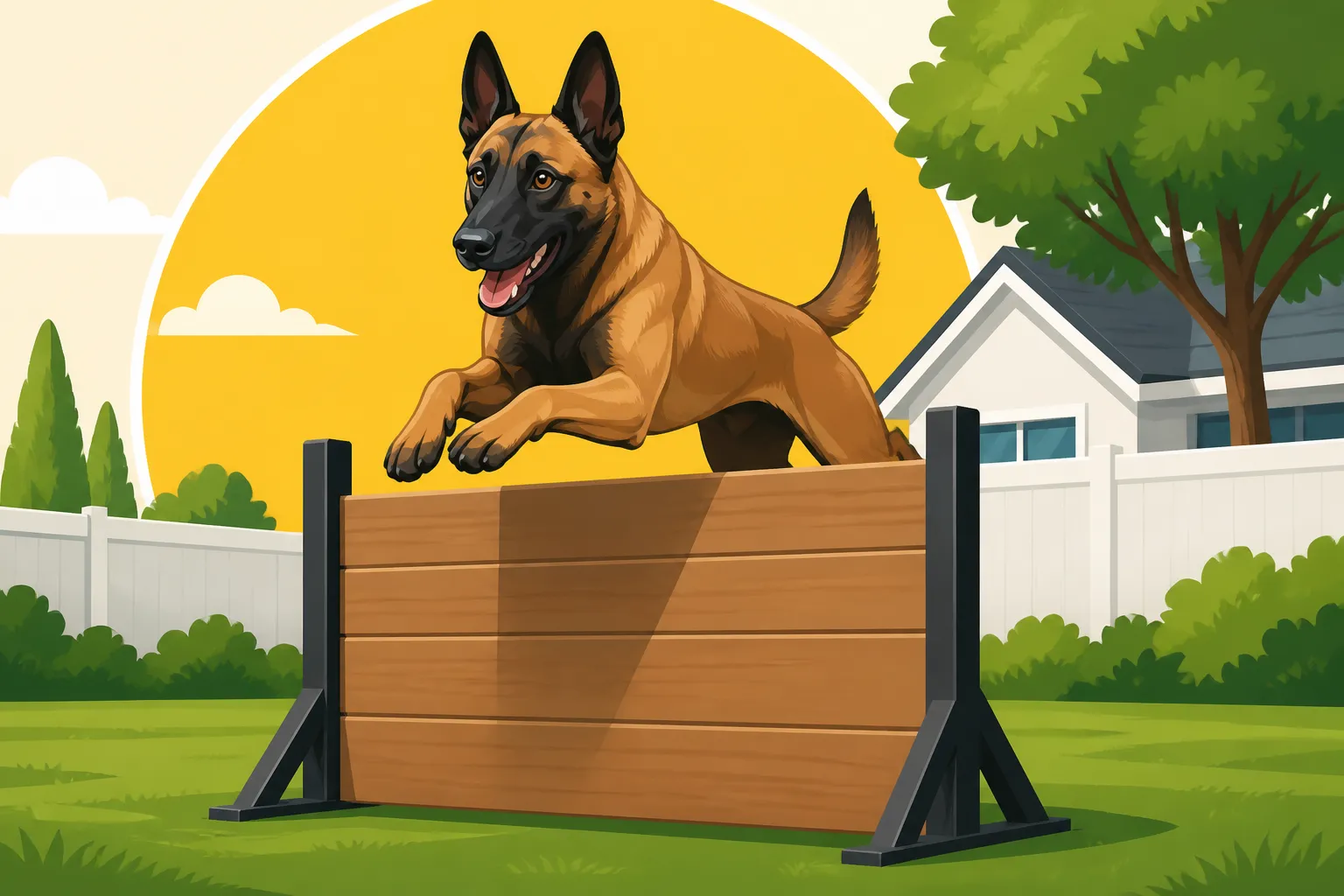
- Height and Extendibility: Most Malinois can clear six feet without much effort. For true containment and challenge, you're likely looking at eight feet or more. Consider walls that are extendable or have an inward-slanting top section to prevent scrambling over. Some people even incorporate roller bars along the top edge to prevent purchase. The specific height will depend on your individual dog's ability and drive, but always err on the side of caution.
- Material Strength and Durability: Forget flimsy chicken wire or thin wood panels. Your walls need to withstand impact, weather, and a determined Malinois. Chain link, heavy-gauge welded wire, or solid wood panels (like treated lumber or marine-grade plywood) are common choices. Whatever material you choose, ensure it's smooth and free of sharp edges that could cause scrapes or cuts.
- Stability and Foundation: These aren't temporary structures. Jump walls need to be securely anchored in the ground, often with concrete footings for posts. They must withstand the force of a dog hitting them, leaning on them, or trying to dig under them. If they wobble, they're a hazard.
- Landing Zone: This is crucial. A hard concrete or asphalt landing zone is an injury waiting to happen. Aim for a soft, forgiving surface like deep sand, rubber mats, or well-maintained natural turf. Ensure the area around the walls is free of debris, rocks, or anything that could cause a trip or puncture wound.
- Configuration: You might want a single wall for straight jumps, or a corner configuration for angled approaches. For true sport work, you might consider adjustable jump standards where the bar can be raised or lowered.
DIY vs. Professional Installation
The decision to build yourself or hire a professional depends on your skills, tools, and budget.
- DIY (Do-It-Yourself): If you're handy, have the right tools (post-hole digger, saw, level, safety gear), and understand structural integrity, you can build these yourself. Sourcing materials from local hardware stores or lumber yards, or online retailers like Chewy (for some accessories and safety items), can be a cost-effective route. The main advantage is controlling costs and customizing every detail. The disadvantages include the time commitment, the potential for error if you're not experienced, and the sheer physical labor involved. You also bear the full responsibility for structural safety.
- Professional Installation: Hiring a specialized fence company or a contractor experienced in dog-specific enclosures might be more expensive upfront, but it offers peace of mind. They can advise on local regulations, ensure proper materials and techniques are used, and provide a warranty on their work. Their experience often means a more robust and safer final product. This option is highly recommended if you have any doubts about your own construction capabilities, especially given the high-drive nature of a Malinois.
Essential Materials for Durability and Safety
Choosing the right materials is paramount for longevity and, most importantly, safety.
| Component | Recommended Materials | Why It's Important |
|---|---|---|
| Posts | Heavy-gauge galvanized steel, pressure-treated wood | Resists rot, rust, and provides core stability for the wall. |
| Fencing/Wall | Heavy-gauge chain link (9-gauge+), welded wire mesh, marine-grade plywood, treated wood panels | Durable, resistant to chewing/climbing, provides secure barrier. Smooth surfaces are key. |
| Anchoring | Concrete footings, heavy-duty post anchors | Prevents posts from shifting, leaning, or being dug under. |
| Fasteners | Heavy-duty galvanized bolts, screws, wire ties | Prevents components from separating under stress. Resists rust. |
| Top Bar/Cap | Smooth metal pipe, wide wood cap | Prevents climbing, can prevent injury from sharp edges, adds stability. |
| Landing Zone | Deep sand, rubber mats, wood chips, soft turf | Crucial for joint health, cushions impact, prevents scrapes. |
Remember to check all materials for sharp edges or potential snag points before and after installation. Ongoing inspection is also critical to catch any wear and tear that could compromise safety.
Integrating Jump Walls into a Malinois's Training Routine
Having jump walls in your yard is just the beginning. The real magic happens when you integrate them thoughtfully into your Malinois's training and exercise regimen. This isn't about setting up a barrier and letting them figure it out; it's about structured engagement.
Starting Safely: Gradual Introduction to Jumps
Never just throw your Malinois at a high wall. Start small, focusing on confidence and proper form. Begin with low obstacles or even just a bar on the ground that they walk over. Gradually increase the height, always ensuring a smooth, enthusiastic jump and landing. Reward heavily for correct technique.
For younger dogs, moderation is key. The Age a Belgian Malinois Can Start Jumping Walls with any intensity should align with their physical maturity, usually after 12-18 months, when growth plates have closed. Prioritize foundational obedience and impulse control before adding complex or high-impact jumping exercises. This builds their focus and prevents them from rushing a jump. Remember, the goal is controlled athleticism, not reckless abandon.
Beyond Just Jumping: Adding Variety to Wall Work
Jump walls offer far more than just "up and over." They can be incorporated into a dynamic routine that truly engages your Malinois's body and mind.
- Retrieve Over Wall: Throw a favorite ball or tug toy (perhaps one from Chewy's durable toy selection) over the wall, encouraging them to jump, retrieve, and return. This combines their prey drive with the physical challenge.
- Send-Outs: Teach your Malinois to run to the wall, perhaps touch it with their nose, and then return to you. This builds distance control and focus.
- Climb and Hold: For specific sport training, you might teach them to climb a specific wall texture and hold a position, building muscle and mental discipline.
- Directional Control: Practice sending them over the wall from different angles, and then immediately asking for a "down" or "stay" on the other side. This hones their responsiveness.
Variety keeps them interested and prevents boredom, which is a significant factor in preventing unwanted behaviors in a Malinois. Remember, the more diverse and challenging the work, the more satisfied your Malinois will be. This contributes to The Mental Work That Finally Tires a Malinois Out, leading to a calmer dog indoors.
Maintenance and Inspection of Your Jump Walls
Just like any piece of specialized equipment, your jump walls require regular maintenance and inspection to remain safe and effective.
- Daily Check: Before each training session, quickly scan the walls for loose fasteners, splintered wood, sharp edges, or anything that seems out of place. Check the landing zone for debris.
- Weekly Inspection: Conduct a more thorough check of all posts, panels, and anchors. Look for signs of rust, rot, or shifting. Ensure the ground around the posts isn't eroding.
- Seasonal Overhaul: Depending on your climate, perform a comprehensive inspection and necessary repairs twice a year. This might include repainting or sealing wood, tightening all bolts, or adding fresh sand to the landing zone.
- Addressing Damage Promptly: If you notice any damage, no matter how minor, fix it immediately. A small crack in a panel can quickly become a large break under the force of a jumping Malinois. Ignoring these issues can lead to Injuries a Bite Sport Belgian Malinois Collects, which nobody wants.
Maintaining your jump walls ensures they remain a safe and valuable asset in your Malinois's active life.
Common Pitfalls and How to Avoid Them
Even with the best intentions, it's easy to make mistakes when providing for such a demanding breed. Understanding these common pitfalls can save you time, money, and heartache.
Underestimating Your Malinois: They'll Find the Weakness
This is perhaps the most common mistake. Many owners, even those experienced with other breeds, simply underestimate the sheer determination, intelligence, and athleticism of a Belgian Malinois. You might think, "My dog would never jump eight feet," only to be proven wrong the moment a cat darts across the neighbor's yard. They are master escape artists. Fencing That a Belgian Malinois Cannot Clear needs to be robust, high, and often have features that prevent climbing or digging.
Don't assume your jump walls are "good enough." Constantly assess for potential weaknesses:
- Digging: Is there a gap under the wall? A Malinois can dig surprisingly fast. Consider burying a layer of wire mesh or concrete along the base.
- Climbing: Are there horizontal slats or footholds they can use? Smooth, vertical surfaces are harder to climb.
- Gates: Are your gates as secure as your walls? Malinois are clever with latches. Double-locking mechanisms are often necessary.
- Proximity to Objects: Is there a shed, tree, or dog house close enough to the fence to give them a boost over? Relocate anything that could aid an escape.
Your Malinois is always learning, and if there's a loophole, they will eventually find it. Stay one step ahead.
Neglecting Safety Protocols: Injuries Are Costly and Heartbreaking
It’s tempting to push your Malinois, to see how high they can jump or how fast they can go. But pushing too hard, too fast, or without proper precautions is a recipe for disaster. Injuries are not only devastating for your dog but can lead to significant financial strain.
- Warm-ups and Cool-downs: Just like human athletes, your Malinois needs a proper warm-up before intense jumping and a cool-down afterwards. This prevents muscle strains and prepares their joints.
- Appropriate Surface: As discussed, a soft landing zone is non-negotiable. Hard surfaces can lead to impact injuries, stress fractures, and long-term joint problems.
- Proper Technique: Don't just let them flail over the wall. Teach them a clean, controlled jump. This might involve working with a professional trainer who specializes in canine sport or agility.
- Monitoring Health: Keep an eye on your Malinois's gait, energy levels, and any signs of discomfort. Regular veterinary check-ups are vital. Discuss Joint Supplements for a Working Belgian Malinois with your vet, especially as they age, to support their hardworking bodies. If an injury does occur, services like Ollie for nutritious food or Healthy Paws for pet insurance can be valuable resources. You don't want to be caught unprepared for potential Emergency Care After a Malinois Training Injury.
Always prioritize your dog's physical well-being over performance or perceived challenge. A sound dog can work for many years; an injured dog faces a long, painful road to recovery.
Relying Solely on Physical Exercise: Mental Engagement Is Key
While jump walls provide an excellent physical outlet, remember that a Malinois needs more than just physical exertion. These dogs are intelligent, thinking animals who crave a job. If you simply let them run and jump in the yard for hours, without structure or mental engagement, you'll still end up with an under-stimulated dog.
- Structure is Paramount: Every training session with your jump walls should have a purpose. Teach commands like "over," "up," "back," and incorporate them into a sequence. This turns exercise into a thinking game.
- Vary Your Routine: Don't do the same thing every day. Mix in scent work, obedience drills, or puzzle toys alongside their physical activities. This helps your Malinois to be a more balanced dog.
- Beyond the Yard: While jump walls are great for the home, don't forget to take your Malinois on adventures outside the yard. Structured walks, hikes, or visits to a dog-friendly park (if appropriate for your individual dog) offer different types of stimulation.
- Building an Off Switch: Even after a hard workout, a Malinois needs to learn to settle. Use their crate, a "place" command, or quiet chew toys to encourage relaxation. Whether a Belgian Malinois Ever Truly Relaxes is a common concern for owners, but with consistent training and proper mental and physical outlets, it is achievable.
By integrating jump walls with a comprehensive approach to training and enrichment, you're not just containing your Malinois; you're building a deeper bond and providing the fulfilling life they were born to live. This commitment is part of ensuring they get Two Hours and a Job a Belgian Malinois Demands Daily or more, tailored to their unique needs.
Disclaimer
This article is for general informational purposes only and does not constitute professional advice. Laws, prices and regulations vary by location and change over time. Consult a qualified professional for guidance on your specific situation.