The Month a Malinois Puppy’s Biting Eases
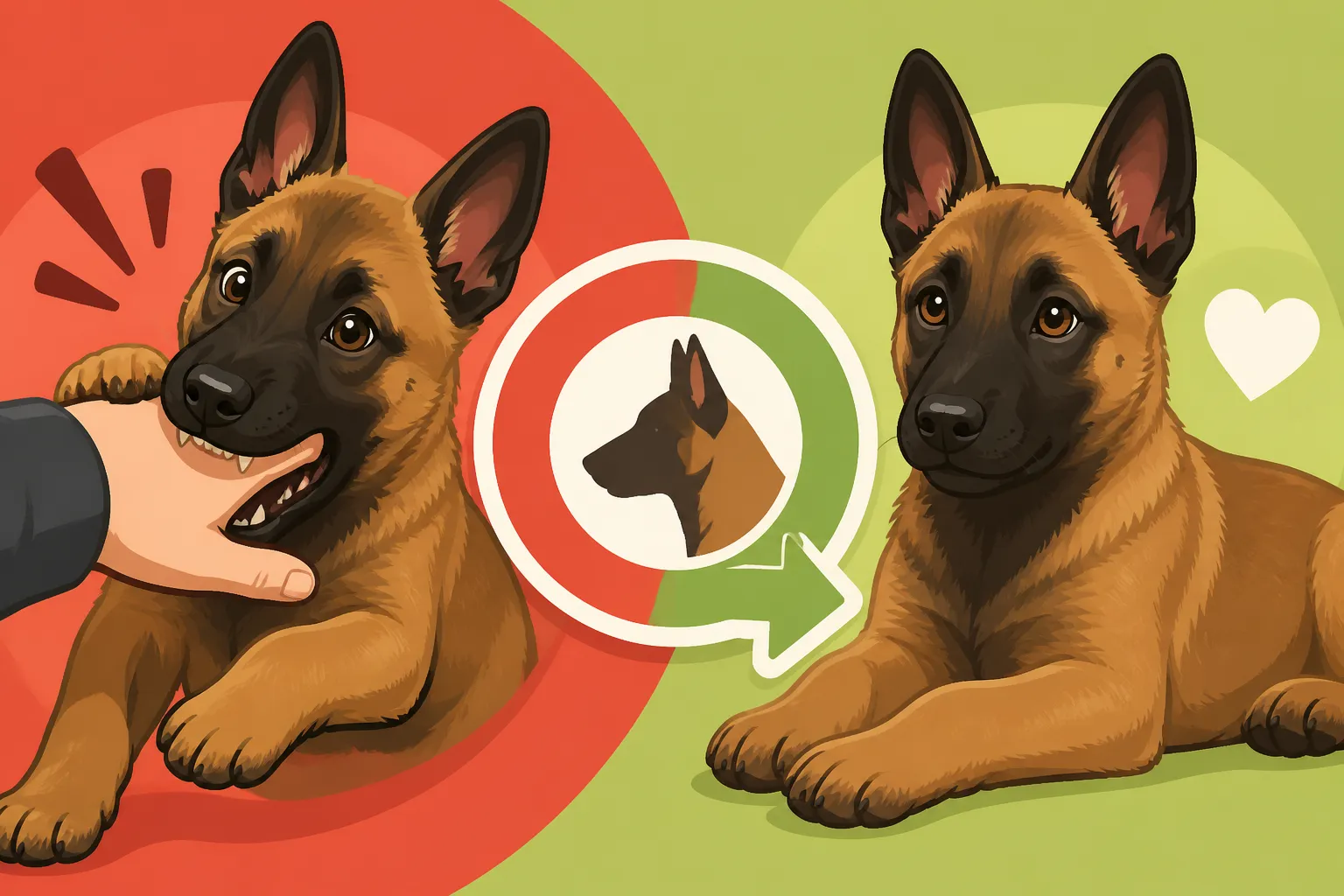
If you're currently wrestling a land shark in the form of a Belgian Malinois puppy, constantly battling sharp needle teeth that seem to find every exposed bit of skin, you are not alone. This intense, persistent puppy biting is a common frustration for new Malinois owners, and it often leaves them wondering if it will ever end. This comprehensive guide aims to shed light on when you can expect that relentless puppy biting to finally ease up, and what you can do in the meantime to manage and redirect this natural, yet often painful, behavior.
Understanding the Malinois Puppy "Shark Phase"
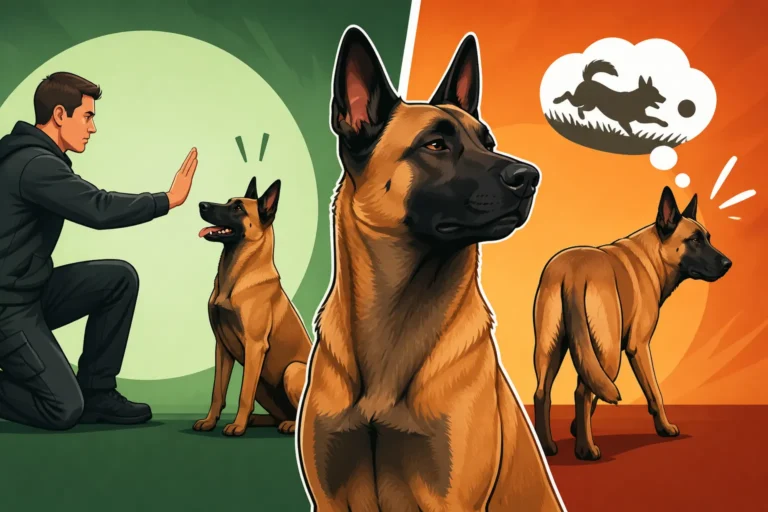
Let's just call it what it is: the "shark phase." Every Belgian Malinois puppy goes through it, but with their intense drive and innate mouthiness, it often feels more pronounced and, frankly, more painful than with many other breeds. It’s not a sign of aggression in a young puppy, but rather a completely normal part of their development that needs careful management and redirection from you, their dedicated owner.
Why Malinois Puppies Are So Mouthy
Belgian Malinois puppies are inherently mouthy creatures. They explore the world with their mouths, just like human babies use their hands. This isn't just a casual exploration; it's an intense investigation of every texture, every object, and every limb they can reach. Their strong prey drive, even at a young age, translates into a desire to chase, catch, and hold things in their mouths. This is the foundation of their future working abilities, but in a young puppy, it manifests as relentless nipping and biting. They're not being malicious; they're simply being Malinois. Their world is one of sensory input, and the mouth is a primary tool for processing it all.
Moreover, puppies use their mouths to interact with their littermates. They play rough, nipping and tumbling, and they learn bite inhibition from these interactions. When one puppy bites another too hard, the bitten puppy will yelp, and the play will stop. This teaches them the consequences of applying too much pressure. When they come into your home, you become their new "littermate," and they'll naturally try to interact with you in the same way. The problem, of course, is that human skin is far more delicate than a puppy's fur, and our tolerance for sharp little teeth is significantly lower. This is why it's crucial for us to teach them the same lessons their littermates would have.
The Instinctual Drive Behind the Nipping
The Belgian Malinois was originally bred as a herding dog, and those instincts are still very much present, even in the smallest of puppies. Herding involves nipping at the heels of livestock to guide them. While your puppy isn't herding sheep around your living room (at least, not intentionally!), that inherent drive to chase and mouth moving objects — like your wiggling fingers or the hem of your pants — is a direct manifestation of that genetic blueprint. This drive is a powerful force that needs channeling, not suppression. Trying to stomp it out completely is not only futile but can also be detrimental to their natural working instincts later in life. Instead, we aim to shape it into acceptable behaviors.
Furthermore, Malinois are often bred for intense protection and sport work, where a strong, full bite is highly valued. While a young puppy isn't ready for that kind of training, the genetic predisposition for a powerful mouth is there from day one. This means their jaws are strong, their teeth are sharp, and their desire to use them is considerable. It's a combination that can feel overwhelming, especially when they're in full "zoomie" mode, latching onto anything they can get their mouths on. Understanding that this behavior stems from deep-seated instinct helps you approach it with patience, rather than frustration. You're not dealing with a misbehaving pet, but a dog whose natural inclinations need careful guidance.
Differentiating Normal Puppy Biting from Aggression
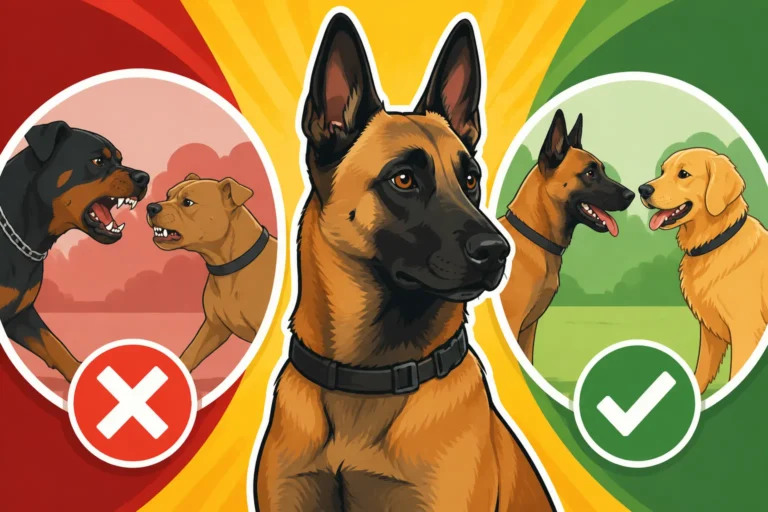
It's natural to worry when your puppy's biting seems relentless, but it's important to understand that there's a significant difference between normal puppy mouthing and true aggression. For the vast majority of Malinois puppies, their biting is driven by exploration, play, teething, and an underdeveloped understanding of bite pressure. They're not trying to hurt you; they're just playing the only way they know how, and their sharp baby teeth make it painful for us. These nips are usually accompanied by a loose, wiggly body, play bows, and a generally happy demeanor. The moment you pull away, they often come back for more, not out of malice, but because they interpret your movement as continued play.
True aggression in a puppy, while rare, looks very different. It might involve stiff body language, growling (not playful growls), snarling, lunging, or guarding resources. If your puppy is exhibiting these behaviors, especially consistently and without typical play cues, that's when you need to be seriously concerned and seek professional help immediately. However, for the typical Malinois puppy owner, the "shark phase" is just that—a phase. It's a period of intense teething and learning where the puppy is still figuring out how to interact gently with the world. For more on this, you might find Whether a Malinois Puppy's Biting Is Aggression a helpful read.
Developmental Milestones for Biting Behavior
Understanding the typical timeline for puppy biting can provide some much-needed perspective and hope during the often-frustrating "shark phase." While every puppy is an individual, there are general windows when these behaviors tend to peak and then subside.
The Early Weeks: Sharp Little Needles
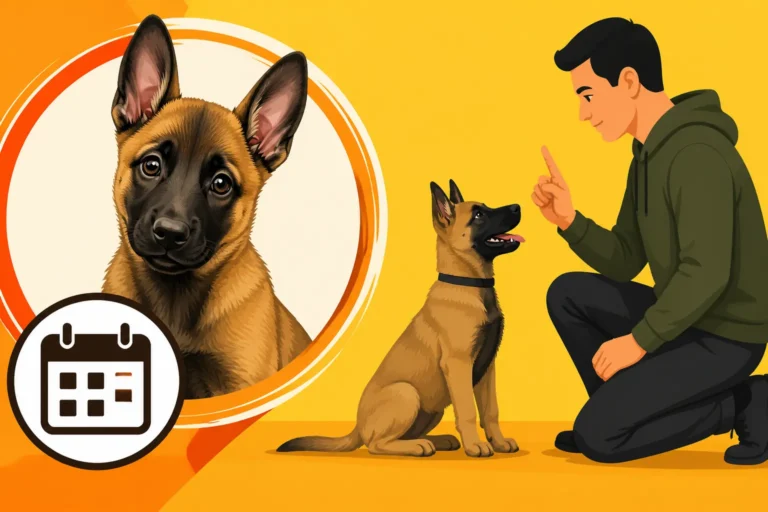
From the moment they arrive in your home, typically between 8 and 12 weeks old, Malinois puppies are armed with a full set of tiny, incredibly sharp deciduous (puppy) teeth. These teeth are like little needles, and they can inflict surprising pain, even with minimal pressure. During these early weeks, their biting is often quite indiscriminate. They'll nip at hands, feet, clothing, furniture – anything they can get their mouths on. This is a crucial time for you to begin teaching bite inhibition, which means teaching them how much pressure they can use without causing pain.
Think of it as their "introduction to the world" phase. They are learning about textures, objects, and how their mouth interacts with everything. They haven't yet learned the rules of human interaction, and their primary mode of engagement is through mouthing. It’s also during this period that they are missing the constant feedback from their littermates. You become the primary source of feedback, and how you respond to their bites will greatly influence how quickly they learn to be gentle. This initial period, roughly 8 to 16 weeks, is when you'll likely feel like you're constantly covered in tiny nips and scratches.
The Peak of the "Shark Phase"
The "shark phase" typically peaks around 3 to 5 months of age. This is often when a Malinois puppy is not only still teething fiercely but also gaining confidence, energy, and an even stronger drive. Their coordination is improving, making them more effective at chasing and latching onto targets. Many owners report that this period feels like the most challenging, with biting becoming more frequent, more intense, and sometimes harder to redirect. This coincides with them often losing their baby teeth and growing in their adult teeth, a process that can be uncomfortable and lead to increased chewing and mouthing.
During this peak, your puppy might seem almost frantic in their desire to bite and chew. They might latch onto your clothes, your hair, or anything dangling. This isn't naughtiness; it's a combination of their growing drive, the discomfort of teething, and still learning impulse control. This is also often when a Malinois puppy starts to truly test boundaries and see what they can get away with. Consistency in your training during these months is absolutely paramount. It's tough, but remember, this intense period is temporary.
When You Can Expect a Noticeable Decrease
You can typically expect a noticeable decrease in the intensity and frequency of biting around 5 to 7 months of age. This period marks several significant developmental shifts. Firstly, most of their adult teeth will have come in, alleviating a great deal of the teething discomfort that fueled much of the earlier mouthing. While they'll still chew, the frantic need to mouth everything should start to lessen. Secondly, with consistent training and redirection, they should have a much better understanding of bite inhibition and what is acceptable to bite.
By this age, a well-socialized and consistently trained Malinois puppy should be much more capable of controlling their impulses and using their mouths appropriately. While the occasional excited nip might still happen, it should be softer, less frequent, and easier to redirect with a verbal cue. However, it's crucial to understand that "eases" does not mean "stops entirely." A Malinois is a highly oral breed, and they will likely always enjoy carrying things, mouthing objects, and engaging in appropriate bite work. The key is that they learn what is appropriate and how to do it safely. Continued mental and physical exercise, as outlined in Two Hours and a Job a Belgian Malinois Demands Daily, will be crucial to keeping this intense energy channeled positively.
| Age Range (Approx.) | Biting Behavior Characteristics | Owner Experience | Key Strategies |
|---|---|---|---|
| 8-16 Weeks | Sharp, needle-like nips; indiscriminate mouthing; high frequency; exploring the world with mouth. Teething often begins. | Constant pain, frustration, feeling like a chew toy. Puppy still very small. | Bite Inhibition: Yelping, withdrawing hand. Redirection: Offer appropriate chew toys immediately. Management: Crate time, puppy pen. |
| 3-5 Months | Peak intensity; stronger jaws; still losing baby teeth & growing adult teeth; increased confidence and drive. May latch onto clothing more. | Exhaustion, questioning sanity. Biting feels more powerful. Puppy getting bigger and faster. | Consistent Redirection: Never allow biting skin. Appropriate Chews: Provide varied textures. Structured Play: Tug with rules. Mental Stimulation: Puzzle toys. |
| 5-7 Months | Noticeable decrease in intensity/frequency; most adult teeth in; better bite inhibition; occasional excited nips. | Relief, seeing progress. Still need vigilance but fewer painful incidents. Puppy maturing physically. | Continue Training: Reinforce good choices. Channel Drive: Introduce appropriate chew sessions and structured play. |
| 7+ Months | Biting largely limited to appropriate toys/activities; good bite inhibition established; can still have excited "air snaps" or mouthing in play. | Confidence in handling. Puppy understands boundaries. Focus shifts to advanced training. | Advanced Training: Focus on impulse control. Working Outlets: Consider sport or detection work. |
Effective Strategies to Manage Puppy Biting
Dealing with a biting Malinois puppy requires patience, consistency, and a multi-faceted approach. It's not about punishing them for being a puppy, but about teaching them the rules of living in a human world.
Redirection, Redirection, Redirection
This is the golden rule for managing a Malinois puppy's biting. The moment those shark teeth make contact with your skin, immediately redirect their attention to an appropriate chew toy. Keep a variety of sturdy, engaging toys readily available in every room you spend time in with your puppy. As soon as they start to mouth you, firmly say "No bite!" (or whatever your chosen cue is), pull your hand away, and instantly present a toy. When they take the toy, praise them lavishly. This teaches them that biting you makes the fun stop, but biting the toy earns them positive attention. For ideas on engaging toys, consider checking out options available on Amazon.
It's absolutely critical that you do not engage in tug-of-war games with your bare hands, nor should you allow them to "play bite" at your hands even gently. While it might seem harmless, it blurs the lines for a Malinois puppy who thrives on consistency. They need to learn that human skin is completely off-limits for mouthing. Toys are for mouthing, biting, and tugging. Your hands are for petting and feeding. This clear distinction is vital for a breed with such a powerful mouth. Remember to always have a toy within arm's reach. Don't go searching for one, because in that moment, your puppy will likely resume nipping at you. Redirecting a Biting Malinois Puppy Onto a Toy offers more specific techniques.
Teaching Bite Inhibition
Beyond simply redirecting, you need to actively teach your Malinois puppy bite inhibition. This is about teaching them the force of their bite. The most effective way to do this mimics how puppies learn from their littermates. When your puppy bites you, even if it's not terribly hard, give a loud, high-pitched "YIP!" or "OW!" and immediately withdraw your attention. Stand up, turn your back, or even leave the room for 10-20 seconds. This signals to the puppy that their bite was too hard and that play stops when they cause pain.
After a short time, you can return and calmly resume interaction. If they bite too hard again, repeat the process. The goal is for them to learn that gentle mouthing might get a soft "uh-uh," but a hard bite immediately ends all interaction. Over time, as they learn to soften their bite, you'll start to reduce your reaction to only the hardest bites, gradually raising your threshold for what constitutes "too hard." This systematic approach, combined with redirection, is how you build a dog that understands the pressure of its own jaws. This critical skill is one of the most important things you can teach your Malinois puppy for a safe and happy future.
Providing Appropriate Chews and Outlets
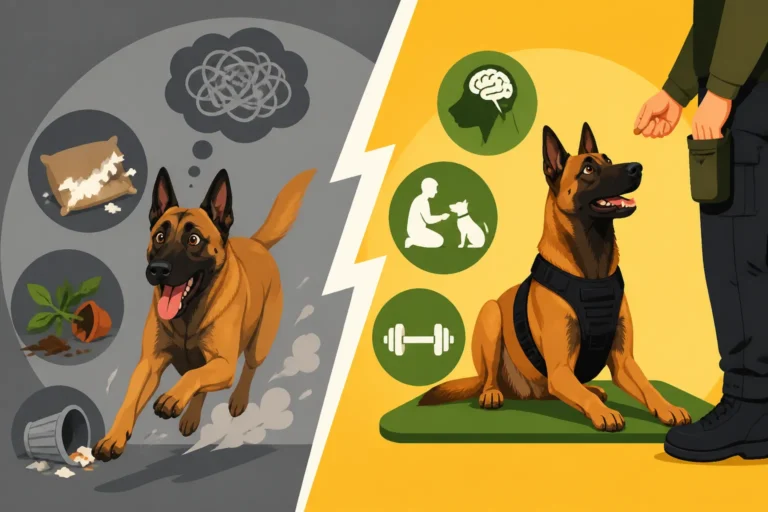
A Malinois puppy's need to chew is immense, especially during teething. If you don't provide appropriate outlets, they will find their own, and it will likely be your furniture, shoes, or even your walls. Offer a wide variety of durable, safe chew toys. Rotate them frequently to keep things interesting. Think tough rubber toys, sturdy chew bones made for strong chewers, and puzzle toys filled with treats. Kongs stuffed with peanut butter or wet food and then frozen can provide a long-lasting, satisfying chewing session that also offers mental stimulation.
Beyond just chew toys, consider other outlets for their oral fixation and drive. Structured tug games with rules (e.g., the game stops if their teeth touch your hand, they must "out" the toy on command) can be a fantastic way to engage their prey drive in an acceptable manner. Flirt poles are another excellent tool for channeling their chase and bite instincts. Always supervise your puppy with new chew toys to ensure they are safe and durable enough for their powerful jaws. Brands like Kong and Nylabone offer many durable options, often found on Amazon, that can withstand a determined Malinois. Remember, a tired Malinois is a good Malinois, and mental exertion from puzzle toys and focused chewing can be just as effective as physical exercise. Puzzle Work for a Belgian Malinois Indoors delves deeper into these options.
The Role of Socialization and Training
Managing puppy biting isn't just about what happens when teeth hit skin; it's also about building a well-rounded, well-behaved dog through structured socialization and consistent training. These elements are foundational for a Malinois.
Puppy Classes and Controlled Play
Enrolling your Malinois puppy in a reputable puppy class is invaluable for bite inhibition and overall socialization. In these classes, puppies learn appropriate play etiquette from other puppies of various sizes and temperaments. They learn when a bite is too hard, when to back off, and how to communicate effectively with other dogs. This peer-to-peer learning is something humans simply cannot replicate. A good instructor will also guide you on how to manage your puppy's play, recognize appropriate interactions, and intervene when necessary.
Beyond bite inhibition, puppy classes expose your Malinois to new environments, people, sights, and sounds in a controlled, positive way. This early positive exposure is absolutely critical for a breed that can be prone to suspicion or reactivity without proper socialization. Choose a class that emphasizes positive reinforcement and offers plenty of supervised off-leash play. You'll not only be helping your puppy, but you'll also be gaining valuable insight and support from experienced trainers and other puppy owners. Socializing a Belgian Malinois Puppy Safely provides more details on this important topic.
Structured Training and Impulse Control
For a Belgian Malinois, structured training needs to start the day they come home. Basic obedience commands like "sit," "stay," "down," and "leave it" are not just about manners; they are about building impulse control, which is directly tied to managing biting behavior. A puppy that can "leave it" when presented with a tempting object (or your fingers) is a puppy learning to control its urges. Reward calm, focused behavior heavily. Use high-value treats and praise to reinforce every good choice.
Incorporate short, frequent training sessions throughout the day. Malinois are intelligent and thrive on having a job to do. Teach them that focusing on you and following cues leads to great rewards. This mental engagement helps tire them out in a way that physical exercise alone cannot. Work on commands in various environments, gradually increasing distractions. This builds resilience and focus, which are crucial for a high-drive breed. Remember that BAXTER & Bella offers online puppy training programs that provide structured guidance for owners, which can be particularly helpful for intense breeds like the Malinois. Consistent training helps to Build an Off Switch Into a Belgian Malinois, making them more manageable in everyday situations.
Consistency is Key for Malinois Puppies
This cannot be stressed enough: consistency is absolutely non-negotiable when training a Belgian Malinois. These dogs are incredibly smart and will quickly learn what they can get away with, even if it's only with one family member. If one person allows mouthing while another doesn't, the puppy will become confused and inconsistent in its behavior. Everyone in the household, from adults to older children, needs to be on the same page regarding rules and responses to biting.
Establish clear rules and stick to them every single time. If the rule is "no teeth on skin, ever," then never allow teeth on skin. This includes playful nips. It means every time the teeth make contact, the "YIP!" and disengagement happens. Consistency builds trust, understanding, and predictability for your puppy, which is especially important for a breed that thrives on structure. It’s not always easy, especially when you’re tired or frustrated, but your dedication during these crucial puppy months will pay dividends for the rest of your Malinois's life. Think of it as laying the groundwork for a solid working relationship.
When to Seek Professional Help
While the "shark phase" is normal, there are times when a puppy's biting may be more than just typical developmental behavior. Recognizing these signs and knowing when to reach out for expert assistance is crucial for the safety of your household and the well-being of your Malinois.
Signs That Biting Is Beyond Normal Puppy Behavior
Most puppy biting, even from a Malinois, is characterized by a loose, wiggly body, playful growls, and an eagerness to re-engage in play after a correction. However, if your puppy's biting seems to deviate from this typical play behavior, it might warrant professional concern. Here are some red flags:
- Stiff Body Language: Instead of a loose, playful posture, your puppy's body becomes rigid, their tail is stiff or tucked, and their ears are pinned back. This is often a sign of fear or discomfort rather than play.
- Persistent Resource Guarding: If your puppy growls, snarls, or bites when you approach their food bowl, toys, or even their bed, this is a serious form of aggression known as resource guarding and needs immediate professional intervention.
- Lack of Bite Inhibition: Despite consistent efforts to teach bite inhibition (yelping, disengaging), your puppy continues to bite with full force, drawing blood repeatedly, and seems unresponsive to your corrections.
- Directed Aggression: The biting seems specifically aimed at causing harm, particularly towards certain people or animals, rather than just being indiscriminate mouthing.
- Escalation Beyond Age-Appropriate Levels: By 6-7 months, if the biting is still as intense and frequent as it was at 3 months, it suggests a deeper issue beyond normal puppy development.
- Growling or Snapping when Handled: If your puppy consistently growls or snaps when you try to pick them up, groom them, or handle their paws, it could indicate discomfort, pain, or a significant lack of trust. This often correlates with a lack of early, positive handling experiences, which are vital during The First Week With a Belgian Malinois Puppy.
If you observe any of these signs, especially consistently, do not attempt to handle it alone. While Malinois are intense, they should not be exhibiting true aggression as young puppies.
Finding a Qualified Behaviorist or Trainer
If you suspect your puppy's biting is more than just normal puppy behavior, the next step is to find a qualified professional. It's vital to seek out someone who has extensive experience with working breeds like the Belgian Malinois. Not all trainers are equipped to handle the unique drives and sensitivities of this breed. Look for certified professional dog trainers (CPDT-KA), certified behavior consultants (CBCC-KA), or veterinary behaviorists.
When researching professionals, ask about their experience with Malinois or similar high-drive breeds. Inquire about their training philosophies – they should prioritize positive reinforcement and force-free methods. Avoid anyone who suggests harsh punishment, alpha rolling, or dominance-based techniques, as these can severely damage your relationship with a Malinois and exacerbate behavioral issues. A good behaviorist will work with you to understand the root cause of the behavior, develop a comprehensive behavior modification plan, and provide ongoing support. They may observe your puppy in your home environment or during private sessions. Sometimes, a veterinary visit is also recommended to rule out any underlying medical issues contributing to the behavior.
Understanding the Long-Term Commitment
Bringing a Belgian Malinois into your life is a significant long-term commitment, especially when it comes to training and behavior management. The "shark phase" is just one of many challenges you'll navigate. Even after the intense puppy biting eases, your Malinois will continue to need consistent training, socialization, and appropriate outlets for their immense energy and intelligence. These are dogs that thrive on having a job, and if you don't provide one, they will invent their own, which may not always align with your preferences.
Think of the puppy biting phase as the beginning of a lifelong journey of guiding your Malinois. They will continue to test boundaries, especially during adolescence (roughly 7-18 months), and will always benefit from ongoing training and mental stimulation. Whether it's advanced obedience, scent work, agility, or actual bite sports, keeping their minds and bodies engaged is paramount to having a well-adjusted Malinois. Without this sustained effort, behavioral issues can easily resurface or new ones can develop. The rewards of owning a well-trained Malinois are immense, but they are directly proportional to the dedication and consistency you put into them, every single day. Surviving a Belgian Malinois's Second Year will offer more insights into the challenges and joys beyond puppyhood.
Disclaimer
This article is for general informational purposes only and does not constitute professional advice. Laws, prices and regulations vary by location and change over time. Consult a qualified professional for guidance on your specific situation.