Teaching a Belgian Malinois to Out
One of the most intense and often frustrating challenges for any Belgian Malinois owner, especially those new to high-drive working breeds, is getting their dog to release an object on command. This isn't just about a game of fetch; an unreliable "out" command can quickly escalate into serious problems, from torn equipment and injured decoys in sport work to resource guarding or even accidental bites in everyday life. This comprehensive guide will walk you through the meticulous process of teaching your Belgian Malinois a rock-solid "out," ensuring safety, control, and a more harmonious partnership, whether you're working in sport, service, or simply enjoying life with your extraordinary companion.
Understanding the "Out" Command and Its Critical Importance
Before we even think about practical steps, it's crucial to grasp the profound significance of the "out" command, especially for a Belgian Malinois. This isn't just a polite request; it's a fundamental safety and control mechanism that dictates your dog's ability to disengage from an object or even a person, often when their prey drive is at its absolute peak. Without a reliable "out," you're essentially relinquishing control in critical situations, which is a dangerous proposition with a dog as powerful and driven as a Malinois.
What "Out" Truly Means for a Malinois
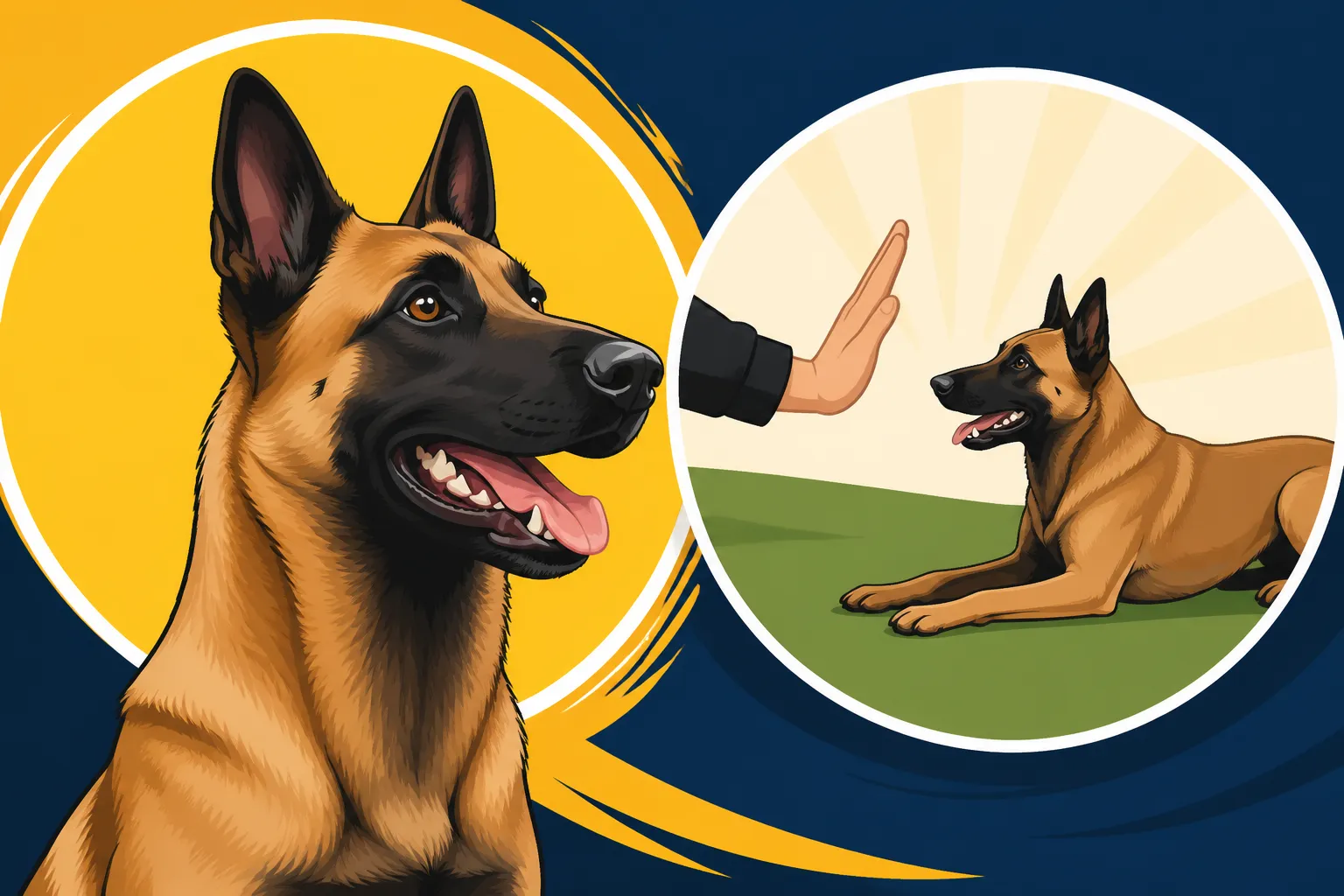
For a Belgian Malinois, "out" is more than just "drop it" or "let go." It's about a complete cessation of engagement with the object in their mouth, releasing it cleanly and immediately, and then redirecting their focus back to you, the handler. This distinction is vital because a Malinois's natural instinct when holding a highly stimulating object, like a favorite tug or bite sleeve, is to hold on with immense tenacity. Their bite is incredibly powerful, and their drive to possess what they've "caught" is primal. Therefore, "out" means overriding a deeply ingrained instinct, which requires careful, consistent, and methodical training. It's not just dropping the item; it's about disengaging their entire mental and physical focus from that item. It's a switch that needs to be flipped from "possess" to "release and re-engage with handler."
Many owners mistake a dog dropping an item due to distraction or losing interest as a successful "out." This is a critical error. A true "out" is executed on command, regardless of the intrinsic value the dog places on the item at that moment. It's about handler control and respect, not the dog's whim. This distinction is particularly important when dealing with the high-octane prey drive seen in Malinois, where the reward for holding on is immense, and the mental effort to disengage is substantial.
Why "Out" Is Non-Negotiable for High-Drive Breeds
For breeds like the Belgian Malinois, whose working ability often hinges on their intense drive and bite work, an "out" command isn't just good manners; it's a fundamental component of their training and safety. Imagine a sport scenario where your Malinois is locked onto a bite sleeve, and the decoy needs to move, or the exercise requires an immediate release. Without a precise "out," the dog could be dragging the decoy, risking injury to both the dog and the human, or simply failing the exercise. In professional capacities, such as police or military work, the implications are even graver. A dog that won't release a suspect on command is a liability, not an asset.
Beyond formal working contexts, a solid "out" command prevents resource guarding from escalating. If your Malinois picks up something it shouldn't – a discarded chicken bone, a dangerous object, or even a child's toy – an immediate and reliable "out" can prevent ingestion, injury, or conflict. Their instinct to hold can be so strong that trying to pry something from their mouth can result in a bite, even if it's not malicious. The "out" command creates a safe, reliable way to manage these situations without confrontation, fostering trust rather than tension between you and your dog.
The Dangers of an Unreliable "Out"
The consequences of an unreliable "out" command with a Belgian Malinois can range from frustrating to genuinely dangerous. In sport, it leads to disqualification and potentially severe frustration for both dog and handler. A dog that carries a sleeve or tug for too long after the "out" command is given is not only penalized but also taught that the command is optional, undermining future training. You'll find yourself wrestling with your dog, damaging equipment, and eroding your leadership.
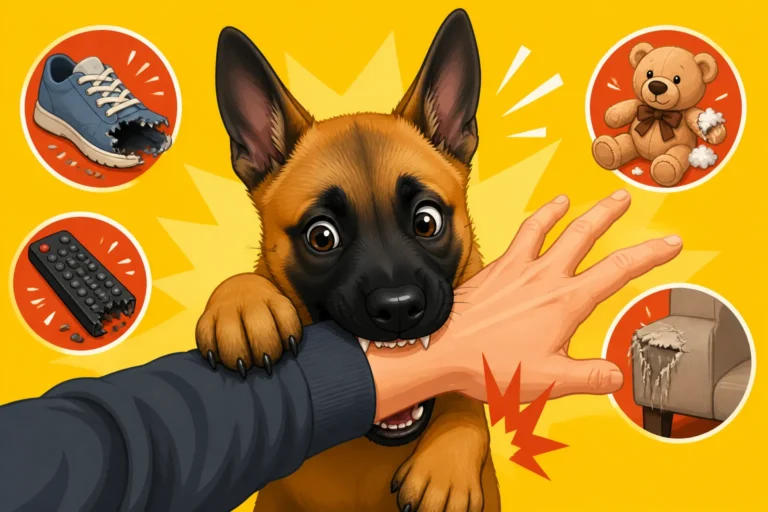
In a home environment, an unreliable "out" can lead to destructive behavior. Picture your Malinois grabbing your expensive leather shoe or a remote control and refusing to let it go. Without a way to safely retrieve the item, you're faced with either letting them destroy it or engaging in a physical struggle that can damage your bond. More seriously, an unreliable "out" can turn into a significant safety hazard around children, other pets, or even strangers. If your Malinois grabs a child's toy and then exhibits resource guarding because it doesn't understand "out," the potential for a bite is very real. It also hinders their ability to function effectively as a service or assistance animal, where dropping items or disengaging from distractions is paramount. For these reasons, investing the time to truly solidify this command is paramount for any Malinois owner.
Building Foundation: Prerequisites Before Teaching "Out"
You can't just jump into teaching "out" with a high-drive Malinois and expect immediate success. Like constructing a sturdy building, a solid foundation is absolutely essential. This foundation involves establishing your role as the valued leader, building enthusiasm for play, and teaching critical self-control, all of which will make the "out" command a natural extension of your existing relationship and training protocols. Skipping these steps often leads to frustration and a dog that views "out" as a punishment rather than a clear expectation.
Establishing Engagement and Handler Focus
Before you can ask your Malinois to give something up, you need to ensure they want to engage with you in the first place. This means building strong engagement and handler focus, where your dog sees you as the most interesting and rewarding thing in their environment. This isn't just about walks on a leash; it's about making yourself more exciting than any toy, distraction, or potential "prey" item. Use high-value treats and enthusiastic praise to reward eye contact and check-ins. Practice short bursts of play and obedience, ensuring you're the source of all good things.
Think of it as creating an irresistible pull towards you. If your Malinois is more interested in sniffing a distant bush or staring at another dog, your "out" command will likely fall on deaf ears. Start in a low-distraction environment, working on name recognition, recalls, and structured play that always brings their attention back to you. Building engagement with a Belgian Malinois is a continuous process that underpins all other training, especially commands that ask them to go against their natural instincts. A strong bond and clear communication channels are your best tools here.
Developing Drive and Value for the Toy
Ironically, to teach a Malinois to release a toy, you first need to make that toy incredibly valuable to them. This might seem counterintuitive, but if the toy has no value, your dog might drop it, but not on command, and not with the intense focus required for a proper "out." You want them to crave the interaction with the toy, but understand that you control access to that interaction. Use a specific "training toy" that is only brought out for these sessions – often a durable tug or bite pillow from brands you can find on Amazon that withstand serious chewing.
Engage in exciting, interactive play sessions with this special toy. Tug, chase, make it 'come alive.' Stop play before your dog gets bored, putting the toy away immediately. This builds anticipation and desire. The goal is for your Malinois to think, "Oh wow, that toy! And it only comes out when I play with my human!" This high value is what you'll leverage later. If your Malinois isn't super driven by toys yet, spend some time just building that enthusiasm, perhaps by finding the specific texture or material they love most. The more they desire the toy, the more impactful your command to release it will be, because they understand they get to play with it again if they comply.
The Role of Basic Obedience and Impulse Control
A reliable "out" command is not an isolated skill; it's deeply integrated with your Malinois's overall obedience and impulse control. Commands like "sit," "down," and "stay" are crucial foundational elements. A dog that can hold a "stay" for an extended period, even with distractions, has already developed a degree of impulse control that will serve them well when asked to release a high-value item. You're teaching them patience and the understanding that good things come to those who wait, or those who follow your directions.
Work extensively on these basic obedience commands, focusing on duration, distance, and distraction. For example, asking your Malinois to "stay" while you roll their favorite toy past them, and only releasing them to it after they've held their position, directly builds the impulse control needed for "out." Additionally, teaching a strong "leave it" command is a precursor to "out." If they can ignore something on the ground, they're one step closer to releasing something in their mouth. Many online training platforms, such as BAXTER & Bella, offer structured programs that emphasize these foundational skills, making it easier to build up to complex commands like "out" in a clear, progressive manner.
Step-by-Step: Introducing and Proofing the "Out" Command
Now that we've laid the groundwork with engagement, toy drive, and impulse control, we can delve into the practical application of teaching the "out" command. This process requires patience, consistency, and a clear understanding of how to motivate your Malinois without resorting to force, which can be detrimental to their drive and your relationship. Remember, the goal is voluntary, enthusiastic release.
The Two-Toy Method: Starting with a Clear Exchange
The two-toy method is a classic and highly effective way to introduce "out" to a Malinois, as it teaches them that releasing one toy immediately leads to the reward of another. This leverages their prey drive rather than working against it.
- Preparation: Have two identical or equally high-value tug toys ready. Ensure you're in a low-distraction environment.
- Engagement: Entice your Malinois to play with one toy, getting them excited and tugging enthusiastically.
- Introduction of Second Toy: While your dog is actively tugging on the first toy, present the second toy directly in front of their nose. Make it incredibly exciting – wiggle it, bounce it, make little noises. Most Malinois will instantly "out" the first toy to grab the more stimulating new one.
- Mark and Reward: The instant they release the first toy, even before they grab the second, say "YES!" or use your clicker, then immediately present the second toy for them to grab and tug. This "YES!" marks the moment of release.
- Repeat and Name: Play with the second toy for a short period, then introduce the first toy again. Repeat the process. Once your dog is consistently releasing the first toy to grab the second, then add the verbal cue "Out!" just as you present the second toy. They will begin to associate "Out!" with the act of letting go to get something even better.
- Progressive Difficulty: Start reducing the enthusiasm you show for the second toy gradually. You want the command to be the trigger, not just the visual of the second toy. Then, try briefly hiding the second toy behind your back, only revealing it after they "out" the first. The gap between release and reward should be minimal at first, then slowly extended.
This method teaches a clean, positive association with releasing objects. The crucial part is to never take the first toy away until they release it, and always make the exchange exciting.
Incorporating Pressure and Release
While the two-toy method is excellent for introduction, a truly reliable "out" needs to withstand moments when there isn't a second toy immediately available. This is where incorporating a subtle pressure and release system becomes important, but it must be done carefully to avoid shutting down your Malinois's drive. This isn't about punishment; it's about providing a clear consequence for not releasing and an immediate reward for compliance.
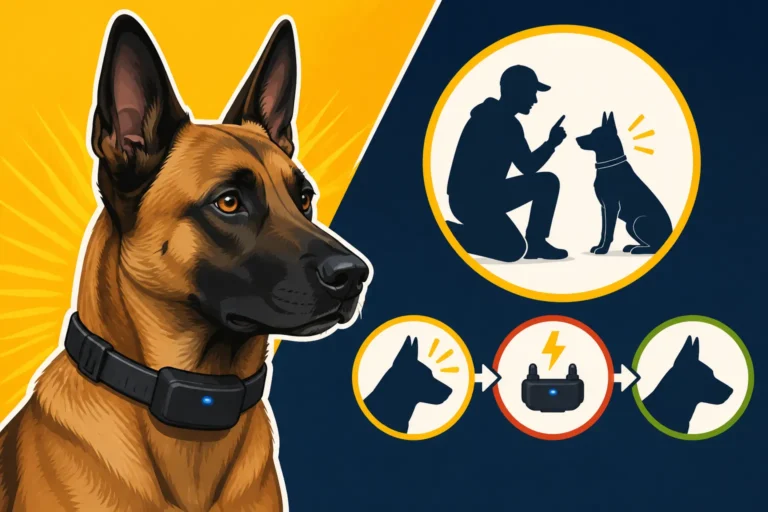
One common method involves a leash and collar. When your Malinois is tugging and refuses to "out" on command, stop engaging with the toy entirely. Hold the leash taut with a slight, steady pressure upwards or backwards (not a harsh jerk, but enough to make holding the toy slightly uncomfortable). Simultaneously, keep repeating your "Out!" command in a calm, firm voice. The instant they release the toy, release the leash pressure, give a clear "YES!" and immediately engage in praise or produce a high-value treat from your pocket. The removal of pressure is the release, and the subsequent reward reinforces the desired behavior.
Another approach, particularly useful with extremely driven Malinois, involves a controlled "body block" or a light tap on the muzzle. Again, the goal is not pain or fear, but a mild interruption that makes holding the toy less appealing than releasing it. The moment they let go, all pressure immediately ceases, and positive reinforcement floods in. The key is perfect timing: pressure on until release, pressure off immediately at release, followed by a reward. This teaches them that they control the pressure through their action of releasing the toy. It's not about you being mean; it's about clear communication. Many trainers recommend working with a professional who understands these pressure-and-release mechanics for Malinois, as improper application can quickly lead to a dog becoming defensive or losing their play drive.
Gradually Increasing Distraction and Duration
Once your Malinois understands the "out" command in a low-distraction environment, the next step is to proof it by gradually increasing the difficulty. This means practicing in different locations, with varying levels of external stimuli, and requiring them to hold the "out" for slightly longer periods before receiving their next reward.
- New Locations: Start in your backyard, then a quiet park, then a slightly busier park, and so on. Each new environment presents fresh smells, sights, and sounds that will test their focus.
- Adding Distractions: Introduce mild distractions first. Have a friend walk by at a distance, or have another dog briefly appear in their line of sight. Gradually make these distractions more intense. The goal is for your Malinois to still release the toy on command, even when their attention is partially pulled elsewhere.
- Duration of Hold: Instead of immediately presenting the second toy or giving a treat after the "out," ask for a brief moment of eye contact or a "sit" command before rewarding. This teaches them to stay disengaged from the object and re-engage with you. Gradually extend this duration. For instance, "Out!"… pause for one second … "YES! Good boy!" treat. Then, "Out!"… ask for a sit… "YES! Good boy!" treat.
- Varying Rewards: Don't always use the same reward. Sometimes it's the second toy, sometimes a high-value treat, sometimes praise and a quick game of fetch with a different toy. This keeps the dog guessing and reinforces the idea that you are the source of all good things, not just the toy itself.
Remember, every new level of distraction or duration should be introduced incrementally. If your Malinois struggles, go back to an easier step and build up again. Consistency across all training sessions and environments is paramount. This proofing stage is vital for a Malinois, as their drive can easily override commands if not thoroughly reinforced in real-world scenarios.
Common Challenges and Troubleshooting the "Out"
Even with a systematic approach, training a Belgian Malinois is rarely a straight line. You're bound to encounter bumps, plateaus, and outright refusals. Understanding the common pitfalls and having strategies to address them will save you immense frustration and prevent regressions in your "out" command. Malinois are smart, and they'll quickly figure out loopholes if you're not consistent and clear.
When Your Malinois Refuses to Let Go
A stubborn Malinois that refuses to release a toy is a classic challenge. This often stems from either an insufficient understanding of the command, a lack of value for the reward offered for releasing, or a simple test of boundaries.
- Re-evaluate Motivation: Is your reward truly high-value? Sometimes, a Malinois might hold on because the next toy isn't exciting enough, or the treat isn't worth the effort of releasing their prized possession. Experiment with different types of tugs, squeaky toys, or exceptionally tasty treats. For a Malinois, a higher-value experience (like a quick chase with another toy) might be more motivating than a static treat.
- Increase Pressure (Carefully): As discussed, a subtle, consistent pressure (e.g., leash pressure, gentle muzzle pressure) can encourage release. The moment they even slightly loosen their grip, release the pressure and reward. The timing here is absolutely critical. If you release too late, they won't associate it with their action. If you use too much force, you risk creating a negative association with play. If using a leash, ensure their Tugs and bite pillows a Malinois destroys are still engaged, allowing them to release safely without damaging their teeth.
- Backtrack to Two-Toy Method: If resistance is significant, go back to the basic two-toy exchange in a quiet room. This helps reinforce the fundamental concept that releasing always leads to something good. Don't move forward until they are flawlessly executing the two-toy exchange.
- Avoid Prying: Never, ever try to physically pry the object from your Malinois's mouth. This often leads to them clamping down harder, can damage their teeth, and can easily result in an accidental bite or teach them to resource guard. It turns the interaction into a conflict, which erodes trust and makes future "outs" even harder.
Dealing with Resource Guarding of Toys
Resource guarding, where your Malinois becomes possessive over certain items and may growl, snap, or bite if you try to take them, is a serious behavior that an unreliable "out" can exacerbate. If you suspect true resource guarding (beyond simple reluctance to release), seek professional help immediately.
However, if it's merely a strong possessiveness over a toy, here's how to manage it during "out" training:
- Prevention is Key: From puppyhood, teach your Malinois that hands near their food bowl or toys mean more good things, not things being taken away. Drop high-value treats into their bowl while they're eating, or offer a tasty treat when they have a toy. This builds a positive association with your presence near their resources.
- Trade-Up: Always offer a higher value item in exchange for the one they have. If they have a stick, offer a squeaky toy. If they have a valuable chew, offer a super-tasty piece of chicken. The goal is for them to want to make the exchange. Once they take the offered item, immediately put the original item away (if it's something you don't want them to have). This is similar to the two-toy method but with a focus on an exchange of perceived value.
- Avoid Direct Confrontation: Do not physically challenge your Malinois over an item if you suspect guarding. Use the "trade-up" method or simply leave the area if the item isn't dangerous. Building a strong "out" through positive reinforcement is the long-term solution to preempting true guarding.
- Professional Guidance: If your Malinois exhibits any signs of aggression (growling, snapping, baring teeth) when you approach their toys or attempt to give an "out" command, consult a certified professional dog trainer or behaviorist. Resource guarding is a complex issue, and expert intervention is often necessary to safely and effectively address it.
Preventing the "Prey Drive Shutdown" After Out
A common issue with highly driven Malinois, especially those new to protection or bite sports, is what's sometimes called "prey drive shutdown" or a loss of enthusiasm after an "out." They might release the toy, but then become deflated, slow to re-engage, or reluctant to play again. This happens when the "out" is perceived as the end of fun, or even a punishment.
- Immediate Re-engagement: The most important remedy is to make the "out" immediately lead to new, exciting play. The moment they release, say "YES!" and instantly re-engage them with the same toy, a different toy, or a quick, energetic game of chase with you. The idea is: "Out isn't the end; it's just a pause before the next exciting thing!"
- Vary the Reward: Sometimes, the reward for "out" should be re-engaging with the same toy after a brief "reset" (e.g., they out, you praise, then immediately offer the same tug again). Other times, it might be a different toy. This keeps them from predicting the end of play.
- Keep Sessions Short and Positive: Especially in the early stages, keep "out" training sessions very short and end on a high note. Don't drill it until they're exhausted or frustrated. Just a few perfect "outs" are better than many sloppy ones.
- Build a Strong "Reset": Teach a command like "Break!" or "Free!" that means "session over, you can relax now." This helps your Malinois understand the difference between a temporary "out" within play and the actual end of a play session. If they know when the fun is truly over, they'll be less likely to anticipate it with every "out."
- Focus on Connection: Ensure your overall relationship is strong. If your Malinois sees you as a fun, reliable partner, they'll be less likely to associate "out" with a negative experience. Continuously work on Building engagement with a Belgian Malinois to reinforce that you are the gateway to all the good things in life, including play.
Advanced "Out" Training and Real-World Application
Once your Belgian Malinois reliably "outs" in a controlled environment, it's time to elevate their skills and ensure the command is applicable and rock-solid in all real-world scenarios. This involves systematic proofing and making "out" a seamless part of their everyday life and any specialized work they do. A true working Malinois needs an "out" that holds up under extreme pressure and distraction.
Practicing "Out" in Different Environments
A command isn't truly learned until it can be executed flawlessly in a variety of contexts. Your Malinois needs to understand that "out" means "out," regardless of where they are or what's happening around them.
- Public Parks and Trails: Start with quieter areas and gradually move to busier sections. Practice with their favorite tug, then escalate to finding interesting sticks or leaves they might pick up. The goal is for them to release anything you command them to.
- Sport Venues and Training Fields: This is critical for working Malinois. Practice "out" with decoys, on different bite equipment (sleeves, suits, hidden sleeves), and amidst the noise and excitement of a training session or trial. A strong "out" here prevents A Belgian Malinois that will not release the sleeve and helps your dog understand the rules of the game.
- Around Other Dogs and People: Introducing social distractions tests their focus immensely. Begin with passive observers, then move to people walking past, and finally, controlled interactions with calm, neutral dogs. If your Malinois is prone to A Belgian Malinois that reacts to other dogs, this step needs careful management and might require working with a professional trainer.
- Home Environment Challenges: Don't forget the home! Practice "out" when they grab a dropped sock, a child's toy, or something they've stolen from the counter. This prevents destructive behavior and ensures safety.
Each new environment brings its own unique set of sights, sounds, and smells that can compete for your Malinois's attention. Always start at a low level of distraction, achieve success, and then slowly increase the difficulty. If they falter, go back to an easier step.
Transitioning "Out" to Other Objects and Scenarios
The ultimate goal is for "out" to be a universal command, not just for their designated training tug. Your Malinois needs to understand that the command applies to any object they might be holding, whether it's a valuable toy, a found treasure, or something they shouldn't have.
- Low-Value Items First: Begin by practicing "out" with items that hold little to no intrinsic value for your Malinois, like a random piece of fabric or a non-squeaky ball. This builds confidence in the dog and handler.
- Gradual Increase in Value: Slowly introduce items of increasing value: a favorite fetch ball, a slightly chewed bone (if appropriate and safe), or even a dropped piece of food (though "leave it" might be more applicable here, "out" can serve as a backup). The principles of the two-toy method or pressure and release still apply, but your "second toy" might be a high-value treat in this context.
- Real-Life Scenarios: Think about common situations where "out" might be needed. Your Malinois picks up a discarded mask on a walk: "Out!" They grab the television remote: "Out!" They snag a toy from another dog: "Out!" Practice these scenarios in a controlled way, perhaps by "setting up" a scenario with a safe, tempting object.
- From Mouth to Ground, Not Hand: Emphasize that "out" means releasing the object to the ground, not necessarily into your hand. While some dogs can be taught a "give," "out" focuses on disengagement from the item, which is often safer and less prone to resource guarding tendencies, especially with a powerful Malinois bite. You can then pick up the item safely.
Maintaining and Reinforcing a Strong "Out" Long-Term
"Out" is not a command you teach once and then forget. Especially with a Belgian Malinois, whose drives are so intense, it requires continuous maintenance and reinforcement throughout their life. Just like an athlete needs to stay in shape, your Malinois needs to keep their "out" sharp.
- Random Reinforcement: Don't just practice "out" during dedicated training sessions. Incorporate it randomly during play, walks, and even just hanging out in the house. The more varied and unpredictable the reinforcement, the stronger the command becomes.
- Vary Rewards: Keep your Malinois guessing! Sometimes the reward for "out" is getting the toy back, sometimes it's a super-high-value treat, sometimes it's enthusiastic praise and a scratch. This prevents them from thinking, "Oh, it's just this again."
- Don't Abuse It: Only use "out" when you genuinely need them to release something. If you use it too frequently without a clear purpose, it can lose its impact. Save it for when it counts.
- Continuous Engagement Work: Keep working on your overall Building engagement with a Belgian Malinois. A dog that is highly engaged with its handler is naturally more likely to comply with commands, even challenging ones like "out." The stronger your bond and their focus on you, the easier everything becomes.
- Attend Refreshers: Consider attending refresher classes or workshops, especially if you're involved in bite sports or other high-intensity activities. Experienced trainers can spot subtle regressions or suggest new ways to challenge and reinforce your Malinois's "out."
A consistently reliable "out" is a cornerstone of responsible Malinois ownership. It's a testament to the relationship you've built, the clarity of your communication, and your dedication to managing their incredible drives safely and effectively.
| Challenge | Description | Troubleshooting Strategies |
|---|---|---|
| Refusal to Let Go | Malinois clamps down on the item and ignores the command. | – Re-evaluate reward value (make it super high). – Revert to two-toy exchange in low distraction. – Use gentle, consistent leash pressure until release. – Never pry or use force. |
| Resource Guarding Tendencies | Growling, snapping, or possessiveness when approached during "out." | – Immediately seek professional behaviorist help. – Prevent by trading up (offer higher value item). – Avoid direct confrontation; create positive associations with hands near items. |
| Prey Drive Shutdown | Malinois releases but becomes deflated, loses interest in play. | – Immediately re-engage with exciting play after "out." – Vary rewards; sometimes it's the same toy back. – Keep sessions short and end on a high note. – Teach a clear "break" command for end of play. |
| Inconsistent "Out" in New Places | Works at home, but fails in parks or busy environments. | – Practice in progressively more distracting environments. – Start with low-value items in new places. – Reward heavily for compliance in new contexts. – Reinforce engagement with handler in distractions. |
| Only "Outs" for Specific Toys | Releases tug toy, but not a stick or a stolen item. | – Generalize the command: practice with low-value items first, then gradually higher-value items. – Always offer a trade-up (treat or different toy) for non-training items. |
| Slow or Hesitant Release | Eventual release, but not immediate or enthusiastic. | – Speed up reward delivery (mark and reward instantaneously). – Increase the excitement of the next reward. – Use a distinct marker word ("YES!") or clicker to pinpoint the exact moment of release. |
Disclaimer
This article is for general informational purposes only and does not constitute professional advice. Laws, prices and regulations vary by location and change over time. Consult a qualified professional for guidance on your specific situation.