Springpole Work for a Belgian Malinois
One of the biggest struggles Malinois owners face is channeling that endless, explosive energy and intense prey drive. Just throwing a ball for an hour often isn't enough to satisfy their deep-seated need for a job. This guide dives into springpole work, a fantastic and often misunderstood activity that can provide both a physical and mental outlet for your Belgian Malinois, helping to build focus, grip strength, and crucial impulse control.
What Exactly is Springpole Work for a Belgian Malinois?
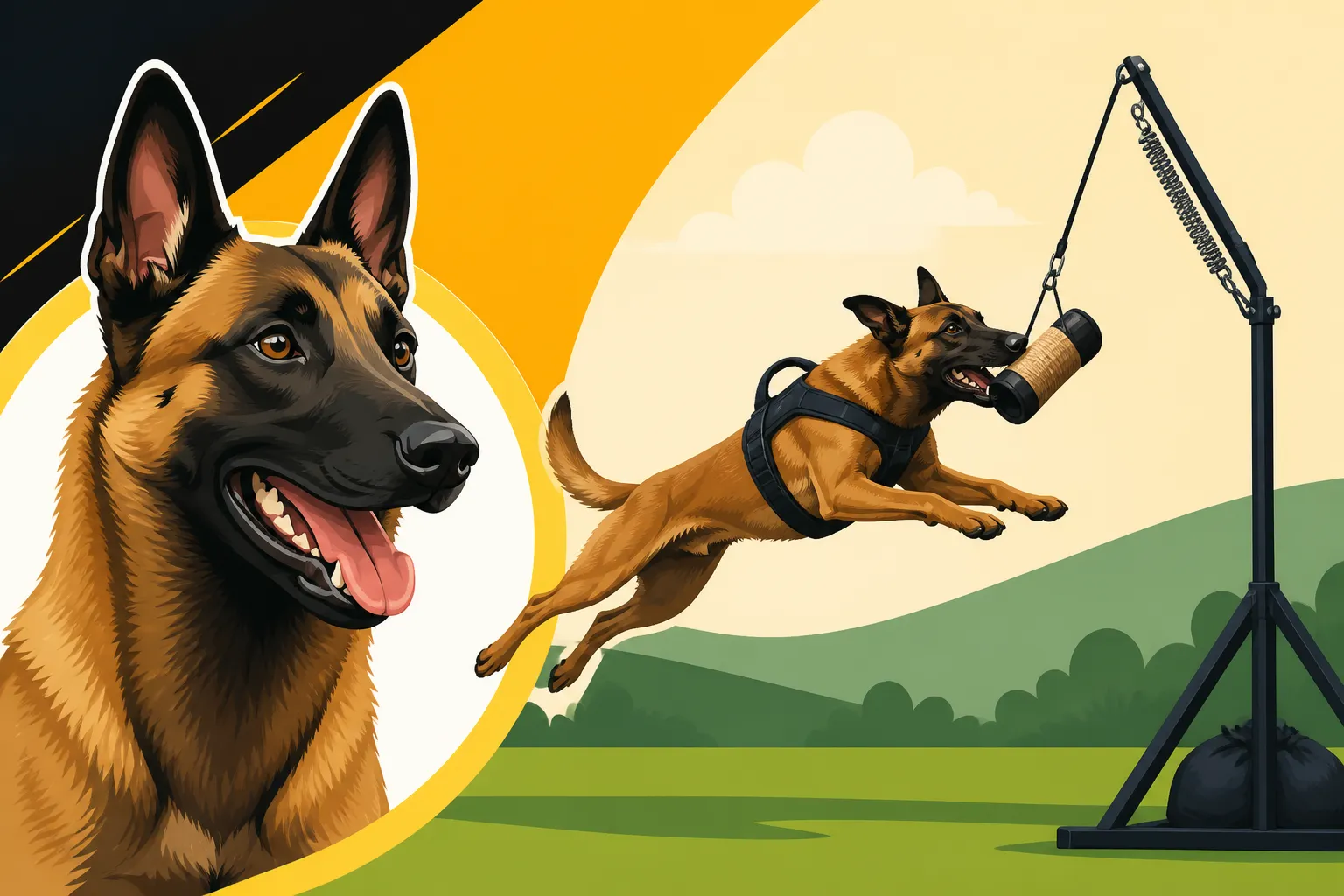
If you've spent any time around high-drive working dogs, you've likely seen or heard of a springpole. It looks deceptively simple: a sturdy spring attached to an anchor point, with a bite target dangling at the end. But for a Belgian Malinois, it's far more than just a toy. It's an opportunity to engage their natural instincts in a controlled, incredibly satisfying way. Think of it as a tug-of-war partner that never tires, constantly challenging their grip and endurance. It taps directly into that primal urge to hang on, shake, and fight, which is so deeply ingrained in these magnificent dogs.
The Core Concept and Why Malinois Love It
At its heart, a springpole capitalizes on a Malinois's immense prey drive and their powerful desire to grab and hold. The spring provides constant, dynamic resistance, mimicking the struggle of real prey or the work on a bite sleeve. When your Malinois latches onto the bite target – be it a firehose tug, a soft bumper, or a heavy-duty rope – the spring pulls back, forcing them to engage every muscle in their jaw, neck, and shoulders. This isn't just a static hang; the spring's elasticity makes it a live, unpredictable opponent that requires continuous effort and focus. For a breed like the Belgian Malinois, which thrives on challenge and problem-solving, this constant feedback is incredibly rewarding. It allows them to use their full physical power in a constructive manner, burning off steam and building incredible strength. You’ll often see a Malinois launch themselves into the air, twisting and turning, all while maintaining their vice-like grip, completely engrossed in the "battle."
Beyond Pure Exercise: Building Mental Fortitude and Grip
While the physical benefits of springpole work are obvious – improved muscle tone, endurance, and jaw strength – the mental stimulation is just as vital. For a Malinois, this isn't just a simple game of fetch. It requires sustained concentration and the ability to work independently. They have to decide how to hang, how to shake, and how to maintain their position against the spring's pull. This mental engagement, combined with the physical exertion, leads to a truly tired and satisfied dog, rather than one who is just physically exhausted but still buzzing with unused mental energy. Moreover, when done correctly, springpole work can significantly contribute to developing a full, strong grip, which is invaluable for any working Malinois, whether in protection sports or real-world application. It helps them learn to bite deeply and hold firmly, rather than just mouthing or superficial nipping. This structured engagement can also improve their overall confidence and resilience, as they learn to overcome the challenge presented by the constant tension.
Setting Up a Safe and Effective Springpole
Safety is absolutely paramount when setting up a springpole. A poorly constructed or inappropriately placed springpole can lead to serious injuries for your dog. We're talking about a high-drive, powerful animal throwing its weight around with incredible force, so every component needs to be robust, secure, and carefully considered. This isn't a project to rush or cut corners on.
Choosing the Right Spot and Equipment
First, select your location. You need a sturdy, immovable anchor point. A large, mature tree limb that is thick and healthy is often ideal. It needs to be high enough that your Malinois can comfortably reach the bite toy when standing on their hind legs, but not so high that they are jumping excessively to grab it initially. A height that allows them to hang with their front paws just barely touching or slightly off the ground is generally a good starting point, and you can adjust it as your dog gains strength and skill. Alternatively, a strong, securely anchored beam in an outdoor structure or even a heavy-duty, professionally installed metal pole designed for this purpose can work. Avoid anything flimsy or that could twist, splinter, or collapse under repetitive, intense strain.
For the spring itself, invest in a heavy-duty, industrial-grade spring designed for significant weight and repeated tension. Look for ones marketed specifically for canine springpoles or heavy-duty industrial applications. Do not use flimsy hardware store springs. The rope connecting the spring to the bite target should be tough and durable, like heavy-gauge climbing rope or specialized K9 training rope. Avoid cheap nylon ropes that can fray quickly or cause rope burns. The bite target itself is crucial: firehose tugs, thick leather bite pillows, or sturdy rope braids are excellent choices. You can find many robust options on Amazon that are designed for strong chewers and working dogs. Ensure it's large enough to provide a full, comfortable grip without being swallowed or creating a choking hazard. For additional options and advice on durable equipment, resources like BAXTER & Bella often recommend high-quality training tools that can translate well into springpole setup.
Prioritizing Safety to Prevent Injury
Once you have your location and equipment, proper installation and ongoing vigilance are key.
- Height Adjustment: As mentioned, the height should allow for a comfortable hang, not an extreme stretch or jump. Too low, and your dog might strain their neck or back; too high, and they could land awkwardly.
- Secure Attachment: Every knot, clip, and anchor point must be completely secure. Use appropriate climbing-grade carabiners and swivels to prevent tangles and allow for smooth rotation without twisting the rope. Double-check all connections before each session.
- Chew-Proofing: Ensure all ropes are robust and regularly inspected for fraying. If your Malinois starts to chew on the rope itself, replace it immediately or consider a heavier chain link in the upper section to prevent damage.
- Breakaway Points: Some handlers incorporate a "breakaway" or quick-release mechanism. While not strictly necessary, it can be useful in an emergency or to quickly end a session.
- Supervision is Non-Negotiable: Never leave your Malinois unattended on a springpole. Things can go wrong quickly, from entanglement to injury. You need to be present to ensure their safety and to intervene if necessary.
- Dental Health: Regularly check your Malinois's teeth for wear, chips, or damage. Chipped Canines on a Malinois From Sleeve Work is a real concern, and constant, aggressive gripping on certain materials can contribute to this. Choose softer, more forgiving bite targets if you notice any dental issues or have concerns about long-term tooth wear.
- Warm-up and Cool-down: Just like any intense physical activity, a brief warm-up (e.g., a brisk walk or some light tug) and cool-down are beneficial to prevent muscle strains. Muscle Strains in a Belgian Malinois can happen, especially with the sudden bursts of energy and force involved in springpole work.
Consider the ground beneath the springpole as well. A soft surface like grass or dirt is preferable to concrete or asphalt, which could cause injury if your dog falls or lands awkwardly.
Introducing Your Malinois to the Springpole
Introducing your Belgian Malinois to the springpole isn't just about letting them jump on it. It's about building excitement, teaching control, and ensuring they understand it as a structured activity, not just a free-for-all. This initial phase is crucial for establishing good habits and preventing potential issues down the line.
Building Drive and Engagement with a Purpose
Your Malinois likely already has incredible prey drive, but you want to channel it into the springpole. Start by using their favorite tug toy or bite pillow, the exact one you'll hang from the springpole. Engage in a vigorous game of tug with them, letting them win occasionally to build confidence and drive. Get them excited about that specific toy. Once they're fully engaged and gripping hard, you can subtly introduce the concept of the springpole.
Hold the bite target at the appropriate height and let them grab it from your hand, then gently allow the spring to take over the tension. Keep your presence supportive and encouraging. Some dogs might be a little hesitant at first, unsure about this inanimate tug partner that keeps pulling back. Don't force it. Play a little more with the toy in your hand, then reintroduce it to the spring. You can even try using a long line to gently guide them towards the target, making it a "chase" game that ends with them latching on. Remember, the goal is for them to choose to engage with the springpole, associating it with intense, satisfying play. This isn't just about hanging, it's about the mental stimulation of the 'hunt' and the physical satisfaction of the 'catch.' Many online training resources, like those offered by BAXTER & Bella, emphasize building solid engagement before introducing new tools, and this principle certainly applies here.
Teaching Proper Grip and the All-Important "Out" Command
Once your Malinois is enthusiastically engaging with the springpole, the next critical step is to teach them control. It's not enough for them to just hang there; they need to understand when and how to release the bite. This is where the "out" or "leave it" command becomes absolutely essential. Without it, the springpole can quickly become a compulsive, uncontrollable activity.
Start by letting your Malinois hang for short durations – perhaps 30 seconds to a minute – especially in the beginning. While they are hanging, praise them for their grip and engagement. Then, use your "out" command, perhaps coupled with a treat offered to their nose to encourage them to open their mouth. As soon as they release the bite target, even if it's just for a second, praise and reward heavily. Then, immediately re-engage them in a quick, enthusiastic game of tug with you or a brief re-engagement with the springpole if appropriate, to show them that "out" doesn't mean "fun is over." This helps reinforce that releasing on command leads to more positive interaction, not punishment. Teaching a Belgian Malinois to Out is a fundamental command for any dog, but it's especially vital for a Malinois engaging in high-drive activities.
As they become more proficient, you can gradually increase the duration of their hang time. Always aim for quality over quantity. A shorter, more intense, and controlled session that ends with a clear "out" is far more beneficial than a long, unsupervised, or uncontrolled session where they just hang until they're bored. Tug Rules for a Belgian Malinois are excellent guidelines to follow, emphasizing controlled play and clear boundaries, which apply directly to springpole work.
Maximizing Benefits and Avoiding Common Pitfalls
Springpole work, when implemented correctly, can be a fantastic tool in your Malinois training arsenal. However, like any high-intensity activity, it comes with risks if not managed properly. The key is balance, observation, and consistency.
Integrating Springpole Work into a Balanced Training Routine
Think of springpole work as one piece of a larger fitness and mental enrichment puzzle for your Belgian Malinois. It shouldn't be the only exercise they get, nor should it be an everyday, all-day activity. A good starting point might be 2-3 sessions per week, lasting anywhere from 5 to 15 minutes each, depending on your dog's age, fitness level, and the intensity of their engagement. How Many Hours a Belgian Malinois Should Work Daily is a complex question, but these intense, focused bursts of activity contribute significantly to that requirement without overdoing it.
Vary the intensity and duration. Some days might be shorter, more focused sessions on grip, while others might involve longer, endurance-building hangs. Always include a proper warm-up and cool-down period. Combine springpole work with other activities that challenge different aspects of your Malinois's abilities, such as obedience, tracking, agility, or even long, structured walks. This holistic approach ensures all their needs are met, preventing repetitive strain injuries and mental burnout. For a Malinois involved in protection sports, springpole work can complement their bite work by building foundational grip strength, but it should never replace the nuances of working with a decoy and sleeve. What Bite Sport Actually Asks of a Belgian Malinois is a good read to understand the broader demands of these sports.
| Aspect | Best Practice for Springpole Work | Potential Pitfalls to Avoid |
|---|---|---|
| Setup | Sturdy tree/beam, industrial spring, durable bite target | Flimsy anchor, weak spring, easily destructible toys |
| Introduction | Build drive with tug, associate toy with spring | Force interaction, assume instant engagement |
| Training | Teach "out" command, controlled durations, positive reinforcement | Allow uncontrolled hanging, ignore command issues |
| Frequency | 2-3 times/week, 5-15 minute sessions | Daily, prolonged sessions, no rest days |
| Supervision | Always present and engaged during sessions | Leaving dog unattended, letting them self-manage |
| Health Check | Regular dental checks, joint monitoring, observe fatigue | Ignoring dental wear, pushing tired dogs, lack of vet care |
Recognizing and Preventing Injury and Obsession
Perhaps the biggest dangers of springpole work lie in either overuse leading to injury or allowing the activity to become a compulsive, obsessive behavior.
Injury Prevention:
- Dental Issues: As mentioned, Whether Hard Bite Work Wears Malinois Teeth Down is a legitimate concern. Inspect your Malinois's teeth regularly for chips, cracks, or excessive wear. If you notice anything, consult your vet and consider switching to softer bite targets or reducing springpole frequency.
- Joint and Muscle Strain: The intense force involved can put strain on joints, neck, and back. Ensure the springpole height is correct, and don't allow your dog to jump wildly or land awkwardly repeatedly. Watch for any signs of limping, stiffness, or reluctance to engage. Pushing a young Malinois too hard before their growth plates are fully closed can lead to long-term orthopedic issues. Whether Too Much Exercise Makes a Malinois Worse is a crucial question to consider for any high-energy breed.
- Fatigue: Learn to read your dog's cues. Heavy panting, lagging energy, or a loss of focus are all signs it's time to end the session. Never push them past their physical limits. Proper hydration is also critical, especially during warmer weather. Checking a Belgian Malinois's Canines After Training should be a routine check after any bite-intensive work.
Preventing Obsession:
- Controlled Access: The springpole should not be available 24/7. It's a tool for structured exercise, not a permanent fixture for self-entertainment. Put it away when not in use or block access.
- "Out" Command Mastery: Reinforce that "out" means "release the toy, no questions asked." If your Malinois refuses to let go, you've lost control, and that's a problem that needs immediate attention. Never use physical force to remove them; instead, go back to basics with reward-based "out" training.
- Varied Enrichment: Ensure your Malinois has a diverse range of activities. If springpole work becomes their only outlet, it can easily lead to fixation. Offer puzzle toys, scent work, obedience, and social interaction to keep their minds and bodies well-rounded. A Malinois that only has one outlet can quickly become obsessive. If they only know how to focus on one thing, they might also struggle to cope if that one thing is removed or unavailable. What a Malinois Destroys in One Unsupervised Hour often comes down to boredom and lack of appropriate outlets.
Springpole work can be an incredible asset for your Belgian Malinois, offering a powerful outlet for their energy and instincts while building strength and discipline. But like any powerful tool, it demands responsible use, careful setup, and diligent supervision. When done right, it can contribute to a happy, healthy, and incredibly fulfilled working dog.
Disclaimer
This article is for general informational purposes only and does not constitute professional advice. Laws, prices and regulations vary by location and change over time. Consult a qualified professional for guidance on your specific situation.