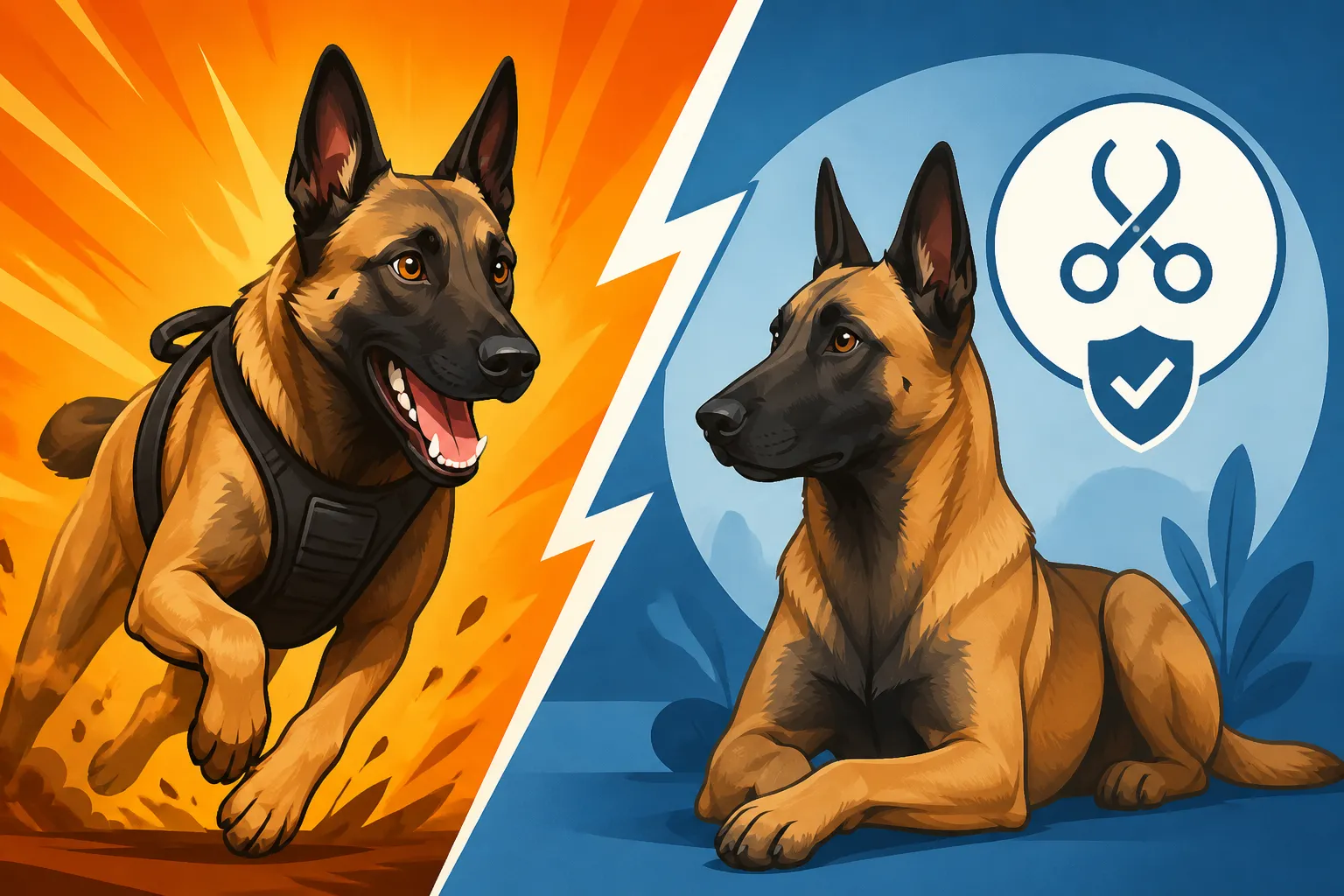
Whether Neutering Takes Any Edge Off a Malinois
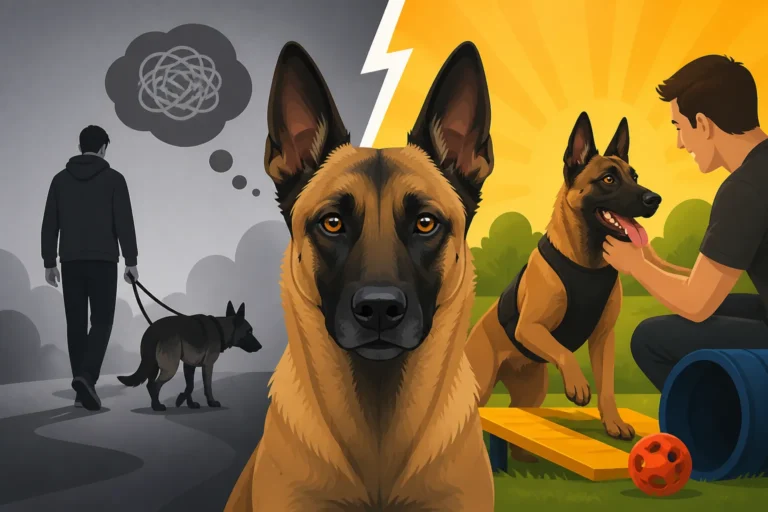
One of the most common questions I hear from owners, especially those new to the breed, is about how neutering will impact their Belgian Malinois's intense personality. It's a valid concern, often rooted in the hope that removing a dog's reproductive organs might somehow dial down that famous "Maligator" drive or aggressive tendencies. The truth is, while neutering can absolutely influence certain behaviors, it's rarely the magic bullet some people hope for when it comes to fundamental temperament or innate drive. This guide will explore the nuances of how neutering might affect a Malinois, what it won't change, and why training remains paramount.
Understanding "Edge" in a Belgian Malinois
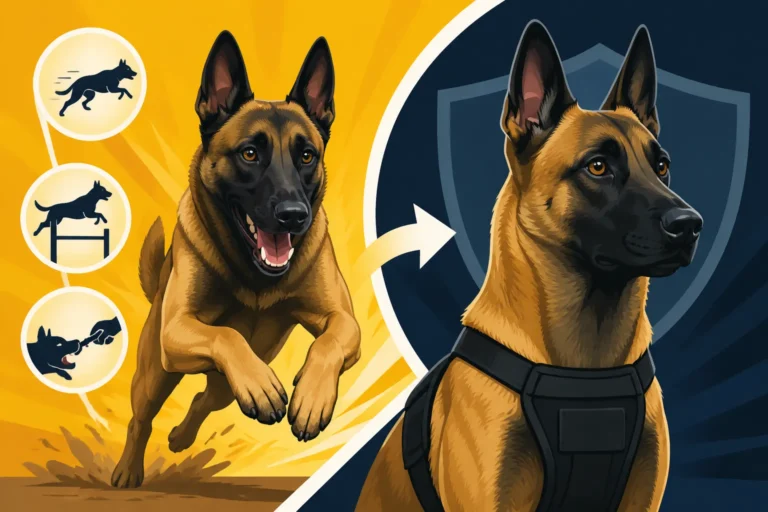
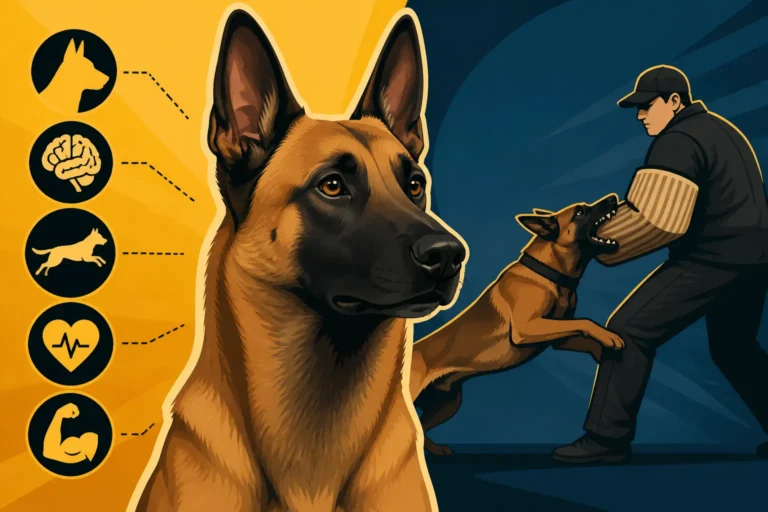
When we talk about a Belgian Malinois having an "edge," we're usually referring to a combination of traits that make this breed so unique and, frankly, so challenging for the unprepared owner. It's that unyielding intensity, the relentless drive, the keen awareness, and sometimes, a certain level of aloofness or protective instinct.
What Makes a Malinois "Edgy"?
The "edge" in a Belgian Malinois isn't just one thing; it's a tapestry woven from several inherent characteristics. First and foremost is their genetic blueprint, honed over generations for demanding working roles like herding, protection, and military service. This breeding selects for high prey drive, intense focus, unwavering tenacity, and a strong will to work. They are genetically wired to be alert and reactive, always scanning their environment for something to do or something to address. This isn't a dog designed to be a laid-back couch potato; they thrive on purpose and challenge. The Herding Job the Belgian Malinois Was Built For speaks volumes about their origins and inherent traits.
Secondly, their athleticism plays a huge role. They possess incredible stamina, speed, and agility, meaning they have the physical capacity to match their mental drive. An "edgy" Malinois often expresses this through constant motion, high arousal levels, and a need for extreme outlets for their energy. Think about the way they launch themselves into action, seemingly out of nowhere, or how they maintain focus on a decoy even amidst chaos. This physical prowess, combined with their mental acuity, creates that distinct intensity.
Differentiating Drive from Aggression
It’s absolutely crucial to understand the difference between high drive and actual aggression, because neutering will impact these two very differently. High drive is the engine of the Malinois; it's what makes them incredible working dogs. It's their inherent motivation to pursue, to engage, to solve problems, and to work tirelessly. A dog with high prey drive will chase a ball or a sleeve with incredible ferocity, not because they're angry, but because that pursuit is deeply satisfying to them. Similarly, high defense drive means they're quick to react to perceived threats, which can manifest as barking, posturing, or even biting. These are natural instincts, refined by breeding.
Aggression, on the other hand, is generally defined as threatening or harmful behavior directed toward another individual, often stemming from fear, resource guarding, or territoriality. While a Malinois's high drive can look aggressive, especially to an untrained eye, true aggression is usually a separate issue. A dog might be highly driven but perfectly stable and non-aggressive. Conversely, a dog could be low drive but still aggressive due to poor socialization, fear, or underlying behavioral issues. Neutering might take a slight "edge" off some forms of aggression linked to hormones, such as inter-male aggression, but it won't address aggression rooted in fear or poor training. Many owners mistake their Malinois's intense focus and rough play for aggression, when it's often just raw, unchanneled drive.
The Hormonal Role in Malinois Behavior
Hormones, specifically sex hormones, undeniably play a role in a dog's behavior. They influence everything from reproductive urges to certain social interactions and even physical development. Understanding this link helps in setting realistic expectations for what neutering can actually achieve.
Testosterone's Influence on Male Malinois
For male Malinois, testosterone is the primary sex hormone, and it's a powerful one. It's responsible for the development of male secondary sexual characteristics and plays a significant role in several behaviors that often contribute to an "edgy" perception. One of the most common issues is inter-male aggression. Intact males are often more prone to challenging other intact males, especially if there's a female in heat nearby. This isn't just about dominance; it's a deep-seated instinct driven by competition for breeding rights.
Testosterone also fuels roaming and escape behaviors. An intact male Malinois, driven by the scent of a female in heat, can become incredibly focused on escaping the yard or kennel, exhibiting behaviors of extreme persistence and determination. They might clear Fencing That a Belgian Malinois Cannot Clear or ignore known boundaries in pursuit of that scent. This can be a huge source of frustration and danger for owners.
Another common testosterone-driven behavior is urine marking. While marking isn't exclusive to intact males, it's often more frequent and pronounced in them, serving as a territorial and sexual advertisement. This can be a nuisance indoors and a sign of high arousal outdoors. Some intact males might also exhibit increased mounting behavior, both toward other dogs and even inanimate objects or people, which can be socially awkward and a sign of over-excitement or stress. Neutering can often significantly reduce these hormonally-driven behaviors, making life a bit calmer, especially in multi-dog households or urban environments.
Estrogen and Progesterone's Role in Female Malinois
While often overlooked when discussing "edge," female hormones (estrogen and progesterone) also have a profound impact on behavior. Intact female Malinois experience regular heat cycles, which typically occur twice a year. During proestrus and estrus, they can become highly attractive to intact males, leading to unwanted attention and the potential for unplanned pregnancies. This period also often brings behavioral changes in the female herself. Some females become more anxious, clingy, or even moody during heat. Others might become more irritable or reactive toward other dogs, particularly other females.
Beyond the physical heat, intact females can also experience phantom pregnancies, or pseudopregnancy. This is a fascinating physiological phenomenon where a non-pregnant female develops physical and behavioral signs of pregnancy and even lactation, driven by the hormonal fluctuations after a heat cycle. During a phantom pregnancy, a Malinois might nest, guard toys as if they were puppies, become unusually protective, or show increased irritability. This "maternal aggression" can certainly add an "edge" to their behavior during these times.
Spaying a female Malinois eliminates heat cycles, phantom pregnancies, and the associated hormonal fluctuations. This can lead to a more consistent temperament, reduce the risk of mammary tumors and pyometra (a serious uterine infection), and remove the stress of managing intact females around intact males.
Direct Impact of Neutering on Specific Behaviors
So, after discussing the hormones, let's get down to brass tacks: what specific behavioral changes might you actually see after neutering your Malinois?
Changes You Might See in Male Malinois
For male Malinois, the most noticeable behavioral shifts post-neutering are typically related to the reduction in testosterone-driven behaviors.
- Reduced Roaming/Escaping: The strong urge to find a mate significantly diminishes, making an intact male much less likely to tunnel under fences or bolt out the door in pursuit of a scent. This doesn't mean they'll stop trying to escape if they're bored or untrained, but the hormonal compulsion lessens.
- Decreased Urine Marking: While some marking might persist as a learned habit or a response to anxiety, the frequent, hormonally-driven marking often subsides.
- Lowered Inter-Male Aggression: This is one of the most significant potential benefits. The intense competitive drive against other intact males often decreases, though it won't erase existing learned aggressive behaviors or address issues with fear-based aggression. If your Malinois has a history of fighting, neutering is a helpful tool but not a guarantee. You'll still need careful management and training.
- Reduced Mounting Behavior: For many, the incessant mounting of other dogs or people can be reduced, especially if it was primarily driven by sexual frustration or over-arousal.
It's important to note that these changes are more likely and more pronounced if the dog is neutered before these behaviors become deeply ingrained habits. An older Malinois who has been marking his territory for years might continue out of habit, even without the hormonal push.
Changes You Might See in Female Malinois
For female Malinois, the impacts are generally more straightforward and revolve around the elimination of the heat cycle.
- Elimination of Heat-Related Stress and Attraction: Owners no longer have to manage the bi-annual heat cycles, which means no more worrying about intact males congregating outside your yard or managing the female's own behavioral shifts during that time.
- Prevention of Phantom Pregnancies: The bizarre and often distressing behavioral and physical symptoms of pseudopregnancy cease to be an issue. This can lead to a more stable emotional state for the female.
- Reduced Risk of Hormonally Driven Reactivity: If a female Malinois showed increased irritability or reactivity towards other dogs or people specifically during her heat cycles or phantom pregnancies, spaying can help to stabilize this.
Again, learned behaviors or underlying temperament issues won't disappear with spaying. If a female Malinois is aggressive due to fear or poor socialization, spaying won't fix that.
Behaviors Neutering Won't Change
This is where many owners often have unrealistic expectations. Neutering is not a magic wand for temperament issues, nor will it inherently dull a Malinois's incredible drive or "edge."
- Innately High Drive: A Malinois's drive for work, for toys, for engagement—this is largely genetic and deeply ingrained, not primarily hormone-dependent. Neutering won't make a high-drive Malinois suddenly become low-drive. They will still require significant mental and physical exercise, whether intact or altered. Two Hours and a Job a Belgian Malinois Demands Daily remains true regardless of their reproductive status.
- Learned Behaviors: If your Malinois pulls on the leash, jumps on guests, or guards resources, these are learned behaviors that require consistent training and management. Hormones play a minimal role in these, if any. Neutering won't magically make your dog polite.
- Fear-Based Aggression: Aggression stemming from fear, anxiety, or trauma is not typically resolved by neutering. In some cases, removing hormones might even, theoretically, make a fearful dog slightly more anxious, as hormones can sometimes offer a buffer. Addressing fear requires desensitization, counter-conditioning, and building confidence, often with the help of a professional behaviorist.
- Genetic Predisposition to Temperament: Just like their physical traits, a Malinois's core temperament—their nerve, resilience, social tendencies—is largely genetic. Neutering won't fundamentally change a shy dog into a bold one, or an over-the-top reactive dog into a mellow one. It can reduce some expressions of genetically predisposed behaviors (like inter-male aggression), but the underlying wiring remains.
- Lack of Training or Socialization: A Malinois that hasn't been properly socialized as a puppy or given appropriate structure and training will still exhibit problem behaviors whether neutered or not. This includes reactivity, poor impulse control, and inappropriate guarding. Remember, The Shark Phase Every Malinois Puppy Goes Through needs consistent guidance, not just hormonal alteration.
The Nuance of Drive and Training
Ultimately, the decision to neuter or not should be a carefully considered one, weighing behavioral benefits against potential health implications and understanding that training is always the biggest factor.
Why Drive Isn't Just Hormonal
While hormones certainly contribute to certain aspects of drive (like sexual pursuit), the core, unyielding drive that defines a Belgian Malinois is far more complex than just testosterone or estrogen. It's a combination of genetics, early life experiences, and the environment they're raised in. A Malinois is bred to work, to have an inherent desire to engage, to solve, to persist. This drive is largely neurological and psychological.
Think about a Malinois who lives for their tug toy or for tracking a scent. This intensity isn't going to vanish because their sex hormones are removed. Their drive to perform, their focus, their athleticism—these are intrinsic. In fact, many high-level sport and working Malinois are neutered after they've matured and proven their worth in competition or service, and their drive for the job remains fully intact. The decision for many working line dogs often comes down to managing sexual distractions versus preserving every possible physical advantage in a high-impact sport.
The Primacy of Training and Management
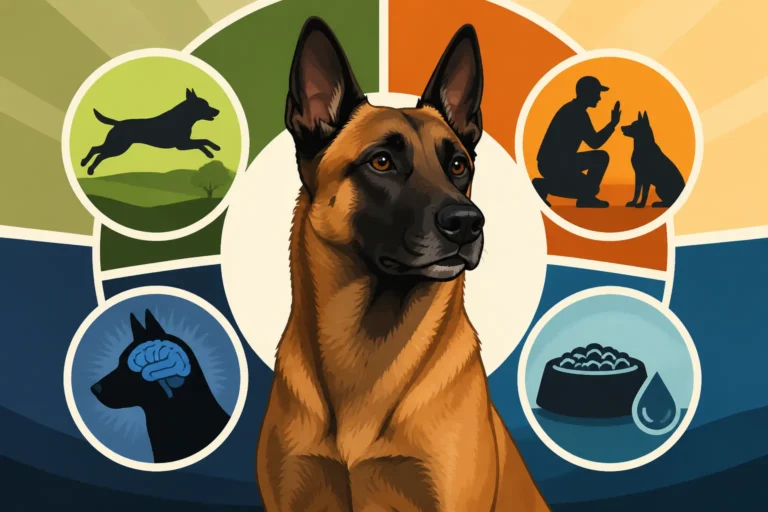
This is the absolute cornerstone of owning any Malinois, neutered or intact. Your Malinois's "edge" is going to be shaped far more by what you put into their training and management than by whether or not they've been altered.
- Consistent Structure: Malinois thrive on routine and clear expectations. They need to know what's allowed and what's not, and those boundaries need to be consistently enforced.
- Early and Ongoing Socialization: Exposing a Malinois puppy to a wide variety of sights, sounds, people, and appropriate dogs is critical. This builds confidence and helps them learn to navigate the world without undue fear or reactivity. Organizations like BAXTER & Bella offer excellent online resources for puppy socialization and training, which can be invaluable for new Malinois owners.
- Engagement and Relationship Building: A Malinois needs to work with you. Building a strong relationship through positive reinforcement, play, and mutual respect is what allows you to channel their intense drive effectively. Using tools like durable tugs (easily found on Amazon) for reward-based training can be incredibly effective in channeling prey drive.
- Appropriate Outlets for Drive: If you don't give your Malinois a job, they will find one, and you likely won't like it. This means providing outlets for their prey drive, their intelligence, and their physical energy. This could be bite work, agility, obedience, scent detection, or even complex puzzle toys. Channeling a Belgian Malinois's Prey Drive Into a Tug is a prime example of how to direct their natural tendencies.
Ultimately, neutering might make certain hormonal behaviors easier to manage, but it doesn't replace the fundamental need for comprehensive training and dedicated ownership. Many owners report that their Malinois is calmer after neutering, but it's often because the owner can now focus more effectively on training without the added complication of hormonal fluctuations or distractions.
Long-Term Health Considerations Beyond Behavior
The decision to neuter or spay isn't just about behavior; it also has significant long-term health implications that responsible owners should consider. While neutering eliminates the risk of testicular cancer and reduces the risk of prostate issues in males, and spaying prevents uterine infections (pyometra) and greatly reduces the risk of mammary cancers in females, there are also potential downsides.
Research has shown correlations between early spay/neuter and an increased risk of certain orthopedic conditions, such as hip and elbow dysplasia, and torn cruciate ligaments, especially in larger breeds like the Malinois. This is thought to be due to the impact of sex hormones on growth plate closure. Some studies also suggest a potential increased risk for certain other cancers or hypothyroidism with early alteration.
This is a complex area, and the "right" timing for neutering can be a topic of much debate among Malinois breeders, vets, and enthusiasts. Some advocate for waiting until a Malinois is fully mature (e.g., 18-24 months) to allow growth plates to close and full hormonal development to occur, while others prioritize the immediate behavioral and reproductive health benefits of early alteration. It's vital to discuss these considerations thoroughly with your veterinarian, taking into account your individual dog's health, lifestyle, and your specific goals. For instance, Whether Spay Timing Changes a Malinois's Joints is a discussion worth having with your vet.
In conclusion, while neutering can be a valuable tool for managing specific hormonally driven behaviors in a Belgian Malinois—like inter-male aggression or the intense drive to roam for a mate—it is not a substitute for robust training, diligent socialization, and a deep understanding of the breed's intrinsic needs. The "edge" of a Malinois, that potent combination of drive, intelligence, and athleticism, is largely genetic and will persist regardless of their reproductive status. Your commitment to providing a job, consistent structure, and a strong partnership will always be the most powerful influence on your Malinois's behavior.
Behavior Impacted by Neutering vs. Training
| Behavior Category | Primarily Influenced by Neutering (Hormonal) | Primarily Influenced by Training & Management (Learned/Genetic) |
|---|---|---|
| Male Malinois | Inter-male aggression (especially with other intact males) | Dog-dog aggression (fear-based, resource guarding) |
| Roaming/escaping in search of mates | Bolting (due to lack of recall), escaping (due to boredom/lack of management) | |
| Frequent urine marking indoors/outdoors | Learned marking habits, anxiety marking | |
| Excessive mounting (sexual frustration) | Mounting (as a stress/over-arousal coping mechanism) | |
| Female Malinois | Heat cycle behaviors (attraction of males, moodiness, irritability during heat) | Reactivity to other dogs/people (fear-based, poor socialization) |
| Pseudopregnancy behaviors (nesting, guarding phantom puppies, maternal aggression) | Resource guarding, protective behaviors (not directly tied to false pregnancy) | |
| General Malinois | Some expressions of territorial aggression (hormone-amplified) | General territoriality, reactivity to strangers, alarm barking (requires training) |
| High prey drive, intense focus, desire to work (inherently part of the breed) | ||
| Destructive chewing, digging, barking (due to boredom, anxiety, lack of outlets) | ||
| Impulse control issues, leash pulling, jumping (lack of obedience training) | ||
| Fearfulness, anxiety, shyness (primarily genetic/socialization-related) |
Disclaimer
This article is for general informational purposes only and does not constitute professional advice. Laws, prices and regulations vary by location and change over time. Consult a qualified professional for guidance on your specific situation.