Whether a Malinois’s Bite Should Be Checked Yearly
If you're a Belgian Malinois owner, you know these dogs are built differently. Their intensity, their drive, and frankly, their bite are a force of nature. This incredible drive, while amazing for work and sport, places unique and constant demands on their teeth and jaws. Many owners wonder if a yearly professional check on their Malinois's bite is truly necessary, especially when their dog seems to be eating and working just fine. This guide will delve deep into why these annual dental assessments are not just a good idea but a critical part of maintaining your Malinois's health, performance, and overall well-being, helping you avoid painful and costly issues down the line.
The Unique Demands Placed on a Malinois's Mouth
A Belgian Malinois's mouth is not just for eating; it's a primary tool for their work, their play, and how they interact with their world. This intense usage means their oral health needs are far more complex and demanding than many other breeds. Ignoring these unique pressures can lead to significant problems that impact not only their comfort but also their ability to perform.
High Drive, Hard Bite, and Constant Engagement
Think about what a Malinois does with its mouth. They are renowned for their powerful, full-mouth grip in protection sports, often engaging with tough bite sleeves and full suits. Even in a pet home, their high prey drive often translates into rigorous tug-of-war sessions with robust toys and an insatiable need to chew, chew, chew. This isn't just casual gnawing; this is a dog putting immense pressure on its teeth, jaw, and supporting structures, day in and day out.
This constant, high-impact engagement means their teeth are under perpetual stress. Imagine your own teeth enduring that kind of force repeatedly – it's easy to see how wear and tear can accumulate. From the incisors used for precise grips to the powerful canines for holding, and the molars for crushing, every tooth is a working component. This sustained activity means that even subtle issues can quickly escalate into painful problems, affecting everything from their appetite to their enthusiasm for training. It's a fundamental difference from a dog whose main dental activity is crunching kibble and an occasional chew toy.
Beyond Just "Clean" Teeth: Jaw Alignment and Structure
When we talk about a Malinois's bite, we're not just referring to whether their teeth are sparkling white. While tartar buildup and gum disease are certainly concerns, a professional bite check for a Malinois goes much deeper, assessing the entire structure and mechanics of their mouth. The way their upper and lower jaws align, how their teeth meet, and the health of the temporomandibular joint (TMJ) are all critical for a fully functional and pain-free bite.
Improper jaw alignment, known as malocclusion, can cause significant issues. While some are genetic and evident from puppyhood Puppy Teeth a Malinois Fails to Shed, others can develop or worsen over time due to trauma or uneven wear. A misaligned bite might lead to teeth grinding, abnormal wear patterns, or even teeth digging into the gums or palate, creating painful sores and increasing the risk of infection. For a working dog, any discomfort in their mouth can compromise their focus, grip strength, and overall performance. A thorough yearly check helps identify these structural nuances before they become debilitating, ensuring their bite remains a finely tuned instrument rather than a source of chronic pain.
What a Comprehensive Yearly Dental Check-Up Entails
A proper dental check-up for a Belgian Malinois goes far beyond a quick peek in the mouth. It's a methodical process designed to uncover both obvious and hidden problems, many of which can only be detected with advanced tools and, often, with the dog safely sedated.
The Visual and Palpation Examination
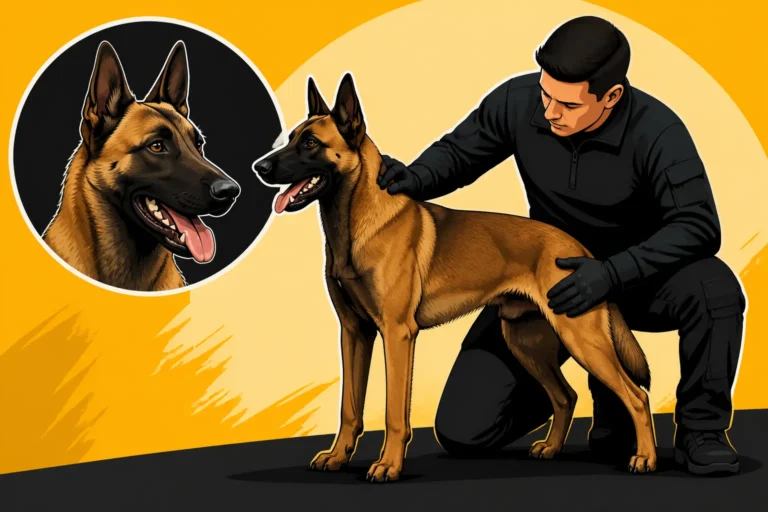
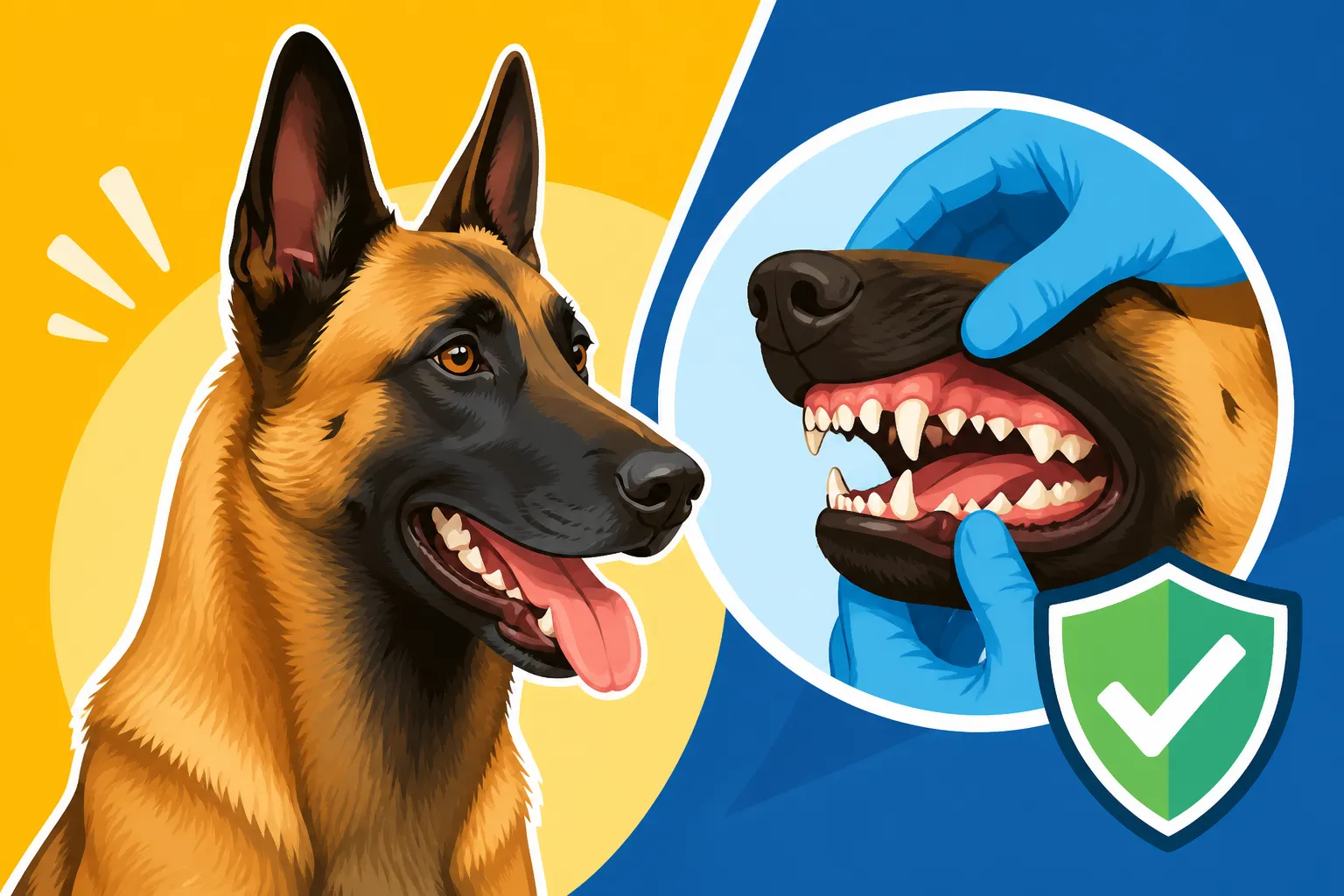
The first step in any dental assessment is a thorough visual and manual examination while your Malinois is awake. Your veterinarian will carefully open your dog's mouth, examining each tooth surface, the gums, tongue, and the soft tissues of the mouth. They'll look for immediate red flags: visible tartar accumulation, inflamed or bleeding gums (gingivitis), chipped or fractured teeth, missing teeth, or any suspicious lumps or bumps on the gums or inside the cheeks.
They’ll also palpate the jaw and surrounding muscles, feeling for any asymmetry, swelling, or signs of pain or discomfort in the TMJ. This initial assessment can reveal a lot, but it’s important to remember that a significant portion of dental disease, particularly below the gumline or within the tooth itself, is invisible to the naked eye. This is why a conscious exam is only the first layer of a truly comprehensive check. If your Malinois is particularly high-strung or stressed, even this initial look can be a challenge, underscoring the breed's unique needs in a vet setting.
The Importance of Anesthesia for a Full Oral Assessment
While a conscious exam is useful, the gold standard for a complete dental assessment and cleaning in a Belgian Malinois—or any dog—requires anesthesia. I know, the thought of putting your high-octane Malinois under can be daunting Why Anesthesia Needs Discussing Before a Malinois Goes Under. However, it's absolutely crucial for several reasons. First, a Malinois, with its intense nature, is unlikely to allow a vet to thoroughly probe gum pockets, scale teeth effectively, or take X-rays while awake. Anesthesia ensures the dog is still, comfortable, and pain-free, allowing for a meticulous examination.
Under anesthesia, your vet can perform dental radiographs (X-rays), which are arguably the most critical part of the assessment. These X-rays allow them to see below the gumline, revealing hidden problems like root abscesses, bone loss, unerupted teeth, or internal tooth fractures that would otherwise go undetected until they caused severe pain. This also allows for a detailed probing of gum pockets to check for periodontal disease, followed by professional scaling to remove plaque and tartar both above and below the gumline, and finally, polishing the teeth to create a smooth surface that resists future plaque adhesion. Without this level of detail, you’re only addressing a fraction of potential issues.
Common Dental Issues in Belgian Malinois and Their Consequences
Given their active lifestyles and powerful jaws, Belgian Malinois are particularly susceptible to certain dental problems. Recognizing these and understanding their impact is key to proactive care.
Chipped, Fractured, and Worn Teeth
This is, unfortunately, an all too common scenario for Malinois owners, especially if their dogs are involved in bite sports or are simply enthusiastic chewers. The powerful grip on a hard sleeve, the impact of a fall during agility, or even chewing on inappropriate items can lead to chipped or fractured teeth. Often, it's the large canine teeth or the strong carnassial molars that bear the brunt. You might notice a small chip, or a more severe fracture that exposes the sensitive pulp cavity, which is excruciatingly painful. Chipped Canines on a Malinois From Sleeve Work is a significant concern for many.
When the pulp is exposed, bacteria can enter, leading to infection and abscess formation. This isn't just about pain; it can affect their ability to bite effectively, hold objects, or even eat comfortably. Treatment options vary based on the severity and location of the fracture. Minor chips might be smoothed, but deeper fractures often require a root canal to save the tooth Whether a Belgian Malinois Needs a Root Canal, or, if salvage isn't possible, extraction. These procedures are complex and can be expensive, as detailed in articles like The Cost of Repairing a Malinois's Broken Canine. Prevention through careful selection of chew toys Chews That Will Not Fracture a Malinois's Canines and regular veterinary checks can mitigate these risks.
Gum Disease and Periodontal Issues
While Malinois might seem to have "strong" teeth, they are by no means immune to periodontal disease, which affects the gums and the supporting structures of the teeth. Plaque, a sticky film of bacteria, constantly forms on teeth. If not removed, it hardens into tartar, leading to gingivitis – inflammation of the gums. You might notice redness, swelling, or bleeding when your dog chews.
If gingivitis is left untreated, it progresses to periodontitis, where the inflammation spreads, destroying the bone and ligaments that hold the teeth in place. This can lead to receding gums, deep pockets around the teeth where more bacteria thrive, and eventually, tooth mobility and loss. Even without visible chips, a dog can have significant pain and infection below the gumline. Good oral hygiene, including professional cleaning What Scaling a Malinois's Teeth Costs Under Sedation and at-home care, is essential to prevent this insidious disease, which can also have systemic health implications, affecting the heart, kidneys, and liver if bacteria enter the bloodstream.
Addressing Puppy-Specific Dental Concerns
For Malinois puppies, dental care starts early. Their mouths are a flurry of activity as they transition from needle-sharp puppy teeth to their permanent set. This period, often dubbed the "shark phase" due to their incessant biting and nipping, is critical for dental development. One common issue at this stage is retained deciduous (puppy) teeth. Sometimes, a puppy tooth doesn't fall out as the permanent tooth erupts, causing overcrowding and trapping food particles, leading to early plaque buildup and potential misalignment of the adult teeth. This is something your vet will routinely check for during puppy visits.
If ignored, retained teeth can push permanent teeth into incorrect positions, impacting the overall bite and creating discomfort. Early intervention, often through extraction of the retained tooth, is usually simple and prevents future complications. Discussing Puppy Teeth a Malinois Fails to Shed with your breeder and vet is a smart move. Ensuring your Malinois puppy has appropriate chew toys that are tough enough to satisfy their instinct but not so hard as to damage erupting adult teeth is also crucial during this formative period.
Proactive Oral Health Management for Your Malinois
Maintaining your Malinois's oral health isn't just about crisis management; it's about a consistent, proactive approach that combines daily care with regular professional oversight. This commitment will help keep their powerful bite sound and pain-free for years of work and play.
Daily Care and Responsible Chewing
One of the most impactful things you can do for your Malinois's teeth is to establish a routine of daily home care. Yes, brushing a Malinois's teeth can be a test of wills, but even a few minutes each day or every other day can significantly reduce plaque and tartar buildup. Start slow, using a finger brush and dog-specific toothpaste, making it a positive experience with rewards. Consider the dental care aisle on Chewy for various brushes, pastes, and dental rinses specifically formulated for dogs.
Beyond brushing, responsible chewing is paramount. Malinois need to chew, but not all chew toys are created equal. Avoid anything that is harder than your dog's tooth enamel, such as antlers, natural bones, or hard nylon chews, which are notorious for causing slab fractures and broken teeth. Instead, opt for softer rubber toys, dental-specific chews, or edible dental treats. Even some fresh food options can contribute to dental health; for example, brands like Ollie sometimes offer formulas that are less sticky and can help reduce plaque. Regularly inspect your dog’s chew toys for wear and tear, replacing them when they become too small or damaged. You can find a vast selection of appropriate chew toys on Amazon as well, but always prioritize safety and suitability for your Malinois's powerful jaws.
Partnering with Your Vet for Long-Term Oral Health
Your veterinarian is your most valuable partner in maintaining your Malinois's oral health. Beyond annual wellness exams, dedicated yearly dental checks are invaluable. These appointments allow your vet to spot subtle changes or emerging problems before they become severe. Don't wait until you notice bad breath, changes in eating habits, or a reluctance to engage with toys; by then, the problem is often advanced and more complicated to treat.
Be open with your vet about your Malinois's lifestyle. If they are in bite sports, discuss the potential impact of equipment on their teeth. If they are a relentless chewer, talk about the best preventative strategies. They can guide you on the frequency of professional cleanings under anesthesia, which some working Malinois might need more often than once a year, especially if they are prone to tartar buildup or have a history of dental issues. Understanding that dental health is integral to overall well-being, performance, and longevity is key for any Malinois owner. This consistent partnership with your vet helps ensure your dog lives a full, active, and pain-free life.
| Aspect of Dental Care | Description | Benefits | Limitations |
|---|---|---|---|
| At-Home Brushing | Daily or every-other-day brushing with dog-specific toothpaste. | Reduces plaque/tartar buildup, freshens breath, promotes gum health. | Difficult for some dogs, only reaches visible surfaces, requires consistency. |
| Dental Chews/Treats | Specially formulated chews designed to scrape plaque as the dog chews. | Supplements brushing, can be a reward, helps with mild plaque. | Not a substitute for brushing, calorie dense, some are too hard. |
| Oral Rinses/Additives | Water additives or rinses to reduce bacteria in the mouth. | Easy to administer, can help control bacteria. | Limited effectiveness against established plaque/tartar. |
| Conscious Exam | Quick visual check by a vet during a regular appointment. | Identifies obvious issues, allows for discussion of concerns. | Misses sub-gingival disease, pain, or fractures; dog may not cooperate. |
| Anesthetized Dental | Full cleaning, scaling, polishing, and X-rays under general anesthesia. | Detects and treats sub-gingival disease, ensures thorough cleaning. | Requires anesthesia, more costly, typically once a year. |
Disclaimer
This article is for general informational purposes only and does not constitute professional advice. Laws, prices and regulations vary by location and change over time. Consult a qualified professional for guidance on your specific situation.