Wiping a Belgian Malinois Down After Field Work
Anyone who trains or lives with a Belgian Malinois knows the familiar sight: a dog that comes bounding in from a vigorous field session looking less like a sleek, fawn-colored companion and more like a walking dirt magnet. It’s not just about keeping your house clean; neglecting a thorough wipe-down after field work can lead to skin irritations, paw issues, and even embed ticks or burrs. This guide will walk you through an effective post-field work cleaning routine to keep your Malinois healthy, comfortable, and ready for the next adventure without tracking the entire outdoors inside.
Why a Post-Field Wipe-Down Is More Than Just Tidiness
Let’s be honest, living with a Malinois often means living with a certain level of grit. These dogs are purpose-bred to work, and that often means getting down and dirty, whether they’re tracking through a muddy field, practicing bite work in a dusty arena, or plunging into a creek during a search and rescue exercise. When they come inside, it’s not just a little paw print you’re dealing with; it’s a whole ecosystem of outdoor elements that can impact their health and your home environment. Ignoring the dirt and debris can lead to a host of problems far beyond a messy floor.
Preventing Skin Irritations and Hot Spots
That short, dense coat on a Malinois is fantastic for protection and athleticism, but it's not impermeable to allergens, irritants, or moisture. Imagine your dog running through tall grass, rolling in leaves, or splashing through muddy puddles. All that organic material, dust, pollen, and even stagnant water can get trapped against their skin. If not removed, this can create a breeding ground for bacteria or fungi, leading to itchy hot spots, dermatitis, or other skin infections that are incredibly frustrating to treat. I've seen countless Malinois owners caught in the cycle of vet visits and special shampoos, all stemming from what seemed like simple outdoor grime. A quick, diligent wipe-down is your first line of defense. Hot Spots on a Malinois After Water Training is a common issue that can often be mitigated by good post-activity care.
Beyond just the visible mud, consider the microscopic irritants. Pollen from blooming plants, invisible dust mites, or even residue from agricultural fields can settle on their coat. For dogs with sensitivities, this can trigger allergic reactions that manifest as incessant scratching or chewing. Think of it like taking off your own dusty clothes after working outside; your Malinois needs the same relief. Leaving these irritants on their skin allows them to continually agitate sensitive areas, prolonging discomfort and potentially escalating minor issues into significant veterinary concerns.
Protecting Paws and Preventing Injuries
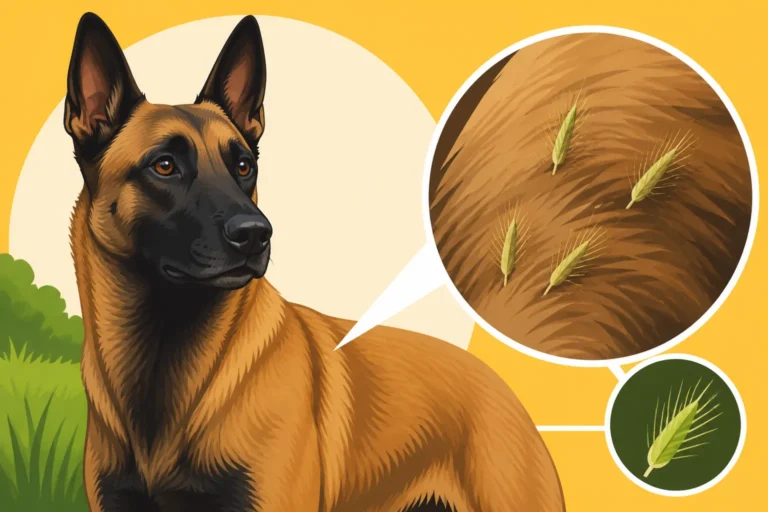
A Malinois's paws are their primary tools for movement and work. Whether they're pounding the pavement, scrambling over rough terrain, or pushing off in jumps, those pads and the spaces between their toes take a beating. After field work, their paws can harbor all sorts of nasties: thorns, sharp stones, burrs, foxtails, or even tiny shards of glass. If these foreign objects aren't removed promptly, they can migrate deeper into the paw, causing painful abscesses or infections. I once had a client whose Malinois developed a severe limp only after a few days because a tiny, almost invisible burr had worked its way between its toes and caused an infection.
Furthermore, mud and moisture can soften the paw pads, making them more susceptible to cuts and abrasions. Constant dampness can also lead to yeast or bacterial infections between the toes, characterized by redness, itching, and an unpleasant odor. Cleaning and drying their paws thoroughly after every outing, especially those involving wet or dirty conditions, is non-negotiable for their long-term soundness. It’s also an excellent opportunity to perform a quick visual inspection for any early signs of injury or irritation, catching problems before they become severe. For more on this, you might find Pad Injuries on a Belgian Malinois in Training helpful.
Keeping Your Home Environment Clean
This one is perhaps the most immediate and relatable frustration for Malinois owners. You’ve just finished a fantastic training session, your dog is happy and tired, but the moment they step through your door, they’re depositing a trail of mud, dirt, and whatever else they encountered. This isn't just an aesthetic problem; it’s a hygiene issue. That dirt becomes airborne dust, tracked into carpets, furniture, and even your bed. For those with allergies, the added dander and outdoor allergens brought in by a dirty dog can make life miserable.
Moreover, if your Malinois has been in contact with areas where other animals roam, they could be bringing in parasites like fleas or ticks. While a wipe-down isn't a substitute for proper parasite prevention, it can certainly help reduce the transfer of these unwelcome guests into your living space. A clean dog means a cleaner home, fewer vacuuming sessions, and a generally more pleasant environment for everyone. It helps maintain the sanctity of your indoor spaces, allowing your Malinois to be a cherished house dog rather than an outdoor nuisance.
The Essential Gear for an Effective Wipe-Down
You don't need a full grooming salon to handle post-field cleaning, but having the right tools on hand makes the process much quicker and more effective. Think of it as your Malinois's personal field kit. Having everything ready before your dog even steps inside will save you time, frustration, and a lot of extra cleaning.
Absorbent Towels and Microfiber Cloths
Forget those thin, flimsy bath towels. For a Malinois coming in from serious work, you need serious absorbency. Large, thick bath towels are a good start, but microfiber towels are often superior. They’re designed to soak up more moisture and trap dirt more effectively, making them ideal for a quick dry-off and initial wipe. Have several on hand, because one might not be enough for a truly muddy Malinois! I keep a dedicated stack of older bath towels and a few good quality microfiber cloths right by the door where my dogs enter.
The texture of microfiber also helps to gently lift loose dirt and debris from the coat without just smearing it around. They are also incredibly fast-drying themselves, which means they are ready for the next use relatively quickly, especially important if you have multiple training sessions throughout the day. You can find good quality microfiber towels at various retailers, often labeled as pet towels, or even general cleaning cloths from places like Chewy or Amazon. Just make sure they are soft and won't scratch your dog's skin.
Grooming Wipes and Paw Cleaners
For targeted cleaning, especially on paws and faces, specialized grooming wipes are a lifesaver. Look for hypoallergenic, alcohol-free wipes that are safe for pets. They’re perfect for a quick refresh, removing dust from around the eyes (see Rinsing Dust From a Working Malinois's Eyes), or cleaning up muddy paws before your dog tracks through the house. Some brands also offer paw-specific cleaners, which might be a foam or a no-rinse liquid, designed to disinfect and clean without needing a full bath.
These wipes are invaluable for cleaning sensitive areas, like the folds around their mouth, inside their ears (if needed), or around their eyes where dust and debris can collect. They're also fantastic for those times when your Malinois has rolled in something particularly smelly but isn't quite dirty enough for a full bath. Always check the ingredients to ensure they are gentle and free from harsh chemicals that could irritate your Malinois's skin or eyes.
Soft Bristle Brush or Grooming Mitt
While a deep brush out might be reserved for later, a soft bristle brush or a grooming mitt can work wonders for dislodging loose dirt and debris from the coat before wiping. It helps to break up dried mud and bring fine dust to the surface, making it easier for your towels and wipes to pick it up. A grooming mitt, with its rubberized nubs, can be particularly effective at capturing loose hair and larger pieces of dirt, especially from the dense undercoat of a Malinois.
The goal here isn't a full deshedding session (though you'll want those tools later, given How Much a Malinois's Short Coat Actually Sheds), but rather to quickly dislodge surface contaminants. Think of it as the first pass, getting the big stuff off so your towels can focus on the finer particles and moisture. This also gives you an opportunity to feel for any hidden bumps, scrapes, or embedded foreign objects that might have been picked up during their activity.
Step-by-Step: The Post-Field Work Cleaning Routine
Once your Malinois is done with their field work, the clock starts ticking before they bring the great outdoors indoors. Having a consistent routine makes the process efficient and less stressful for both of you. Consistency helps your Malinois understand what to expect, making them more cooperative.
The Entry Point Prep
Before your Malinois even crosses the threshold, have your cleaning station ready. Designate a specific entry point – a mudroom, garage, or even a utility room – where the initial clean-up will happen. Lay down old towels or a washable mat to protect your flooring. This is crucial for containing the mess right from the start. Have your chosen towels, wipes, and brush within arm's reach.
When your Malinois comes in, lead them directly to this designated spot. Don't let them wander through the house, even for a moment. A calm demeanor from you will encourage a calm response from them. If they're particularly excited, a quick moment of "place" or "stay" can help them settle into the routine. This initial containment is key to minimizing the spread of dirt and making the entire process less daunting.
Initial Shake-Off and Brush
Many Malinois will instinctively shake off after outdoor activities, especially if they’ve been wet. Encourage this! It’s their natural way of removing excess water and loose debris. Once they’ve had a good shake, start with your soft bristle brush or grooming mitt. Gently but thoroughly brush their entire body, working from neck to tail, and down their legs. Focus on dislodging any dried mud, burrs, leaves, or loose hair. This step preps the coat for deeper cleaning.
Pay close attention to areas where debris tends to collect: behind the ears, under the belly, in the armpits, and especially the tail. This quick brush helps remove the larger pieces of grit that would otherwise just get smeared around by a towel. It's a foundational step that makes the subsequent wiping much more effective, and helps to get a lot of the initial crud off without much effort.
Targeted Wipe-Down: Body, Legs, and Paws
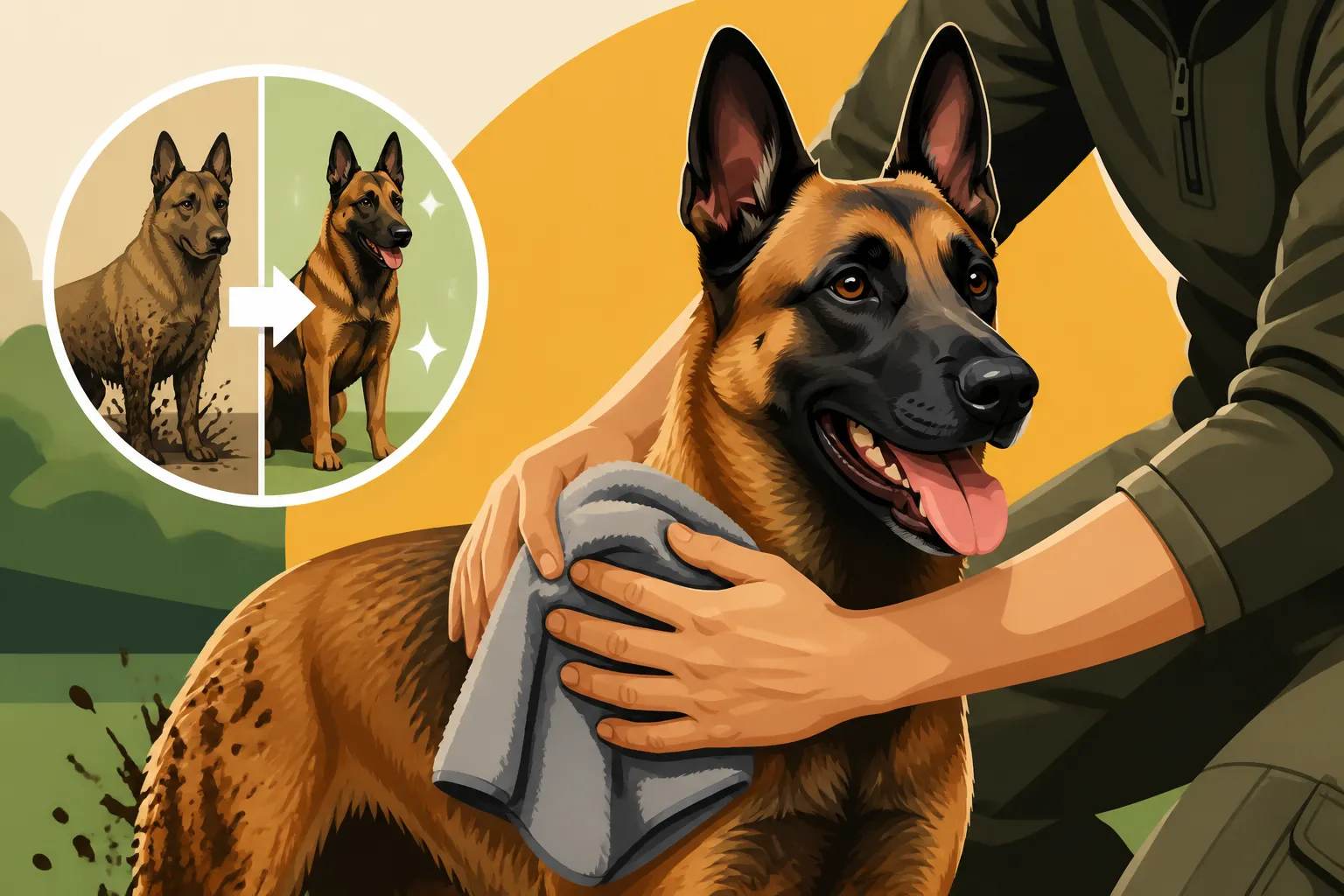
Now for the main event. Start with a large, absorbent towel. Beginning at their head and working backward, vigorously wipe down their entire body. Don’t just dab; use a firm, sweeping motion to lift dirt and moisture from the coat. Pay extra attention to their chest, belly, and flanks, as these areas often collect a lot of mud and grime, especially if they’ve been low to the ground.
Once the main body is relatively clean, move to the legs and paws. This is where those specialized wipes or paw cleaners can come in handy. Carefully clean each paw, paying close attention to the pads and the spaces between the toes. This is where hidden debris, like small stones or burrs, often hides. Use a fresh, damp cloth or grooming wipe for the face, gently cleaning around the eyes, nose, and mouth. Be sure to be extra gentle around the eyes; a Malinois's intense stare might not appreciate anything too rough.
The Final Check and Dry
After the wipe-down, do a final visual and tactile check. Run your hands over their entire body, feeling for any lingering damp spots, sticky residue, or overlooked debris. Make sure their paws are completely dry between the toes, as residual moisture can lead to skin irritation. If your Malinois has been particularly wet, you might need a second, dry towel for a final buff.
| Debris Type | Best Cleaning Method | Key Tools | Key Focus Areas |
|---|---|---|---|
| Wet Mud/Slime | Initial towel-dry, then thorough wipe | Large absorbent towels, microfiber cloths | Legs, belly, paws, underside of tail |
| Dried Dirt/Dust | Brush first, then wipe dry/damp | Soft bristle brush, grooming mitt, dry towels | Entire coat, especially dense areas |
| Burrs/Plant Material | Manual removal, fine-tooth comb (if necessary) | Fingers, grooming mitt, targeted wipes | Ears, tail, between toes, underbelly, long leg furnishings |
| Sand/Fine Grit | Brush/glove to dislodge, then shake/wipe | Grooming mitt, damp microfiber cloths | Coat, paws, ear canals |
| Water/Moisture | Towel dry vigorously | High-absorbency towels | Entire body, especially between toes, ears |
This routine doesn't just clean your dog; it reinforces your bond and allows you to perform a quick health check. It’s a moment of calm after high-energy work, teaching your Malinois to tolerate handling and care. For more on general care, Checking a Belgian Malinois Over After a Session is a great resource.
Beyond the Wipe: When to Consider a Full Bath
While a diligent wipe-down is sufficient for most post-field sessions, there are definitely times when your Malinois needs more than just a quick spruce up. Knowing when to escalate to a full bath can save you from lingering odors, skin issues, and a truly filthy house.
When the Grime Is Deep-Seated
Sometimes, a wipe-down just isn't going to cut it. If your Malinois has been swimming in stagnant water, rolling in particularly greasy mud, or has accumulated so much dust that it feels like a second skin, a bath is necessary. Surface wiping can only do so much; deep-seated grime and oils need to be lifted with shampoo and water. You'll notice this when your dog still feels gritty, or the towel comes away looking like you've tried to clean a chimney.
Think of it this way: if you fell into a mud puddle, would you just wipe yourself down with a towel and call it good? Probably not! Your Malinois deserves the same level of cleanliness when they've truly gotten themselves embedded in dirt and muck. A full bath ensures that all layers of their coat and skin are properly cleaned, reducing the risk of skin irritations developing from residual foreign matter.
Lingering Odors and Contaminants
One of the most immediate indicators that a wipe-down is insufficient is a persistent odor. Malinois, while generally clean dogs, can pick up some truly foul smells from the field – everything from stagnant pond water to unknown animal droppings. These odors aren't just unpleasant; they often indicate bacteria or other organic compounds clinging to the coat. A bath with a good quality dog shampoo is the only way to neutralize these smells and fully cleanse the coat.
Beyond general "dog smell," certain contaminants, like pesticides or other chemicals, might not be visible but can be absorbed by the skin or ingested when your dog grooms themselves. If you suspect your Malinois has been exposed to something potentially harmful, a thorough bath is paramount to wash away any residues. Always use a dog-specific shampoo, like those available at Ollie or Chewy, formulated to be gentle on their skin and coat. For a deeper dive into general bathing practices, How Rarely a Malinois Coat Needs Washing offers good perspective.
Pre-Scheduled Grooming or Vet Visits
Even with regular wipe-downs, a consistent bathing schedule is important for overall coat and skin health. This might be every few weeks or months, depending on your dog's activity level and coat type. If a field session happens to coincide with their regular bath day, or if you have a vet visit coming up where you want your Malinois to be sparkling clean, then a full bath is the obvious choice.
Sometimes a bath isn't just about cleaning, but about routine maintenance. Regular bathing helps remove dead hair, stimulates the skin, and allows you to thoroughly check your dog for any lumps, bumps, or skin changes that might go unnoticed during a quick wipe. It’s an opportunity for a complete top-to-tail inspection, which is especially important for active dogs. And, let's be honest, a clean Malinois is a happy Malinois, and a more pleasant companion around the house.
Disclaimer
This article is for general informational purposes only and does not constitute professional advice. Laws, prices and regulations vary by location and change over time. Consult a qualified professional for guidance on your specific situation.