When the Belgian Malinois Joined the Herding Group
For anyone delving into the fascinating world of the Belgian Malinois, a common point of curiosity, and sometimes confusion, revolves around their official classification. It can feel a bit like trying to trace the family tree of a highly energetic, exceptionally focused athlete, where every branch tells a story of purpose and evolution. Many new owners, or those just admiring the breed from afar, might wonder why such a seemingly "tough" working dog is categorized alongside breeds that appear to have a much softer or more traditional pastoral image. This guide aims to clear up that historical journey, explaining exactly when and why the Belgian Malinois found its rightful place within the Herding Group, and what that categorization truly signifies for this incredible canine.
The Herding Roots of the Belgian Malinois
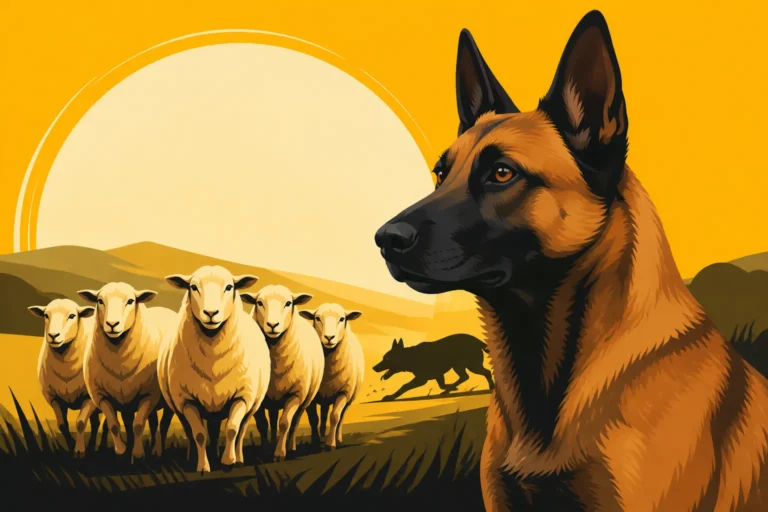
Long before the Belgian Malinois became the high-flying, sleeve-biting superstar of police, military, and protection sports, its paws were firmly planted in the rich, loamy soil of Belgian farms. This breed didn't just appear out of nowhere; it was meticulously developed to meet a very specific, practical need: to manage livestock. Specifically, these dogs were bred to be agile, intelligent, and tireless herders, capable of controlling sheep and cattle across the varied landscapes of Belgium.
Original Purpose on Belgian Farms
Imagine the bustling, often chaotic environment of a turn-of-the-century Belgian farm. Farmers needed dogs that could not only move flocks from pasture to market but also guard them from predators and intruders. They required dogs with immense stamina, quick reflexes, and an innate understanding of how to manage animals without being overly aggressive or causing injury. The Malinois, along with its fellow Belgian Shepherds, was the answer to this demand. They weren't just expected to push animals; they had to think. They needed to assess situations, anticipate the movement of sheep, and respond instantly to their handler's commands, or even work independently when necessary. This required a keen intelligence and an almost obsessive focus, traits that are still hallmarks of the breed today. The Herding Job the Belgian Malinois Was Built For delves deeper into these historical roles.
These were truly utilitarian dogs, valued not for their looks or pedigree papers in a show ring, but for their ability to perform demanding, day-long tasks crucial to a farmer's livelihood. Their coat was short and easy to maintain, their body lean and athletic, built for endurance and speed. There was no room for fragility or laziness on these farms. Every trait, from their sharp minds to their powerful stride, was honed by generations of working selection, ensuring they were perfectly adapted to the demands of agricultural life.
Distinguishing From Other Belgian Shepherds
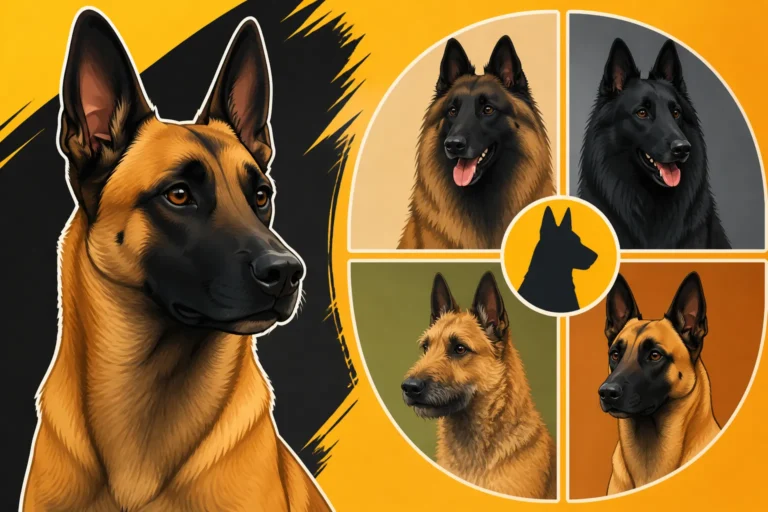
It's crucial to remember that the Belgian Malinois isn't an isolated breed in its origin. It's one of four distinct varieties of Belgian Shepherd dogs, all sharing a common ancestral pool and a similar working heritage. The others are the Groenendael (long-haired black), Tervuren (long-haired fawn/mahogany), and Laekenois (rough-haired fawn). Initially, these dogs were often grouped together and differentiated primarily by their coat type and color, rather than as entirely separate breeds. The Four Belgian Varieties the Malinois Belongs To explains this lineage in more detail.
The Malinois variety, with its short coat, gained favor in certain regions due to its practicality. A shorter coat meant less mud, burrs, and ice to contend with during harsh Belgian winters, and it also dried faster after a day working in damp conditions. While they all possessed the same incredible herding drive and intelligence, these practical distinctions in appearance became the basis for their eventual separation into distinct varieties, or even breeds in some parts of the world. This differentiation, born of function and regional preference, laid the groundwork for the Malinois to eventually carve out its own identity within the broader canine world.
Early Efforts for Breed Standardization and Recognition
The late 19th and early 20th centuries were a pivotal time for dog breeds across Europe, as enthusiasts and cynologists began formalizing breeds that had previously existed primarily as local working types. The Belgian Shepherds, including the Malinois, were no exception. This era saw dedicated efforts to define breed standards, establish studbooks, and create the framework for organized breeding and competition.
European Efforts to Standardize the Belgian Shepherd
The standardization process for the Belgian Shepherds began in earnest in Belgium around the 1890s. Professor Adolphe Reul of the Cureghem Veterinary School is often credited with playing a monumental role in gathering these working dogs, studying their common traits, and helping to establish a uniform standard for what was then considered simply "the Belgian Shepherd Dog." His efforts were instrumental in bringing these local farm dogs into the realm of formal cynology.
Initially, the focus was on consolidating the various types of shepherd dogs found throughout Belgium into a single breed with distinct varieties based on coat. This meant that Malinois, Groenendael, Tervuren, and Laekenois were all considered variations of the same fundamental breed. This approach allowed for the preservation of their shared working abilities while acknowledging their different physical presentations. Breeders and clubs worked to document pedigrees, organize early dog shows, and ensure that the defining characteristics – primarily working aptitude, temperament, and physical conformation suitable for herding – were maintained.
Initial Confusion and Variety Groupings
Despite these efforts, there was often considerable confusion, both within Belgium and internationally, regarding the precise classification of these dogs. Some countries and organizations initially recognized all four as distinct breeds, while others maintained them as varieties of one. This wasn't just a matter of semantics; it had real implications for how the dogs were bred, shown, and perceived. For example, some early breed standards even allowed for crossbreeding between varieties to improve certain traits, a practice that would later be restricted as each variety gained more independent recognition.
The Malinois, with its short fawn coat and black mask, eventually solidified its identity due to its strong working reputation and distinct appearance. The clarity in its type, coupled with its undeniable utility, helped it to emerge from the general "Belgian Shepherd Dog" umbrella and gain its own specific following. The history of this clarification and the eventual separation into distinct breeds in many registries, particularly outside of Belgium, is complex, but it highlights the commitment to recognizing the unique qualities of each type. This period of categorization was crucial in setting the stage for the Malinois's eventual journey to international recognition, including its entry into specific groups like the Herding Group. The 1959 Split That Made the Malinois Its Own Breed goes into more depth on this particular historical decision.
The American Kennel Club's Journey to Malinois Grouping
The journey for the Belgian Malinois to gain full and distinct recognition in the United States, particularly with the American Kennel Club (AKC), was a lengthy one, marked by periods of initial grouping with other Belgian Shepherds, reclassification, and eventually, its own well-deserved spotlight.
The Long Road to Full Recognition
When Belgian Shepherds first arrived in the United States in the early 20th century, they were generally grouped under the single designation of "Belgian Sheepdog." This umbrella term encompassed all the varieties—Groenendael, Tervuren, Malinois, and sometimes even the Laekenois—often without clear distinction by the average dog enthusiast. Early breed clubs worked tirelessly to advocate for the individual recognition of each variety, emphasizing their unique characteristics while also highlighting their shared heritage and working capabilities.
It wasn't a quick process. The AKC, like many registries, took its time in evaluating and categorizing breeds, often requiring consistent representation, established breeding programs, and a stable gene pool before granting full recognition. This meant that dedicated breeders and enthusiasts had to consistently import, breed, and promote the Malinois as a distinct entity, proving its value and consistency over many decades. The efforts of these early pioneers were instrumental in establishing the Malinois presence and laying the groundwork for its eventual specific grouping. When the AKC Finally Listed the Malinois provides more context on its entry into the AKC's official roster.
The "Miscellaneous Class" Era
Before being granted full recognition within one of the established groups, many breeds, including the Malinois, spend time in what the AKC calls the "Miscellaneous Class." This is essentially a probationary period for breeds that are moving towards full recognition. Dogs in the Miscellaneous Class can compete in certain events, but they are not yet eligible for championship points or for competing in their eventual breed group.
For the Belgian Malinois, this period was vital. It allowed the breed to grow in numbers, for its characteristics to become more firmly established, and for a dedicated fan base and breeding community to coalesce. It was a time for the Malinois to "prove itself" on American soil, demonstrating its consistency in type, temperament, and, crucially, its inherent working ability. This transitional phase allowed the AKC to carefully observe the breed's development and solidify its decision regarding its ultimate placement within the AKC's group structure. During this time, discussions and debates among breed fanciers and the AKC often revolved around which specific group best suited the Malinois's predominant traits and historical function.
What "Herding Group" Status Means for the Modern Malinois
The eventual placement of the Belgian Malinois into the AKC's Herding Group wasn't just an administrative formality; it was a profound affirmation of its historical purpose and inherent nature. This classification carries significant weight, shaping perceptions of the breed, guiding breeding practices, and influencing its trajectory in various dog sports and working roles.
The Implications for Competition
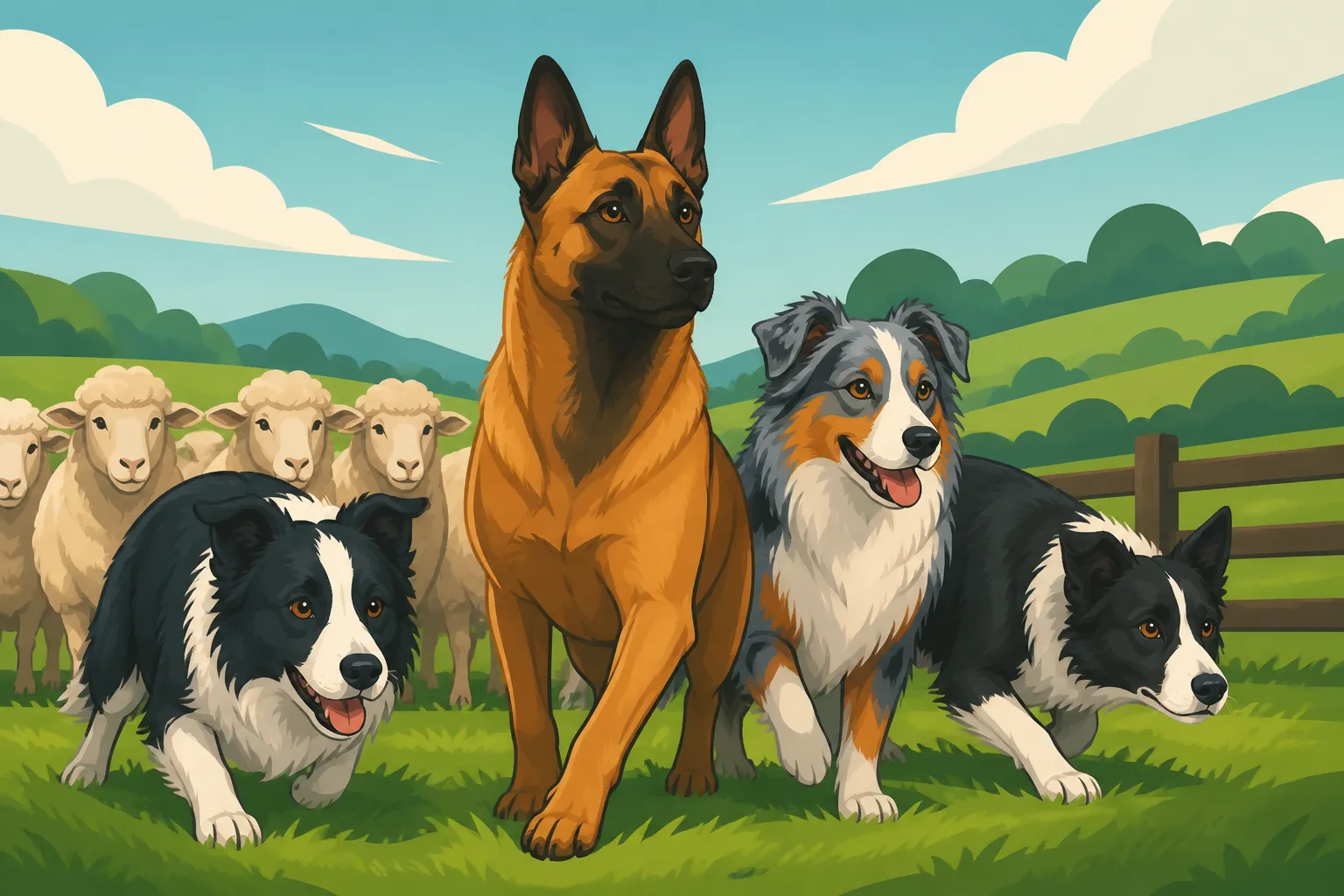
Being officially recognized in the Herding Group means that in AKC-sanctioned dog shows, the Malinois competes specifically against other breeds historically developed for herding livestock. This includes breeds like German Shepherds, Border Collies, Australian Shepherds, and many others that share that pastoral working heritage. For breed enthusiasts and judges, this context is vital. When a Malinois is evaluated in the show ring, it's judged against a standard that directly reflects its original function: a powerful, agile, intelligent dog capable of moving and controlling livestock.
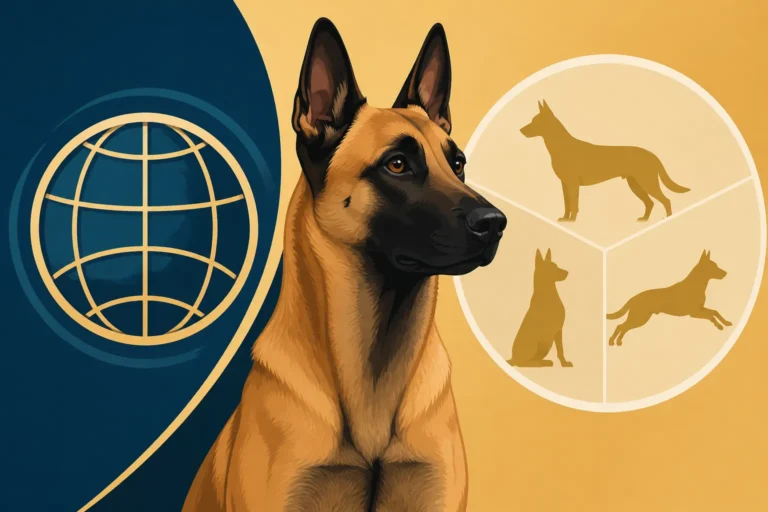
Judges look for correct conformation, sure, but they also assess the intangible qualities—the alertness, the keen intelligence in their eyes, the athletic build that speaks to endurance and quick bursts of speed. A Malinois isn't judged as a toy dog or a hound; it's judged as a working herding dog, and every aspect of its being is considered through that lens. This group classification directly influences the breed standard, emphasizing traits like temperament, drive, and physical soundness that are paramount for a working herder. Which AKC Group the Belgian Malinois Competes In further elaborates on this competitive aspect.
How it Defines the Breed's Essence
More than just a category for competition, inclusion in the Herding Group fundamentally defines the essence of the Belgian Malinois. It underscores that despite their impressive prowess in protection sports, detection work, and military roles, their core instincts and genetic makeup are rooted in the management of livestock. This explains many of the traits Malinois owners experience daily: their intense focus, their tendency to "gather" family members or other pets, their incredible energy levels, and their sharp intellect.
These aren't just random quirks; they are manifestations of a deeply ingrained herding drive. Understanding this helps owners appreciate the breed's unique needs. It highlights why a Malinois isn't content with just a casual walk; it craves a "job" that engages its mind and body, often mimicking the problem-solving and physical exertion of its herding ancestors. This understanding is critical for responsible ownership, guiding appropriate training, exercise, and mental stimulation to ensure a well-adjusted and fulfilled Malinois. It's about respecting their genetic blueprint and providing outlets that align with their historical design.
Impact on Malinois Breeding and Sport
The Herding Group classification has had a profound and lasting impact on the direction of Belgian Malinois breeding and the types of sports and activities they excel in today. It serves as a constant reminder of their foundational purpose, influencing selection criteria and shaping how owners engage with these dynamic dogs.
Focus on Working Traits and Instinct
The Malinois's placement in the Herding Group has helped to maintain a strong emphasis on preserving its working traits and natural instincts within breeding programs. Reputable breeders of Malinois, whether for sport, service, or even discerning pet homes, understand that the breed's intelligence, drive, trainability, and athletic ability are paramount. These are not merely desirable qualities; they are essential for a dog bred to work livestock efficiently and effectively.
Breeders often evaluate their dogs not just on conformation but also on their inherent drives—prey drive, retrieve drive, fight drive, and yes, herding instinct. While many modern Malinois may never see a flock of sheep, these underlying drives are crucial for their success in contemporary working dog venues. The selection process typically involves rigorous health testing and temperament evaluations, ensuring that the next generation not only looks like a Malinois but acts like one, carrying forward the genetic heritage of its pastoral ancestors. Without this focus, the breed could easily drift away from its core identity. The Parent Club Behind the Belgian Malinois works to uphold these standards.
Herding Trials and Natural Instinct
For those Malinois owners keen to explore the breed's roots, herding trials offer a fantastic opportunity to see their dog's natural instincts in action. These events, often sanctioned by organizations like the AKC, allow dogs to demonstrate their ability to gather, drive, and control livestock under the guidance of a handler. It's a truly amazing experience to watch a Malinois, often known for its protection work, seamlessly switch to a "herding brain," using its presence and movement to manipulate a flock of sheep.
Participating in herding trials isn't just about competition; it's about providing a profound outlet for the Malinois's innate drives. It taps into a primal satisfaction for the dog, allowing it to fulfill the purpose for which it was originally created. Even if a Malinois never earns a title in herding, the exposure to livestock and the opportunity to engage those deep-seated instincts can be incredibly enriching and mentally stimulating. It reminds us that beneath the intense facade of a modern working dog lies the soul of a diligent, intelligent shepherd. Whether a Belgian Malinois Still Herds explores this aspect further.
The Ongoing Discussion: Preserving Working Ability
In the world of working dog breeds, there's always a lively discussion about the balance between preserving raw working ability and adapting to modern roles and pet ownership. The Belgian Malinois, with its incredibly high drive and intense focus, sits right at the heart of this conversation.
The Working Line Malinois in Modern Contexts
It's no secret that the Belgian Malinois has become one of the most sought-after breeds for police, military, and private security work. Their speed, agility, intelligence, and relentless drive make them exceptional partners in these demanding fields. Many contemporary breeders focus specifically on producing "working line" Malinois, selecting for the extreme drives and nerves necessary for high-stakes roles. These dogs are purpose-bred, with pedigrees often boasting generations of titled protection sport dogs, KNPV dogs, or certified service animals.
This intense specialization ensures that the breed continues to produce individuals capable of excelling at the highest levels of performance. However, this also means that a significant portion of the Malinois population possesses an energy level and mental intensity that is far beyond what the average pet owner can manage. The traits that make a Malinois an elite K9 also make it a challenging, often destructive, companion without appropriate outlets. The "work" might have changed from herding sheep to detecting narcotics or apprehending suspects, but the fundamental drive to do a job remains as strong as ever.
The Malinois in Pet Homes and Herding Drive
This brings us to the crucial point of the Malinois in pet homes. While their undeniable beauty, intelligence, and loyalty are appealing, their intense herding drive and need for purpose often catch unprepared owners by surprise. A Malinois isn't content to be a couch potato; its brain is constantly whirring, looking for tasks, for things to control, for a "flock" to manage. This can manifest as nipping at heels, intense staring, obsessive behaviors, or relentless energy that leads to destructive habits when not properly channeled.
For pet owners, understanding the breed's herding heritage is key to providing a fulfilling life. Instead of just endless walks, which rarely satisfy a Malinois, owners should seek out activities that engage their dog's mind and body in purposeful ways. This could include obedience training, scent work, agility, or even organized urban herding classes (if available). The Mental Work That Finally Tires a Malinois Out delves into these alternatives. The goal is to provide a "job" that allows the Malinois to utilize its incredible intelligence and drive, even if that job isn't literally moving sheep. Without this intentional engagement, the inherent herding drive, which makes them so special, can quickly become a source of frustration for both dog and owner.
Comparing the Malinois to Other Herding Breeds
The Herding Group is diverse, containing breeds that vary widely in size, coat type, and specific herding styles. Understanding where the Malinois fits into this spectrum, especially in comparison to other well-known herding dogs, can offer valuable insights into its unique characteristics and requirements.
Malinois vs. German Shepherds: Herding Styles
Perhaps the most common comparison is between the Belgian Malinois and the German Shepherd Dog. Both breeds are incredibly popular working dogs, often found in similar roles like police and military service. However, their herding origins reveal some subtle yet significant differences in their fundamental approach and temperament.
German Shepherds, while also highly intelligent and protective herders, often work with a more "boundary" or "containment" style. They tend to patrol the perimeter, keeping the flock together with their imposing presence and powerful bark. They're excellent at guarding and holding a flock within a designated area. The original German Shepherd worked largely in Germany’s often more settled agricultural regions, where guarding and general farm utility were paramount alongside herding.
The Malinois, by contrast, tends to have a more "gathering" or "driving" style, often with a higher intensity and quicker movements. They were developed to cover vast distances and respond rapidly to handler cues, frequently moving sheep through varied terrain. Their focus can be laser-sharp on the task at hand, often exhibiting a more "forward" and "pushy" approach with livestock. This difference in style often translates into their temperament outside of herding: the Malinois is generally recognized for its higher intensity, faster response times, and often more physically driven approach to tasks. This is not to say one is "better" than the other, but rather that they possess different flavors of working prowess, each honed by their specific historical roles.
Traits Shared Across the Herding Group
Despite their individual nuances, all breeds in the Herding Group share a set of fundamental traits that define their collective identity. These characteristics are what make them exceptional working partners and, often, demanding companions for the uninitiated.
First and foremost is their intelligence and trainability. Herding dogs must be able to understand complex commands, read subtle cues from their handler and the livestock, and adapt quickly to changing situations. This requires a sharp mind and a strong desire to cooperate. Secondly, they possess an incredible work ethic and drive. These dogs are not built for idleness; they thrive on having a job, a purpose, and often an endless supply of mental and physical challenges. This can manifest as an intense desire to please and a relentless pursuit of a task, whether it's moving sheep or retrieving a ball for the thousandth time. You can often find durable toys and training aids for these driven dogs at places like Chewy, which cater to their vigorous play and training needs.
Finally, herding breeds often exhibit a strong prey drive (directed at movement, not necessarily for killing, but for control) and a tendency to "manage" their environment. This means they pay close attention to the movements of people, other animals, and even objects, often attempting to gather, push, or contain them. While this instinct is invaluable on the farm, it can be a source of frustration in a busy household, leading to behaviors like nipping at children's heels, nudging people, or intensely staring at anything that moves. Understanding these shared traits across the Herding Group helps owners to set realistic expectations and provide appropriate outlets for their Malinois, ensuring that their natural talents are channeled constructively.
Summary Table: Belgian Malinois Herding Journey
To put it all into perspective, here's a brief overview of the key milestones in the Belgian Malinois's journey to becoming a recognized member of the Herding Group.
| Period/Milestone | Key Event | Significance for Malinois |
|---|---|---|
| Late 19th Century | Development of Belgian Shepherd Dogs in Belgium | Bred for versatile herding and guarding on farms, alongside other varieties. |
| 1890s | Professor Reul's Standardization Efforts | Formalization of a breed standard for the Belgian Shepherd, recognizing coat varieties. |
| Early 20th Century | Arrival in the United States | Initially grouped under "Belgian Sheepdog" umbrella, limited distinct recognition. |
| Mid-20th Century | AKC "Miscellaneous Class" Period | Transitional phase allowing the breed to establish numbers and consistency in the US. |
| Later 20th Century | Full AKC Recognition in the Herding Group | Official affirmation of its historical working purpose and inherent herding instincts. |
| Modern Era | Dominance in Police/Military/Sport | Continued emphasis on working traits; herding drive manifests in new, demanding roles. |
This table highlights that the Malinois's current status is a direct result of its deep historical roots as a highly capable and intelligent herding dog, a legacy that continues to shape its nature and needs today.
Disclaimer
This article is for general informational purposes only and does not constitute professional advice. Laws, prices and regulations vary by location and change over time. Consult a qualified professional for guidance on your specific situation.