Belgian Malinois in Airport and Border Detection
If you've ever traveled through an airport or crossed an international border, you've likely seen those incredibly focused dogs working diligently alongside their handlers. Often, these keen-eyed, intensely driven canines are Belgian Malinois, and their presence raises a lot of questions about what they actually do and why they're chosen for such high-stakes jobs. This guide will delve into the specific roles these remarkable dogs play in keeping our airports and borders secure, explaining what makes them so uniquely suited for this vital work.
Why the Belgian Malinois Excels in Detection Work
It's no accident that the Belgian Malinois has become a top choice for detection work across the globe, from bustling international airports to remote border crossings. These aren't just "smart" dogs; they possess a truly exceptional combination of physical and mental attributes that make them perfect for the demanding, high-pressure environment of security operations. If you've ever spent time with a Malinois, you'll understand that their energy isn't just a casual stroll in the park – it's a relentless drive to do something.
Unmatched Drive and Focus
One of the most defining characteristics of the Belgian Malinois is its unparalleled drive. When we talk about "drive" in a Malinois, we're not just referring to their physical energy; it's a deep-seated desire to work, to chase, to retrieve, and to please their handler. This innate intensity is precisely what makes them so effective in detection roles. They don't get bored easily, and they don't give up. Imagine a dog needing to search countless pieces of luggage or miles of border fence – a Malinois approaches this task with the same enthusiasm whether it's the first bag or the hundredth. Their focus is laser-sharp, allowing them to block out distractions that would overwhelm other breeds, like the cacophony of airport announcements, the bustle of crowds, or the ever-changing scents of a busy cargo area. This single-mindedness is a huge asset when even a momentary lapse could mean a missed detection.
This high drive also translates into incredible stamina and persistence. A Malinois isn't going to quit when the task gets tough or monotonous. They see it as a challenge, an opportunity to engage with their handler and earn their reward, whether that's a favorite ball, a tug toy, or a simple word of praise. This work ethic is something that must be understood and channeled from a very young age; otherwise, that drive can manifest as destructive behavior in a home environment. Handlers of detection dogs are masters at directing this formidable energy into productive and precise tasks, turning what could be a challenge for an inexperienced owner into a superpower for national security. It's truly a testament to their inherent nature that they can sustain such high levels of concentration over extended periods.
Superior Scenting Ability and Endurance
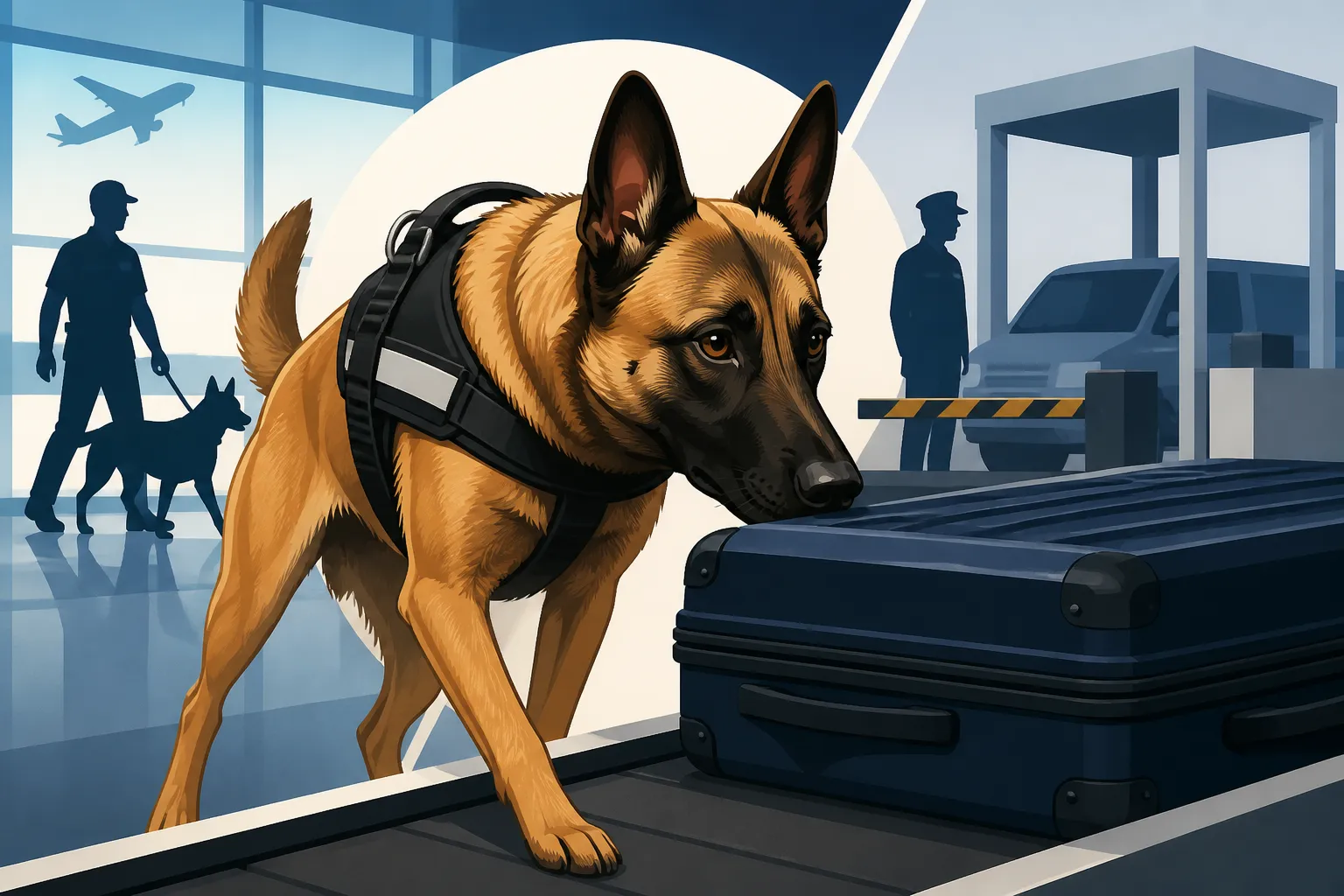
While many breeds have an excellent sense of smell, the Malinois combines this olfactory prowess with the aforementioned drive and endurance. Their keen noses are highly discriminative, meaning they can be trained to pinpoint specific odors, even when those scents are faint or masked by other strong smells. Think about an airport: the overwhelming mix of perfumes, food, cleaning products, and exhaust fumes creates a complex scent tapestry. A detection Malinois can cut through all that noise to identify the minute trace of an explosive component or a narcotic substance. Their ability to process this complex information quickly and accurately is absolutely critical.
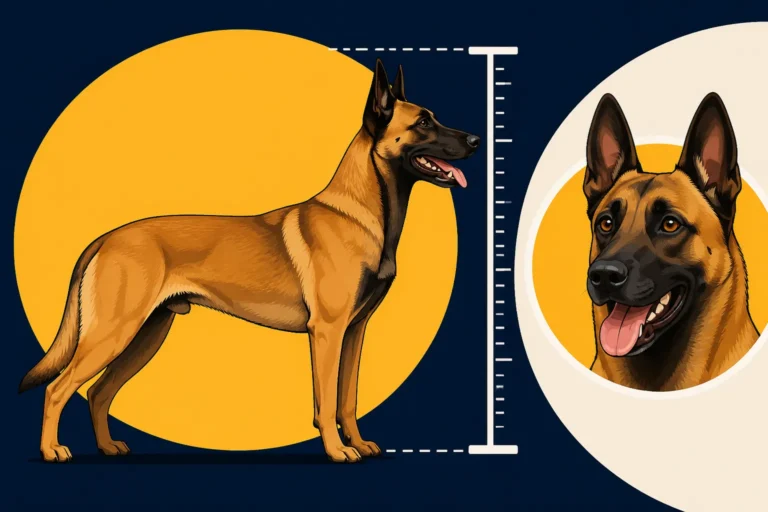
Furthermore, the physically demanding nature of detection work requires a dog with a robust constitution. Whether it's weaving through rows of cargo, climbing over obstacles, or patrolling vast outdoor areas in varying weather conditions, a detection dog needs to be agile, athletic, and tireless. The Belgian Malinois, with its lean, muscular build and incredible stamina, is perfectly designed for this. They can work for long shifts, covering significant ground, without tiring easily. This physical resilience, combined with their mental fortitude, ensures they can consistently perform their duties day in and day out. It's this blend of acute senses and athletic endurance that makes them superior choices for roles where failure isn't an option.
Trainability and Adaptability
Beyond their natural drives and physical capabilities, Belgian Malinois are renowned for their exceptional trainability and adaptability. They are intelligent dogs with a strong desire to please their handlers, making them highly responsive to training. They pick up new commands and associate specific scents with rewards very quickly. This eagerness to learn allows trainers to instill complex detection protocols and fine-tune their responses with remarkable efficiency.
Their adaptability is equally important. Detection Malinois might work indoors in climate-controlled terminals one day and outdoors in harsh weather conditions the next. They need to be comfortable in crowded, noisy environments as well as quiet, isolated ones. A well-socialized and properly trained Malinois can transition seamlessly between these different settings, remaining focused on their task regardless of external factors. This adaptability extends to working with various handlers or in different operational teams, though the bond with their primary handler is always paramount. Their ability to generalize their training to new environments and situations is a huge advantage in dynamic security roles. If you've ever tried to teach a Malinois a new trick, you'll know how fast they connect the dots; imagine that aptitude applied to life-saving detection work.
Specific Roles at Airports and Borders
The tasks undertaken by Belgian Malinois in airport and border security are incredibly diverse, reflecting the multitude of threats and contraband that agencies work to intercept. These dogs are not just general-purpose sniffers; they are highly specialized, often trained to detect very specific categories of substances. This precision is what makes them such invaluable assets to security forces.
Explosives and Narcotics Detection
Perhaps the most well-known roles for detection Malinois are in identifying explosives and narcotics. In airports, you'll see these dogs systematically searching luggage, cargo, and even aircraft for any trace of explosive materials. Their ability to detect minute quantities of these dangerous substances, even when cleverly concealed, is a critical layer of defense against terrorism. Imagine the pressure of knowing a single missed scent could have catastrophic consequences; this is why only the most reliable and highly trained dogs are chosen for such tasks. Explosives Detection Training for a Belgian Malinois is a long and intricate process.
Similarly, at borders and ports, Malinois are on the front lines of the war against drug trafficking. They can sniff out everything from marijuana and cocaine to heroin and synthetic opioids, often hidden in vehicles, shipping containers, or on individuals. Their presence acts as a powerful deterrent, and their accuracy leads to countless seizures that prevent dangerous drugs from reaching communities. The intensity with which they work, methodically sweeping areas, is a direct result of their training and inherent drive to perform. This isn't a game for them; it's serious work where their keen sense of smell provides an essential layer of security.
Currency and Contraband Detection
Beyond explosives and narcotics, Malinois are increasingly utilized for detecting large sums of undeclared currency and other forms of contraband. Money laundering and illegal trade often involve attempts to smuggle cash across borders. While money itself doesn't have a strong odor, it often carries traces of other substances – drugs, chemicals, or even the unique scent of paper degradation – that a highly trained Malinois can pick up on. This might seem like a niche role, but it's crucial in disrupting criminal networks and organized crime.
Furthermore, Malinois can be trained to detect a wide array of other illegal or restricted items, such as prohibited agricultural products that could introduce diseases, protected wildlife parts, or counterfeit goods. Each type of detection requires specialized training, honing the dog's ability to differentiate target scents from the myriad of environmental odors. The agility and focus of a Malinois mean they can navigate complex storage facilities or vehicle interiors, efficiently covering large areas to locate hidden stashes that human officers might never find. This versatility makes them incredibly cost-effective and efficient tools for law enforcement.
Human Scent Detection and Tracking
While not as commonly publicized as drug or bomb detection, Belgian Malinois are also adept at human scent detection and tracking, which can be invaluable at borders, especially in remote areas. This can involve tracking individuals who have crossed illegally, searching for missing persons in expansive territories, or even identifying scents left behind at a crime scene. Their stamina and persistence, combined with their phenomenal scenting abilities, make them excellent trackers even over difficult terrain or in challenging weather.
The process of Starting Scent Detection With a Belgian Malinois for tracking is intense, building on their natural prey drive and channeling it into following a specific human odor trail. They learn to ignore animal scents and environmental distractions, focusing solely on the unique signature of human presence. In situations where every minute counts, a Malinois can cover ground far more quickly and effectively than a human search party, often leading to critical breakthroughs in investigations or rescues. Their sharp focus ensures they stay on the trail, even when it appears to vanish or becomes incredibly faint, proving their worth in complex search operations.
The Rigorous Training Behind Airport and Border Malinois
You don't just hand a Belgian Malinois puppy a vest and send it to the airport. The journey from a high-drive prospect to a fully operational detection dog is incredibly rigorous, demanding thousands of hours of specialized training for both the dog and its handler. It's a testament to the breed's capabilities and the dedication of the trainers that these dogs achieve such high levels of proficiency.
Early Selection and Foundation Training
The path begins with careful selection. Not every Malinois, even from excellent working lines, is suited for this intense work. Breeders and agencies look for specific temperament traits: high drive, strong nerves, environmental stability, and an insatiable desire to retrieve or tug. They need dogs that are confident, resilient, and possess a profound "play drive" – because for a detection dog, finding the target odor is simply the gateway to playing with their favorite toy. This play drive is what sustains them through countless repetitions and ensures they love their job. What the KNPV Program Selects For in a Malinois gives insight into this rigorous selection process.
Once selected, puppies undergo extensive foundation training and socialization. This isn't just basic obedience; it's about building bomb-proof confidence in diverse environments, developing focus around distractions, and establishing a strong bond with their future handler. They are exposed to different surfaces, sounds, people, and vehicles, ensuring they remain unfazed by the chaotic atmosphere of an airport or the vastness of a border region. During this period, their natural instincts are nurtured and shaped into the precise behaviors required for detection work, often with positive reinforcement and high-value rewards like tug toys available from places like Chewy.
Specialized Scent Discrimination
The core of a detection Malinois's training is specialized scent discrimination. This involves teaching the dog to recognize and ignore a myriad of environmental odors while only alerting to the specific target scents they are tasked to find. This isn't about memorizing a few smells; it's about understanding the class of odors and actively searching for them. Trainers introduce extremely low concentrations of target scents in controlled environments, gradually increasing the complexity and difficulty of the search.
The dog learns to associate the presence of these odors with a reward, and their "alert" – a sit, down, or stare – becomes a precise communication to their handler. This process is incredibly meticulous, requiring countless repetitions in varied settings. They might start by finding a small amount of a substance in an empty room, then progress to finding it hidden among other strong smells in a mock luggage carousel or inside a vehicle with numerous compartments. The goal is 100% accuracy and reliability, ensuring that false alerts are minimized and true positives are maximized. This level of precision requires a truly dedicated and intelligent canine partner.
Maintaining Proficiency Through Continuous Drills
Even after initial certification, the training never truly ends for a detection Malinois. Proficiency must be maintained through continuous drills, often on a daily basis. The world of threats evolves, and so too must the capabilities of these dogs. New scents may be introduced, or existing scents might be presented in novel ways to keep the dogs sharp and prevent them from anticipating. This ongoing training also helps to solidify the dog's skills and adapt to new scenarios.
Handlers regularly conduct training exercises that simulate real-world conditions, placing target odors in challenging locations or mixing them with masking agents. This ensures the dog remains at peak performance, able to confidently detect targets regardless of concealment methods. This continuous engagement also strengthens the bond between dog and handler, a critical component of their working relationship. Without this consistent reinforcement and challenging work, even the most talented Malinois could lose its edge, which is why dedication to ongoing training is a cornerstone of every successful detection program.
The Daily Life and Care of a Detection Malinois
While their work is undeniably demanding and critical, the life of a Belgian Malinois working in airport or border detection isn't all stress and high stakes. These dogs are highly valued partners, and their well-being is paramount. Just like any high-performance athlete, they require specific care, nutrition, and downtime to thrive.
Balancing Work and "Off-Duty" Life
For these working dogs, there's a clear distinction between "on-duty" and "off-duty." When they're wearing their harness, they're focused, professional, and keenly aware of their mission. But when the harness comes off, they transform into much-loved companions. Many detection Malinois live with their handlers, becoming part of their family. This allows for a deep, personal bond to form, which is absolutely crucial for effective teamwork and the dog's emotional well-being. This family environment provides the mental and emotional outlet they need from the pressures of their job.
During their off-duty hours, these dogs still require significant physical and mental exercise, but it's typically more relaxed and fun-oriented. This could involve vigorous games of fetch with a favorite ball, long runs, or simply unwinding with their handler at home. It’s important for them to have an "off switch" to decompress. While their drive is their superpower, they also need to learn to relax. Ensuring they have proper enrichment toys and activities, perhaps even puzzle feeders from Chewy, can help keep their active minds engaged even when they’re not on the clock. This balance prevents burnout and keeps them eager and fresh for their next shift.
Health and Nutrition for High-Performance Dogs
A detection Malinois is an athlete through and through, and their physical condition is meticulously maintained. This means a high-quality diet specifically formulated for working dogs, rich in protein and fats to fuel their intense activity levels. Feeding a Malinois That Is Never Not in Drive is a common challenge for owners of these dogs, and it’s no less true for their professional handlers. They need consistent access to fresh water, especially during active shifts, to prevent dehydration. Regular veterinary check-ups, including The Bloodwork a Working Malinois Should Have Annually, are essential to catch any health issues early and ensure they remain in peak physical form.
Preventative care is a priority, addressing potential issues that can arise from their active lifestyle, such as joint health. Handlers often work closely with veterinarians to develop customized health plans that include appropriate vaccinations, parasite control, and any necessary supplements. Just like human athletes, these dogs are prone to muscle strains or paw pad injuries from constant work on varied surfaces. Daily inspections, meticulous grooming, and attention to any signs of lameness or discomfort are part of the routine to keep them sound and ready for duty. Their lean, muscular physique is not just for aesthetics; it's a testament to their athleticism and careful conditioning.
The Deep Bond with Their Handlers
Perhaps the most critical, yet often overlooked, aspect of a detection Malinois's life is the profound bond they share with their handler. This isn't just a working relationship; it's a partnership built on trust, respect, and mutual understanding. The handler is responsible for the dog's training, care, and safety, while the dog relies on the handler for guidance, reassurance, and reward. This deep connection allows for seamless communication, often non-verbal, which is vital in high-stakes situations where split-second decisions are made.
The handler learns to read their dog's subtle cues, understanding when a scent is detected, even if the dog's alert is minimal. They know their dog's personality, quirks, and preferences, tailoring their approach to optimize performance and well-being. This bond extends beyond the job; many handlers consider their Malinois a family member and continue to care for them long after they retire. It’s a relationship built on shared experiences, challenges overcome, and the unwavering loyalty that these intelligent and driven dogs offer to those who truly understand and appreciate their extraordinary capabilities.
| Role in Detection | Key Malinois Attributes | Example Scenario |
|---|---|---|
| Explosives Detection | High drive, keen scenting, intense focus, environmental stability | Systematically searching passenger luggage at a major international airport. |
| Narcotics Detection | Superior scent discrimination, endurance, trainability, low distraction | Sweeping cargo containers for illegal drug shipments at a busy seaport. |
| Currency/Contraband | Versatility, precise alert behavior, handler focus | Locating undeclared cash hidden in a vehicle during a border crossing inspection. |
| Human Tracking | Stamina, persistence, strong prey drive (channeled) | Following a faint human scent trail over rugged terrain near a remote border. |
| General Security | Adaptability, confidence, protective instincts (controlled) | Patrolling airport terminals or perimeter fences with handler, acting as a deterrent. |
Disclaimer
This article is for general informational purposes only and does not constitute professional advice. Laws, prices and regulations vary by location and change over time. Consult a qualified professional for guidance on your specific situation.