Whether Spay Timing Changes a Malinois’s Joints
Choosing the right time to spay your beloved Belgian Malinois is one of those big decisions that can feel overwhelming, can't it? As owners, we're constantly striving to do what's best for our high-drive, active companions, and hearing conflicting advice about everything from joint health to behavior can really throw you for a loop. This guide is here to walk you through the nuances of spay timing, focusing specifically on how it might impact your Malinois's joint development and overall health, helping you make a truly informed choice.
The Evolving Conversation Around Spay Timing and Joint Health
For decades, the standard veterinary recommendation was to spay or neuter puppies around six months of age. It was almost a universal truth, touted as the most responsible choice for population control and preventing certain health issues. Many of us followed this advice without a second thought, believing it was unequivocally the best path. However, in recent years, a growing body of research has started to challenge this long-held convention, especially for larger, more athletic breeds like our Belgian Malinois. This shift in understanding has left many owners feeling confused and even a little frustrated, wondering if they've unknowingly put their dog at a disadvantage.
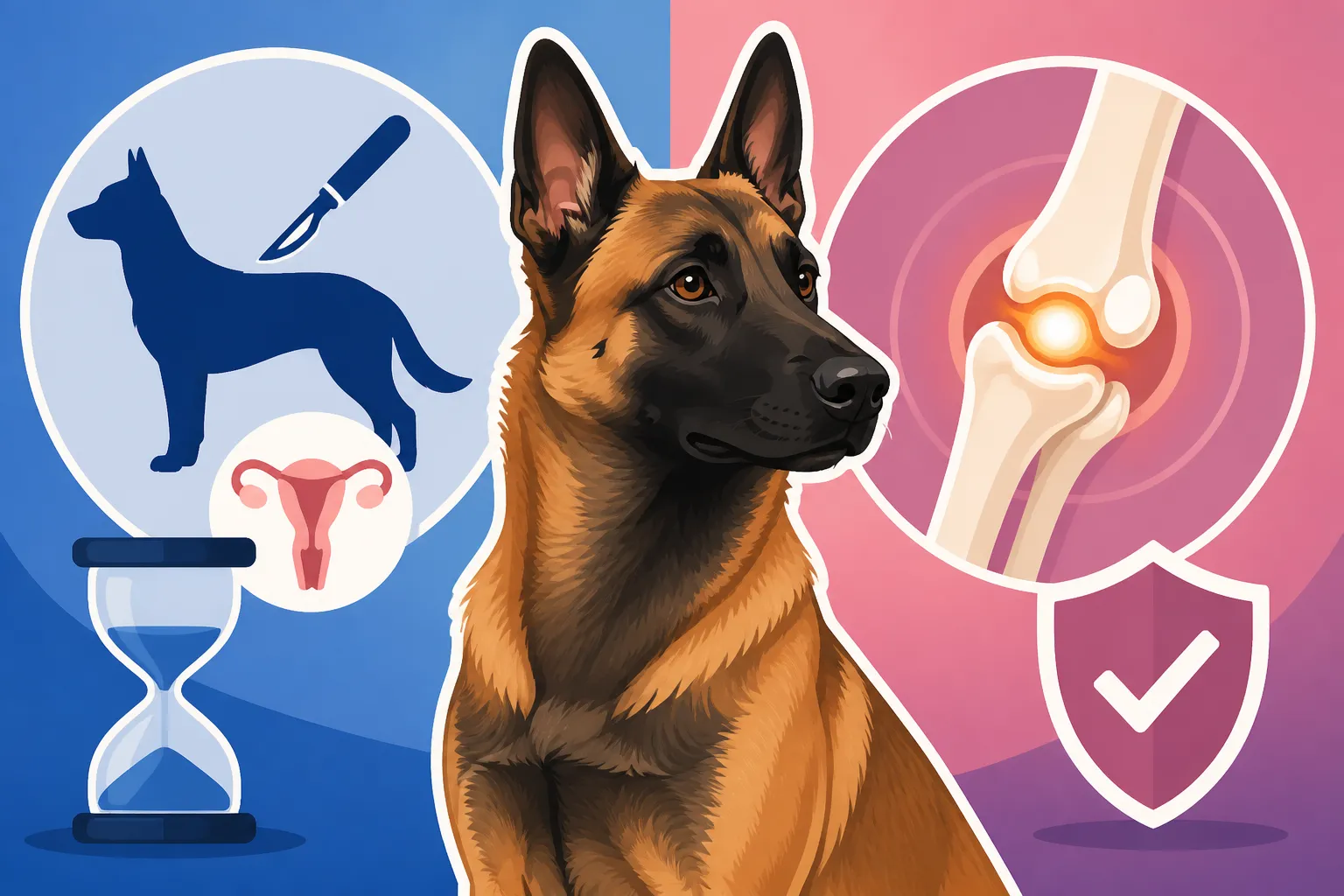
The core of this evolving conversation centers around the role of sex hormones in a dog's physical development. When we spay a female Malinois, we're not just preventing pregnancy; we're removing her ovaries, which are responsible for producing estrogen and progesterone. These hormones play a much broader role than just reproduction, influencing bone growth, muscle development, and even the closure of growth plates in long bones. If these hormones are removed before a dog is fully mature, it can potentially alter the way their skeletal system develops, leading to longer limbs or changes in joint structure and integrity. For a breed like the Malinois, which is built for speed, agility, and intense physical work, the soundness of their joints is paramount, making this timing decision incredibly impactful. Imagine a high-performance athlete whose fundamental biomechanics are subtly altered; the long-term consequences could be significant, manifesting as increased risk for injuries or degenerative joint diseases down the line.
Understanding the Research: What Studies Suggest for Belgian Malinois
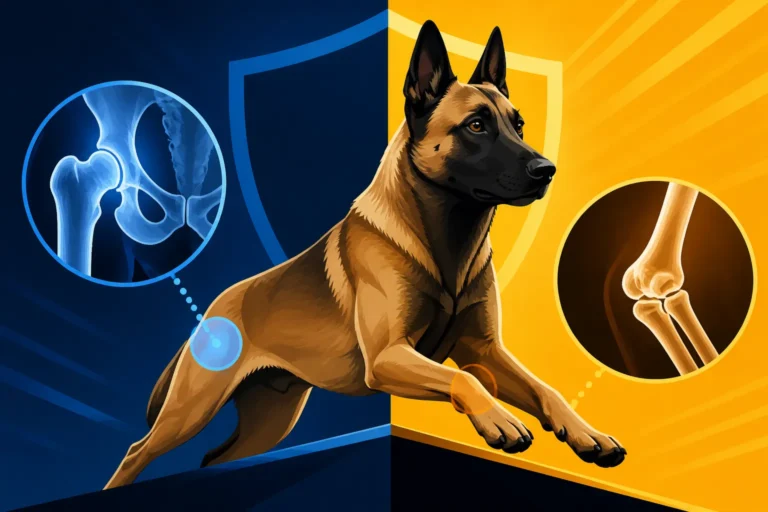
When we talk about joint health in Belgian Malinois, we're often thinking about conditions like hip and elbow dysplasia, as well as cranial cruciate ligament (CCL) tears. These are debilitating issues that can drastically impact a Malinois's ability to perform, train, or even enjoy a normal, active life. The new wave of research suggests a potential correlation between the timing of gonadectomy (spay/neuter) and the incidence of these orthopedic problems, particularly in breeds that are genetically predisposed to them or those that put significant strain on their joints.
While breed-specific studies exclusively on Belgian Malinois and spay timing are still somewhat limited compared to more popular large breeds, we can draw valuable insights from broader studies involving similar athletic breeds like German Shepherds, Golden Retrievers, and Labradors. These studies frequently report an increased risk of orthopedic issues in dogs spayed or neutered before reaching skeletal maturity, often considered to be around 12 to 18 months of age, or even later for very large breeds. For instance, research has shown that early spaying in female dogs can lead to a higher incidence of CCL ruptures. The theory is that estrogen plays a role in the strength and elasticity of ligaments and tendons, and its early removal might make them more prone to injury. Similarly, studies have indicated a higher likelihood of hip and elbow dysplasia in dogs spayed or neutered too early, possibly due to the altered growth plate closure and subsequent changes in joint conformation. The hormones are like a natural brake on bone growth, ensuring that growth plates close at the appropriate time. Without them, bones can grow for a longer period, resulting in altered joint angles and stresses that predispose them to degenerative conditions. You can read more about how these issues are assessed in articles like The Hip and Elbow Numbers Behind a Malinois Clearance.
It's important to frame this understanding realistically. This isn't to say that every Malinois spayed at six months will develop joint problems, nor that every Malinois spayed later will be entirely free of them. Genetics, nutrition, and exercise regimens play huge roles in joint health. However, the evidence is compelling enough that it warrants serious consideration for a breed as physically demanding as the Malinois. For an owner with a young, exuberant Malinois that loves to jump, run, and work, thinking about how Whether Jumping Damages a Young Malinois's Joints could be compounded by early spay timing adds another layer of concern.
Here’s a quick overview of potential impacts based on current research:
| Factor | Early Spay (Before 12-18 months) | Late Spay (After 12-18 months) |
|---|---|---|
| Joint Health | Higher reported incidence of CCL tears, hip/elbow dysplasia. Potential for altered growth plate closure. | Lower reported incidence of CCL tears, hip/elbow dysplasia in some studies. Allows for full hormonal influence on skeletal development. |
| Mammary Cancer | Significantly reduced risk if spayed before first heat. | Reduced risk, but less so than early spay. Risk increases with each heat cycle. |
| Pyometra | Eliminated. | Eliminated. |
| Urinary Incontinence | Potentially slightly increased risk in some breeds. | Lower reported risk. |
| Anesthesia Risk | Generally lower due to younger age. | Potentially higher due to older age/size, though still low for healthy dogs. |
| Behavioral | May reduce certain hormone-driven behaviors (e.g., roaming, aggression), though individual variation is high. | Less impact on hormone-driven behaviors if already established. Might allow more natural behavioral development. |
| Unwanted Litters | Eliminated. | Risk until spayed. Requires careful management during heat cycles. |
This table clearly illustrates the complexity of the decision. While delaying spay might offer orthopedic advantages, it does come with other considerations.
Navigating the Trade-Offs: Benefits Beyond Joint Health
As much as we want our Malinois to have perfect joints, the decision to spay isn't solely about orthopedic health. There's a whole host of other factors that come into play, and for many owners, these benefits outweigh the potential joint risks, or at least necessitate a careful balancing act. It's a truly personal choice, and one that often requires looking at the whole picture of your dog's life and your household.
The most widely recognized benefit of spaying a female Malinois is the prevention of unwanted pregnancies. Malinois are a high-drive breed, and an accidental litter can be a monumental undertaking, often with profound consequences for the puppies and the already overpopulated shelter system. Responsible ownership often means controlling reproduction, and spaying definitively solves that problem.
Beyond population control, there are significant health benefits that early spaying provides. One of the biggest is the dramatic reduction in the risk of mammary (breast) cancer. Studies consistently show that spaying a female dog before her first heat cycle offers the most significant protection against this often aggressive cancer. The risk decreases with each subsequent heat cycle, but never reaches the same low level as a pre-first-heat spay. This can be a huge peace of mind for owners, as mammary cancer can be a devastating diagnosis. Additionally, spaying completely eliminates the risk of pyometra, a life-threatening uterine infection that can strike intact females, especially as they age. Pyometra requires emergency surgery and can be fatal if not treated promptly. These are not minor concerns; they are serious, potentially life-ending conditions that spaying fully mitigates. Considering the general health concerns discussed in articles like The Cancers That Take a Belgian Malinois, preventing mammary cancer is a compelling argument.
Then there are the practical aspects of living with an intact female Malinois. Heat cycles, which typically occur twice a year, can be messy and stressful. There's bleeding, behavioral changes, and the constant vigilance required to prevent male dogs from finding their way to her. For a high-energy Malinois, managing these periods can disrupt training schedules, competition plans, and even daily routines. The intense hormonal fluctuations can also sometimes contribute to behavioral challenges in some individuals, though this is highly variable. If you're constantly worried about accidental breeding or dealing with the mess and stress of heat cycles, it can take a toll on both you and your dog. Companies like Healthy Paws offer pet insurance plans that can help manage unexpected vet bills, but preventing an emergency like pyometra or a costly cancer diagnosis is always preferable.
It's also worth remembering that the decision affects males too, even though the current query is about spay timing (for females). For male Malinois, neutering eliminates the risk of testicular cancer and significantly reduces the risk of certain prostate issues later in life. It can also help curb some hormone-driven behaviors like roaming, marking, and aggression towards other males, though individual temperament plays a massive role.
Making an Informed Decision for Your Malinois
Given the complex interplay of factors, making the "right" decision about spay timing for your Belgian Malinois requires careful thought and, crucially, a personalized approach. What's best for one Malinois might not be ideal for another, even within the same breed. It's not a one-size-fits-all answer, and frankly, anyone who tells you otherwise is probably oversimplifying it.
The most important step is to have an in-depth conversation with your veterinarian. Ideally, seek out a vet who has experience with active working breeds like the Malinois and understands the specific demands placed on their bodies. They can help you weigh the pros and cons based on your dog's individual health, genetic background (if known), and your lifestyle. For example, if your Malinois is destined for high-impact sports like Schutzhund, IGP, or agility, where joint integrity is paramount, delaying spay might be a more attractive option to maximize skeletal development. However, if your primary concern is preventing mammary cancer or if managing heat cycles presents an insurmountable challenge in your household, an earlier spay might be the more practical and responsible choice for you.
You might also explore alternative options that are gaining traction for owners who wish to retain the hormonal benefits while preventing reproduction. Gonad-sparing surgeries, such as a hysterectomy (removing the uterus but leaving the ovaries) or a vasectomy (for males), allow the dog to retain their sex hormones, which can continue to support skeletal development, while still eliminating the risk of unwanted litters. These procedures are not as widely available or commonly performed as traditional spay/neuter, so you'll need to discuss them thoroughly with your vet to understand the feasibility, cost, and any specific post-operative care for your Malinois. Remember that even with these alternatives, regular veterinary check-ups and open communication with your vet are essential. The financial aspect of these decisions is also a factor, and understanding What a Year With a Working Belgian Malinois Costs can help you budget for unexpected health care.
Ultimately, the decision should be a thoughtful balance between reducing future health risks (like cancer or pyometra) and supporting optimal orthopedic development for a dog bred for performance. Consider your Malinois's activity level. A couch potato Malinois, while rare, might have different needs than one that's working 40 hours a week as a police dog or training for elite sport. Also, factor in the commitment required to manage an intact female through heat cycles, including preventing accidental breedings. This often means secure containment, vigilant supervision, and potentially adjusting training schedules.
No matter when you decide to spay your Malinois, proactive joint support is always a good idea for this active breed. Incorporating high-quality Joint Supplements for a Working Belgian Malinois into their diet, ensuring a balanced exercise regimen that avoids excessive impact on young joints, and maintaining a healthy lean body condition are all crucial steps. During The First Year of a Belgian Malinois's Growth, every choice you make contributes to their long-term well-being. Regular check-ups with your vet can help monitor joint health and catch any issues early. Don't be afraid to ask tough questions and advocate for what you believe is best for your specific Malinois; after all, you know your dog better than anyone. Pet insurance providers like Healthy Paws can also offer valuable financial protection against the often-high costs associated with joint problems or other health conditions that may arise, regardless of spay timing.
Disclaimer
This article is intended for informational purposes only and does not constitute veterinary advice. Always consult with a qualified veterinarian regarding your Belgian Malinois's specific health and treatment needs. Decisions about spay timing should be made in consultation with your vet, considering all individual factors.