Whether an Epileptic Malinois Should Be Bred
It's an incredibly tough moment when you realize your beloved Belgian Malinois, the epitome of drive and vigor, is experiencing seizures. The immediate concern is for their well-being, but if you had hopes of breeding, the diagnosis of epilepsy throws a wrench into everything. This guide dives deep into the complex and often heartbreaking question of whether it's ethical or even responsible to breed a Belgian Malinois diagnosed with epilepsy, offering a comprehensive look at the genetic, ethical, and practical considerations involved.
Understanding Epilepsy in Belgian Malinois: The Silent Battle
Epilepsy in Belgian Malinois isn't just a simple issue; it's a neurological condition that manifests in various ways, often leaving owners feeling helpless and confused. This breed, known for its intensity and working capabilities, can be particularly susceptible to certain health issues, and epilepsy is one that carries significant weight for their future and the future of the breed.
Recognizing the Signs and Types of Seizures
The term "seizure" often brings to mind a dramatic, full-body convulsion, but canine epilepsy can present itself in a spectrum of ways. In a Belgian Malinois, whose energy is usually off the charts, even subtle changes can be precursors. A grand mal seizure, also known as a generalized tonic-clonic seizure, is what most people picture: the dog loses consciousness, falls to its side, paddles its limbs stiffly, jaws champ, and often loses bladder or bowel control. These episodes are terrifying to witness. However, there are also focal seizures, which might involve involuntary twitching of a single limb, facial tics, or repetitive behaviors like fly-biting. Psychomotor seizures can present as brief periods of disorientation, staring blankly, or unusual aggression, which can be particularly concerning in a high-drive breed like the Malinois.
It’s crucial to observe your dog closely and note down everything you see. What was your Malinois doing before the seizure started? How long did it last? What did their body do during the episode? Did they recover quickly, or were they disoriented afterward (the post-ictal phase)? Sometimes, a Malinois might just seem "off" before a seizure, perhaps more clingy, restless, or anxious. Understanding the nuances of these events is the first step in helping your vet accurately diagnose the issue. These observations are also critical for understanding When Epilepsy First Appears in a Malinois and managing their condition effectively.
The Diagnostic Journey and Its Challenges
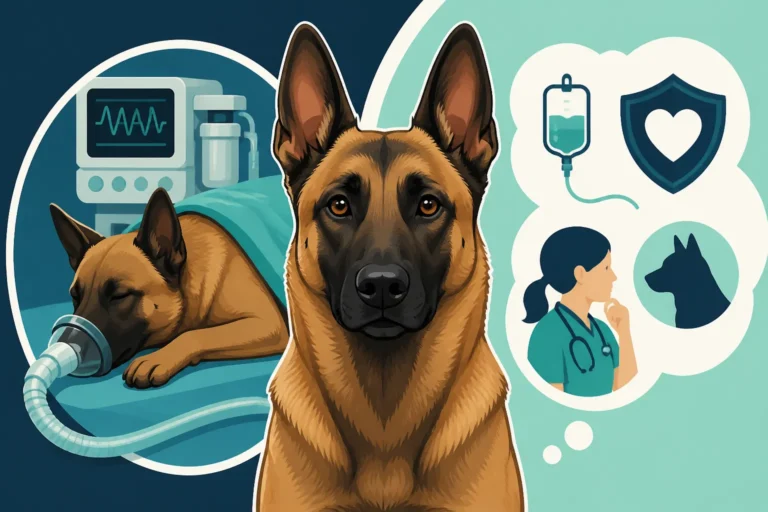
Diagnosing epilepsy in a Belgian Malinois isn't always straightforward. There isn't a single blood test that definitively says "yes, this is epilepsy." Instead, it's often a diagnosis of exclusion. This means your veterinarian will run a battery of tests to rule out other potential causes for seizures. This could include blood work to check for metabolic issues, liver or kidney disease, or electrolyte imbalances. Your vet might suggest infectious disease screening, especially if your dog has been exposed to certain parasites or viruses. Sometimes, toxins or even severe head trauma can induce seizure-like activity.
One of the most valuable diagnostic tools, though often costly, is an MRI of the brain, sometimes accompanied by a cerebrospinal fluid (CSF) tap. These procedures help rule out structural abnormalities like tumors, inflammation, or strokes, which could be causing secondary seizures. If all these tests come back normal, and no other cause is found, your Malinois will likely be diagnosed with idiopathic epilepsy, meaning epilepsy of unknown cause. This is a genetic predisposition, but the exact genes are still being researched. The financial burden of this diagnostic journey can be significant, making pet insurance providers like Healthy Paws a vital consideration for many owners facing such health challenges. Understanding What Diagnosing a Malinois's Seizures Costs can help owners prepare for these expenses.
The Inherited Aspect: Why Genetics Matter in Malinois Epilepsy
The question of breeding an epileptic Malinois hinges almost entirely on the understanding that, for many cases of idiopathic epilepsy, there is a strong genetic component. This isn't just about avoiding passing on a potential problem; it's about the long-term health and integrity of the entire Belgian Malinois breed.
Understanding Genetic Predisposition and Heritability
Idiopathic epilepsy in Belgian Malinois is considered a polygenic trait, meaning it’s influenced by multiple genes rather than a single one. This makes identifying carriers and predicting inheritance patterns much more complex than for a simple recessive gene. Research into the specific genes involved is ongoing, but it's widely accepted that affected dogs carry genetic markers that increase their risk of developing seizures and passing that predisposition to their offspring. This means that even if a dog doesn't have seizures itself, but carries these genetic markers, it could still produce epileptic puppies when bred with another carrier or an affected dog.
The heritability factor is why ethical breeders are so meticulous about health clearances, not just for the dog in front of them, but for their entire pedigree. They look at seizure history in siblings, parents, and even grandparents. If there's a pattern of unexplained seizures within a specific line, responsible breeders typically avoid using those dogs in their breeding programs, even if the individual dog appears healthy. The goal is to reduce the incidence of this devastating disease within the breed, preventing future generations from suffering through unpredictable and potentially life-threatening seizures.
The Difficult Realities of Carrier Status
Unlike some single-gene disorders where DNA tests can definitively identify carriers, the polygenic nature of idiopathic epilepsy means a simple "carrier" test isn't currently available for Belgian Malinois. This lack of a clear genetic marker makes the decision to breed an epileptic Malinois incredibly fraught. If your Malinois has been diagnosed with idiopathic epilepsy, they are, by definition, considered an affected individual. This means they carry the genetic predisposition and have expressed the disease. Breeding them guarantees a higher likelihood of producing offspring who also carry these genes, and potentially express the disease themselves.
Even seemingly healthy relatives of an epileptic Malinois—parents, siblings, aunts, uncles—could be silent carriers, unknowingly contributing to the gene pool. This is why a comprehensive approach to health testing, including scrutiny of an entire pedigree's health history, is paramount. The responsible thing to do is to remove affected individuals from breeding programs to prevent further propagation of the condition. For owners whose Malinois is a beloved pet and an excellent working dog, this news can be heartbreaking, as it closes the door on a potential breeding career. Pet insurance plans, such as those offered by Healthy Paws, can sometimes help cover the costs associated with ongoing care for a chronic condition like epilepsy, alleviating some of the financial burden for owners.
The Ethical Dilemma: Breeding an Epileptic Malinois
When facing the question of breeding a Belgian Malinois with epilepsy, it's not just about a single litter; it's about the breed's future and the commitment to responsible dog ownership. The implications extend far beyond your own backyard.
Assessing the Risk to Future Generations
Breeding a Belgian Malinois with idiopathic epilepsy carries a significant, undeniable risk to any puppies produced. While you might hope that by breeding to a "clean" line (one with no known history of seizures), you could dilute the risk, the polygenic nature of the disease makes such a gamble highly irresponsible. You would be knowingly passing on a predisposition for a serious, chronic, and often life-limiting condition. Imagine the anguish of a new puppy owner discovering their vibrant Malinois puppy starts seizing at six months old. This isn't just a mild inconvenience; it often means a lifetime of medication, veterinary visits, potential emergency care, and the emotional toll of watching your dog suffer.
| Factor to Consider | Breeding Epileptic Malinois | Not Breeding Epileptic Malinois |
|---|---|---|
| Risk to Offspring | High likelihood of genetic predisposition, potential for affected puppies | Eliminates direct transmission from this individual |
| Breed Health Impact | Contributes to prevalence of epilepsy in the breed | Helps reduce incidence over time |
| Ethical Responsibility | Questionable; knowingly passes on a severe health issue | Fulfills ethical duty to improve breed health |
| Financial Burden | Potentially creates huge vet bills for puppy buyers | Avoids creating health problems for others |
| Emotional Toll | Puppy owners face heartache; breeder faces moral dilemma | Owners can focus on caring for their pet Malinois |
The burden doesn't just fall on the new owners; it falls on you as the breeder. Responsible breeding means striving to produce healthy, stable animals. Introducing a known genetic health problem goes against this fundamental principle. It impacts the reputation of your kennel, certainly, but more importantly, it impacts the overall health of the Belgian Malinois breed.
The Responsibility of the Breeder and Owner
The decision to breed or not breed an epileptic Malinois ultimately rests with the owner and breeder, but it's a decision that must be guided by responsibility and ethics. If you are an owner whose Malinois has developed epilepsy, the most responsible path is to remove them from any breeding program. This doesn't diminish their value as a companion or a working dog in other capacities, but it protects future generations. Instead, focus on Managing an Epileptic Belgian Malinois on Medication and giving them the best quality of life possible.
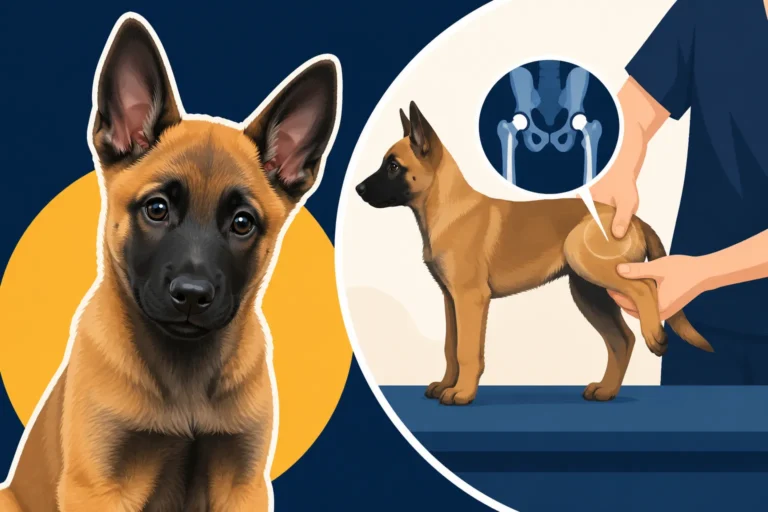
For prospective breeders, it means rigorous selection. Before breeding any Belgian Malinois, extensively research the pedigrees for any history of seizures. Talk to other breeders, look at public health databases if available, and ask direct questions. Even if a particular Malinois has excellent working titles and conformation, a history of epilepsy in its close relatives should give you serious pause. As a community, breeders hold the key to reducing the incidence of these genetic diseases. By making difficult but responsible choices, we can ensure the Belgian Malinois remains a healthy, functional, and incredible breed for years to come. This also extends to careful consideration of Bloodwork Before Breeding a Belgian Malinois and overall health clearances like The Hip and Elbow Numbers Behind a Malinois Clearance.
Life Beyond Breeding: Supporting an Epileptic Malinois
A diagnosis of epilepsy, while potentially ending breeding aspirations, certainly does not diminish the love, companionship, and incredible bond you share with your Belgian Malinois. In fact, it often deepens it, as you become even more attuned to their needs and dedicated to their well-being.
Managing Your Dog's Health and Quality of Life
If your Belgian Malinois is diagnosed with epilepsy, the focus shifts entirely to managing the condition and ensuring they have the highest possible quality of life. This typically involves medication, often prescribed for the remainder of their lives. Common anti-epileptic drugs (AEDs) include phenobarbital, potassium bromide, Levetiracetam (Keppra), and Zonisamide. The goal is to reduce the frequency, severity, and duration of seizures. Finding the right medication and dosage can be a process of trial and error, requiring close collaboration with your veterinarian. You'll likely need regular blood tests to monitor drug levels and check for potential side effects on organs like the liver. Owners will need to understand Monthly Medication for an Epileptic Belgian Malinois and commit to consistent administration.
Beyond medication, environmental management can play a role. Identifying potential What Triggers a Belgian Malinois Seizure can help. Stress, certain sounds, flashing lights, or even changes in routine can sometimes be triggers for some dogs. Maintaining a calm, consistent environment can be beneficial. Dietary considerations might also be explored, with some vets recommending specific diets or supplements. Your role as an owner becomes paramount in monitoring your dog, administering medication, and advocating for their best health. Pet insurance from providers like Healthy Paws can be an invaluable resource in offsetting the continuous costs of prescriptions, veterinary visits, and diagnostic tests associated with managing a chronic condition like epilepsy.
Making Informed Decisions for the Breed's Future
Even if your Malinois can no longer be bred, your experience as an owner of an epileptic dog can still contribute to the breed's future health. Sharing your dog's health information with their breeder, if you acquired them from one, is crucial. This feedback helps responsible breeders assess their lines and make informed decisions for future pairings. Many breed clubs and health organizations also collect anonymized health data, which contributes to research efforts aimed at identifying the genetic markers for epilepsy in Belgian Malinois. Participating in such studies, if available, can directly help in the long-term goal of eradicating the disease from the breed.
Furthermore, being an advocate for responsible breeding practices within the Malinois community is invaluable. Educate prospective owners about the commitment involved in owning a Belgian Malinois, including the potential for health issues like epilepsy, and the importance of choosing breeders who prioritize health testing and ethical decisions. While your journey with your epileptic Malinois may be different than you originally envisioned, your dedication to their care and your contributions to breed health remain incredibly significant. Ensuring your Malinois receives regular veterinary care, including The Bloodwork a Working Malinois Should Have Annually, can help maintain their overall health and well-being, whether they are a working dog or a beloved pet. Even if they are still capable of some work, you might want to consider Whether a Seizing Malinois Can Still Work with your vet.
Disclaimer
This article is intended for informational purposes only and does not constitute veterinary advice. Always consult with a qualified veterinarian for any health concerns or before making any decisions related to your Belgian Malinois's care, treatment, or breeding.