Whether a Malinois’s Cataracts Are Worth Operating On
Seeing your normally sharp, observant Belgian Malinois start bumping into furniture, hesitating on stairs, or missing a retrieve can be heartbreaking and incredibly frustrating. Cataracts are a common, progressive condition that can slowly steal your dog's sight, leaving you to grapple with a difficult decision: is surgery truly worth it for your high-drive companion? This guide will dive deep into understanding Malinois cataracts and help you navigate the complex considerations surrounding surgical intervention.
Understanding Cataracts in Your Belgian Malinois
When your Malinois starts showing signs of impaired vision, it's natural to feel a pang of worry. Cataracts are often the culprit, and while they're common in many breeds, seeing them affect a dog as reliant on its senses as a Malinois brings unique challenges. It’s not just about bumping into things; it’s about their whole world shrinking.
What Are Cataracts and How Do They Form?
At its simplest, a cataract is an opacity or cloudiness in the lens of the eye. Think of the lens like a tiny, clear window inside the eye that helps focus light onto the retina, allowing your Malinois to see crisp images. When proteins within this lens start to clump together, they block and scatter light, turning that clear window cloudy. This is a cataract.
In Belgian Malinois, as with many breeds, cataracts can form for several reasons. The most common cause is simply age, often appearing as "senile cataracts" in older dogs. Just like in humans, the lens naturally stiffens and yellows over time, and these changes can lead to opacities. However, cataracts aren't exclusively an old dog's problem. Genetics play a significant role, and some lines are predisposed to developing cataracts at a younger age. Other less common causes include diabetes (diabetic cataracts can develop rapidly), trauma to the eye, or inflammation from other eye diseases. When we talk about Cataracts in an Older Belgian Malinois, we're often discussing these age-related changes, but it's crucial to rule out other underlying health issues. These opacities aren't just a cosmetic issue; they directly interfere with how much light reaches the retina, progressively blurring vision and eventually leading to blindness if left unchecked.
Identifying the Signs and Stages of Cataracts
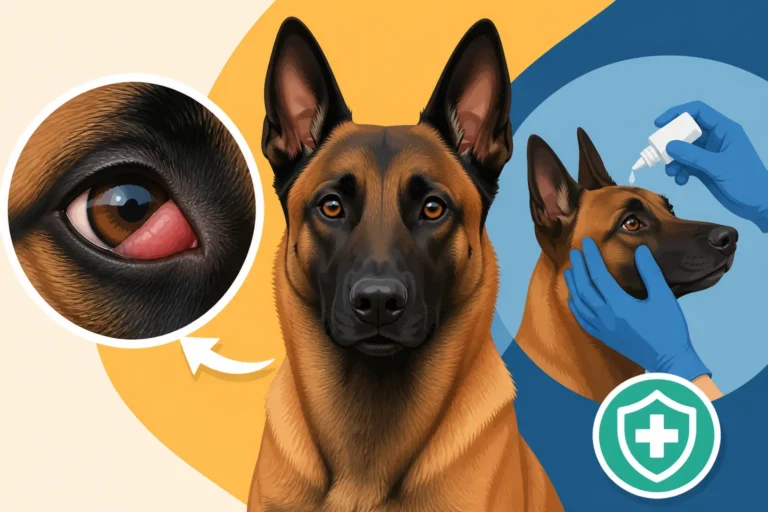
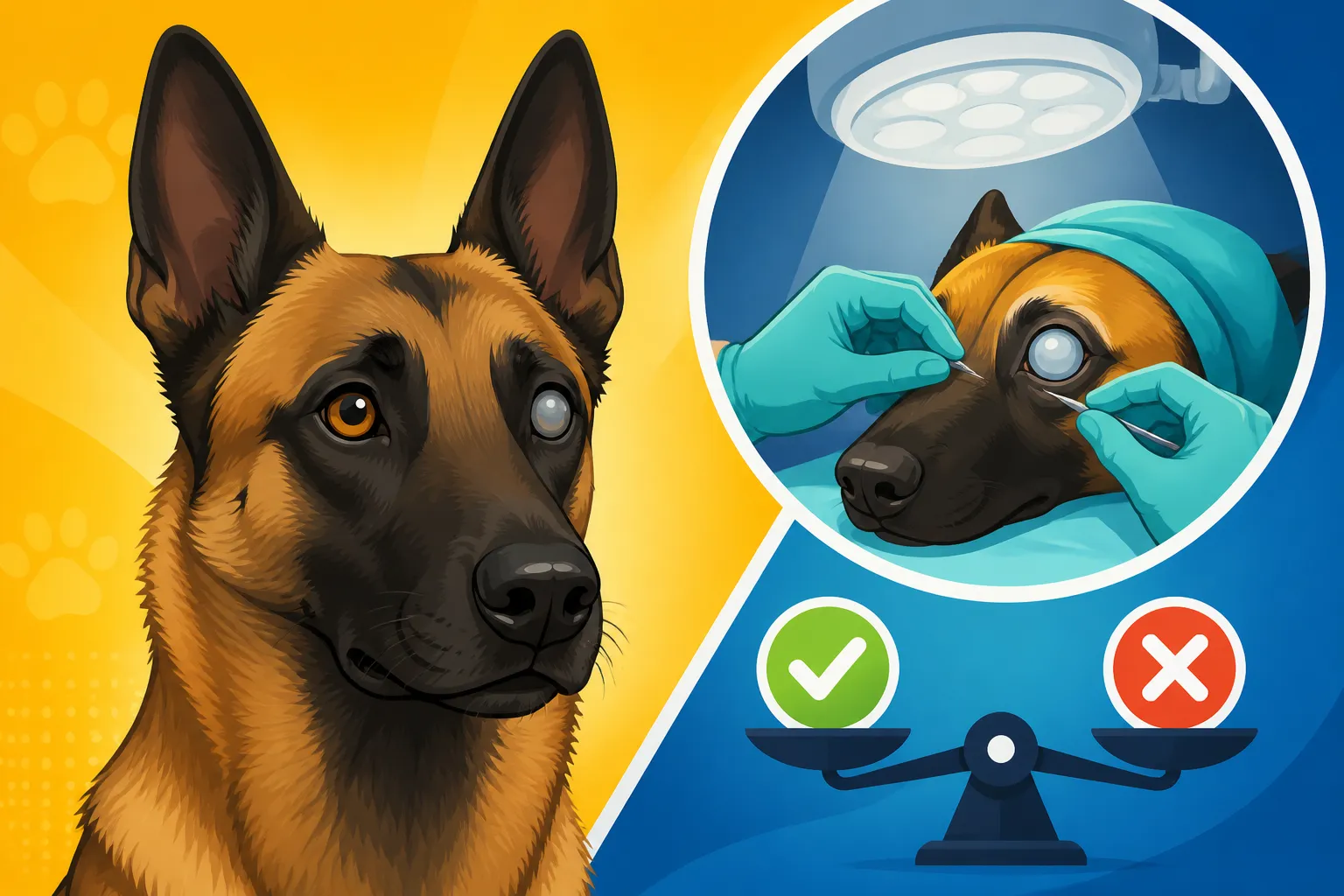
Catching cataracts early can be tricky because dogs are masters at compensating for gradual vision loss. Your Malinois, with its incredible intelligence and other heightened senses, might navigate its familiar environment surprisingly well even with significant cataracts. However, there are signs to look out for. The first, most obvious sign is often a bluish-gray or white cloudiness visible within the pupil of one or both eyes. This might start subtly, looking like a hazy film, and gradually become denser and whiter over time. You might notice it most clearly when light hits their eyes a certain way.
Behaviorally, you might see changes. Your Malinois might hesitate before jumping off furniture or into the car, or they might become clumsier, bumping into objects they usually avoid. They might startle more easily if approached from the side, indicating reduced peripheral vision. In low light or unfamiliar environments, these signs become more pronounced. They might be less confident on walks, especially at dusk or night, pulling back or stumbling. As cataracts progress, the lens becomes completely opaque, blocking all light, leading to total blindness. This is when your Malinois will truly start to struggle with navigation, relying heavily on scent and sound. Observing these early indicators and consulting with your vet, potentially leading to specialized veterinary ophthalmology, is vital to understand the stage and potential progression of the cataracts. It’s part of the comprehensive care involved in The Eye Diseases Behind a Malinois Eye Certificate.
The Decision Point: Weighing Cataract Surgery for Your Malinois
Once cataracts are diagnosed, the question inevitably arises: should we consider surgery? This isn't a simple yes or no answer for any dog, and especially not for a Belgian Malinois, whose quality of life is so tied to its keen senses and high activity levels. It's a deeply personal decision, often influenced by a mix of practical, emotional, and financial factors.
Factors Influencing the Surgical Decision
Deciding whether to pursue cataract surgery for your Malinois involves a careful assessment of several key factors. First and foremost is your dog's overall health and age. While many Malinois live long, healthy lives, an older dog with pre-existing conditions like heart disease or kidney issues might not be a good candidate for general anesthesia. Your vet will conduct thorough Pre-Anesthetic Bloodwork on a Belgian Malinois and other evaluations to determine the risks. Younger dogs with rapidly progressing cataracts, particularly those due to genetic predisposition or diabetes, are often considered better candidates if their overall health is good.
Next, consider your Malinois's quality of life and purpose. Is this a retired family pet who mostly navigates a familiar home and yard, or is it a still-active working dog involved in protection sport, agility, or detection work? For a Malinois whose job, or even just its mental well-being, depends heavily on sharp vision, surgery might be a more compelling option. A visually impaired working dog might struggle to perform, potentially impacting their drive and happiness. However, if the cataracts are minor and only mildly impact vision, or if your dog is older and has already slowed down considerably, adapting to partial blindness might be a more humane and practical approach.
Finally, financial considerations cannot be ignored. Cataract surgery is a specialized procedure, often requiring a veterinary ophthalmologist, and can be quite expensive, easily running into several thousands of dollars per eye. This cost includes the surgery itself, pre-operative evaluations, and extensive post-operative medications and follow-up visits. Pet insurance, like plans offered by Healthy Paws, can certainly help offset these significant veterinary bills, but it's important to understand your coverage and out-of-pocket expenses before committing. Without insurance, this is a major investment.
When Surgery Might Be the Right Choice
For many Malinois owners, especially those with active, working, or sport dogs, cataract surgery can be a game-changer. If your Malinois is otherwise healthy, relatively young (though age isn't a strict disqualifier if health is good), and its cataracts are significantly impairing its vision, surgery can truly restore its quality of life. Imagine a detection dog who can no longer reliably follow scent trails because they can't see the markers, or a sport dog who can't confidently clear jumps. For these dogs, restoring vision isn't just a luxury; it's essential for their continued engagement and mental stimulation.
Surgery is particularly impactful when cataracts are bilateral (affecting both eyes) and mature, meaning they've progressed to the point of causing significant functional blindness. In these cases, the dog's world has likely become a hazy, indistinct place, and surgery offers the chance to literally open their eyes again. The success rates for cataract surgery in dogs are generally high, especially when performed by experienced veterinary ophthalmologists. If your Malinois is still in its prime, say before it starts working shorter sessions, and is facing severe vision loss, surgery can allow them to continue thriving in their chosen activities and maintain the sharp, confident demeanor that defines the breed. It’s about giving them back the ability to interact with their world fully.
When to Consider Alternative Management
While surgery offers incredible benefits, it's not always the best path for every Malinois. There are definite scenarios where opting for alternative management makes more sense. For instance, if your Malinois is quite elderly and has multiple other health issues, such as severe arthritis, heart disease, or cognitive dysfunction, the stress and risks associated with general anesthesia and a demanding post-operative recovery might outweigh the benefits. Sometimes, the kindest decision is to spare them a strenuous medical process.
Similarly, if the cataracts are very small, non-progressive, and only mildly affecting vision, particularly in a dog that is already largely retired and content with a predictable home environment, surgery might be deemed unnecessary. A dog that has already transitioned into Retiring a Working Belgian Malinois From the Job and whose life isn't significantly hindered by slight visual impairment may not benefit enough to justify the invasive procedure.
Another factor is your personal capacity for intensive post-operative care. The recovery period for cataract surgery is crucial and demanding, requiring strict adherence to eye drop schedules (often multiple times a day for weeks or months), restricted activity, and frequent vet visits. If your lifestyle or other commitments make this level of care difficult, it's a realistic consideration. In these cases, focusing on enriching their lives through other senses and creating a safe, navigable environment might be the more practical and compassionate choice.
The Surgical Process and Post-Operative Care
Once the decision is made to proceed with cataract surgery, it's natural to feel a mix of hope and apprehension. Understanding the process and what lies ahead can help you feel more prepared and confident in supporting your Malinois through this journey.
What to Expect During Cataract Surgery
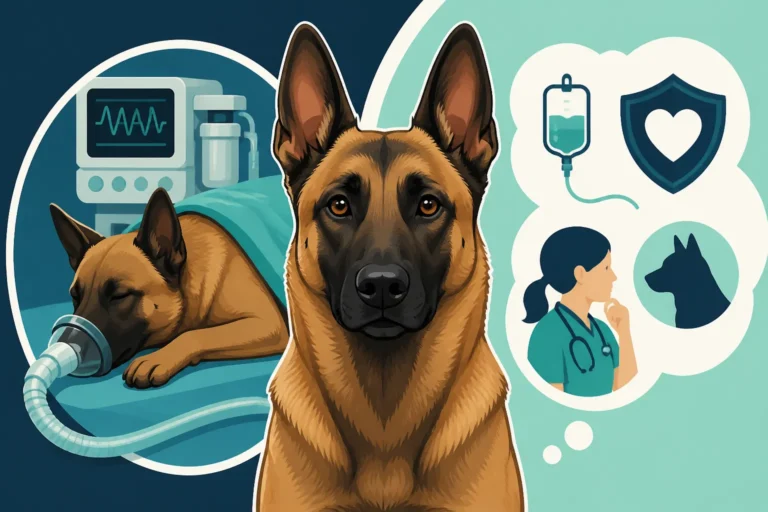
Cataract surgery in dogs is a highly specialized procedure performed by a veterinary ophthalmologist. The most common technique is phacoemulsification, which is the same method used for human cataract removal. Your Malinois will be placed under general anesthesia, a process that requires careful monitoring, especially given the lean body mass often seen in the breed, which necessitates specific Anesthesia Protocols for a Lean Belgian Malinois. Before the procedure, the ophthalmologist will perform a thorough eye examination, often including an electroretinogram (ERG) to assess retinal function and an ocular ultrasound to ensure there are no other underlying issues. These pre-op diagnostics are crucial for predicting surgical success.
During the surgery, a tiny incision is made in the cornea, and a small ultrasonic probe is inserted to break up the clouded lens into tiny fragments. These fragments are then suctioned out. In most cases, an artificial intraocular lens (IOL) is then implanted to restore proper light focus. This is a delicate procedure requiring microsurgical precision. The surgery typically takes about 60-90 minutes per eye. Your Malinois will usually stay overnight for initial post-operative monitoring and pain management. While generally safe, as with any surgery, there are risks involved, including inflammation, glaucoma, retinal detachment, or infection, which your vet will discuss with you beforehand. Ensuring you've had a frank discussion about Why Anesthesia Needs Discussing Before a Malinois Goes Under is always a good idea.
Dedicated Recovery and Long-Term Management
The success of cataract surgery hinges significantly on the diligence of post-operative care. This isn't a "set it and forget it" kind of recovery. Immediately after surgery, your Malinois will likely be sent home with an Elizabethan collar (e-collar) to prevent them from rubbing or scratching their eyes, which is absolutely critical for healing. This collar will need to stay on for several weeks.
You'll also be tasked with administering multiple types of eye drops and oral medications several times a day, often for weeks to months. These medications are crucial for managing inflammation, preventing infection, and controlling intraocular pressure. Missing doses or administering them incorrectly can severely compromise the outcome. Consistency and precision are key, and it can be a challenge with a high-energy Malinois who might not appreciate the frequent interventions.
Beyond medication, activity restriction is paramount. For several weeks, your Malinois will need to be kept calm, avoiding strenuous exercise, rough play, or anything that could increase pressure in their head or cause trauma to the healing eyes. Short, leashed walks are usually the extent of permitted activity. Regular follow-up appointments with the veterinary ophthalmologist are also essential to monitor healing, adjust medications, and catch any potential complications early. This dedicated recovery period, though challenging, directly contributes to the long-term success of the surgery and the restoration of your Malinois's vision.
Living with a Malinois with Untreated Cataracts
For a variety of reasons, you might decide that cataract surgery isn't the right path for your Belgian Malinois. This doesn't mean your dog's quality of life needs to diminish. Malinois are incredibly adaptable, and with some thoughtful adjustments, they can continue to live full, happy lives even with impaired vision. It's about helping them navigate their world confidently using their other powerful senses.
Adapting Your Home Environment for Visual Impairment
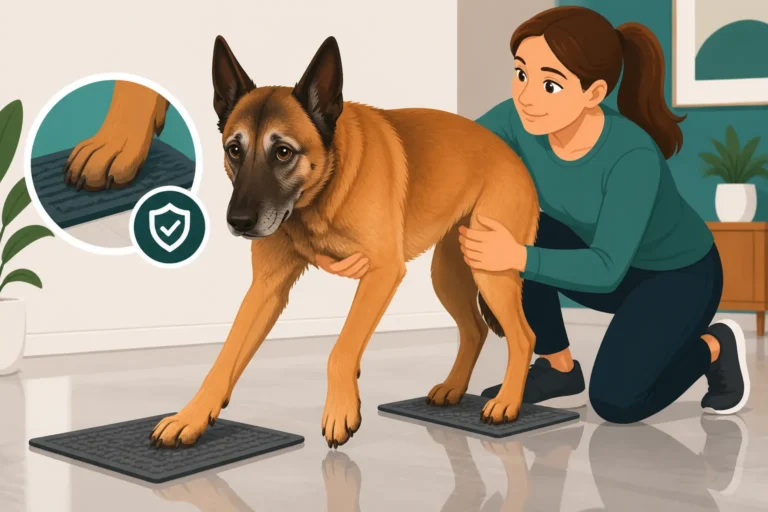
The most important step in supporting a Malinois with untreated cataracts is to make their environment safe and predictable. Consistency is your best friend here. Avoid rearranging furniture or leaving obstacles in their usual paths. If you must move something, guide them around the new layout several times. Consider using baby gates to block off stairs, swimming pools, or areas with potential hazards, especially in a dog known for its boundless energy and determination.
Place food and water bowls in consistent, easily accessible spots. Use tactile cues, like a small rug or a specific texture of mat, in front of their bowls or bed to help them orient themselves. For outdoor access, ensure your yard is securely fenced and clear of potential tripping hazards. Some owners even create a sensory garden with different textures, sounds, and scents to enrich their dog's outdoor experience. Keep their potty spot consistent and easily reachable. Remember, a Malinois thrives on routine, and establishing a consistent, predictable environment will significantly reduce their stress and improve their confidence as their vision declines. It’s about building a sense of security when their visual world is becoming uncertain.
Maintaining Quality of Life Through Other Senses
While cataracts impact vision, your Malinois still possesses an extraordinary sense of smell and hearing, along with a high drive for engagement. Capitalizing on these strengths is key to keeping them happy and mentally stimulated. Engage in plenty of scent work! Hide treats or favorite toys around the house or yard and encourage them to "find it." Nose work games, even simple ones, can be incredibly fulfilling for a Malinois, tapping into their natural instincts and providing a mental workout. You can explore Keeping an Old Belgian Malinois Mentally Busy through these kinds of activities.
Verbal cues become even more critical. Practice using clear, consistent commands for everything – "step up," "watch out," "this way," "stop." You can also use sound cues, like clapping your hands to guide them, or attaching a small bell to family members so your Malinois can track their movements. Walks can still be enjoyable; stick to familiar routes where they know the terrain, and allow them to take their time sniffing every interesting spot. A longer leash can give them more freedom to explore by scent. Toys that make noise or are scented are excellent choices for playtime. While their vision may be compromised, their world doesn't have to shrink if you actively work to engage their other phenomenal senses. This adaptive approach ensures your Malinois maintains its characteristic zest for life, even with this challenge.
Disclaimer
The information provided in this article is for general informational purposes only and does not constitute veterinary medical advice. Always consult with a qualified veterinarian or veterinary ophthalmologist regarding any medical condition or treatment for your Belgian Malinois.