Keeping Two Malinois Under One Roof
The dream of adding a second Belgian Malinois to your household is often born from a deep love for the breed – their intelligence, their drive, their unwavering loyalty. But for many, the reality of managing one Malinois is already a whirlwind, so the thought of bringing another one into the mix can quickly shift from excitement to overwhelming apprehension. This guide is here to walk you through the very real considerations and practical strategies needed to successfully keep two Malinois under one roof, addressing the unique challenges and how to navigate them without turning your home into a high-octane battleground.
Understanding the Dynamics of a Multi-Malinois Household
It's tempting to think that if you've mastered one Malinois, two will simply be "twice as much fun." The truth, however, is that it’s often an exponential increase in management, not just a linear one. The dynamics shift dramatically, and what worked for a single dog might fall apart when you introduce another high-drive, intelligent, and often opinionated canine.
The Inherent High-Drive Nature of the Malinois (and how it doubles)
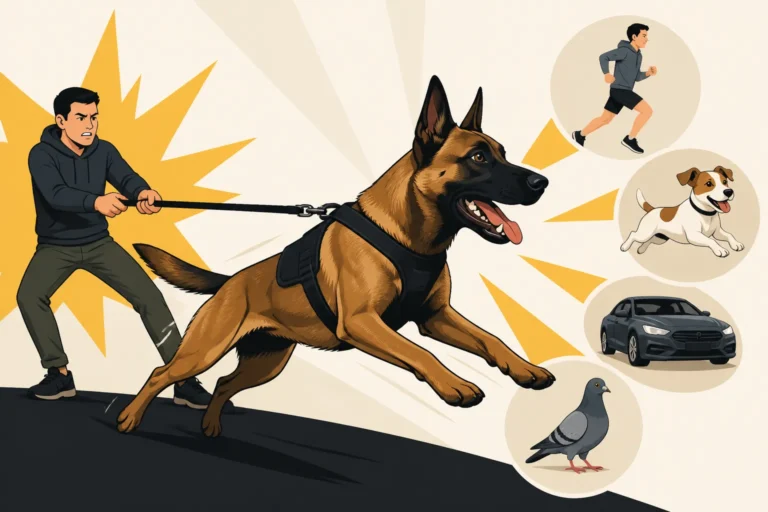
Belgian Malinois are not your average companion dogs. They are bred for work – for intense focus, incredible stamina, and a relentless drive to do something. This isn't a breed content with a couple of walks around the block; they demand a job, mental engagement, and physical exertion, often for Two Hours and a Job a Belgian Malinois Demands Daily. When you introduce a second Malinois, you're not just adding another body; you're adding another complete package of that intense drive. This means double the energy that needs channeling, double the potential for mischief if bored, and double the "always on" switch that many owners find challenging even in a single dog.
Imagine the sheer velocity of two Malinois zooming through your house, or the focused intensity of two pairs of eyes locked onto a perceived threat outside the window. Their natural instinct to herd, chase, and guard can be amplified when there are two of them, often creating a feedback loop where one dog's excitement fuels the other's. This is particularly true if they feed off each other's anxieties or reactiveness. It’s crucial to understand that their inherent high-drive isn't something you can simply train away; it's a fundamental part of who they are, and managing it successfully with two requires meticulous planning and consistency.
Establishing Clear Hierarchy and Leadership
In any multi-dog household, a clear social structure is important, and with Malinois, it's absolutely non-negotiable. While dogs don't necessarily strive for a "pack leader" role over humans in the way many old-school trainers described, they do thrive on clear communication and consistent boundaries from their human guardians. When there are two Malinois, any perceived inconsistency or weakness in leadership can lead to friction, especially as they test boundaries with each other and with you.
You, as the human, need to be the consistent, fair, and firm decision-maker. This means being the one who dictates when and how resources are accessed, when interactions happen, and when calm is expected. Both dogs need to understand that your rules apply to both of them, equally and without exception. If one dog is allowed to push boundaries while the other isn't, resentment and conflict can easily brew. This isn't about dominance in an aggressive sense, but about clear, consistent guidance that both dogs trust and respect. If you're a newer Malinois owner, bringing in a second one without a very strong grasp of The Handler Experience a Belgian Malinois Needs can quickly lead to an overwhelming situation.
Managing Space and Resources to Prevent Conflict
Resource guarding is a natural canine behavior, but with two high-value Malinois, it can quickly escalate into serious altercations if not managed proactively. "Resources" aren't just food; they can be toys, prime sleeping spots, access to you, even a particular patch of sunlight. Failing to manage these can lead to constant low-level tension or sudden, explosive fights.
Consider every resource in your home. Are there enough comfortable, designated sleeping spots for each dog, far enough apart that they don't feel crowded? Do they eat in separate rooms or kennels, without visual access to each other's food bowls? High-value chews or special toys should always be given when dogs are completely separated, ideally in their crates or different rooms. Even your attention can be a resource. Avoid inadvertently fueling jealousy by giving one dog preferential treatment without a clear reason (like during an individual training session). Creating a "turn-taking" system for affection and play can be helpful. This careful management helps instill a sense of individual security, reducing the perceived need for either dog to guard against the other.
Practical Strategies for Daily Management
Successfully integrating and managing two Belgian Malinois isn't just about preventing fights; it's about fostering a harmonious environment where both dogs can thrive as individuals and coexist peacefully as a pair. This requires intentional effort in every aspect of their daily lives.
Individualized Training and Exercise Regimens
One of the biggest mistakes owners make with multiple high-drive dogs is treating them as a single unit for exercise and training. While parallel walks can be great, each Malinois needs its own dedicated mental and physical outlet. Simply letting two Malinois play in the yard together will rarely fulfill their individual needs; often, it just amps them up.
Schedule separate training sessions for each dog, even if it's just 10-15 minutes a day. This builds their individual relationship with you, reinforces their focus, and prevents one dog from overshadowing the other. Consider different activities based on their unique strengths and preferences. One might excel at Tracking Training Involves for a Belgian Malinois, while the other might prefer agility or scent work. For physical exercise, alternating walks, runs, or flirt pole sessions means each dog gets your undivided attention and a chance to truly burn off steam without the distraction or competitive element of the other. Some owners find systems like BAXTER & Bella helpful for structured online training they can adapt for each dog individually, ensuring a solid foundation for both without the chaos of a group class for two highly driven pups.
Structured Socialization and Supervision
While your two Malinois might be "friends," their interactions still need structure and supervision. Uncontrolled free-for-alls, even if they seem friendly, can quickly escalate or reinforce undesirable behaviors. Instead, aim for structured playtime. This means you initiate and end the play, you dictate the rules (e.g., no excessive body slamming, no constant barking), and you intervene when intensity levels get too high.
Even when they're simply coexisting, always be present and attentive. Don't leave two Malinois unsupervised for long periods, especially not if they have access to shared resources or if one has a history of Same Sex Aggression in Belgian Malinois. It's about being proactive, not reactive. Observe their body language: are ears pinned? Tails tucked? Are eyes hard? Is one dog constantly trying to put itself between you and the other? These are subtle cues that signal underlying tension. Supervise feeding, rest times, and certainly any time high-value items are present. It's often helpful to crate them separately when you can't actively supervise, providing a much-needed mental break for everyone.
Implementing Parallel Play and Down Time
Teaching your Malinois to exist peacefully in the same space without constant interaction is a vital skill. This is where "parallel play" and structured downtime come in. Parallel play involves engaging both dogs in separate, independent activities in the same room. One might be working on a puzzle toy, while the other is chewing a durable bone from Amazon (like a KONG Extreme or a Nylabone). The goal is for them to learn that they can be together without needing to interact, compete, or escalate excitement.
Equally important is teaching them to settle and relax independently. This often means crating them separately or putting them on "place" beds in different areas of the room for periods of quiet downtime. This helps them develop an Building an Off Switch Into a Belgian Malinois as individuals, rather than constantly feeding off each other's energy. It's about creating mental breaks and preventing them from becoming over-stimulated by each other's presence. Without this, you might find yourself with two dogs that literally never stop moving, causing chaos and exhaustion for everyone involved.
Addressing Common Challenges and Preventing Issues
The road to a harmonious multi-Malinois home isn't always smooth. There will be moments of tension, frustration, and doubt. Anticipating and proactively addressing common challenges is key to long-term success.
Preventing Resource Guarding and Jealousy
As mentioned before, resource guarding is a major concern. To truly prevent it from escalating, you need a system. Feed both dogs in separate, secure locations. If one finishes first, they remain in their feeding area until the other is done and both bowls are put away. Distribute high-value treats or chews when dogs are crated or in separate rooms. Collect toys before leaving them unsupervised.
Jealousy for human attention is another subtle form of resource guarding. When you're giving affection, be mindful of the other dog. If one dog consistently pushes the other away to get to you, that's a red flag. Teach both dogs a "wait" or "boundary" command (like a 'place' bed) so they learn to calmly await their turn for attention. A structured approach, where you call one dog for affection, then release them and call the other, can be very effective in building individual confidence and reducing competitive behaviors around you.
Managing Rivalry and Potential for Conflict
Even with the best management, subtle rivalries can emerge, especially as dogs mature. Watch for escalating tensions: stiff bodies, hard stares, raised hackles, growling, or excessive corrections from one dog to another. These aren't "just playing"; they are warnings. Intervene before a fight breaks out. Interrupt the interaction, separate the dogs, and give them time to de-escalate individually.
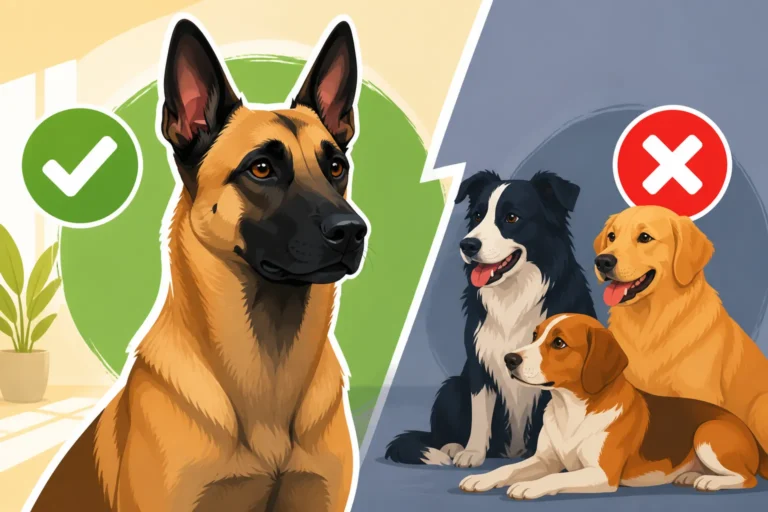
Understand that some Malinois, particularly same-sex pairs, may never be truly "best friends" in the sense of being able to freely roughhouse without supervision. In these cases, your role shifts to managing their environment so they can coexist without stress. This might mean permanent management with gates, crates, and separate exercise routines. It’s better to accept that they need managed interaction than to constantly push for a bond that isn't naturally there, risking serious injury or chronic stress for your dogs. Introducing a New Malinois to the Dog You Have needs to be done with extreme care and ongoing management in mind.
When to Seek Professional Guidance
Sometimes, despite your best efforts, the dynamics between two Malinois become too challenging to manage on your own. This is not a failure; it's a recognition that you need specialized help. If you're seeing consistent aggression, serious fights, chronic stress in one or both dogs, or if you simply feel overwhelmed, it's time to bring in a professional.
Look for a certified professional dog trainer or behaviorist who has extensive experience with high-drive working breeds like Malinois and specifically with multi-dog households. They can help you identify triggers, analyze body language, develop tailored management plans, and teach you advanced handling skills. They might suggest behavior modification protocols, discuss specific training tools (such as heavy-duty crates or a high-quality long line from Amazon), or recommend environmental adjustments that you hadn't considered. Don't wait until a serious incident occurs; early intervention is always best.
The Financial and Time Commitment Multiplied
Let's be brutally honest: deciding to keep two Belgian Malinois is not just twice the dog, it's often more than twice the commitment in terms of both time and money. Many people underestimate just how much Whether a Second Belgian Malinois Doubles Everything in their life.
Doubling Down on Costs: Food, Vet, and Training
Financially, everything doubles, and sometimes more. You're looking at twice the food bill, and Malinois, especially working ones, eat a lot of high-quality, high-protein kibble. Consider also the regular expenses: twice the flea and heartworm prevention, double the annual vet check-ups, and double the potential for emergency vet visits, which can be astronomically expensive with two active, high-risk dogs. What a Year With a Working Belgian Malinois Costs becomes a minimum of double that figure.
Then there's training. While some training can be done simultaneously, much of it needs to be individualized, meaning potentially twice the cost for private lessons, club memberships, or entry fees for sports trials. You'll need durable toys, leashes, collars, and possibly specialized equipment for each dog. Accident insurance or liability policies also need to be considered for both. The cumulative cost over The Fourteen to Sixteen Years a Belgian Malinois Lives for each dog is significant.
The Exponential Time Investment
Time is arguably the biggest multiplier. It's not just two walks instead of one; it's two separate training sessions, two separate grooming sessions, potentially two separate exercise outings (e.g., one on a run, the other doing mental work), and managing their interactions throughout the day. Your weekdays become a carefully choreographed dance of individual attention, management, and group coexistence.
Think about logistics: managing two dogs at the vet, traveling with two dogs, or even finding a dog sitter who can competently handle a pair of Malinois. Free time becomes a luxury, as much of your day will revolve around meeting the intense needs of two highly driven animals. While the rewards of having two loyal, intelligent Malinois can be immense, it's critical to enter into this arrangement with eyes wide open to the profound commitment required. If you're feeling a bit overwhelmed by the prospect of training even one puppy, seeking guidance from an online program like BAXTER & Bella before adding a second dog could provide a valuable foundation for managing a multi-dog household. Understanding The Mental Work That Finally Tires a Malinois Out for each dog is essential, and finding ways to implement this for two can be a true logistical challenge.
Disclaimer
This article is for general informational purposes only and does not constitute professional advice. Laws, prices and regulations vary by location and change over time. Consult a qualified professional for guidance on your specific situation.