Search and Rescue Work With a Belgian Malinois
The intense drive and relentless energy of a Belgian Malinois can be a challenge for even experienced dog owners, often leaving them searching for a productive outlet that truly satisfies their canine partner. This comprehensive guide will explore how the inherent traits of the Belgian Malinois make them exceptional candidates for search and rescue (SAR) work, detailing the training, commitment, and various disciplines involved in transforming that boundless energy into life-saving service.
Tapping into the Malinois Drive for Search and Rescue
There's a reason the Belgian Malinois has risen to prominence in police, military, and protection work: their incredible drive. This isn't just about physical energy; it's a potent combination of intellect, tenacity, and an insatiable desire to work. For many Malinois owners, finding a suitable job is paramount, and search and rescue offers a profoundly fulfilling path that channels these powerful instincts into a vital public service.
Why the Malinois Excels in SAR: A Deep Dive into Instinct
At their core, Belgian Malinois possess a unique blend of traits that make them stellar SAR prospects. Their prey drive, often seen as an unmanageable trait in pet homes, becomes a powerful asset in search work. This drive fuels their motivation to find the "victim" (who is often presented as a "toy" or "reward") and alerts them with enthusiasm. Coupled with this is their exceptional scenting ability, allowing them to discriminate and follow human odor even in challenging environments. Their endurance is legendary; they can cover vast, uneven terrains for hours without flagging, a critical factor in large-scale search operations. This isn't just about raw speed or strength; it’s about sustained, focused effort. Furthermore, their high intelligence and strong desire to please their handler mean they are highly trainable, capable of learning complex commands and problem-solving in dynamic situations. Imagine a dog that can scale rubble, navigate dense forest, and ignore distractions, all while meticulously searching for a single, crucial scent – that's the Malinois at its best in SAR. This inherent focus, often expressed as an unwavering intensity towards a goal, is what separates them from many other breeds. Properly channeled, this "on" switch can be a life-saving tool. Many handlers recognize that Channeling a Belgian Malinois's Prey Drive Into a Tug is a foundational step, teaching them to direct that intensity into a controlled, productive outlet.
Building a Rock-Solid Foundation: Obedience and Socialization
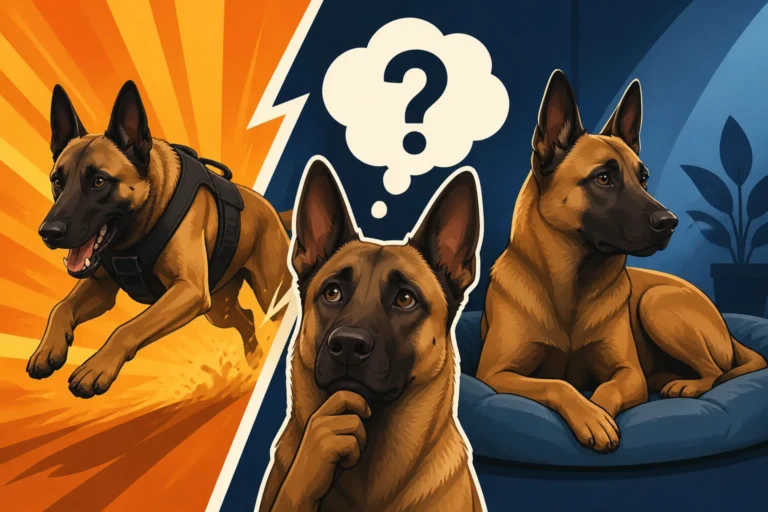
Before a Malinois can effectively engage in complex SAR tasks, they need an iron-clad foundation of obedience and controlled socialization. SAR environments are inherently unpredictable and chaotic, from noisy helicopters overhead to unfamiliar terrain and the presence of many strangers. A SAR dog must be bombproof in its obedience, responding instantly and reliably to commands like "stay," "come," "down," and "heel" regardless of distractions. This isn't just about impressing a judge; it's about the safety of the dog, the handler, and the public. Imagine a dog losing focus near a steep drop-off or running into a dangerous area. Reliable recall, especially, is non-negotiable. Furthermore, while SAR dogs don't need to be overly friendly, they must be neutral and comfortable around diverse people, other dogs, and various sights and sounds. An aggressive or fearful dog is a liability and cannot effectively work in SAR. Early and consistent exposure to different environments, people, and stimuli, always in a positive and controlled manner, is crucial. For many new puppy owners, a program like the one offered by BAXTER & Bella can provide excellent guidance on these foundational obedience and socialization steps, setting the stage for more advanced training. Learning to Building an Off Switch Into a Belgian Malinois is just as important as building drive, allowing the dog to settle and conserve energy when not actively searching.
Physical and Mental Preparation for the SAR Dog
The demands of search and rescue work extend far beyond basic obedience. A SAR Malinois must be in peak physical condition to withstand the rigors of long searches in challenging terrain and weather conditions. This means building stamina through activities like long-distance runs, hiking, and swimming. Agility is also key, as they often need to navigate obstacles, climb over debris, or squeeze into tight spaces. Controlled jumps, balance exercises, and navigating various surfaces help build the necessary coordination and strength. Beyond the physical, mental preparation is equally vital. A SAR Malinois needs to be a problem-solver, capable of working independently when out of sight of its handler, deciphering scent puzzles, and maintaining focus over extended periods. Environmental exposure, such as training in dense woods, urban ruins, water bodies, and varying weather, prepares them for real-world scenarios. This continuous engagement of both body and mind ensures they are always ready for the unpredictable nature of SAR deployments. It takes more than just a quick walk around the block to keep these dogs tuned. As most Malinois owners know, How Many Hours a Belgian Malinois Should Work Daily is a serious question that points to the need for substantial physical and mental engagement.
Navigating the World of SAR Training and Certification
Embarking on the SAR journey with a Belgian Malinois is a significant commitment that requires dedication, perseverance, and often, a thick skin. It's not a solitary endeavor; success hinges on finding the right mentors and integrating into a team. The path is structured, progressing from fundamental play-based exercises to highly complex scenarios that mirror real-life emergencies.
Finding the Right SAR Organization and Mentors
The first critical step is to find a reputable search and rescue organization or trainer in your area. This isn't a hobby you can tackle effectively alone. SAR teams are often volunteer-based and operate with strict protocols and high standards. Look for teams that are certified by national or international bodies, as this indicates a commitment to professional standards. These organizations will typically have a structured training program, experienced mentors, and access to suitable training grounds. They will also be able to guide you on the specific requirements for your dog and yourself. Be prepared for an interview process and potentially a probationary period, as SAR work requires a high level of dedication and teamwork from handlers. You're not just training a dog; you're becoming part of a highly coordinated effort. While the context is different, the principle of Finding a Club That Will Take a Belgian Malinois rings true here; you need to find an organization that understands and appreciates the unique capabilities of your Malinois.
Starting with the Basics: From Play to Purpose
Initial SAR training often begins by leveraging the Malinois's natural play drive. The goal is to make "finding" a person the most rewarding game imaginable. This typically starts with simple "runaways" where a trusted person (the "victim") hides a short distance away, and the dog is encouraged to find them and receive a massive reward (a favorite tug toy, high-value treats). The distance and difficulty of the hides gradually increase, building the dog's confidence and problem-solving skills. The "find" is always celebrated enthusiastically to solidify the positive association. Throughout this process, a strong "bark alert" or "refind" (leading the handler back to the victim) is taught. Gear also becomes important; a sturdy, well-fitting harness, a long line, and a consistent reward system are essential. Many handlers find that durable equipment, easily sourced from retailers like Amazon, is crucial for sustained training. Thinking back to The First Week With a Belgian Malinois Puppy, the principles of positive reinforcement, clear communication, and building a strong bond remain central, even as the tasks become more complex.
Advancing Through Scenarios: The Path to Certification
As the Malinois progresses, training moves into increasingly realistic and challenging scenarios. This includes working in diverse environments such as dense forests, urban rubble piles, open fields, and even disaster sites. Hides become more difficult, sometimes involving multiple victims, varying depths of burial, or scent puzzles that require the dog to work against wind currents or through distractions. The dog learns to differentiate human scent from other animal odors and to work effectively both on and off-leash. Handlers also learn critical skills like map reading, compass navigation, wilderness first aid, and incident command protocols. Certification is the ultimate goal, involving rigorous tests conducted by independent evaluators. These tests assess both the dog's ability to find and indicate a "victim" and the handler's ability to safely and effectively manage their dog in a simulated emergency. Maintaining the dog's overall health is paramount through this intense training. Regular veterinary checks, as discussed in The Checkup Schedule a Sport Malinois Should Keep, are crucial to ensure they remain sound and fit for duty.
Understanding Different Search Disciplines for a Malinois
The world of search and rescue is broad, encompassing several specialized disciplines. A Belgian Malinois, with its versatility and keen senses, can excel in many of these, though individual dogs and handlers may gravitate towards one area over others. Each discipline presents unique challenges and training requirements, demanding specific skills from the dog and a deep understanding from the handler.
Area Search: The Wilderness Warrior
Area search is perhaps the most iconic form of SAR, where a dog covers a large wilderness area, often off-leash, to locate human scent. The Malinois's incredible stamina, speed, and ability to cover ground quickly make them ideal for this. Handlers learn to "read" their dog's body language, understanding subtle changes that indicate they are working scent. Dogs are trained to work wind currents, systematically sweeping an area, and to give a clear alert (often a bark or a return-and-refind) when they locate a scent source or a person. This discipline requires the dog to be independent yet biddable, capable of making decisions about where to search while remaining responsive to handler commands. The terrain can be brutal – steep inclines, dense undergrowth, rivers, and unpredictable weather all test the mettle of both dog and handler.
Trailing and Tracking: Following the Human Footprint
While often used interchangeably, trailing and tracking are distinct disciplines. Tracking involves following the specific ground disturbance left by a person's footsteps, requiring the dog to keep its nose to the ground and meticulously follow the exact path. Trailing, on the other hand, involves following the unique scent signature of an individual, often with the dog's nose higher off the ground, working wind currents and scent pools. Malinois can be trained for both, though trailing often leverages their strong air scenting capabilities. These disciplines require immense focus and patience. The dog must learn to ignore environmental distractions and follow a specific scent, often over varied surfaces like asphalt, grass, and dirt, and through areas contaminated by other human odors. The ability to identify and stick to the "target" scent, even hours after a person has passed, is a remarkable skill that a well-trained Malinois can master.
Specialized Searches: Water, Cadaver, and Disaster
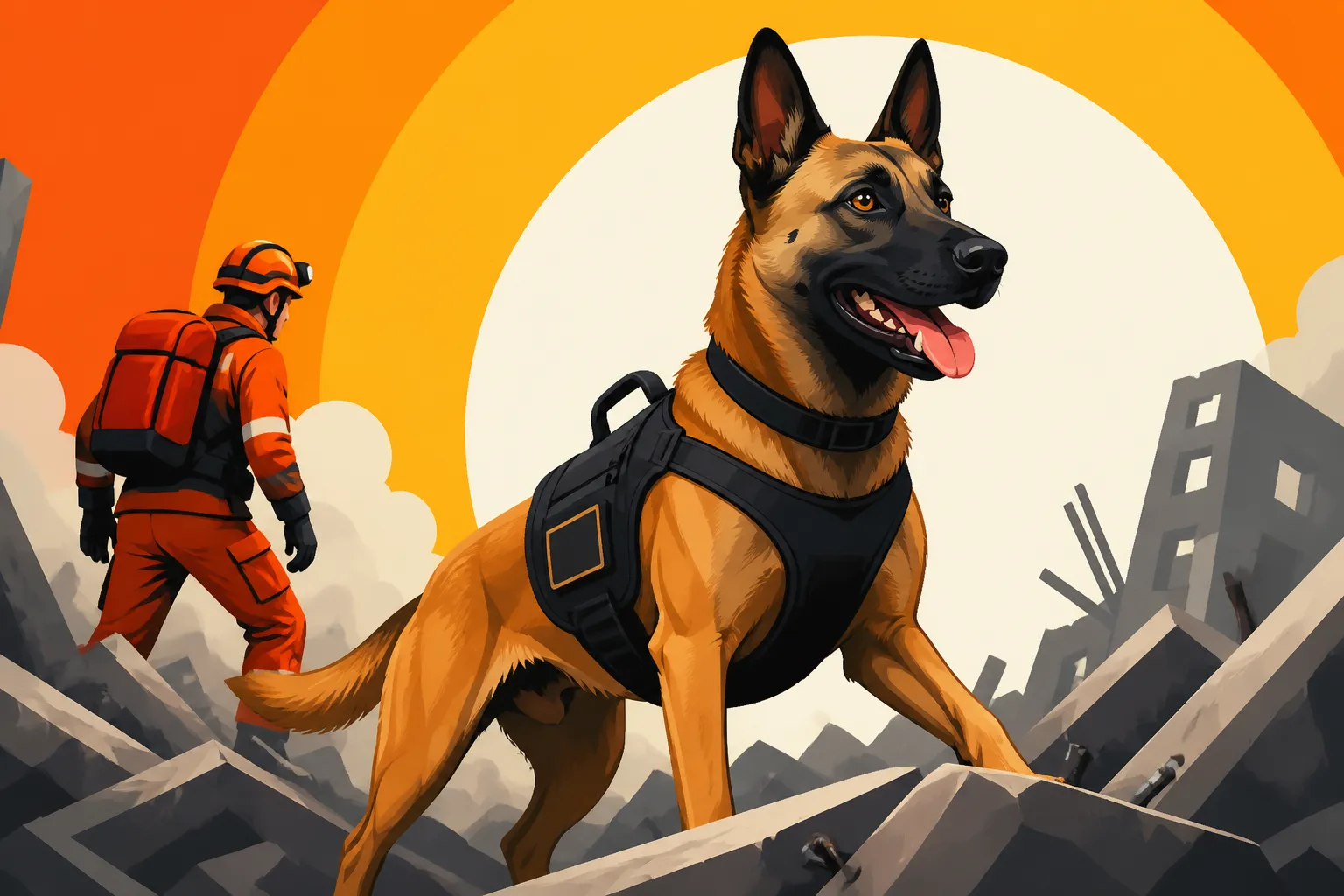
Beyond live-find wilderness and trailing, Malinois can also be trained for highly specialized SAR roles. Water search dogs are trained to detect human scent emanating from bodies submerged in water, often working from boats or shorelines. Cadaver (human remains detection) dogs are trained to locate specific decomposition scents, a critical skill in identifying remains after natural disasters or criminal acts. Disaster search dogs, sometimes called urban search and rescue (USAR) dogs, work in environments devastated by earthquakes, explosions, or other catastrophic events. They are trained to navigate unstable rubble piles, locate trapped survivors, and work in incredibly noisy, dusty, and dangerous conditions. This often requires exceptional agility, balance, and nerve, traits that a strong working-line Malinois often possesses. Each of these specialized areas demands a unique set of skills and an even deeper level of commitment to training and exposure.
The Realities of Life as a SAR Handler and Malinois Team
While the idea of a Malinois saving lives is inspiring, the reality of search and rescue work is far from glamorous. It demands immense personal sacrifice, unwavering commitment, and a deep understanding of the practical and emotional challenges involved. It's a journey not for the faint of heart, but one that offers unparalleled rewards.
The Unseen Costs and Time Investment
Becoming a certified SAR team involves a significant investment of both time and money. Training is not a once-a-week commitment; it's an ongoing, almost daily endeavor. Handlers spend countless hours training, attending workshops, participating in team exercises, and practicing their own navigation and first-aid skills. Travel to training locations, often remote and challenging, is common. Financially, the costs can quickly add up. Beyond basic dog care, there are expenses for specialized equipment (harnesses, tracking lines, first-aid kits, GPS units, comms gear, protective boots, high-quality durable toys for rewards), often sourced from retailers like Amazon. Certification fees, continuing education, and travel expenses for deployments also contribute. Perhaps most significantly, the veterinary care for a high-performance working dog can be substantial. Just like a bite sport dog, the physical demands mean that The Vet Bills a Bite Sport Belgian Malinois Runs Up are a real consideration, requiring proactive health management and emergency preparedness.
The Emotional Labor and Profound Rewards
SAR work is not always about heroic finds and heartwarming reunions. Handlers and their dogs often face emotionally taxing situations, including recovering deceased individuals, working in grim disaster zones, and enduring long, fruitless searches. The pressure to perform, the physical exhaustion, and the emotional toll of witnessing human tragedy can be immense. Handlers must develop resilience and coping mechanisms to deal with the inherent stress. However, despite these challenges, the rewards are profound. The bond forged between a SAR handler and their Malinois is incredibly deep, built on trust, mutual reliance, and shared purpose. There is an unparalleled satisfaction in knowing that your dedication and your dog's unique abilities contribute directly to helping others in their most desperate moments. Even in unsuccessful searches, knowing you gave every effort provides a measure of peace.
Maintaining Peak Performance and Longevity
A SAR Malinois is an athlete, and like any athlete, maintaining peak performance and ensuring longevity requires continuous effort. Ongoing training is essential to keep skills sharp, adapt to new techniques, and address any potential weaknesses. This includes regular physical conditioning to maintain stamina and strength, and mental stimulation to keep the dog engaged and focused. Health monitoring is also crucial. Regular veterinary check-ups, appropriate nutrition, and a keen eye for any signs of injury or illness are paramount. Proactive care can help prevent serious issues down the line. Discussions around topics like Keeping a Belgian Malinois Sound Past Twelve become relevant, as handlers aim to extend their dog's working life while ensuring their comfort. If medical procedures are needed, understanding nuances such as Anesthesia Protocols for a Lean Belgian Malinois is critical for their safety. Communication tools, like e-collars, when used responsibly and with proper training, can also be part of maintaining a nuanced communication system over long distances, though it's important to understand the discussions around tools like these, such as Whether an E-Collar Damages a Soft Malinois. Safe transport to and from deployments, often involving specialized vehicles and Crash Tested Transport Crates for a Malinois, is another vital aspect of their long-term care, protecting them during travel to potentially dangerous sites. The commitment to a SAR Malinois is a lifelong one, ensuring they live a full, purposeful, and healthy life, both on and off the job.
Disclaimer
This article is for general informational purposes only and does not constitute professional advice. Laws, prices and regulations vary by location and change over time. Consult a qualified professional for guidance on your specific situation.