Herding Trials With a Belgian Malinois
For those of us who share our lives with a Belgian Malinois, the sheer intensity and drive can sometimes feel overwhelming. You know the feeling – you're trying every trick in the book to keep their brilliant minds and boundless energy occupied, but it often feels like you're fighting a losing battle, especially when their inherent instincts start bubbling to the surface in ways you hadn't quite anticipated. If you've ever wondered if herding trials could be the answer to channeling that incredible prey drive and mental acuity, you're in the right place. This guide is all about exploring whether herding is a viable and fulfilling path for your Malinois, and how to actually get started.
The Deep-Seated Herding Instinct of the Belgian Malinois
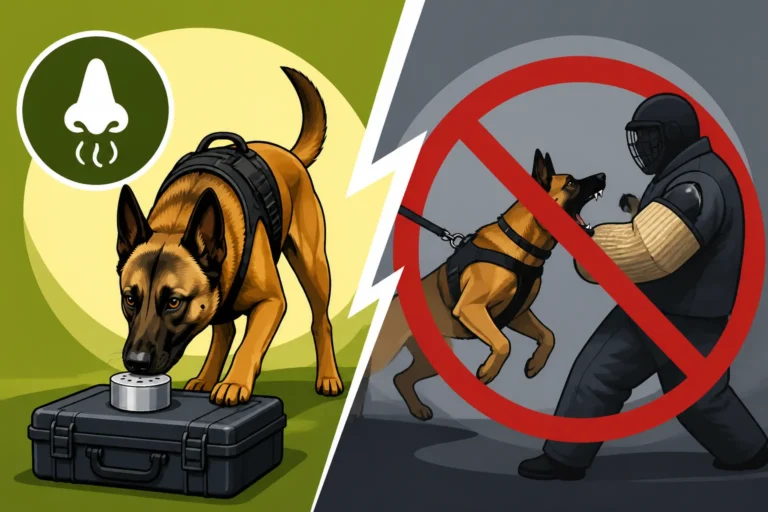
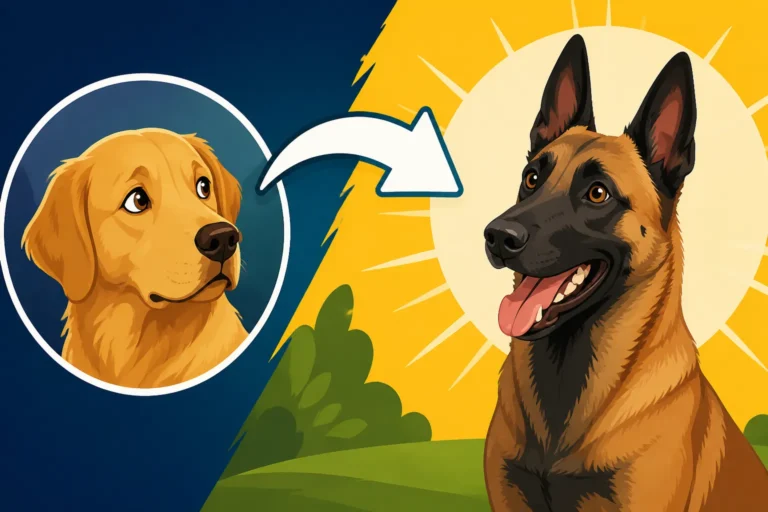
It’s easy to look at a Malinois today and think of them primarily as police, military, or sport dogs, bred for protection work, detection, and intense obedience. But before they were catching bad guys or tearing up a bite sleeve, the Belgian Malinois was fundamentally a pastoral dog, a working farm dog bred to gather and move livestock. That historical blueprint is still etched deep into their DNA, often manifesting in subtle, and sometimes not-so-subtle, behaviors in our modern homes.
Tracing the Malinois's Herding Roots
The Belgian Malinois, one of four varieties of Belgian Shepherd Dogs, hails from the Malines region of Belgium. Back in the late 19th and early 20th centuries, these dogs were indispensable partners to shepherds and farmers. They were selected for their intelligence, agility, biddability, and courage—all traits essential for controlling sheep, cattle, and other farm animals. They needed to be quick thinkers, able to respond to commands instantly, and possess an inherent desire to manage the flock. This historical purpose is why, even today, many Malinois exhibit a powerful instinct to chase, gather, and control movement. It's not just "prey drive" in a generic sense; it's often a highly structured, almost tactical form of drive that screams "I need a job!" The Herding Instinct Still in a Belgian Malinois is a powerful force that needs appropriate outlets.
Recognizing Herding Behaviors in Your Malinois
So, how does this ancient instinct show up in your modern Malinois? You might notice them trying to "herd" your children, other pets, or even you, by circling, nudging, or blocking pathways. They might have an uncanny ability to anticipate movement and position themselves to cut off an escape route, even if it's just a rogue tennis ball. Chasing squirrels with an almost surgical precision, or constantly wanting to organize toys into a pile, can also be manifestations of this innate drive. For many owners, this behavior can be perplexing or even frustrating if misunderstood. It’s not necessarily aggression; it’s a powerful, inherent programming looking for an appropriate output. Understanding these nuanced behaviors is the first step in deciding if herding is right for your dog.
Why Channeling This Drive is Crucial
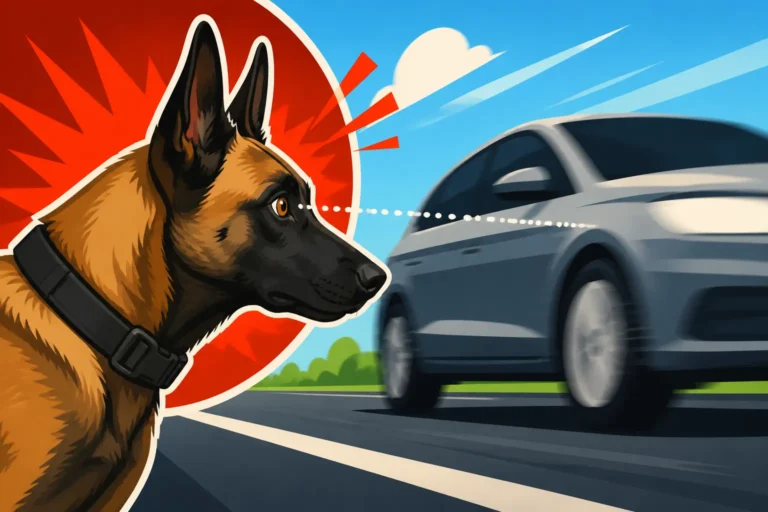
Ignoring or suppressing a Malinois’s natural instincts can lead to a host of behavioral problems. Without an outlet for their intelligence and physical energy, they can become destructive, anxious, or develop obsessive behaviors. They might start herding things you don't want them to, like cars, bikes, or even strangers coming to your door. Providing a structured activity like herding trials offers a constructive way to fulfill their genetic predisposition. It gives them a "job" that is both physically demanding and mentally stimulating, which is the holy grail for a breed like the Malinois. It's not just about exercise; it's about purpose. When you engage them in an activity that taps into their deepest desires, you'll see a level of focus and contentment that casual walks or fetch games simply can't provide. It creates a partnership based on instinct and training that is incredibly rewarding for both dog and handler. The Mental Work That Finally Tires a Malinois Out isn't just a saying; it's a necessity.
Getting Started: From Backyard to Beginning Trials
Deciding that herding might be a good fit is one thing, but actually diving into the world of livestock can feel intimidating. Don't worry, you don't need a farm or a flock of sheep in your backyard to get started. The key is to find the right guidance and take measured steps. This isn't a sport where you can just "wing it"; it requires careful introduction and skilled instruction.
Finding a Qualified Herding Instructor
This is, without a doubt, the most critical step. Herding is a nuanced sport that involves live animals, and doing it incorrectly can be dangerous for both your dog and the livestock. You need an instructor who understands not only herding mechanics but also the specific drives and sensitivities of a Malinois. They should be experienced in working with high-drive breeds and be able to read your dog’s subtle cues. Look for instructors associated with recognized herding organizations like the American Herding Breed Association (AHBA) or the American Kennel Club (AKC) Herding program. Often, these instructors run clinics or private lessons at their farms, which might be a bit of a drive, but it's worth it. Ask about their philosophy, how they introduce dogs to stock, and if they have experience with Malinois or similar intense breeds. A good instructor will prioritize safety, ethical stock handling, and building a strong working relationship between you and your dog.
Initial Steps and Equipment for Herding
Before you even get near sheep, your Malinois needs to have a solid foundation of obedience. A reliable recall, a strong "stay" or "down" command, and the ability to focus on you amidst distractions are non-negotiables. These are the building blocks that allow you to communicate effectively with your dog in a high-drive environment. Consider enrolling in advanced obedience classes or even an online program like BAXTER & Bella's which focuses on foundational skills, building engagement, and clear communication. You'll also need basic equipment: a sturdy leash (often a long line for initial work), a comfortable flat collar or harness, and possibly a whistle. While specialized herding equipment like a crook or specific herding stick will come later, your initial focus should be on building control and connection. Remember, Obedience a Malinois Needs Before Protection Work (or herding work, in this case!) is paramount.
Introducing Your Malinois to Livestock
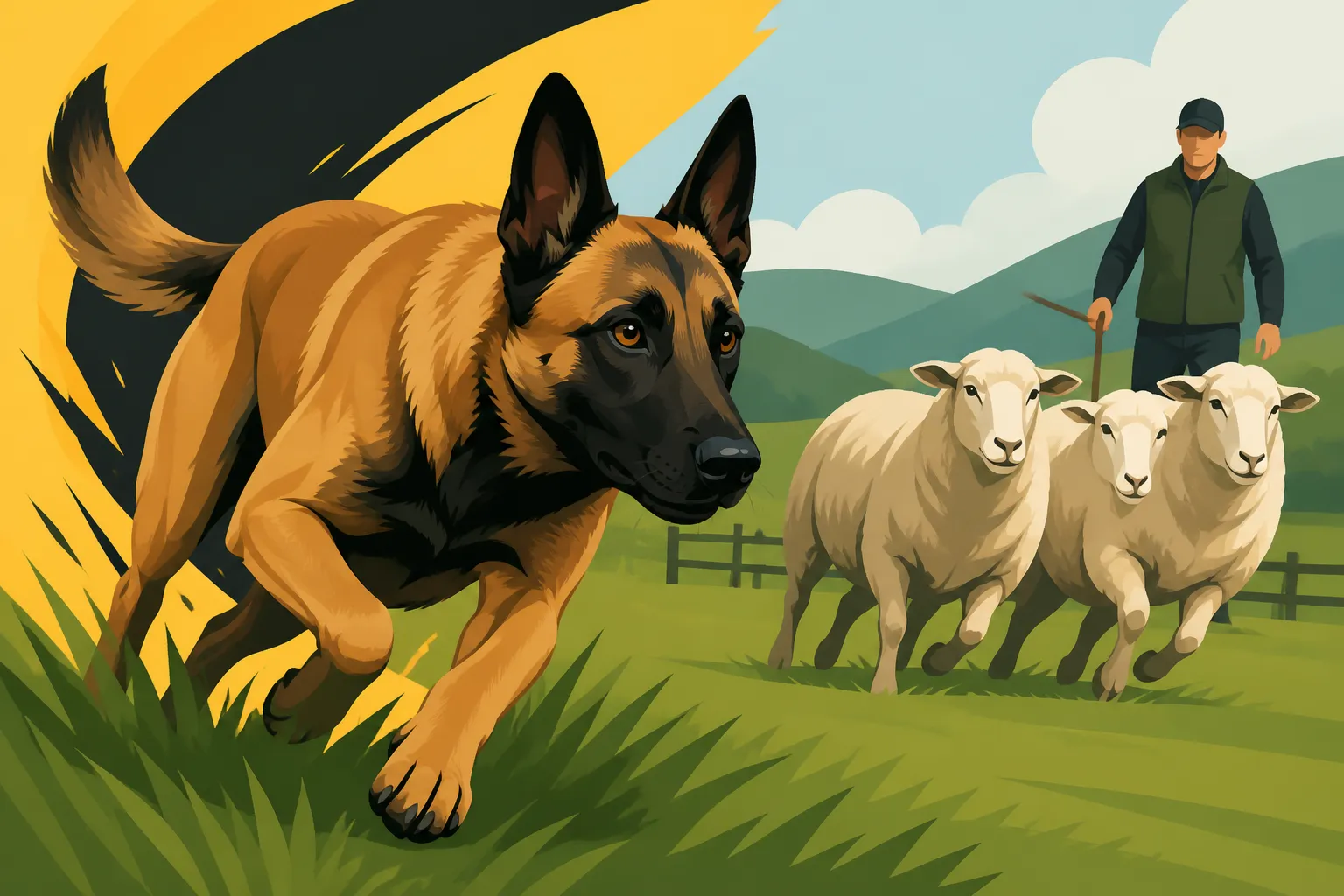
The first encounter with livestock is crucial. A good instructor will typically start your Malinois on calmer, more predictable stock, often ducks or a small group of sheep, in a controlled environment like a round pen. This allows your dog to experience the sensation of moving animals without getting overwhelmed or overly aroused. The instructor will observe your dog's natural instincts: do they circle? Do they try to bite? Do they show a natural "eye" (intense stare)? The goal isn't immediate perfection, but rather to see if the natural instinct is present and can be safely guided. Your role will be to mostly stay out of the way and let the instructor guide your dog, learning to read your dog's body language and understand the basics of stock movement. It’s an incredibly eye-opening experience to watch your Malinois's dormant instincts awaken. You might also want to read up on A Belgian Malinois Around Livestock to mentally prepare.
Navigating the World of Herding Trials
Once your Malinois has shown a natural aptitude and you've both gotten a taste for herding, the next step is understanding how to progress through the world of trials. It's a structured journey, designed to test a dog's natural abilities and the handler's ability to direct them, simulating real-world working scenarios.
Understanding Different Trial Formats
There are several organizations that offer herding trials, each with slightly different rules and philosophies. The most common in North America include:
- AKC (American Kennel Club) Herding: Often starts with "Herding Instinct Tests" or "Herding Pre-Trials" to assess natural ability, then moves into three main course types: A, B, and C courses, on different types of stock (sheep, ducks, cattle). AKC titles range from Herding Started (HS) to Herding Champion (HC). This is a great entry point for many, as it's well-established and accessible.
- AHBA (American Herding Breed Association): Offers a wider range of tests and trials, often focusing more on practical farm work and natural instinct. They have different levels like Herding Capability Test (HCT) and Junior Herding Dog (JHD), moving up to more advanced titles. AHBA is known for being very welcoming to all breeds and focusing on natural working ability.
- USBCHA (United States Border Collie Handlers' Association): While primarily focused on Border Collies and traditional "outrun, lift, fetch" style herding, some Malinois with a strong, clean herding style do compete. These trials are very demanding and replicate extensive pasture work.
Each format tests different aspects of a dog's herding ability and handler communication. It's important to discuss with your instructor which path is best suited for your Malinois and your goals.
| Trial Organization | Focus | Stock Types | Typical Courses/Levels |
|---|---|---|---|
| AKC | Instinct & Controlled Pattern Work | Sheep, Ducks, Cattle | Herding Instinct Test, Pre-Trial, Trial (A, B, C) |
| AHBA | Natural Instinct & Practical Farm Work | Sheep, Goats, Ducks, Cattle | Herding Capability Test, Junior Herding Dog |
| USBCHA | Open Field, Large Distance Control | Sheep | Nursery, Novice, Open, Pro-Novice |
The Journey Through Novice to Advanced Levels
The progression in herding is often a gradual climb, building skills and confidence at each step.
- Instinct Tests/Pre-Trials: These are typically low-pressure evaluations to see if your Malinois has the basic herding instinct. The dog is often simply put into a small pen with stock to observe their reaction. Success here simply means they show interest and some natural movement, earning a pass or a "tested" designation.
- Started/Novice: At this level, you'll be working in a small arena, guiding your dog through basic maneuvers like moving the stock in a specific direction, stopping them, or gathering them. The emphasis is on control and communication. This is where you learn how to use your body, voice, and perhaps a whistle to direct your dog. You’ll be working on what are often called "holds," "outs," and basic fetches.
- Intermediate/Advanced: As you progress, the courses become larger, the tasks more complex, and the control expectations higher. You might be asked to drive stock through obstacles, sort individual animals, or pen them in a specific area. This is where the true partnership between handler and dog shines, as the Malinois needs to be able to work independently yet remain highly responsive to your distant commands. This is a long-term commitment that truly challenges both ends of the leash.
Common Challenges in the Trial Arena
Herding trials, while incredibly rewarding, come with their unique set of challenges. Malinois, with their intense drive, can sometimes be too enthusiastic. They might be prone to "gripping" (biting the stock to move them) rather than using a more controlled pushing or circling motion. A good instructor will help you manage this and channel that drive appropriately. Another challenge can be the sheer excitement of new environments and new stock, which can override training. Your Malinois needs to be solid enough in their foundation to perform under pressure, especially when faced with the novelty of different sheep or a new field. A Belgian Malinois That Pulls Toward Every Distraction will find herding trials a significant test of their focus. Patience, consistency, and a sense of humor are your best friends in this sport. It’s also crucial to manage your own expectations; progress often feels slow, but every small success is a huge win.
Training Strategies for a Successful Herding Malinois
Success in herding trials isn't just about raw instinct; it's about refining that instinct through rigorous and consistent training. It’s a partnership where you leverage your dog’s natural talents and layer on precise communication. For this, tools like a long line (easily found on Amazon, often in various lengths like 30ft or 50ft) are indispensable for giving your dog freedom while maintaining safety and control during early training sessions.
Building Foundational Obedience and Control
Before any serious work with stock, your Malinois needs to be impeccably behaved off-leash and responsive to your commands. This means a rock-solid recall that works even when they’re highly distracted, a reliable "down" from a distance, and the ability to hold a "stay" for extended periods. These aren't just parlor tricks; they are crucial safety commands when working with live animals. You need to be able to stop your dog instantly if they are about to make a wrong move or if the stock is in danger. Work on these commands in increasingly distracting environments. Use high-value rewards and build intense engagement with you. A Malinois thrives on having clear boundaries and understanding what's expected of them. The Structure a Belgian Malinois Needs Every Day extends far beyond the herding arena, reinforcing the mindset of a working dog.
Developing Specific Herding Skills
Once you have the basics down, you'll start working on the specific cues and movements that define herding. This includes:
- The "Come Bye" and "Away to Me": These are the core directional commands, telling your dog to move clockwise ("come bye") or counter-clockwise ("away to me") around the stock.
- "Walk Up" / "Steady": Commands to move towards the stock or to slow down and approach them calmly.
- "Lie Down" / "Stand": Crucial for stopping or pausing your dog, allowing the stock to settle or move where needed.
- "That'll Do" / "Finish": A release command to end the work.
These commands are taught first without stock, then introduced with very calm animals in a controlled setting. Repetition, clarity, and consistency are key. Your instructor will guide you on how to apply these commands effectively, often using a combination of voice, whistle, and hand signals. Remember, the goal is not to overpower the stock, but to gently guide and influence their movement. This requires a delicate touch, something that needs to be instilled in a powerful breed like the Malinois.
Maintaining Physical and Mental Fitness
Herding is an incredibly demanding sport, both physically and mentally. Your Malinois needs to be in top physical condition to perform, with excellent stamina, agility, and muscular endurance. Regular exercise beyond herding sessions, such as structured runs, swimming, or conditioning exercises, is essential. How Many Hours a Belgian Malinois Should Work Daily can vary, but intense sessions are taxing. Just as important is their mental fitness. Herding challenges their problem-solving skills, their ability to read stock, and their focus. Ensure they get enough rest and are not over-trained, which can lead to burnout or injury. A balanced diet designed for active working dogs and appropriate Joint Supplements for a Working Belgian Malinois can also play a vital role in keeping them sound and ready for action. Regular veterinary check-ups are also crucial to catch any potential issues early, ensuring your Malinois can continue to enjoy their work for years to come. The Checkup Schedule a Sport Malinois Should Keep is non-negotiable for a dog working this hard.
Disclaimer
This article is for general informational purposes only and does not constitute professional advice. Laws, prices and regulations vary by location and change over time. Consult a qualified professional for guidance on your specific situation.