Whether a Belgian Malinois Should Have Water Down All Day
As devoted Belgian Malinois owners, we often grapple with the best ways to care for these incredibly driven dogs. One common question that comes up, especially for those new to the breed or managing a working dog, is whether it's truly best to have water available to them around the clock. While our first instinct is always to ensure our dogs are well-hydrated, the truth is, with a Malinois, there are nuances to consider that impact everything from house-training to performance and even health. This guide will delve into the various factors that influence water management for your Belgian Malinois, helping you strike the perfect balance for their well-being and your peace of mind.
The Absolute Importance of Hydration for a Belgian Malinois
It almost goes without saying, but water is fundamentally critical to your Belgian Malinois's health. These aren't your average couch potatoes; they are canine athletes, always on the go, always thinking, and always ready for the next task. Their bodies are constantly burning energy, regulating temperature, and performing complex physiological functions that all rely heavily on adequate hydration. Without enough water, every system in their body can begin to falter, leading to a cascade of potential issues.
Consider a hot summer day, or an intense training session out in the field. Your Malinois is expending tremendous energy, panting to cool down, and losing fluids rapidly. This isn't just about feeling thirsty; it's about maintaining crucial electrolyte balance, proper organ function, and even cognitive ability. A dehydrated Malinois isn't just uncomfortable; they can quickly become lethargic, prone to overheating, and even suffer from serious medical complications. Their performance, whether in sport, work, or just daily life, will plummet if they aren't properly hydrated. We're talking about more than just a drink; it's about lifeblood for these high-octane dogs.
The General Case for All-Day Water Access
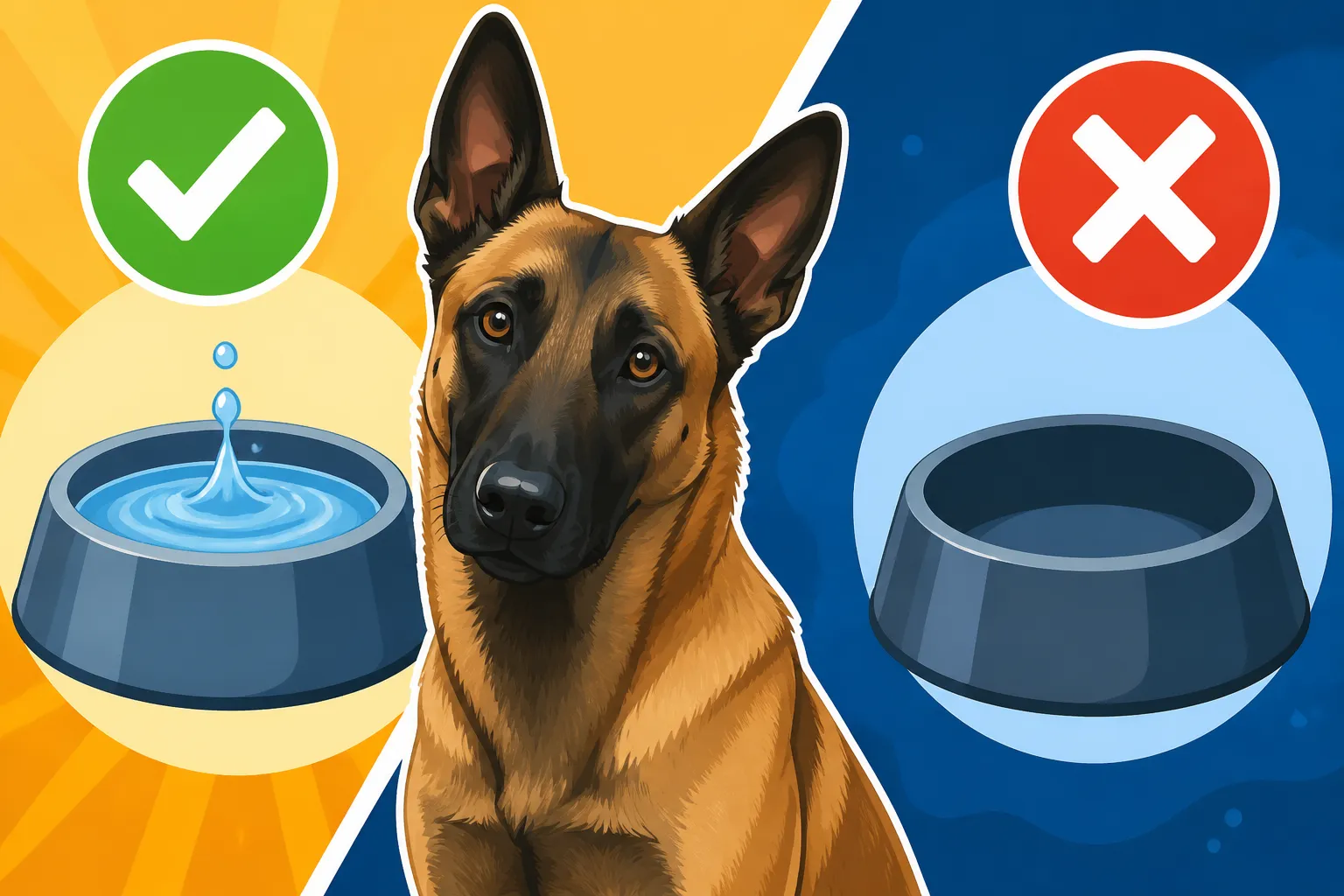
For many dogs, and indeed for a well-settled, adult Belgian Malinois in a non-working, pet home, having access to water all day is often the simplest and best approach. The idea is to allow them to self-regulate their fluid intake, drinking whenever they feel the need. This mirrors how animals in the wild would typically manage their hydration, seeking out water sources as thirst dictates. It’s a hands-off method that typically works well for dogs with no underlying health issues, house-training concerns, or specific performance demands.
Leaving a full bowl of water down ensures that your Malinois can quench their thirst immediately after a burst of zoomies, a short walk, or simply waking up from a nap. This continuous availability helps prevent them from becoming overly thirsty, which can sometimes lead to gulping large amounts of water too quickly—a behavior that, while not universally dangerous, can be a concern in some contexts, which we'll discuss later. For many Malinois, especially those that are calm and settled within their environment, it promotes a healthy, consistent intake of fluids throughout the day. It removes the stress of needing to ask for water, or you needing to remember to provide it at regular intervals. It’s a convenience for both owner and dog, fostering a sense of autonomy and consistent well-being.
When Constant Access is Generally Fine
In most situations, especially for a mature Malinois that's past the intense house-training phase and doesn't have specific medical conditions, leaving water down freely is the norm. If your Malinois is not showing any signs of excessive drinking (polydipsia) or issues with holding their bladder, then constant access is likely the easiest and most beneficial method. It allows them to drink when they're thirsty, which is often after periods of activity, play, or even just after eating their meal.
Think of it this way: your Malinois has an internal thermostat and a thirst mechanism. Given the opportunity, they will drink what they need to stay hydrated. This is particularly true for dogs who spend a fair amount of time outdoors, even if it's just in a secure yard. They might run a few laps, chase a ball, or simply patrol their territory, all of which elevate their body temperature and increase their need for water. Having a water source readily available prevents them from becoming dehydrated, especially on warmer days or during spontaneous bursts of activity. For most owners, providing continuous access to fresh, clean water is simply part of responsible pet care, just like providing food. You can find robust, tip-proof water bowls on platforms like Chewy that are perfect for active breeds.
Benefits of Unrestricted Water Intake
The primary benefit is, of course, consistent hydration. A consistently hydrated dog is a healthier dog. Their kidneys function better, their joints stay lubricated, and their overall cellular health is optimized. This is particularly important for an athletic breed like the Malinois, whose body is constantly under some level of stress from their high-energy lifestyle. Good hydration helps flush out toxins, aids in digestion, and keeps their circulatory system running smoothly.
Beyond the physiological benefits, unrestricted water intake can also contribute to a dog's comfort and psychological well-being. Imagine being thirsty and not being able to get a drink. It's a mild stressor that can accumulate over time. For a Malinois, who can be sensitive and prone to anxiety if their needs aren't met, having constant access to water removes one potential source of discomfort. It means they don't have to rely on you to anticipate their thirst, and they can drink when it suits their body's rhythm, which can lead to a more relaxed and self-sufficient dog. It's about empowering them to meet their own basic needs as they arise, fostering a healthy balance in their daily life.
Situations Where Water Management Becomes Strategic
While constant access often works well, there are specific situations and phases in a Belgian Malinois's life where a more strategic approach to water management is not just helpful, but sometimes essential. This isn't about withholding water punitively, but rather timing and managing intake to prevent problems or facilitate learning. These scenarios often involve house-training, managing certain health conditions, or optimizing performance in working and sport dogs. It’s about being a thoughtful owner who understands their specific dog’s needs and adjusting accordingly, rather than adhering to a one-size-fits-all rule.
House-Training a Malinois Puppy
This is probably the most common reason to manage water access. When you bring home a The First Week With a Belgian Malinois Puppy, their bladder control is virtually non-existent. They drink, and shortly after, they need to go. If a water bowl is left out all day and night, you're setting yourself up for endless accidents and a frustrating house-training process. The goal during this critical phase is to establish a predictable schedule: drink, go outside, play, nap, drink, go outside, repeat.
For a Malinois puppy, especially during those early weeks, strict water management can be a game-changer. For example, offering water for specific periods (e.g., 10-15 minutes after waking, after playtime, and after meals) and then removing it allows you to better predict when they'll need a potty break. This helps reinforce the idea that elimination happens outside. As they gain better bladder control, you can gradually increase water access, but in the beginning, it’s a necessary tool to help them learn appropriate potty habits. Remember, a Malinois puppy is smart and eager to please, but you have to set them up for success, and water timing is a big part of that. How Fast a Malinois Puppy House Trains often depends on this consistency.
Before Crating or Unsupervised Time
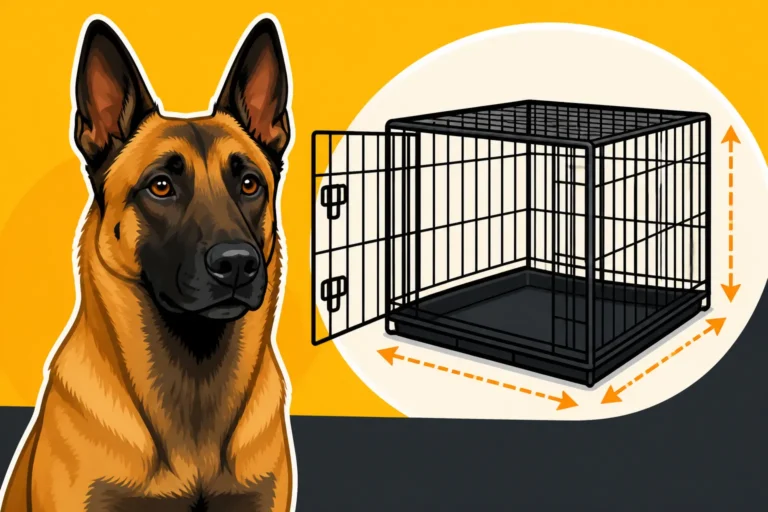
A Belgian Malinois that's crated for any length of time, or left unsupervised indoors, might benefit from having water removed an hour or so before. This isn't just about preventing accidents in the crate – though that's a huge factor for comfort and cleanliness – it's also about preventing them from gulping water out of boredom or stress when they know you're leaving, and then needing to relieve themselves while you're gone.
If you’re heading out for a few hours, or if your Malinois is going into their kennel for the night, providing a final water opportunity and then picking up the bowl can save a lot of cleanup and prevent your dog from holding it uncomfortably for too long. For dogs that get really stressed when left alone, sometimes they can drink excessively and then have an accident. This careful timing applies especially if you use crash-tested transport crates for a Belgian Malinois in a vehicle, where spillage and discomfort can be even more of a concern. It's about responsible management and understanding the ripple effects of constant availability in specific contexts.
Preventing Bloat or Gastric Dilatation-Volvulus (GDV)
This is a serious concern for many deep-chested breeds, and while Whether Torsion Happens in Belgian Malinois is debated compared to other large breeds, it’s always wise to be vigilant. Gulping large amounts of water, especially immediately before or after strenuous exercise, or directly after a meal, can be a contributing factor to bloat. Bloat is a life-threatening condition where the stomach fills with gas and can twist, cutting off blood supply.
To mitigate this risk, some owners choose to restrict water access around mealtimes and intense activity. Instead of free access, they'll offer smaller amounts of water more frequently, or wait about 30-60 minutes after a meal or heavy exercise before giving a drink. This allows the dog's stomach to settle and reduces the chance of rapid ingestion of air and water. While the exact causes of bloat are complex and not fully understood, managing water intake is one of the proactive steps many dedicated Malinois owners take to protect their beloved dogs. High-quality kibble, like those available on Amazon, usually advise on appropriate feeding and watering schedules.
During Training Sessions or Competitions
When you're deeply immersed in training or at a competition, your Malinois is in a high-drive state. Providing a huge bowl of water can be distracting, leading to spills, or simply not ideal for maintaining focus. Furthermore, as mentioned with bloat, allowing them to guzzle water immediately after intense bursts of work might not be the best idea.
Instead, many handlers will offer controlled water breaks. This means providing small amounts of water at strategic intervals, keeping them hydrated without overfilling their stomach or breaking their concentration unnecessarily. A portable water bottle with an attached bowl, easily found on Amazon or Chewy, is invaluable here. It allows you to offer a few sips at a time, keeping your dog's mouth moist and preventing dehydration without encouraging excessive gulping. This practice also helps in maintaining consistency, ensuring that your dog is neither parched nor overly full when Hydrating a Belgian Malinois During Training.
Implementing Smart Water Management Strategies
Now that we understand the nuances, how do we practically implement smart water management without depriving our Malinois? It's all about intentionality and consistency. We want to ensure our dogs are always well-hydrated, but also mindful of their stage of life, activity levels, and specific circumstances. This isn't about creating hardship; it's about creating a routine that supports their health and training goals.
Scheduled Water Breaks
Instead of constant access, consider scheduled water breaks for puppies or dogs with specific needs. This might mean offering water for 10-15 minutes every 2-3 hours during the day, or after every significant activity like a training session, a walk, or playtime. For a Malinois puppy, this structured approach is invaluable for house-training. They learn that water will be available, but at predictable times, which helps them develop better bladder control and communicate their needs.
For adult Malinois, especially those in working or sport homes, scheduled breaks can be beneficial around intense activities. For instance, you might offer water before a training session, then again in smaller amounts during a break, and then a more substantial drink 30-60 minutes after the session is complete. This avoids the rapid gulping that can occur when a very thirsty dog is given unlimited access, and it allows their system to process fluids more steadily.
Monitoring Water Intake and Output
Keeping an eye on how much your Malinois drinks and how often they urinate can provide valuable insights into their health and help you adjust water availability. A sudden increase in thirst (polydipsia) or urination (polyuria) can be a sign of underlying medical conditions like kidney disease, diabetes, or even A Malinois Whose Thyroid Has Given Out. If you notice significant changes, it’s always best to consult your veterinarian.
You don't need to meticulously measure every drop, but simply being aware of your dog's typical habits. For a working Malinois, especially, it's important to know their baseline. Are they drinking more than usual after a hot training session? Are they producing clear, copious urine, or is it dark and concentrated? These observations can help you gauge their hydration status and inform your water management decisions. Regular The Bloodwork a Working Malinois Should Have Annually often includes checks on kidney function, which can be impacted by chronic dehydration.
Choosing the Right Water Source
The type of water bowl or dispenser you use can also play a role in water management. For puppies or dogs prone to bloat, heavy, non-tip bowls can prevent spills and discourage them from playing in the water. For working dogs on the go, a portable travel water bottle with a collapsible bowl is a must-have. You can find many options on Amazon or Chewy that are perfect for maintaining hydration during outings.
Some owners prefer gravity-fed water dispensers that provide a constant, but regulated, flow of water. These can be useful for adult dogs who have proven they can manage their intake. However, for a Malinois, who might view everything as a toy or challenge, these can sometimes be easily knocked over or played with. Consider the durability and stability of the bowl. For outdoor kennels, heated water bowls can be crucial in colder climates to prevent water from freezing, ensuring year-round access to potable water.
Hydration Through Food
Don't forget that dogs can get a significant amount of hydration from their food! If you feed a raw or fresh food diet, like those offered by Ollie, your Malinois will naturally consume more water through their meals compared to a dog on dry kibble. This can actually reduce their need for large amounts of supplemental water, or at least change their drinking patterns.
Even with kibble, you can add water or low-sodium broth to their meals to increase their fluid intake. This is particularly helpful for dogs that might not drink enough on their own, or during periods of increased activity or warmer weather. Soaking kibble for a few minutes before serving can make it more palatable and provide extra hydration. This can be a sneaky way to ensure your Malinois stays well-hydrated without constant reliance on a water bowl. It's an excellent strategy, especially for high-drive dogs who might be too focused on activity to stop and drink adequately.
Table: Pros and Cons of All-Day Water Access for a Belgian Malinois
To help you visualize the considerations, here's a quick overview of the pros and cons of offering your Belgian Malinois water all day:
| Feature | Pros of All-Day Water Access | Cons of All-Day Water Access |
|---|---|---|
| Hydration Level | Consistent, self-regulated hydration | Can lead to excessive gulping (bloat risk) |
| Convenience | Easy for owner, dog drinks when thirsty | Requires constant monitoring for spills/cleanliness |
| House-Training | Develops independent thirst management | Challenges house-training (especially puppies) |
| Health Considerations | Supports kidney function, overall health | Potential for rapid water ingestion (GDV risk) |
| Training & Focus | Reduces thirst-related distraction | Can be a distraction in high-drive settings |
| Behavior | Reduces stress from thirst | Can encourage water-play or boredom drinking |
| Travel/Crating | No need to carry extra water for short trips | Increases risk of accidents in crates/vehicles |
Ultimately, the decision of whether your Belgian Malinois should have water down all day comes down to a careful assessment of your individual dog, their environment, and your lifestyle. There's no single right answer for every Malinois, but rather a spectrum of appropriate approaches. By understanding the advantages and disadvantages, and being prepared to adapt your strategy, you can ensure your driven companion remains optimally hydrated, healthy, and happy.
Disclaimer
This article is for general informational purposes only and does not constitute professional advice. Laws, prices and regulations vary by location and change over time. Consult a qualified professional for guidance on your specific situation.