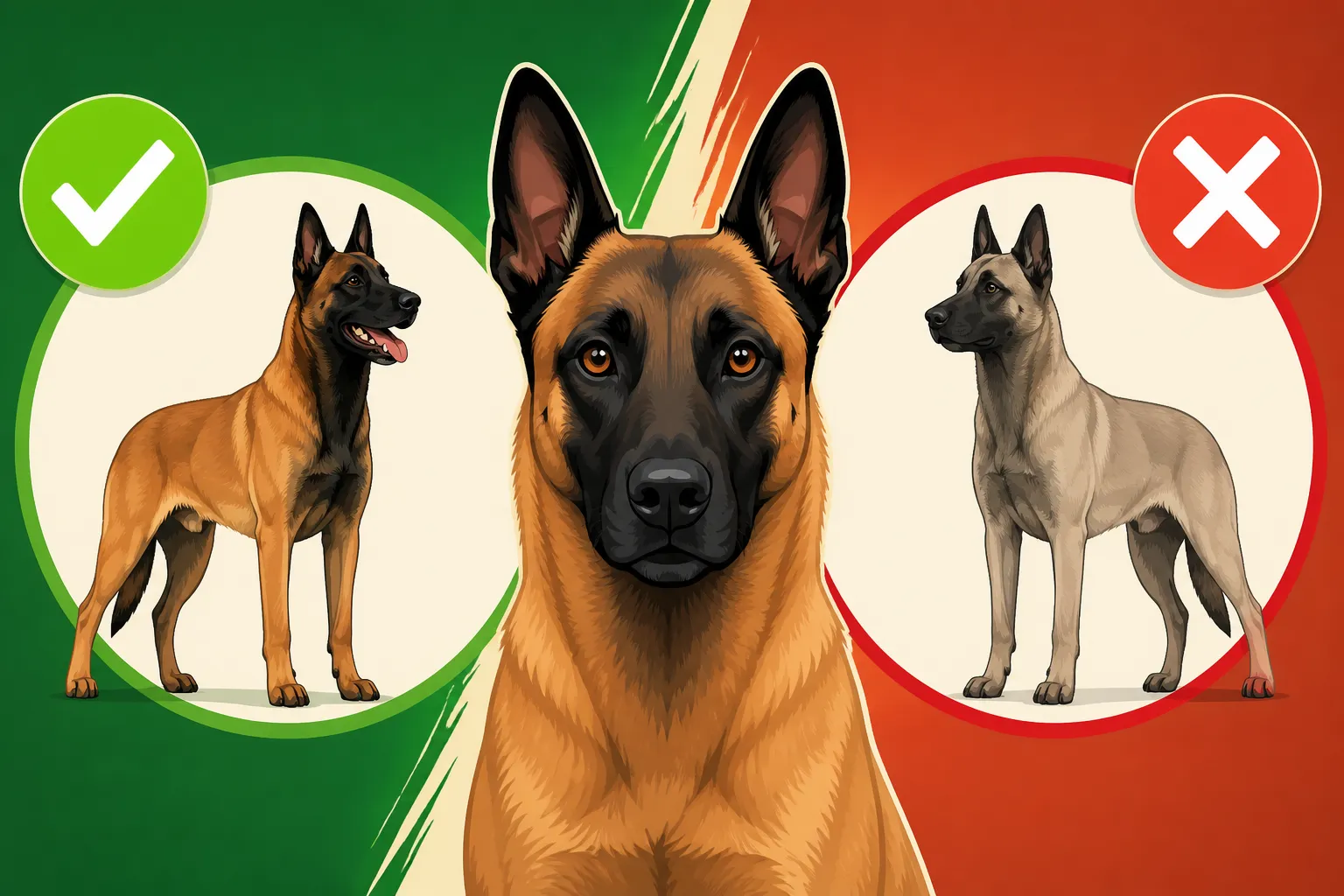
Whether the Standard Allows a Malinois Off Fawn
It can be incredibly confusing when you're first diving into the world of Belgian Malinois, especially when you see so many variations in coat color and then hear people passionately debate what's "standard" and what isn't. Many aspiring owners or even those already smitten with the breed worry if their beloved dog's specific shade of fawn, or perhaps a darker overlay, truly aligns with the official breed description. This guide aims to clear up that confusion, diving deep into the nuances of the Belgian Malinois breed standard regarding coat color, so you can understand exactly what's permitted, what's a fault, and what simply means your dog won't be winning ribbons in the conformation ring but is still 100% Malinois.
Understanding the Belgian Malinois Breed Standard for Color
When we talk about a breed standard, we're really discussing the blueprint that national kennel clubs and breed associations use to describe the ideal physical and temperamental traits of a dog. For the Belgian Malinois, color is definitely a part of that blueprint, setting expectations for what a "typical" Malinois should look like.
The Core Fawn Expectation
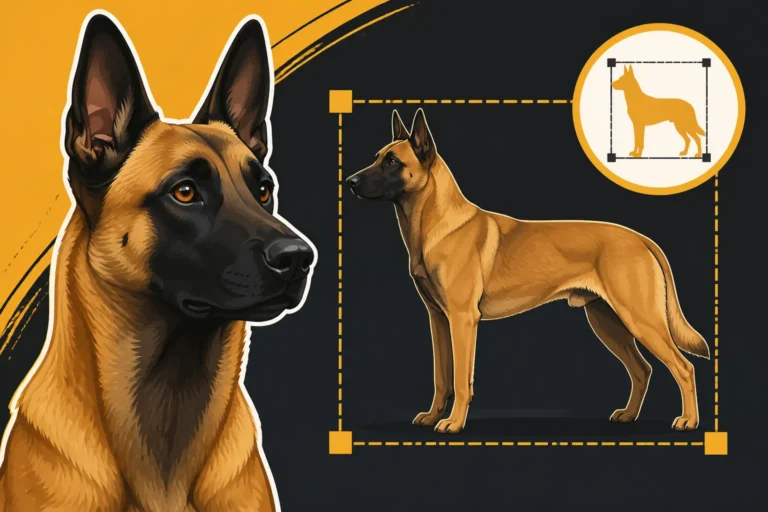
At its heart, the Belgian Malinois is a fawn-colored dog. This isn't just one single shade, mind you, but rather a spectrum that ranges from a very light, sandy fawn all the way to a rich, deep mahogany. Think of it like a paint swatch with many subtly different tones all within the "fawn" family. This is the foundation of the Malinois's appearance, deeply rooted in the breed's history as a practical working dog in Belgium, where they were one of The Four Belgian Varieties the Malinois Belongs To. The fawn coloration historically provided some camouflage in the fields and forests where they herded sheep and guarded property.
What's crucial here is understanding that "fawn" is the base color. It's supposed to be vibrant and uniform across the body, though some variations in shading are natural. You might see a lighter fawn on the dog's belly or insides of the legs, which is completely normal. The key is that it shouldn't be patchy or mottled. Breeders strive for that consistent, warm fawn that is so characteristic of the breed, a shade that many find undeniably striking, especially when paired with the breed's intense expression.
The Importance of the Black Mask and Ears
While the body is fawn, the Belgian Malinois wouldn't be truly a Malinois without its signature black mask and ears. This isn't just an aesthetic preference; it's a non-negotiable part of the breed standard that dramatically impacts the dog's overall look and expression. The black mask should be extensive, covering the muzzle, extending up over the eyes, and ideally framing the face. It gives the Malinois that intense, sometimes serious, but always alert expression that we know and love. Without it, the face can look quite different, often appearing softer or less defined. How Dark a Belgian Malinois Mask Should Be is something many people wonder about, and generally, the darker and more complete, the better.
The ears, too, are expected to be predominantly black. This black pigment should be deep and rich, complementing the mask and drawing attention to those perfectly triangular, erect ears that are a hallmark of the breed's alertness. The combination of the fawn body, the stark black mask, and the black ears creates a striking contrast that is truly unique to the Malinois. It's a testament to how specific the standards can be, emphasizing features that define the breed's identity. If you're observing Malinois, whether in the show ring or at a local club, you'll quickly notice how much these black points contribute to the overall picture of a well-bred individual.
Exploring "Off-Fawn" Variations and Their Acceptance
Even within the established fawn standard, there's room for variation, and some terms can be a little confusing. What one person considers "off-fawn" might actually be perfectly acceptable within the breed's recognized color range, while other variations are definite no-gos.
Sable and Its Nuances
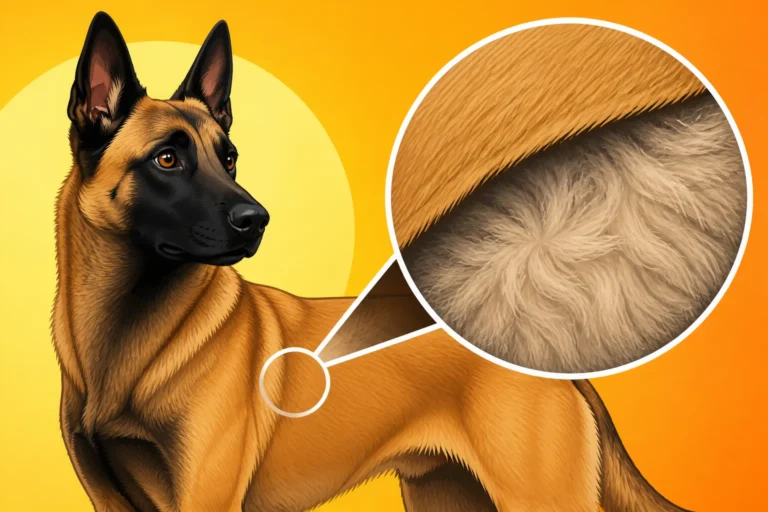
Sable, often called black overlay, is perhaps the most common "off-fawn" appearance that is still very much allowed and even expected in many Malinois. When we talk about sable, we're referring to the black tipping on the fawn hairs of the dog's coat. This isn't a solid black patch, but rather individual fawn hairs that have black at their very tips, creating a shadowed or frosted effect, particularly along the back, shoulders, and sometimes on the legs. Whether a Sable Belgian Malinois Is Standard is a frequent question, and the answer is yes, to a degree.
The key is the degree of sable. A light sable might just give the fawn coat a bit more depth, making it appear darker in certain areas. A heavier sable, however, can make the dog look almost grizzled or smoky, sometimes giving the impression of a much darker dog overall. In working lines, where utility and temperament are paramount, heavier sable is quite common and perfectly acceptable, as it has no bearing on a dog's ability to perform. The standard usually allows for a certain amount of black overlay, considering it part of the natural color development. It contributes to The Harsh Outer Coat a Malinois Should Carry, adding texture and protection. However, if the black overlay becomes so dominant that the dog appears primarily black or brindle, it moves into an unacceptable range for the conformation ring, even if the underlying genetics are still fawn-based.
Red and Mahogany Tones
The fawn spectrum for the Belgian Malinois isn't just light brown; it includes beautiful, rich red and mahogany tones. These aren't separate colors entirely but rather deeper, more saturated versions of fawn. Think of a vivid burnt orange or a deep reddish-brown. Whether a Red Belgian Malinois Exists is a question with a nuanced answer: yes, but it's still considered a type of fawn. These dogs still carry the fundamental fawn genetics; they just express it with more intensity.
These deeper shades are often highly prized for their striking appearance, especially when combined with a strong black mask. Factors like genetics, sun exposure, and even diet can influence the richness of a Malinois's coat color. A dog with a deep mahogany coat might look quite different from a sandy-fawn Malinois, but both can be perfectly standard. It's simply about where they fall on that wide fawn gradient. What's important is that the color remains clear and not muddied by other pigments that would indicate a non-standard color. Owners often find these dogs absolutely stunning, and their fiery coats reflect the vibrant energy these dogs possess.
Colors That Are Not Permitted in the Standard
While the Belgian Malinois breed standard allows for a range of fawn and sable, it's equally clear about colors that are outright disqualifications in the conformation ring. These are not just "off-fawn" but distinctly outside the recognized genetic and aesthetic profile of the breed.
Solid Black, Blue, and Liver Malinois
Let's get this straight: a solid black, blue (which is a dilute black), or liver (a dilute brown) Belgian Malinois is not a standard-colored Malinois. These colors are considered disqualifying faults in the breed ring. Whether a Black Belgian Malinois Is a Malinois at All is a common question, and while a black Malinois might exist genetically (perhaps from a mixed lineage or a rare recessive gene), it would not be recognized as a standard-compliant Belgian Malinois by official breed clubs. The black mask and ears are crucial, but a solid black body is not.
These color genes are distinct from the fawn gene and would indicate a deviation from the established breed type. If you encounter a breeder advertising "rare" blue or solid black Malinois, be cautious. While the dog might indeed be a Malinois in terms of temperament and working ability, it won't meet the color requirements for showing, and such breeders might not be adhering to other crucial breed standards like health testing. The focus of the standard is to maintain the specific look that defines the Malinois, and these colors simply don't fit that mold.
Excessive White Markings
The Belgian Malinois standard is quite strict when it comes to white markings. Small patches are generally tolerated, but anything beyond a minimal amount is considered a fault, and excessive white is a disqualification. Specifically, a small white spot on the chest, often referred to as a "shirt stud," and white tips on the toes are usually permitted. These are often seen as minor cosmetic variations that don't detract from the overall appearance or working ability.
However, if a Malinois has significant white on its chest that extends up the neck, white "socks" that go far up the leg, or large patches of white anywhere else on the body, this would be considered excessive. Whether White Markings Are Allowed on a Malinois comes down to size and placement. These larger white areas are not characteristic of the breed and can suggest genetic influences outside the purebred standard. Historically, purebred Malinois have been selectively bred to minimize white, making the fawn and black the dominant and defining colors. While a dog with excessive white might still be a fantastic companion or working dog, it would not be competitive in the conformation ring.
The Difference Between "Not Standard" and "Unhealthy"
It's really easy for newcomers to conflate "not standard" with "unhealthy" or "bad dog," especially when breed standards are so heavily discussed. However, it's critical to understand that these two concepts are usually entirely separate when it comes to coat color.
Color and Health Implications
Generally speaking, a Malinois having a color that falls outside the breed standard (like being solid black or having too much white) does not automatically mean the dog is unhealthy. For most color variations, the genes controlling coat color are distinct from those controlling health issues like hip dysplasia, elbow problems, or genetic diseases such as ataxia. For instance, a Malinois that is too dark (heavy sable bordering on black) or has too much white would simply be disqualified from a conformation show, but it could be a perfectly robust, healthy dog otherwise.
There are, of course, exceptions in the broader dog world, such as the merle gene in some breeds, which can be linked to hearing and vision problems when two merle dogs are bred together. However, the merle gene is not part of the Belgian Malinois genetics, and the disqualifying colors in Malinois (solid black, blue, liver, excessive white) are typically only cosmetic faults. What does have health implications are things like proper genetic health testing for conditions like The Two Ataxia Genes Belgian Malinois Are Tested For or Pannus and the Sunlight That Drives It in Malinois, which are far more important than a dog's specific shade of fawn. Always prioritize a breeder's commitment to health clearances over any specific aesthetic.
Impact on Show Ring vs. Working Capabilities
This is perhaps the most crucial distinction for potential Malinois owners to grasp. The breed standard, and its strict adherence to color, is primarily for the conformation show ring. This is where dogs are judged on how closely they conform to the ideal physical representation of their breed. A Malinois with an "off-standard" color will not win ribbons in conformation, regardless of its other qualities.
However, the vast majority of Belgian Malinois are not primarily bred for the show ring; they are bred for work. For police K9s, military dogs, search and rescue, or sport dogs (like IGP or Ring sports), what truly matters is temperament, drive, trainability, physical soundness, and courage. A dog's ability to track, detect, bite, and obey commands is entirely unrelated to whether its fawn coat is too light, too dark, or has a bit too much white. Many exceptional working Malinois, who are absolute titans in their fields, might have colorations that wouldn't make the cut in a show ring. Their performance is what defines them. So, if you're looking for a working partner or an active companion, don't let a minor color deviation deter you from an otherwise well-bred, sound dog. It's often said that "form follows function," and for the Malinois, function is almost always in the driver's seat. This is part of why Whether Malinois Sport and Police Lines Are Diverging is a topic of discussion – their selection criteria can be quite different.
Navigating Breeders and Color Expectations
When you're looking for a Belgian Malinois puppy, understanding the nuances of color and how breeders approach it can save you a lot of confusion and ensure you get a dog that meets your expectations, whether for sport, companionship, or the show ring.
Asking a Breeder About Color Genetics
A reputable breeder will be completely transparent about the color genetics in their lines and what to expect in a litter. Don't be shy about asking direct questions. For instance, inquire about the range of fawn seen in the parents and their ancestors. Ask if they've ever had puppies with particularly heavy sable or lighter fawn coats. They should be able to explain how Fawn to Mahogany and the Black Malinois Mask develops in their puppies. A good breeder understands that while color is part of the standard, it's just one piece of the puzzle, and temperamental soundness and health are paramount.
They might even be able to show you photos of previous litters to demonstrate the typical color progression. If a breeder is evasive or seems overly focused on promoting "rare" non-standard colors, that should raise a red flag. Healthy breeding practices prioritize genetic health, stable temperaments, and adherence to the overall breed standard, not novelty colors. Remember, you're not just buying a color; you're investing in a lifetime companion or working partner, so knowledge about the full genetic picture is essential. Many resources, including online pet supply stores like Chewy, offer a wealth of books and guides on breed-specific genetics that can further inform your questions.
Where to Find Information on the Breed Standard
The single best place to find accurate and detailed information about the Belgian Malinois breed standard, including specific color allowances and disqualifications, is the official national breed club. In the United States, that's the American Belgian Malinois Club (ABMC), and similar organizations exist in other countries. These clubs publish the definitive standard that is recognized by major kennel clubs like the American Kennel Club (AKC) and the Fédération Cynologique Internationale (FCI).
These documents go into granular detail about every aspect of the dog, from its head and body proportions to coat texture and, of course, color. They will explicitly state what is considered acceptable fawn, the importance of the black mask, and what constitutes a disqualifying fault (e.g., any color other than fawn, or white markings beyond a small chest patch or toe tips). Familiarizing yourself with these official resources will equip you to speak confidently with breeders and evaluate dogs accurately. It helps you understand why How Far the Malinois Has Climbed AKC Rankings is important for breeders aiming for conformation titles. Checking these sources is far more reliable than relying on anecdotal evidence or social media discussions, which can often be misleading about breed traits.
Here's a quick summary of accepted vs. non-accepted colors:
| Feature/Color | Acceptable in Standard | Not Acceptable / Disqualifying Fault |
|---|---|---|
| Base Body Color | Fawn (ranging from light sandy to rich mahogany) | Solid Black, Blue, Liver, Brindle, White (as base) |
| Black Mask | Required, extensive, dark | Absent, incomplete, light, or patchy |
| Black Overlay (Sable) | Present (black tipping on fawn hairs) to a reasonable degree | So heavy it appears solid black, or creates brindle pattern |
| Ears | Black or dark-tipped | Fawn, light, or non-pigmented |
| White Markings | Small patch on chest (shirt stud), white tips on toes | Any significant white on chest, feet (socks), or elsewhere |
It's clear that while the Belgian Malinois is a dog of fawn and black, there's a beautiful spectrum within that, particularly in the fawn tones and the amount of sable. Understanding these distinctions helps appreciate the breed for all its standard glory and beyond. After all, the heart of a Malinois, its drive and loyalty, isn't determined by its exact shade of coat. For many owners, it's What Malinois Owners Say Nobody Warned Them About in terms of their intensity, not their color!
Disclaimer
This article is for general informational purposes only and does not constitute professional advice. Laws, prices and regulations vary by location and change over time. Consult a qualified professional for guidance on your specific situation.