Whether a Twenty Eight Inch Malinois Is Disqualified
Bringing a Belgian Malinois into your life is an incredible commitment, and part of being a responsible owner is understanding every nuance of the breed, including the specific standards they're measured against. It can feel a bit overwhelming, sifting through all the details about what makes a Malinois a Malinois, especially when it comes to things like size and structure. This guide is here to demystify the breed standard for height and explain exactly what it means if your beloved Malinois measures in at, say, twenty-eight inches.
Understanding the Belgian Malinois Breed Standard for Height
When we talk about the official "breed standard" for a Belgian Malinois, we're referring to the blueprint that describes the ideal characteristics of the breed. This isn't just about pretty looks; it's about maintaining the working ability, health, and historical type of the dog. For organizations like the American Kennel Club (AKC) and the Fédération Cynologique Internationale (FCI), these standards are carefully crafted and upheld.
Official Height Ranges and Disqualifications
The core of the matter is quite clear-cut when it comes to height. The Belgian Malinois is a medium-to-large sized dog, but there are specific parameters. For males, the ideal height typically falls between 24 to 26 inches at the withers (the highest point of the shoulder blades). For females, it's generally 22 to 24 inches. There's usually a small tolerance, maybe half an inch either way, that's often considered acceptable, but beyond that, you start entering risky territory for conformation showing.
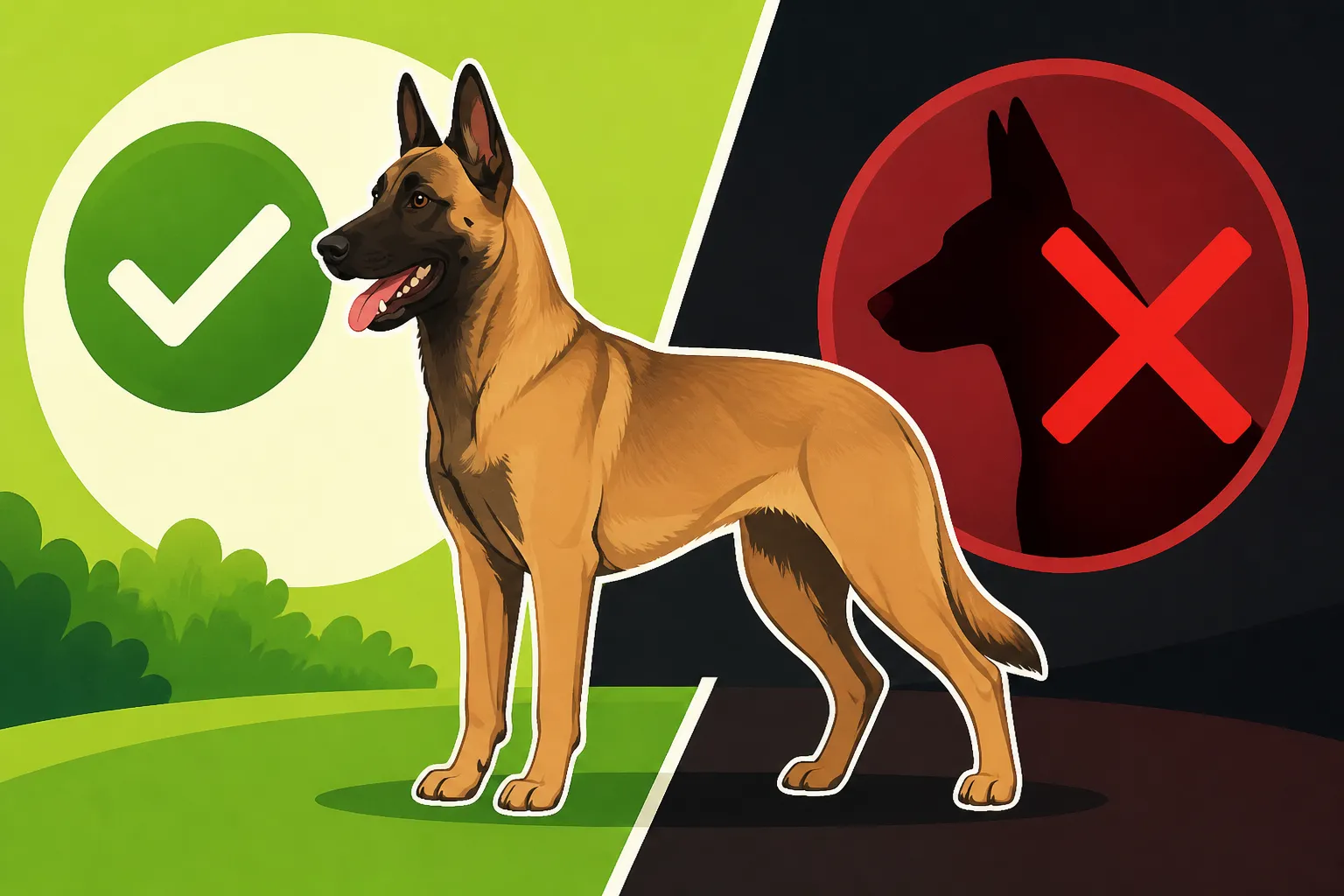
Now, to directly address the question: a twenty-eight-inch Malinois, particularly a male, would exceed the upper limit of the breed standard by a significant margin. Most breed standards explicitly list disqualifications for height. For example, the AKC standard for the Belgian Malinois states that males measuring over 26.5 inches and females over 24.5 inches are disqualified from conformation events. So, if your Malinois measures 28 inches, it would indeed be disqualified under these rules. It's not just about being "a little big"; it's a departure from the established physical ideal. You can learn more about the exact measurements in The Height Limits a Belgian Malinois Is Judged Against.
The Purpose Behind the Specific Measurements
You might wonder why these numbers are so rigid. It’s not simply for aesthetics; the breed standard aims to preserve the functional integrity of the Belgian Malinois. These dogs were originally bred as active herding dogs in Belgium, tasked with moving livestock across varied terrain. Their size and build directly relate to their ability to perform this demanding work efficiently and without undue strain. A dog that is too tall might sacrifice agility, become more prone to certain structural problems, or simply not fit the agile, ground-covering movement that is characteristic of the breed.
The standards also ensure consistency within the breed. When breeders adhere to these guidelines, it helps maintain predictable traits in temperament, health, and physical capabilities across generations. It's a way of protecting the essence of the Malinois. Without such standards, you could see a rapid divergence in types, which could dilute the very qualities that make the Malinois so unique and capable.
Why Height Matters in Conformation and Function
The breed standard isn't just an arbitrary set of rules for show ring judges; it reflects a deep understanding of the Malinois's history, original purpose, and what makes them outstanding working dogs. Deviations from the standard, especially significant ones like an oversized dog, can have genuine implications for both competitive endeavors and the dog's overall well-being.
Impact on Conformation Showing
For owners interested in showing their Belgian Malinois in conformation events, size is a non-negotiable factor. As established, a 28-inch Malinois would be disqualified. This isn't a judgment on the dog's character or its value as a companion, but purely its adherence to the breed's physical ideal as defined by the governing kennel clubs. These shows are designed to evaluate breeding stock against the standard, ensuring that dogs who deviate significantly are not recognized as ideal representatives. Judges are looking for a dog that embodies every aspect of the standard, from The Head a Belgian Malinois Judge Wants to its overall silhouette.
A dog that is too tall might appear rangy or less compact than the standard calls for, impacting its overall balance and proportion. While some variations exist, and there can be differences between Working Malinois Against Show Malinois, the conformation ring demands strict adherence. It's about presenting a dog that, on paper and in person, fits the blueprint perfectly. This is why ethical breeders pay such close attention to height and structure in their breeding programs, striving to produce progeny that consistently fall within the acceptable ranges.
Functional Considerations for an Oversized Malinois
Beyond the show ring, an oversized Malinois can face functional challenges. While a few extra inches might not seem like a big deal, consider the biomechanics of a dog designed for speed, agility, and endurance. A taller dog might have a higher center of gravity, potentially affecting its stability and ability to make quick, tight turns – crucial for a herding or protection dog. This could also place increased stress on joints, particularly the hips and elbows, which are already areas of concern for many large, active breeds.
Think about a Malinois involved in high-impact sports like IGP, Ring sport, or even complex agility courses. Jumps, rapid changes in direction, and sudden stops are common. An overly tall dog might find these movements more challenging or even more dangerous, increasing the risk of injuries like Torn Cruciates in a Jumping Belgian Malinois or other soft tissue strains. The breed standard promotes a compact, powerful, yet agile frame that is optimally built for the intense physical demands placed on these dogs throughout their lives. This is why careful growth is so important, as discussed in Why Pushing Growth Hurts a Malinois Puppy.
The Real-World Implications of an Oversized Malinois
So, if you have a Malinois that's bigger than the breed standard allows, what does that really mean for you and your dog in day-to-day life? It’s important to separate the realities of a pet home from the specific requirements of breeding or showing.
Health and Longevity Concerns
While an individual Malinois being 28 inches tall doesn't automatically mean it's unhealthy, significant deviations from the breed standard can sometimes indicate underlying structural issues or a departure from optimal breeding practices. A larger dog might naturally carry more weight, which, even if lean, puts more strain on its skeletal system over time. This can potentially contribute to conditions like hip and elbow dysplasia, or accelerate the onset of arthritis later in life. It's always crucial to prioritize health clearances, such as The Hip and Elbow Numbers Behind a Malinois Clearance, regardless of size.
However, many oversized Malinois live perfectly healthy, long lives as cherished family members or capable working dogs in non-conformation roles. If your Malinois is outside the standard height, the key is to be proactive about its care. This includes providing a high-quality diet, ensuring appropriate exercise that doesn't overtax its joints, and being vigilant about regular veterinary check-ups. You might even consider joint supplements earlier than you would for a standard-sized dog, which can be found at places like Chewy, to support their larger frame.
Daily Life and Practicalities
An oversized Malinois might also present some practical challenges. Things like fitting into standard crates or kennels, or even vehicle crates, can become more difficult. Travel might require larger, more specialized equipment. Finding gear, such as harnesses or coats, might mean opting for "giant breed" sizes rather than typical Malinois dimensions.
| Aspect of Care | Standard Malinois (24-26" Male) | Oversized Malinois (28" Male) |
|---|---|---|
| Crate Size | Large (42-48 inch) | XL or Custom (54 inch+) |
| Harness/Collar | Large/XL | XL/XXL, specialized fit |
| Vehicle Transport | Standard large crate, secure | Larger vehicle, custom crate |
| Food & Water Bowls | Elevated bowls recommended | Taller elevated bowls |
| Joint Care Needs | Proactive joint support beneficial | Increased focus on joint health |
| Agility/Sport Risk | Optimal for agility/impact sports | Potentially higher risk of strain |
Remember, a bigger dog usually means bigger expenses for food, medication, and possibly larger gear. Ensuring they have proper bedding and support for their joints, especially as they age, is crucial. Chewy, for instance, offers a wide range of orthopedic beds designed to support larger breeds, which could be a wise investment for an oversized Malinois.
What to Consider When Evaluating a Malinois's Size
If you're considering a Belgian Malinois puppy or already have one that seems to be growing larger than expected, there are several things to keep in mind. It’s not just about the tape measure; it's about the dog's overall structure, health, and suitability for its intended role in your life.
Accurate Measurement Techniques
First off, ensure you're measuring your Malinois correctly. Height is taken at the withers, which is the highest point of the shoulder blades. Have your dog stand squarely on a flat surface, with its head in a natural position. Use a measuring stick or a level placed across the shoulders, and measure down to the floor. Don't measure to the top of the head or estimate visually. Many people are surprised by their dog's actual height when measured properly. The Sixty to Eighty Pounds a Male Malinois Carries can also give you some perspective on their expected build.
It's also worth remembering that a Malinois usually finishes its primary growth in height by around 12-18 months, though they can continue to fill out and mature physically up to two or three years of age. So, a puppy that seems tall might still be within limits once fully mature and filled out, or it could be a sign of an ultimately oversized adult. When a Malinois Finishes Growing and Fills Out offers more details on this.
Prioritizing Health and Temperament Over Size
Unless you are explicitly aiming for conformation titles, the exact height of your Malinois is far less critical than its health, temperament, and drive. A healthy, well-socialized, and properly trained 28-inch Malinois will be a much more valuable companion than a standard-sized dog with poor health or temperament. When choosing a puppy, always prioritize reputable breeders who perform extensive health testing on their breeding stock and focus on sound structure and stable temperaments. Don't be afraid to ask for genetic test results for conditions like The Two Ataxia Genes Belgian Malinois Are Tested For.
If your Malinois is oversized, focus on providing it with excellent care, a balanced diet (perhaps opting for large breed formulas from retailers like Chewy), and regular veterinary attention. Adapt its training and exercise to its physical capabilities, ensuring you don't overexert its joints. An oversized Malinois can still excel in many working disciplines, such as scent detection or obedience, where height is not a disqualifying factor, and where their drive and intelligence can truly shine.
When to Consult with Professionals
If you have concerns about your Malinois's size impacting its health or mobility, don't hesitate to consult with your veterinarian. They can offer advice on diet, exercise, and preventative care to support a larger dog's joints and overall well-being. A veterinary orthopedist might be beneficial if you notice any signs of discomfort or lameness.
For those interested in competitive sports or specific working roles, speak with experienced trainers or mentors in those fields. They can help you assess whether your dog's size would be a hindrance or if adjustments can be made to accommodate its unique build. Ultimately, a Malinois, regardless of its exact height, thrives on having a job to do and a dedicated owner who understands its needs.
Disclaimer
This article is for general informational purposes only and does not constitute professional advice. Laws, prices and regulations vary by location and change over time. Consult a qualified professional for guidance on your specific situation.