Whether a Malinois Reacts to Vaccines
It’s a common worry for many Belgian Malinois owners: that moment after a routine vaccination when you’re watching your incredibly driven, high-energy dog like a hawk, wondering if this shot will be the one that causes an issue. These dogs are so finely tuned, so sensitive to changes, that even a necessary medical procedure like vaccination can feel like walking a tightrope. This guide aims to shed light on vaccine reactions in Malinois, what to look for, and how to minimize the risks.
The Reality of Vaccine Reactions in Belgian Malinois
Let's be real, bringing your Belgian Malinois to the vet for shots can be a whole ordeal. They’re often already on high alert, assessing every new sound and smell, sometimes prone to stress in unfamiliar environments. This inherent sensitivity, combined with their incredible athleticism and lean physique, can sometimes make owners feel like their Malinois is more susceptible to vaccine reactions than other breeds. While the core physiology of vaccine response is similar across all dogs, the manifestation of a reaction in a highly expressive breed like a Malinois can certainly feel more dramatic and concerning.
Why Malinois Might Appear More Reactive
A Malinois isn't just a dog; it's a bundle of nerves, muscle, and intense focus. When something is off, they often communicate it clearly, sometimes dramatically. If a vaccine causes a mild ache or a slight fever, a Malinois might become uncharacteristically subdued, pace, or even vocalize in a way a less demonstrative breed might not. This isn't necessarily because they're more biologically prone to reactions, but because their baseline is often so high-strung and their threshold for discomfort can sometimes seem lower due to their working dog mentality.
Consider a working Malinois that usually vibrates with readiness, always on the go. If they feel even a little unwell, that shift from "always on" to "low energy" is incredibly noticeable. Their lean bodies also mean there isn't much padding over muscle tissue, so local swelling or soreness at the injection site can feel more prominent and irritating to them. This heightened awareness of their own bodies, coupled with their relentless drive, means any physical setback, however minor, can throw them off their game and make an owner incredibly anxious.
Understanding the Immune Response to Vaccines
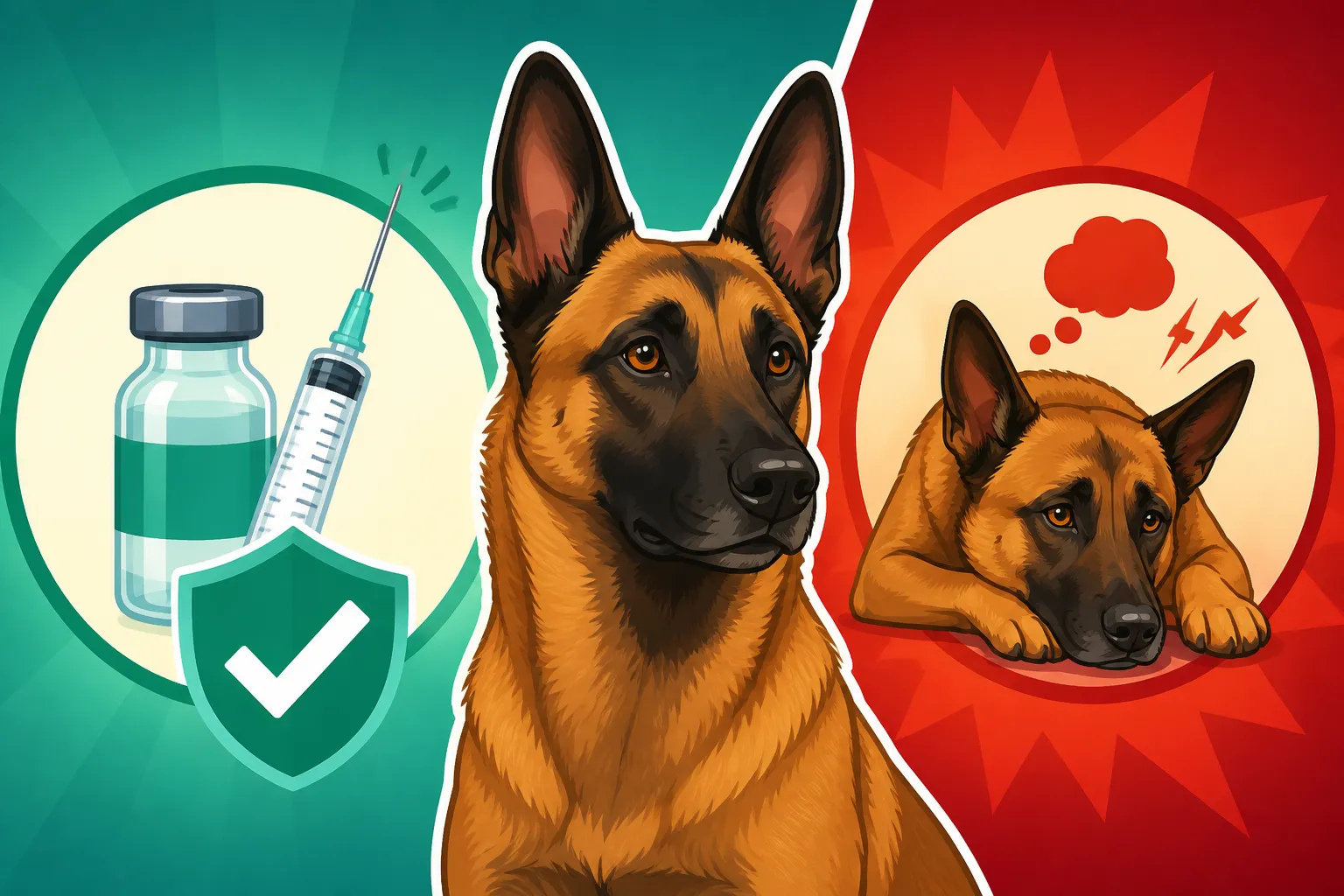
Vaccines work by introducing a weakened, killed, or partial form of a pathogen (like a virus or bacteria) to your dog's immune system. This allows the body to build up antibodies and 'memory cells' without actually getting sick. It's a marvel of modern veterinary medicine, protecting our dogs from serious, often fatal diseases. When your Malinois receives a vaccine, their immune system starts its work, which is why a mild, temporary reaction is actually a sign that the vaccine is doing its job.
The body sees the vaccine components as a foreign invader and mounts an immune response. This natural response can sometimes manifest as mild symptoms. Think of it like your own immune system after a flu shot – you might feel a bit under the weather, have a sore arm, or feel tired. Most of the time, these are normal, expected responses. However, sometimes, an individual dog's immune system can overreact, leading to more significant symptoms. Factors like genetics, overall health, and the type of vaccine administered can all play a role in how a dog responds. For breeds with highly reactive immune systems or certain sensitivities, understanding this underlying mechanism is crucial for responsible vaccination practices.
Recognizing the Signs of a Vaccine Reaction
Knowing what to look for can turn a moment of panic into a clear action plan. Vaccine reactions range from very mild, almost unnoticeable issues, to serious, life-threatening emergencies. It's important to differentiate between a normal, expected post-vaccine response and something more concerning.
Mild Localized and Systemic Reactions
Most vaccine reactions fall into the mild category, often manifesting within a few hours of vaccination. These are typically not life-threatening but certainly warrant observation.
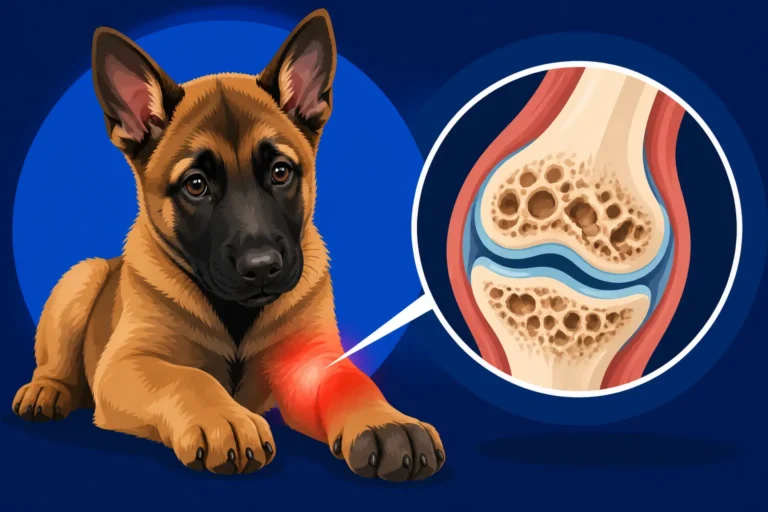
- Localized Reactions: The most common mild reaction is soreness, swelling, or a small lump at the injection site. This is usually just the body's local immune cells doing their work. Your Malinois might be a bit sensitive if you touch the area, or they might limp slightly on the limb where the injection was given. These lumps usually resolve on their own within a few days or weeks. Sometimes, a transient knot can persist for longer, which your vet should always be informed about.
- Mild Systemic Reactions: Beyond the injection site, your Malinois might seem a little "off." They could be more lethargic than usual, perhaps sleeping more or showing less interest in their regular activities, like fetch or training sessions. A slight fever (dogs normally have a slightly higher temperature than humans, around 101-102.5°F or 38.3-39.2°C) is also possible. Some dogs might experience a temporary decrease in appetite or mild nausea, which might present as lip-smacking or reluctance to eat their kibble. These symptoms typically resolve within 24-48 hours.
When your typically energetic Malinois is suddenly quiet and uninterested in their favorite tug toy, it's natural to worry. Keep a close eye on them, offer them a quiet place to rest, and ensure they have access to fresh water. If you’re ever unsure, a quick call to your vet for advice is always the best course of action.
More Significant Allergic Reactions
While less common, some dogs can have more pronounced allergic reactions, often referred to as hypersensitivity reactions. These can range from moderate to severe and require immediate veterinary attention.
- Facial Swelling and Hives: One of the most recognizable signs of a moderate allergic reaction is swelling, particularly around the face, muzzle, eyes, or ears. Your Malinois's eyelids might puff up, or their lips might look much thicker. Hives (urticaria), which are raised, itchy welts on the skin, can also appear, often noticeable on the belly or inner thighs where the fur is thinner. These are usually accompanied by intense itching.
- Gastrointestinal Distress: Vomiting and diarrhea, especially if severe or persistent, can also indicate a more serious reaction. While mild stomach upset can be part of a general "off" feeling, repeated vomiting or watery diarrhea could lead to dehydration and requires veterinary evaluation.
- Respiratory Distress: In more severe cases, a Malinois might have difficulty breathing. This could manifest as rapid, shallow breathing, coughing, wheezing, or even blue-tinged gums due to lack of oxygen. This is a critical symptom and means your dog needs emergency care immediately.
Any of these signs, especially facial swelling or breathing difficulties, should prompt an immediate call to your veterinary clinic. They may advise you to administer an antihistamine (if you have an emergency kit prepared and they've given specific instructions) or, more likely, tell you to bring your Malinois in right away. Having a pet insurance plan like those offered by Healthy Paws can provide immense peace of mind in these situations, helping cover the unexpected costs of emergency treatment.
Anaphylactic Shock: The Critical Emergency
Anaphylaxis is the most severe and life-threatening type of vaccine reaction. Though rare, it can occur very rapidly, usually within minutes, but sometimes up to an hour or two after vaccination. It is a full-body, severe allergic response that causes a dramatic drop in blood pressure and can lead to organ failure and death if not treated immediately.
- Sudden Collapse and Weakness: The most alarming sign of anaphylaxis is sudden collapse, extreme weakness, or profound lethargy. Your Malinois might be unable to stand, or appear disoriented and unresponsive.
- Pale Gums and Rapid Heartbeat: Due to the severe drop in blood pressure, the gums may become very pale or even white. The heart rate will often be very rapid and weak.
- Difficulty Breathing: Similar to severe allergic reactions, respiratory distress is common, with labored breathing becoming pronounced.
- Vomiting and Diarrhea: Severe, acute vomiting and diarrhea can also be part of an anaphylactic episode, often preceding collapse.
If you observe any signs of anaphylactic shock, do not delay. This is a true veterinary emergency. Get your Malinois to the nearest emergency veterinary hospital immediately. Time is absolutely critical for a positive outcome. This is one of those scenarios where knowing about Emergency Care After a Malinois Training Injury can help you understand the urgency of getting your dog to help quickly, even if the cause is different.
Proactive Steps to Reduce Vaccination Risks
While you can't eliminate the risk of a vaccine reaction entirely, there are many proactive steps you can take as a responsible Belgian Malinois owner to minimize the chances and ensure your dog's safety.
Discussing Your Malinois's Health History with Your Vet
Before any vaccination, have a thorough discussion with your veterinarian. This is especially important for a breed as active and sometimes prone to stress as the Malinois. Share everything about your dog's health, lifestyle, and any previous reactions to medications or vaccines.
- Detailed Health History: Inform your vet about any known allergies, chronic conditions like A Malinois Whose Thyroid Has Given Out, or if your Malinois is on any medications, including supplements. Even seemingly minor issues can sometimes influence how your dog's immune system responds. If your Malinois has ever had a previous vaccine reaction, no matter how mild, it's crucial to disclose this, as it may influence future vaccination protocols.
- Current Health Status: Make sure your Malinois is generally feeling well on the day of vaccination. If they're showing any signs of illness, even a slight cough or lethargy, it's usually best to postpone vaccinations. A healthy immune system is better equipped to handle the vaccine challenge.
- Pre-Vaccine Check-up: A good vet will always perform a physical exam before vaccinating. This helps ensure your dog is healthy enough for the vaccine. This is also a great time to discuss The Bloodwork a Working Malinois Should Have Annually to ensure their overall health is optimized, which can indirectly impact vaccine response.
Your vet is your partner in your Malinois's health journey. Open communication allows them to make the best decisions for your individual dog. Don't be afraid to ask questions, voice concerns, and ensure you feel comfortable with the plan moving forward.
Strategic Vaccination Protocols and Spacing
One size does not fit all, especially when it comes to vaccination schedules for a breed with the specific demands and sensitivities of a Malinois. There are strategies to consider that can reduce the load on your dog's immune system.
- Core vs. Non-Core Vaccines: Understand which vaccines are absolutely essential (core vaccines like Rabies, Distemper, Parvovirus, Adenovirus) and which are elective (non-core vaccines like Leptospirosis, Lyme, Kennel Cough), based on your Malinois's lifestyle and risk exposure. A working Malinois that spends a lot of time in wooded areas might need different non-core vaccines than a Malinois living in an urban environment. Your vet can guide you on The Vaccines a Working Belgian Malinois Needs based on their specific risks.
- Spacing Out Vaccinations: Instead of giving multiple vaccines at once, especially to a sensitive dog or one with a history of reactions, discuss spacing them out over several weeks. This allows the immune system to respond to one vaccine at a time, potentially reducing the overall systemic stress. For instance, if your Malinois needs DHPP, Leptospirosis, and Rabies, your vet might suggest giving DHPP one week, Lepto two weeks later, and Rabies another two weeks after that.
- Using Titer Tests: For some vaccines (particularly Distemper and Parvovirus), titer tests can measure the level of protective antibodies in your dog's blood. If your Malinois has sufficient antibody levels, they may not need a booster vaccination that year. This is a great way to avoid unnecessary vaccination, especially for adult dogs with a robust immune history. However, it's important to note that Rabies vaccination schedules are often dictated by law and may not always allow for titer options.
By adopting a more tailored approach to vaccination, you're not just preventing disease, but you're also being mindful of your Malinois's unique physiology.
Post-Vaccination Observation and Care
The critical period for vaccine reactions is usually within the first few hours after the shot, but some reactions can be delayed. Your vigilance during this time is paramount.
- Stay at the Vet Clinic: Many veterinarians recommend staying in the clinic's waiting room or nearby for 15-30 minutes after your Malinois receives injections. This allows immediate treatment if an acute, severe reaction like anaphylaxis occurs. This is a practical step that can literally be life-saving.
- Monitor Closely at Home: Once you're home, continue to observe your Malinois closely for at least 24-48 hours. Look for any changes in behavior, appetite, or physical symptoms. Keep an eye on the injection site. If your dog is typically on a regimented schedule, slight deviations from that schedule might be your first clue that they're not feeling 100%. Ensure they have a quiet, comfortable space to rest.
- Limit Strenuous Activity: For a day or two after vaccination, it's wise to avoid highly strenuous activities or intense training sessions. Let your Malinois relax and recover. This doesn't mean no walks, but perhaps shorter, calmer ones. This rest period allows their immune system to do its work without additional physical stress.
- Consider Pet Insurance: Having a comprehensive pet insurance plan, such as those offered by Healthy Paws, can significantly reduce the financial stress if your Malinois does have an unexpected reaction. Knowing that emergency vet bills are covered allows you to focus solely on your dog's well-being.
Responding When Your Malinois Has a Reaction
Even with the best preventative measures, a vaccine reaction can still occur. Knowing how to respond calmly and effectively can make all the difference.
Immediate Actions for Mild to Moderate Reactions
If you notice your Malinois displaying mild or moderate symptoms after vaccination, your immediate actions are crucial.
- Contact Your Veterinarian: The first step is always to call your vet. Describe the symptoms clearly and precisely: when they started, their severity, and any changes in your dog's behavior. Your vet will advise you on whether to monitor at home, administer an over-the-counter antihistamine (only if specifically instructed and dosed by your vet!), or bring your dog in for an examination. Never give human medication without explicit veterinary guidance.
- Monitor and Document: Keep a close eye on your Malinois. Take their temperature if you know how (rectally is most accurate for dogs). Note down the specific symptoms, their severity, and how they progress. This information will be invaluable to your vet. Take pictures of any swelling or hives if possible.
- Provide Comfort: Offer a quiet, comfortable space for your Malinois to rest. Ensure fresh water is available. If they're reluctant to eat, offer something bland like boiled chicken and rice, but don't force it. The goal is to keep them calm and hydrated while you wait for veterinary advice or resolution of symptoms.
For some Malinois with known sensitivities, your vet might even prescribe an antihistamine to be given before vaccination to preempt a mild allergic response. This is a conversation worth having if your dog has had issues in the past.
When to Seek Emergency Veterinary Care
While most reactions are mild, some warrant immediate emergency attention. Recognizing these critical signs is vital.
- Signs of Anaphylaxis: As discussed earlier, sudden collapse, extreme weakness, severe difficulty breathing (gasping, blue gums), or profuse vomiting/diarrhea are red flags for anaphylactic shock. If you see these, it’s a race against time. Get to the nearest emergency vet immediately. Call them while you're on the way so they can be prepared for your arrival.
- Rapidly Worsening Symptoms: If mild symptoms quickly escalate in severity—for instance, a small lump rapidly turns into massive facial swelling, or mild lethargy progresses to extreme unresponsiveness—this indicates a more serious reaction requiring urgent care.
- Persistent or Severe Discomfort: If your Malinois is in obvious, unrelieved pain, struggling to breathe for more than a few minutes, or if vomiting and diarrhea are continuous and severe (more than 2-3 episodes in a short period), these are reasons to seek emergency veterinary attention. Always remember that for an active dog like a Malinois, serious pain or distress is usually quite obvious. If your Malinois is seizing, it could be a vaccine reaction, or a sign of The Seizure Disorder Running in Malinois Lines; either way, immediate veterinary help is required.
Don't hesitate if you suspect an emergency. It's always better to be safe than sorry, and emergency vets are equipped to handle these critical situations.
Planning for Future Vaccinations and Documentation
Once your Malinois has had a vaccine reaction, whether mild or severe, it's crucial to plan for future vaccinations to prevent recurrence.
- Detailed Documentation: Ensure your vet records the reaction in detail, including the specific vaccine given, the lot number, the type of reaction, and the treatment administered. This detailed record will be vital for future decisions. If you've got an active working dog, having a thorough health record is essential, which also applies to understanding The Checkup Schedule a Sport Malinois Should Keep.
- Altered Vaccination Protocol: Your vet may recommend a modified vaccination protocol for future shots. This might include:
- Pre-medication: Giving an antihistamine or corticosteroid before vaccination.
- Different Vaccine Brands/Types: Some dogs react to specific components or adjuvants in certain vaccines. Your vet might try a different brand or a vaccine with different components.
- Titering: Relying more heavily on titer tests to avoid unnecessary re-vaccination for certain diseases.
- Vaccinating at an Emergency Clinic: In rare, severe cases, your vet might recommend future vaccinations be given at an emergency clinic where full life support is readily available, or to What to Tell a Vet Before a Malinois Is Sedated to ensure they are prepared for potential reactions.
- Inform All Vets: Make sure any new vet or emergency clinic you visit is aware of your Malinois's vaccine reaction history. This is vital for their safety and proper care.
- Pet Insurance Benefits: If you're utilizing pet insurance like Healthy Paws, make sure to report the vaccine reaction to them. They can often help cover the costs of diagnostics, treatments, and any ongoing care related to the reaction, reinforcing why such coverage is so valuable for Malinois owners.
Managing vaccine reactions is an ongoing conversation with your veterinarian. By staying informed, proactive, and prepared, you can navigate vaccinations safely and keep your remarkable Belgian Malinois healthy and thriving.
Summary of Vaccine Reaction Types and Actions
To help you quickly identify and respond to potential issues, here's a brief overview:
| Reaction Type | Common Symptoms | Severity | Action Required |
|---|---|---|---|
| Mild Localized | Pain, swelling, small lump at injection site; mild limping. | Low | Monitor at home. Apply cool compress if comfortable for the dog. Contact vet if swelling persists or worsens significantly. |
| Mild Systemic | Lethargy, mild fever, decreased appetite, mild nausea (lip-smacking), transient discomfort. | Low | Monitor at home for 24-48 hours. Offer comfort and fresh water. Contact vet if symptoms worsen or persist beyond 48 hours. |
| Moderate Allergic | Facial swelling (muzzle, eyes, ears), hives (itchy welts on skin), mild to moderate vomiting/diarrhea. | Moderate | Contact vet immediately. They may advise antihistamines (prescribed) or direct you to bring your dog in for assessment and treatment. |
| Severe Anaphylactic Shock | Sudden collapse, extreme weakness, profound lethargy, severe difficulty breathing (gasping, blue gums), pale gums, rapid/weak pulse, severe acute vomiting/diarrhea. | Life-Threatening | Emergency: Get to the nearest veterinary emergency hospital IMMEDIATELY. Call ahead if possible to alert them. Time is critical. |
| Delayed Reactions | Less common, can occur days or weeks later. Joint pain, lameness, immune-mediated conditions (e.g., polyarthritis), changes in blood work. | Variable | Contact your vet for evaluation. These can be complex and require diagnostic testing to confirm the link to vaccination. |
Disclaimer
This article is intended for informational purposes only and does not constitute medical advice. Always consult with a qualified veterinarian for any health concerns or before making any decisions about your Belgian Malinois's medical care, including vaccinations. Individual dogs may react differently, and professional veterinary guidance is essential.