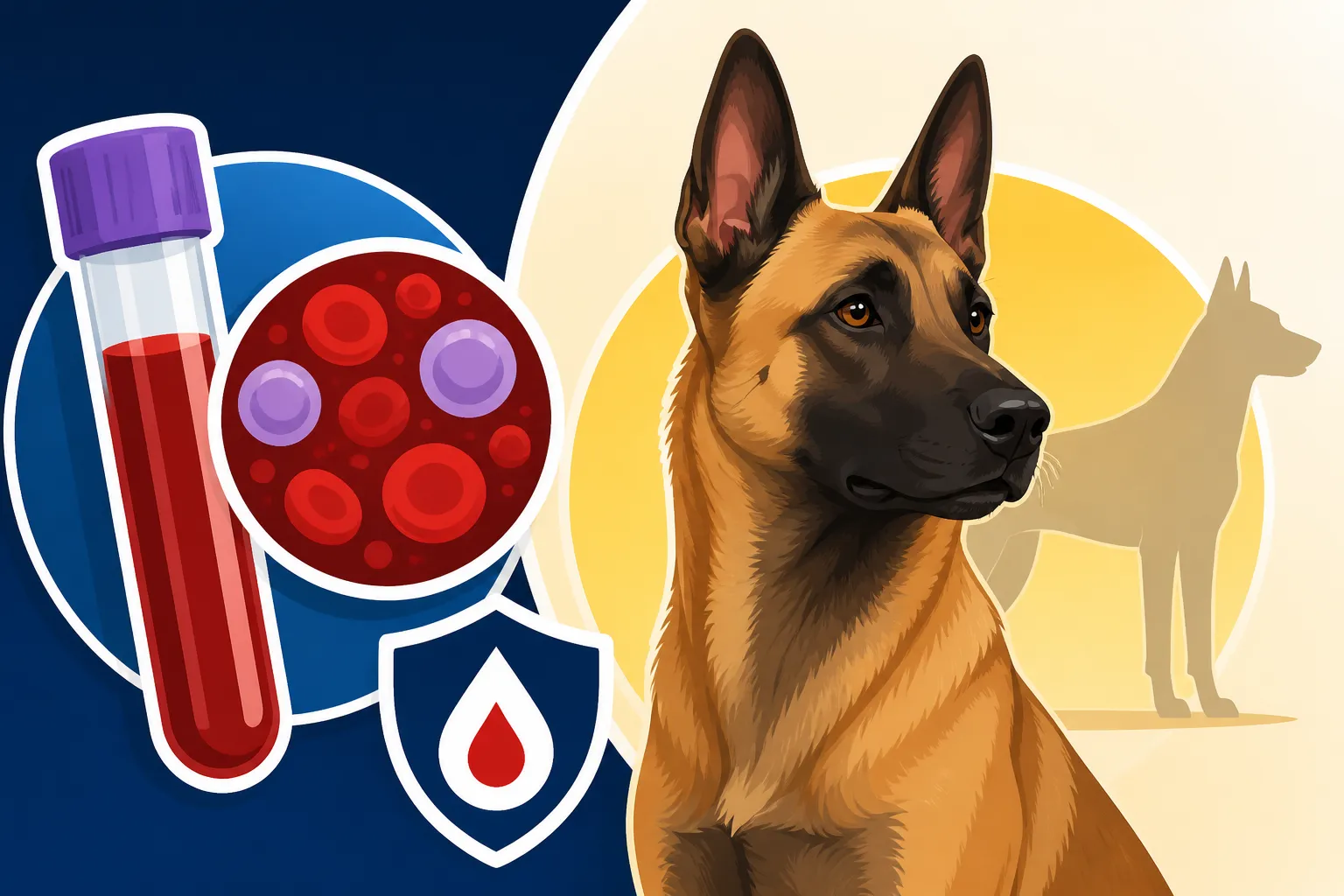
Bloodwork Before Breeding a Belgian Malinois
Bringing new Belgian Malinois into the world is an incredible undertaking, filled with hopes for healthy, vibrant puppies that embody the best of the breed. But let's be honest, it's also fraught with anxiety. The last thing any ethical breeder wants is to unknowingly pass on genetic issues or health predispositions that could lead to heartache and expense for future puppy owners. That's why diving deep into the necessary bloodwork before breeding your Malinois is not just a suggestion, it's a foundational step towards responsible breeding, and this guide will walk you through exactly what you need to know to ensure a strong start for your next litter.
Why Bloodwork is Non-Negotiable for Malinois Breeders
You've spent countless hours training, nurturing, and probably even cleaning up after your magnificent Belgian Malinois. You know their drive, their intelligence, their unwavering loyalty. When you consider breeding them, you're not just thinking about cute puppies; you're thinking about preserving these incredible traits and, most importantly, ensuring the health and longevity of the next generation. Skipping crucial pre-breeding bloodwork is like building a house on a shaky foundation – you might not see the cracks immediately, but they're destined to appear.
The intense physical and mental demands placed on a working Malinois mean their bodies are already under a lot of stress. Adding the physiological strain of pregnancy, whelping, and nursing for a female, or the stud duties for a male, can exacerbate any underlying, undiagnosed health issues. This isn't just about avoiding problems; it's about setting your breeding pair up for success and minimizing risks for both them and their offspring.
Unmasking Hidden Health Concerns
Imagine your promising young female Malinois, full of vigor and drive, perfectly structured, with an impeccable pedigree. On the surface, she seems like the ideal candidate for breeding. However, a comprehensive physical exam, while essential, can only tell you so much. Many critical health concerns in dogs are silent killers or latent issues that won't manifest until they've progressed significantly or are triggered by stress, like pregnancy.
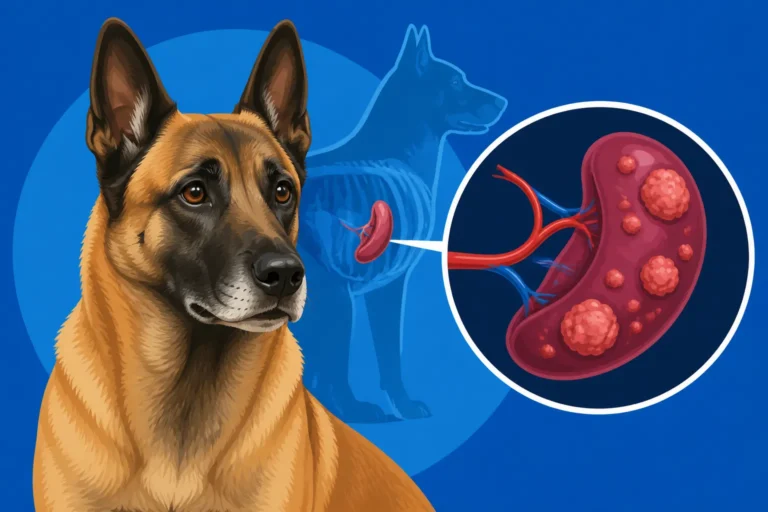
Bloodwork provides an invaluable window into your dog's internal workings. It can reveal early signs of organ dysfunction, metabolic imbalances, or even specific genetic markers that might be invisible to the naked eye. For instance, a condition like hypothyroidism might not present with obvious clinical signs until it severely impacts fertility or overall vitality. Without blood tests, you might never know your seemingly healthy dog is a carrier for a serious genetic disorder, or has a ticking time bomb related to organ function that could jeopardize her pregnancy or the health of her litter.
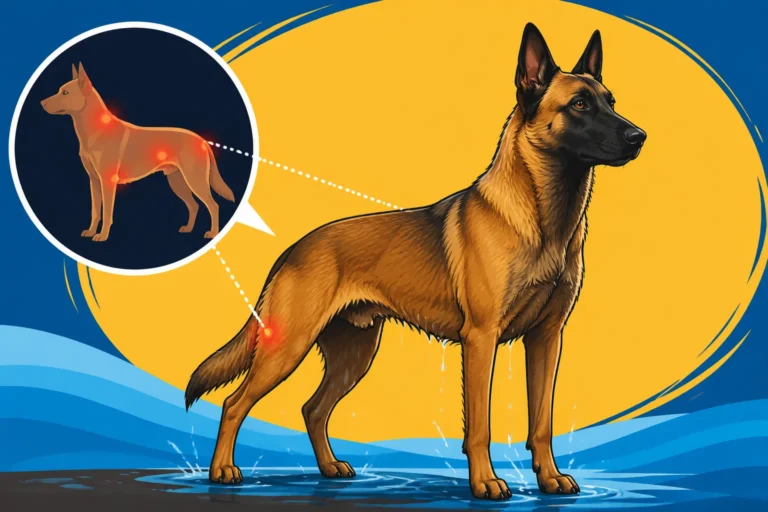
Consider the implications of a hidden bleeding disorder, like Von Willebrand Disease (vWD), which, while not widely rampant in Malinois, can pop up in lines. A dog might live a perfectly normal life without ever showing severe symptoms, but a routine surgery, an injury, or the extreme physiological stress of whelping could lead to a life-threatening hemorrhage. Pre-breeding bloodwork, including specific genetic tests, can catch these issues long before they become emergencies, allowing you to make responsible decisions to protect your dog and her potential puppies. This proactive approach is a cornerstone of ethical breeding, ensuring that you're not just breeding beautiful dogs, but truly healthy ones.
Protecting the Next Generation
As a breeder, you hold a tremendous responsibility to the breed itself and to the families who will eventually welcome your puppies into their homes. The ethical imperative to produce healthy puppies cannot be overstated. Every decision you make, especially regarding the health screening of your breeding stock, directly impacts the quality of life for those puppies and the reputation of the Belgian Malinois breed as a whole.
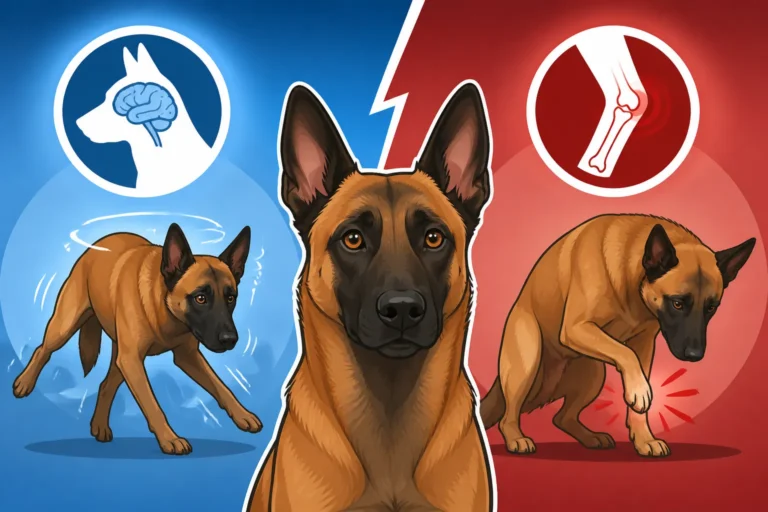
Think about the heartbreak and financial burden on a new puppy owner when their beloved Malinois puppy develops a serious, preventable genetic disease. Conditions like Spongy Degeneration with Cerebellar Ataxia (SDCA1 and SDCA2), which cause a devastating neurological decline, can be devastating. While Malinois are tested for these specific Ataxia genes, general bloodwork can also indicate other predispositions. Passing on such conditions, even inadvertently, is a profound disservice to the puppies and their families. It tarnishes the trust placed in breeders and contributes to the difficult decisions owners sometimes face regarding managing chronic illness or even euthanasia.
Beyond individual cases, repeated instances of preventable health issues in a breed can lead to a decline in its overall genetic health. By diligently performing comprehensive bloodwork and genetic screenings, you are actively contributing to the robustness and vitality of the Belgian Malinois breed. You're setting a standard, demonstrating a commitment to health that goes beyond championship titles or impressive drive. This diligence helps ensure that the future of this magnificent breed remains sound, intelligent, and capable of fulfilling the roles for which it is so admired. It's about looking at the bigger picture and leaving a positive legacy with every litter you produce.
Essential Blood Tests for Prospective Malinois Parents
When it comes to preparing your Belgian Malinois for breeding, a comprehensive panel of blood tests is your best friend. These aren't just random checks; they're targeted investigations into key physiological systems that can impact fertility, pregnancy, and the overall health of both parent and puppies. A good veterinarian, experienced with breeding animals, will be your primary guide in navigating these tests.
It's tempting to think that because your Malinois looks and acts healthy, everything is fine. But many conditions are subclinical, meaning they don't show obvious signs until they're advanced or triggered by stress. Pre-breeding bloodwork is a preventative measure, a deep dive into the blueprint of your dog's health, ensuring you have the clearest possible picture before making those crucial breeding decisions.
Comprehensive Metabolic Panel and Complete Blood Count (CBC)
These are fundamental diagnostic tools, providing a broad overview of your dog's general health. Think of them as the executive summary of your Malinois's internal systems. The Complete Blood Count (CBC) gives your vet insight into the cellular components of your dog's blood: red blood cells, white blood cells, and platelets. Red blood cells are crucial for oxygen transport, so an anemic dog might struggle with the demands of pregnancy or recovery. White blood cells are key indicators of immune function and infection, while platelets are essential for blood clotting.
The Comprehensive Metabolic Panel (CMP) focuses on organ function and metabolic processes. It checks critical values like liver enzymes, kidney function indicators (BUN, creatinine), blood glucose (sugar), and protein levels. Abnormalities here can point to early-stage organ disease, metabolic disorders, or even nutritional deficiencies that could significantly impact a successful breeding. For instance, elevated liver enzymes might indicate an underlying liver issue that could be exacerbated by medications or the metabolic stress of carrying a litter. If you're concerned about potential vet bills for such diagnostics, sometimes pet insurance providers like Healthy Paws can offer coverage for unexpected health issues, even if discovered during pre-breeding screening.
Catching these subtle deviations before breeding allows your veterinarian to investigate further, potentially treat underlying conditions, or advise against breeding if the risks are too high. This proactive approach safeguards the health of your breeding animal and provides vital information about their ability to undergo the stress of breeding safely. It’s an investment in their long-term well-being and the health of their future offspring.
Thyroid Function Testing
Thyroid health is often overlooked but plays a profoundly significant role in overall health, metabolism, and perhaps most importantly for breeders, reproductive success. Hypothyroidism, an underactive thyroid, is a common endocrine disorder in dogs, and certain breeds, including the Belgian Malinois, can be predisposed. A Malinois whose thyroid has given out can suffer from a range of issues, impacting everything from energy levels to coat quality.
For breeding animals, normal thyroid function is absolutely crucial. Hypothyroidism can lead to infertility, poor conception rates, reabsorption of fetuses, stillbirths, and weak puppies. It can also cause changes in temperament and energy levels, which might be mistakenly attributed to other factors. A full thyroid panel typically includes T4, Free T4, TSH (Thyroid Stimulating Hormone), and often Thyroglobulin Autoantibodies. These tests give a complete picture of thyroid hormone production and whether the body's immune system is attacking the thyroid gland.
Even subtle, subclinical hypothyroidism, where visible symptoms are not yet apparent, can impact fertility and the health of the litter. If an issue is detected, your vet might recommend thyroid hormone supplementation, which can often resolve the reproductive problems. However, it's also important to consider the genetic component of hypothyroidism; while not simple, persistent thyroid issues in breeding stock warrant careful consideration to avoid perpetuating the condition in future generations. Ensuring robust thyroid function is a key step in setting up both your parent dogs and their puppies for success.
Genetic Disease Panels Specific to Malinois
While traditional bloodwork gives you a snapshot of current physiological health, genetic disease panels look at the inherited blueprint within your Malinois. For a breed like the Belgian Malinois, known for its intense drive and working capabilities, understanding genetic predispositions is paramount. These tests are usually performed using a cheek swab, but blood samples can also be used, making them a part of the overall "bloodwork before breeding" discussion. The goal is to identify carriers or affected individuals for specific genetic disorders prevalent in the breed.
The most critical genetic conditions to screen for in Belgian Malinois are Spongy Degeneration with Cerebellar Ataxia, often referred to as SDCA1 and SDCA2. These are devastating neurological disorders that affect coordination and balance, with puppies typically showing signs early in life. Knowing The Two Ataxia Genes Belgian Malinois Are Tested For is crucial. These are recessive conditions, meaning a dog must inherit two copies of the affected gene (one from each parent) to be clinically affected. However, dogs can be "carriers" – possessing one copy of the gene without showing any symptoms themselves. Whether a Carrier Belgian Malinois Shows Signs is a common question, and the answer is usually no, they appear perfectly healthy.
The implications for breeding are profound: Breeding Two Ataxia Carrier Malinois is highly irresponsible, as 25% of their offspring would statistically be affected, 50% would be carriers, and only 25% would be clear. Reputable breeders use these panels, like those from companies such as Embark or Canine HealthCheck, to make informed decisions about pairing. If one parent is a carrier, they must only be bred to a dog that is genetically clear for that specific disease. This diligent approach is how we prevent the spread of these debilitating conditions and ensure a healthier future for the breed. Testing a Belgian Malinois for SDCA1 and SDCA2 is a non-negotiable step for any responsible breeder.
Von Willebrand Disease Testing
Von Willebrand Disease (vWD) is an inherited bleeding disorder that impacts the blood's ability to clot properly. It's caused by a deficiency in von Willebrand factor, a protein essential for platelet adhesion and normal blood clotting. While it's more prevalent in some other breeds like Doberman Pinschers, it's always wise to understand any potential risks for your Malinois, especially given their active, often high-impact lifestyles.
For a breeding dog, especially a female undergoing pregnancy and whelping, vWD can pose significant risks. Whelping is a strenuous process, and if a dog has vWD, she could experience excessive bleeding during or after delivery, potentially endangering her life. Similarly, a male stud dog, if he needs any minor surgery or experiences an injury, could also face complications. Therefore, understanding Whether a Belgian Malinois Gets Von Willebrand Disease is important.
There are different types of vWD, and DNA testing is available to identify affected dogs, carriers, and clear dogs. This genetic test will tell you if your Malinois carries the gene for vWD. If your dog is found to be affected or a carrier, your veterinarian can discuss management strategies and, crucially, advise on appropriate breeding pairings to avoid producing affected puppies. This knowledge empowers you to prevent potentially life-threatening bleeding episodes and ensure that any puppies produced are not at risk of inheriting this serious condition.
Interpreting Results and Making Informed Decisions
Getting all this bloodwork done is a significant step, but the information it provides is only as good as its interpretation. You'll receive a lot of data, numbers, and perhaps some alarming red flags. Don't panic! This is where your partnership with experienced professionals becomes absolutely invaluable. This data isn't meant to scare you away from breeding, but to equip you with the knowledge to breed responsibly and confidently.
The decisions made based on these results are paramount, not just for the individual dogs involved, but for the health and integrity of the entire Belgian Malinois breed. Remember, the goal is always to improve the breed, never to compromise its future health for the sake of a single litter.
Consulting Your Veterinarian and Genetic Counselor
Once your Malinois's bloodwork and genetic panel results are in hand, the very first step is to sit down with your veterinarian. They are trained to interpret these complex reports, understanding what normal ranges mean for your specific dog's age, breed, and activity level. A slightly elevated liver enzyme might be a fleeting response to stress, or it could be an early warning sign of a more serious issue. Your vet will know the difference and guide you on whether further diagnostics are needed.
For the genetic testing results, especially concerning conditions like SDCA1 and SDCA2, your veterinarian can explain what a "carrier" or "affected" status means in practical terms for your dog and its potential offspring. In some cases, particularly with more complex genetic inheritance patterns or if you're trying to navigate specific breed-wide issues, consulting with a certified veterinary genetic counselor can be incredibly insightful. These specialists can provide nuanced advice on breeding strategies to minimize risk while preserving genetic diversity within your lines. When you're dealing with the potential for significant vet bills for diagnostic work, having pet insurance like Healthy Paws in place can truly ease the financial burden, allowing you to pursue all necessary testing without hesitation.
This consultative approach is about forming a team. You, as the breeder, bring your intimate knowledge of your dog and your breeding goals. Your vet brings medical expertise and diagnostic interpretation. A genetic counselor offers specialized insights into inheritance. Together, you can create a comprehensive health plan and make the most informed, ethical decisions for your breeding program. Remember that sometimes, The Murmur Found on a Malinois Before Breeding can also be a crucial finding from a physical exam that needs further cardiac workup alongside bloods.
Ethical Breeding Practices and Pairings
With all the health information now at your disposal, you're empowered to engage in truly ethical breeding practices. This isn't just about avoiding problems; it's about actively striving for betterment. The most fundamental principle is to never breed two dogs together if they are both carriers for the same recessive genetic disease. Doing so guarantees a percentage of affected puppies, which is entirely preventable. If you have a carrier, you must pair them with a dog that is genetically clear for that specific condition. Whether both Malinois parents need DNA testing is a question with a resounding yes if you want to eliminate risk.
Transparency is another cornerstone of ethical breeding. You should be open and honest with prospective puppy buyers about the health clearances of both parents, including any carrier status. This builds trust and ensures that new owners are fully aware of any potential long-term health considerations. A responsible breeder provides clear documentation of all health testing, not just a verbal assurance. You can expect prospective buyers to be Asking a Breeder for Malinois Ataxia Results and other relevant clearances, and you should be ready to provide them.
Beyond specific genetic conditions, your comprehensive bloodwork results might indicate other health predispositions, such as a tendency toward hypothyroidism. While treatable, you'll need to weigh the implications of breeding a dog that requires lifelong medication. The ultimate goal is to produce robust, healthy, and functional Belgian Malinois puppies that will be wonderful companions or capable working dogs for their entire lives. By diligently using pre-breeding bloodwork and adhering to sound ethical principles, you contribute positively to the future of this magnificent breed, ensuring that health remains at the forefront of every breeding decision. The long-term health of the Malinois benefits immensely from every careful, informed choice made today.
| Test Category | Specific Test (Examples) | What It Screens For | Action If Abnormal |
|---|---|---|---|
| General Health | Complete Blood Count (CBC) | Anemia, infection, inflammation, clotting ability | Further diagnostics (e.g., bone marrow biopsy, specific infection tests), treatment, or delay/cancellation of breeding. |
| Comprehensive Metabolic Panel (CMP) | Liver function, kidney function, blood glucose, protein levels, electrolytes | Targeted diagnostics (e.g., ultrasound, urinalysis), diet changes, medication, or delay/cancellation of breeding. | |
| Hormonal Health | Full Thyroid Panel (T4, Free T4, TSH) | Hypothyroidism (underactive thyroid) and its impact on fertility and metabolism | Medication for hypothyroidism. Re-evaluation of breeding decision if severe or persistent; consideration of genetic component. |
| Genetic Diseases | SDCA1 & SDCA2 (Ataxia) | Genetic carriers or affected status for Spongy Degeneration with Cerebellar Ataxia | If carrier: breed only to a clear mate. If affected: do not breed. |
| Von Willebrand Disease (vWD) | Genetic carriers or affected status for inherited bleeding disorder | If carrier: breed only to a clear mate. If affected: do not breed, risk of severe bleeding during whelping/injury. | |
| Infectious Diseases | Brucellosis (specific test) | Bacterial infection causing reproductive failure | Treatment for brucellosis (difficult), quarantine, or permanent removal from breeding program. (Often a standalone test, but crucial pre-breeding). |
Disclaimer
The information provided in this article is intended for general informational and educational purposes only, and should not be considered as professional veterinary advice. Always consult with a qualified veterinarian or veterinary specialist for any health concerns or before making any decisions related to your pet's health or breeding program. Individual situations may vary, and only a professional can provide tailored advice based on your dog's specific needs and health history.