Physical Therapy Prices for a Belgian Malinois
It’s a heart-wrenching moment when your high-drive Belgian Malinois, usually a whirlwind of energy and focus, suddenly comes up lame or struggles with a familiar movement. Injuries are an unfortunate reality for these athletic dogs, whether from intense sport, accidental falls, or the slow creep of age. When your vet recommends physical therapy, the immediate relief of a path forward is often quickly followed by a pang of worry: "What's this going to cost?" This guide is here to walk you through the various factors that influence the price tag of physical therapy for your Malinois, helping you understand what to expect and how to plan.
Understanding the Factors Influencing Malinois Physical Therapy Costs
When it comes to getting your Malinois back on their feet, or at least managing their discomfort, physical therapy is often a game-changer. But it's not a one-size-fits-all expense. The final bill can vary wildly based on a number of key factors. It's not just about the sessions themselves, but everything that goes into creating and executing a personalized recovery plan for your powerhouse dog.
Initial Consultation and Diagnostic Fees
Before any therapy can begin, your Malinois needs a thorough assessment. This initial consultation is crucial for the physical therapist to understand the full scope of your dog's injury or condition. They’re not just looking at the obvious limp; they’re trying to understand the root cause and how it affects your Malinois's entire body mechanics.
During this first visit, expect a detailed history taking. You’ll be asked about when the issue started, what makes it better or worse, previous treatments, and your Malinois's daily routine. The physical therapist will perform a comprehensive physical exam, which often includes palpation (feeling muscles and joints), range of motion assessments, and gait analysis. Watching your Malinois walk, trot, or even try to jump helps them identify subtle compensations and weaknesses. Sometimes, they might even ask to review existing imaging, like X-rays or MRI scans, that your primary veterinarian has already taken. These diagnostic steps are invaluable, but they do come with a cost, setting the baseline for your therapy expenses. A specialist, such as a board-certified veterinary physical therapist, might have a higher initial fee than a general practitioner offering rehab services, but their specialized expertise can be well worth the investment, especially for complex cases like recovery from torn cruciates in a jumping Belgian Malinois.
Types of Therapy and Modalities
Once a diagnosis and a treatment plan are established, the specific types of therapy modalities recommended will significantly influence the overall cost. Just like with humans, canine physical therapy encompasses a wide array of techniques, each with its own equipment, time commitment, and associated price.
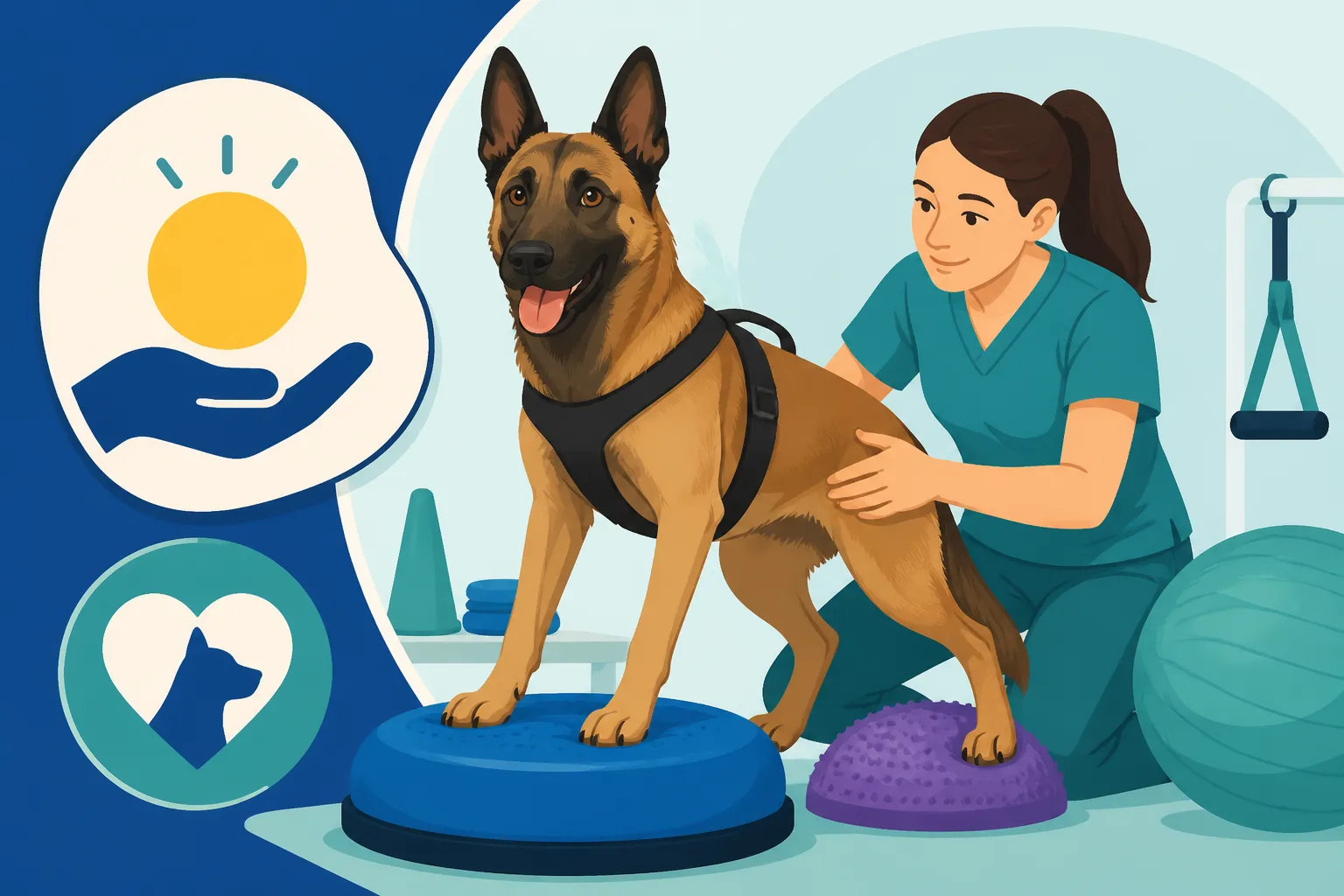
Common modalities include hydrotherapy (underwater treadmill or swimming), therapeutic exercises (ranging from controlled leash walks to balance exercises on specialized equipment), laser therapy, acupuncture, and therapeutic massage. For instance, hydrotherapy sessions often cost more per visit due to the specialized equipment and staff required to safely operate the underwater treadmill or pool. Laser therapy, which uses light to reduce inflammation and promote healing, might be a quicker session but still carries a per-session fee. Acupuncture, often performed by a vet certified in the technique, also has its own pricing structure. Your Malinois might need a combination of these therapies, especially if they're dealing with something significant like shoulder injuries a Malinois takes from decoy work. Some clinics might offer package deals for multiple sessions of a particular modality, which can sometimes be more cost-effective than paying for each session individually, especially if your Malinois needs ongoing treatment.
Breaking Down the Costs Per Session and Per Program
Understanding the individual elements of physical therapy costs is important, but seeing how these add up over time, especially for an active breed like the Belgian Malinois, paints a more realistic financial picture. It’s rarely a one-and-done deal; instead, it's often a commitment to a program designed to restore function and prevent recurrence.
Individual Session Costs vs. Package Deals
When you first start physical therapy for your Malinois, you might be offered the choice between paying for individual sessions or purchasing a package. Individual sessions, while offering flexibility, generally come with a higher per-visit cost. This is often suitable for follow-up appointments once your Malinois is well into recovery or for managing a very mild, temporary issue.
However, for more intensive rehabilitation, such as after surgery or for a significant injury, package deals are almost always recommended and can be more economical in the long run. These packages, often for 5, 10, or even 20 sessions, are designed to give your Malinois the consistent, structured therapy they need to make meaningful progress. Think of it like a gym membership – paying for a block of sessions often brings the per-session price down. The frequency of sessions will likely be high initially (perhaps 2-3 times a week) and then gradually taper as your Malinois improves. For a dog that needs to bounce back to full working capacity, like those undergoing rehabbing a Belgian Malinois after knee surgery, these structured programs are often the fastest and most effective route, even with the upfront commitment.
Home Exercise Programs and Equipment
A significant portion of your Malinois's recovery will happen not in the clinic, but right in your own home. Most physical therapists will provide you with a comprehensive home exercise program (HEP) to supplement the in-clinic sessions. This isn't just busy work; it's a critical component of successful rehabilitation, reinforcing the work done with the professional and accelerating recovery.
While the instructions for these exercises are usually included in your session fee, you might incur additional costs for specific equipment needed to perform them effectively. This could include items like balance discs, cavaletti poles, therapeutic resistance bands, or even specialized harnesses to assist with mobility. Some of these items can be found at local pet stores, while others might require ordering online from retailers like Chewy, which offers a wide range of pet supplies. Occasionally, a specialized diet or joint supplements for a working Belgian Malinois might also be recommended to support recovery, adding to the overall home care cost. Consistently adhering to the HEP can actually reduce the total number of professional sessions needed, making it a smart investment in your Malinois's health and your wallet.
The Long-Term Financial Picture and Managing Expenses
For a Belgian Malinois, especially one involved in high-intensity activities, physical therapy might not be a one-time event. Understanding the long-term financial commitment, and how to manage it, is key to providing your dog with the best possible care throughout their life.
The Impact of Injury Severity and Chronic Conditions
The duration and intensity of physical therapy, and thus its total cost, are directly tied to the severity of your Malinois's injury or the nature of their chronic condition. A minor muscle strain might require only a handful of sessions, while post-surgical rehabilitation for a major ligament tear could span several months.
Chronic conditions, such as arthritis in a Belgian Malinois at nine years old, or more severe progressive issues like the spinal disease that ends a Malinois's mobility, often necessitate ongoing, lifelong management. This could mean regular maintenance therapy sessions, perhaps once a month or every few weeks, to keep your dog comfortable and mobile. These long-term plans can accumulate significant costs over time, making it crucial to budget for sustained care rather than just an acute phase of treatment. The initial surge of expenses for diagnostics and intensive therapy will eventually transition into a more predictable, but still present, cost for maintenance.
Pet Insurance and Financial Aid Options
Navigating the costs of physical therapy can be daunting, but there are resources available to help ease the financial burden. Pet insurance is often a lifesaver for owners facing significant veterinary expenses, including physical therapy. Plans can vary widely, but many comprehensive policies cover rehabilitation therapies prescribed by a veterinarian.
It's crucial to understand the specifics of your policy: what your deductible is, the reimbursement rate (e.g., 70%, 80%, 90%), and if there are any annual limits. Be aware that most pet insurance policies, including those from providers like Healthy Paws, will not cover pre-existing conditions, so it's always best to enroll your Malinois when they are young and healthy. For working dogs, there might also be specific grant programs or benevolent funds available through working dog organizations or breed clubs that can offer financial assistance for emergency care after a Malinois training injury or other medical needs. Always research these options thoroughly, as they can provide much-needed relief during challenging times. Keeping up with the checkup schedule a sport Malinois should keep can also help catch issues early, potentially reducing severe injury and subsequent therapy costs.
Geographical and Provider Variations in Physical Therapy Pricing
Just like real estate or human healthcare, the cost of veterinary physical therapy can fluctuate significantly based on where you live and who provides the service. These variations are important to consider when you're looking for the best care for your Malinois.
Regional Cost Differences
The geographical location of your veterinary physical therapy provider plays a substantial role in the pricing structure. Clinics in major metropolitan areas or regions with a higher cost of living generally have higher overheads, which translates to higher prices for their services. This can include everything from rent and staff salaries to the cost of specialized equipment.
Conversely, clinics in more rural areas might offer slightly lower rates, though they might also have fewer specialized services or a longer drive. It's not uncommon for owners in less expensive areas to have local options, while those in pricier regions might find themselves paying considerably more for identical treatments. It’s always a good idea to research multiple providers within a reasonable travel distance from your home and compare their pricing structures. Don't be afraid to ask for a detailed estimate outlining all potential costs for your Malinois's specific treatment plan, especially for conditions like muscle strains in a Belgian Malinois which can have varied recovery paths.
Specialist vs. General Vet Referrals
Another significant factor affecting cost is whether you're seeing a board-certified veterinary physical therapist or a general veterinarian who offers some rehabilitation services. While many general practitioners have basic knowledge of rehab exercises, a board-certified specialist has undergone extensive additional training and certification in veterinary physical rehabilitation.
This specialized expertise often comes with a higher price tag per session. However, for complex cases, severe injuries, or post-surgical rehabilitation, a specialist's nuanced understanding and access to a wider range of advanced modalities can lead to a more effective and efficient recovery, potentially saving you money in the long run by preventing setbacks or prolonged therapy. For instance, diagnosing and treating something like pad injuries on a Belgian Malinois in training might be handled by a general vet, but chronic or complex issues often benefit immensely from a specialist's eye. Always discuss with your primary vet whether a referral to a specialist is the most appropriate and cost-effective path for your Malinois’s specific needs.
Here's a general breakdown of typical cost components for physical therapy:
| Cost Component | Description | Typical Cost Shape |
|---|---|---|
| Initial Consultation | Comprehensive physical exam, gait analysis, history, treatment plan development. | Moderate to High |
| Hydrotherapy (Underwater) | Sessions using an underwater treadmill or swimming, excellent for low-impact exercise. | High (per session) |
| Therapeutic Exercise | Guided exercises on various equipment, balance work, controlled movements. | Moderate |
| Laser Therapy | Using specific wavelengths of light to reduce pain and inflammation, aid healing. | Low to Moderate |
| Acupuncture | Insertion of fine needles to stimulate points, often for pain relief and nerve function. | Moderate |
| Therapeutic Massage | Manual manipulation of tissues to improve circulation, reduce muscle tension. | Low to Moderate |
| Home Exercise Program | Instructions and follow-up for exercises to be done at home. | Often Included |
| Rental Equipment | Temporary use of specialized devices for home therapy (e.g., slings, harnesses). | Low |
| Purchased Equipment | Items like balance discs, resistance bands, specialized beds for home use (e.g., from Chewy or Ollie). | Low to Moderate |
| Package Deals (Multiple Sessions) | Prepaid block of sessions, often offering a reduced per-session rate. | High (upfront) |
Disclaimer
This article is for general informational purposes only and does not constitute professional advice. Laws, prices and regulations vary by location and change over time. Consult a qualified professional for guidance on your specific situation.