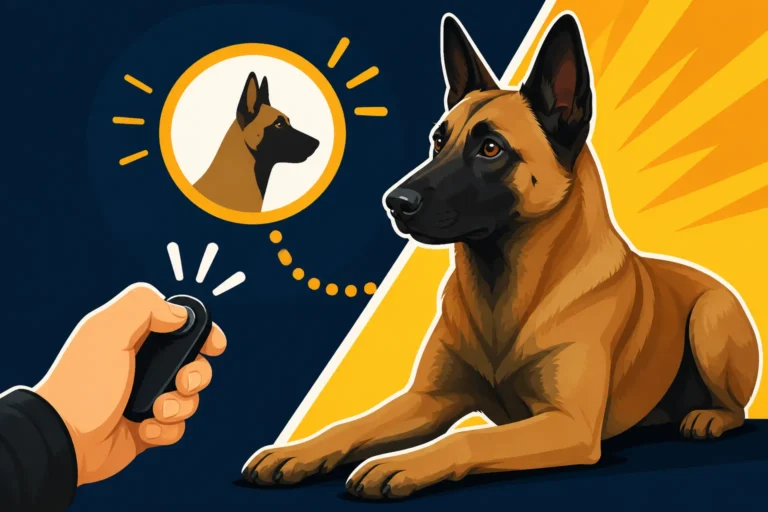
How Many Hours a Belgian Malinois Should Work Daily
One of the biggest misconceptions about owning a Belgian Malinois is that if you just run them for a few hours, they'll be a perfectly content, well-behaved house dog. Owners often find themselves scratching their heads when their Malinois, despite a two-hour hike, is still bouncing off the walls, tearing up furniture, or barking incessantly. This guide is here to unravel that mystery and clarify exactly how much work – not just exercise – your Belgian Malinois truly needs on a daily basis to be a balanced and happy companion.
Distinguishing "Work" from Mere Exercise for Your Malinois
When we talk about a Belgian Malinois, the word "exercise" often conjures images of endless running, chasing balls, or long walks. And while physical activity is absolutely crucial, it's only one piece of a much larger puzzle. For a Malinois, "work" is a distinct concept that delves into their innate need for purpose, mental stimulation, and problem-solving. Ignoring this distinction is often where the frustration for many Malinois owners begins. They're trying to fill a bucket with water, but the bottom is missing.
Why a Walk Around the Block Isn't "Work"
Think about it from your Malinois's perspective. A walk, even a very long one, can be incredibly stimulating for their senses, allowing them to sniff and explore. It certainly burns physical energy, especially if it's a brisk pace or involves varied terrain. But unless that walk has a specific, structured goal beyond just "going from point A to point B," it doesn't engage the complex cognitive functions that these dogs crave. It's like sending a highly intelligent human to run on a treadmill for two hours without giving them anything to read or think about. They'll be physically tired, sure, but mentally, they'll be restless and bored to tears.
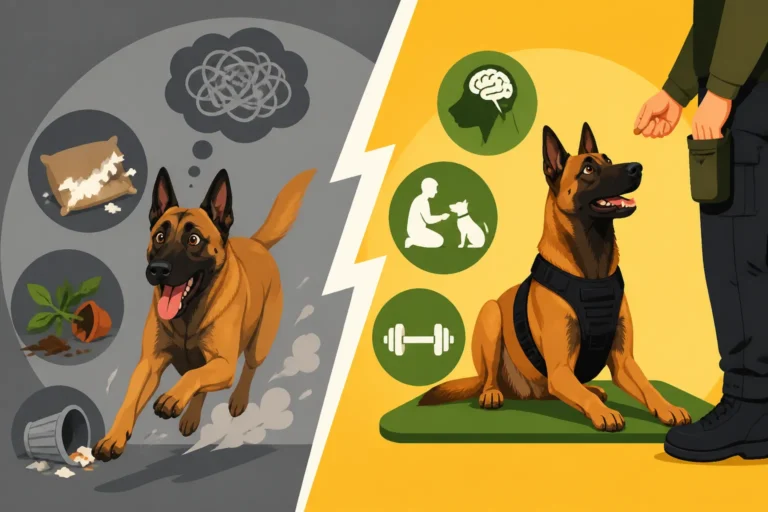
Many owners will report that they've walked their Malinois for miles, only for the dog to come home and immediately start pacing, demanding attention, or even resorting to destructive behaviors like chewing on furniture or digging in the yard. This isn't defiance; it's a clear signal that their intelligent mind hasn't been satisfied. Their drive, which is incredibly high, simply isn't being channeled into productive outlets. They have an engine built for speed and precision, but they're stuck in traffic. This is a common pitfall, and it's why you often hear the advice that Why Walks Alone Do Nothing for a Belgian Malinois. They need more than just mileage; they need a mission.
The Mental Demands of True Malinois Work
True work for a Belgian Malinois engages their brain as much, if not more, than their body. These dogs were originally bred for herding and have since excelled in roles like police, military, and protection work precisely because of their incredible capacity for learning, problem-solving, and sustained focus under pressure. Their heritage means they're not just looking for something to do; they're looking for something to figure out.
Consider the difference between simply fetching a ball thrown in the yard versus a complex scent detection exercise. In the former, the dog performs a simple retrieve. In the latter, they must use their nose, discriminate scents, ignore distractions, and communicate their findings – a highly demanding mental task that often leaves them far more tired than a dozen ball throws. It's this kind of purposeful activity that truly satisfies their genetic programming. This engagement allows them to use their natural instincts in a controlled and constructive way, preventing them from inventing their own jobs, which often involve behaviors we find undesirable. When their minds are challenged, they develop better impulse control, more resilience, and a deeper bond with their handler. Ultimately, it’s The Mental Work That Finally Tires a Malinois Out.
Daily "Work" Requirements for a Belgian Malinois
So, with the understanding that "work" means mental and physical engagement with a purpose, let's talk about the practical application. How many hours are we actually talking about here? This isn't a rigid clock-in, clock-out situation, but rather a guideline for dedicated engagement. The exact duration and intensity will, of course, depend on your individual Malinois, their age, their temperament, and whether they are a pet or actively involved in demanding sport or working disciplines.
The Baseline for a Pet Malinois
Even a Malinois living in a pet home needs a significant daily commitment to structured activity. We're not talking about simply letting them out into the yard to entertain themselves – that rarely works, and often leads to the dog finding destructive outlets for their energy. Instead, aim for a minimum of 1 to 2 hours of dedicated, focused work sessions spread throughout the day, in addition to regular potty breaks and free exercise time. This doesn't mean a solid two hours of non-stop training; it means cumulative time spent on purposeful engagement.
What does this look like?
- Morning Wake-Up: 15-20 minutes of obedience drills (sit, stay, down, recall), fetch with rules (e.g., waiting for release, bringing the toy to hand), or a short, structured walk where you practice loose-leash heeling and ignore distractions.
- Midday Mental Boost: 30-45 minutes involving puzzle toys (filled with their kibble), a short scent work session (hiding treats around the house), or a quick session practicing new tricks. You can find some fantastic durable puzzle toys on Amazon that can keep their minds busy.
- Evening Wind-Down: Another 30-45 minutes of a longer structured walk, recall practice in a safe, enclosed area, or a focused tug session with clear rules of "take it" and "out." This is a great way of Channeling a Belgian Malinois's Prey Drive Into a Tug.
Consistency is paramount. A Malinois thrives on routine and knowing what to expect. Without this baseline, you'll inevitably run into issues. An unemployed Malinois is often a destructive Malinois, and understanding What Happens to an Unemployed Belgian Malinois is critical for any owner. This breed needs a job, even if that job is "well-behaved family companion" with a daily training regimen.
Stepping Up for Sport or Working Lines
For Malinois actively involved in protection sports like IGP, French Ring, or Mondioring, or those working as police K9s, military dogs, or search and rescue animals, the daily "work" demands escalate significantly. These dogs are athletes and highly specialized professionals, and their schedules reflect that intensity. You're typically looking at 2 to 4+ hours of intense, structured work each day, often broken into multiple sessions.
Here's how that might break down:
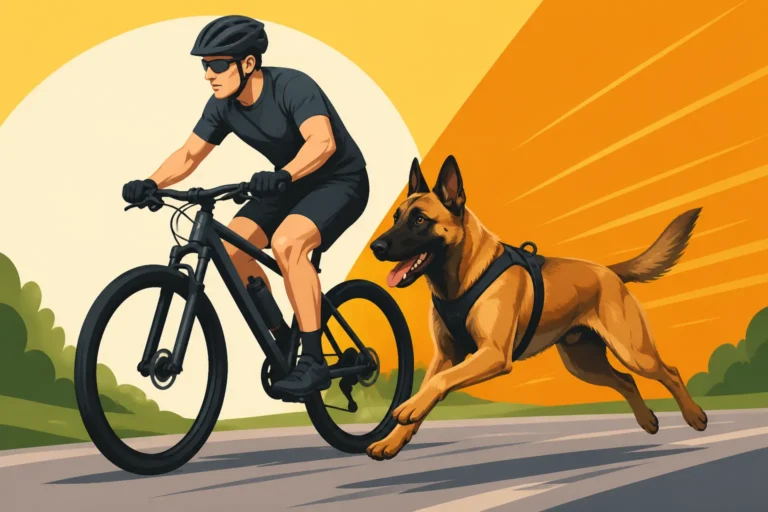
- Morning Conditioning: 30-60 minutes of physical conditioning like treadmill work, swimming, focused retrieve drills, or even a brisk run.
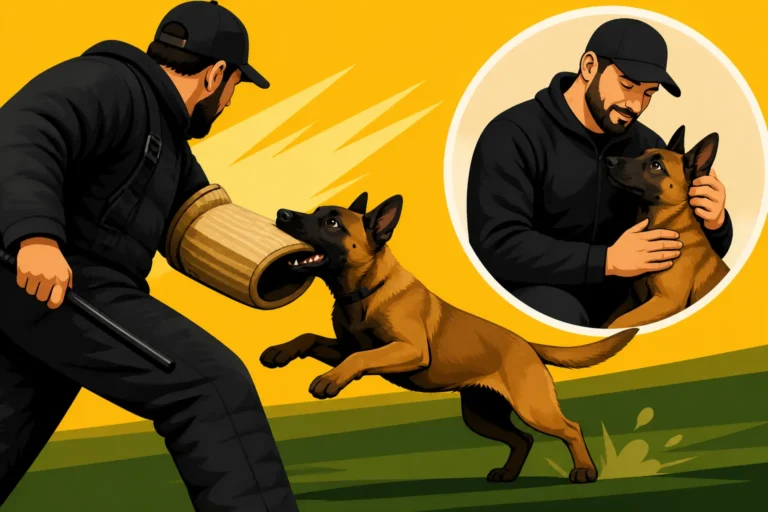
- Midday Skill Development: 60-90 minutes dedicated to specific sport or job skills. This could be bite work with a decoy, advanced obedience patterns, tracking, or detection work. These sessions are incredibly mentally and physically taxing.
- Evening Reinforcement/Problem Solving: 45-60 minutes of reinforcement of foundational obedience, problem-solving exercises related to their sport, or light proofing of specific behaviors in distracting environments. This ensures that their Obedience a Malinois Needs Before Protection Work remains sharp.
In these contexts, "hours" isn't just a number; it's about the quality and intensity of the engagement. Professional handlers and trainers work closely with these dogs, ensuring that sessions are productive, challenging, and appropriate for the dog's current fitness and skill level. They understand that pushing too hard without adequate recovery can lead to burnout or injury. For those getting into these sports, guidance from a program like BAXTER & Bella's online resources or a local club is invaluable, as they can help structure these demanding schedules appropriately. It's a testament to the Malinois's drive that they not only tolerate this level of work but truly thrive on it, as long as it's balanced and well-managed.
Structuring a Malinois's Workday for Optimal Balance
Understanding the sheer volume of work a Malinois needs is one thing, but figuring out how to implement it into a daily schedule without turning your life upside down can feel daunting. The key is strategic planning and recognizing that quality often trumps raw quantity. A well-structured approach ensures your Malinois is getting the right kind of stimulation without becoming overstimulated or completely exhausted.
Integrating Work Throughout the Day
Trying to cram all your Malinois's work into one massive chunk is often counterproductive. For a breed with such intense focus and drive, shorter, more frequent bursts of activity are often more effective than one long, grueling session. This approach mimics how many working dogs operate in their professional lives, with periods of high-intensity work interspersed with periods of calm rest.
Here’s a typical flow for a Malinois owner, focusing on integrating various types of work:
- Early Morning (30-45 minutes): Start the day with a focused obedience session or a short, structured walk. This helps to channel their morning energy into productive tasks. You might work on heeling, recalls, or duration stays. This also burns off some of that initial morning zoomie energy before it can be misdirected.
- Mid-Morning/Lunch Break (15-30 minutes): A quick mental game or puzzle. This could be a sniffari in the yard, hiding treats for them to find, or engaging them with a chew toy that requires some effort. Puzzle Work for a Belgian Malinois Indoors is fantastic for this. Even 15 minutes of dedicated mental exercise can make a huge difference in their overall demeanor.
- Afternoon (45-60 minutes): This might be the longest session, where you dive into higher-intensity activities like retrieve games, flirt pole work, or if you're involved in sport, a dedicated session with your club or decoy. This is where you can really lean into their physical capabilities and practice more advanced skills.
- Evening (30 minutes): A calmer, structured activity to help them wind down. Perhaps another structured walk focusing on loose-leash walking in a quiet area, or a review of basic obedience in a relaxed environment. The goal here is to help them Building an Off Switch Into a Belgian Malinois so they can settle in for the night.
Remember, rest and recovery are just as important as the work itself. Overworking a Malinois can lead to physical injuries, mental burnout, or even exacerbate anxiety and reactivity. Always ensure there are clear periods of downtime where your dog is encouraged to relax and disengage. This balanced approach is integral to The Structure a Belgian Malinois Needs Every Day.
Recognizing When Your Malinois Needs More or Less
Your Malinois will communicate their needs, but you have to learn to speak their language. Being attuned to their behavior is crucial for adjusting their daily workload.
Signs Your Malinois Needs More Work:
- Destructive Chewing: Suddenly targeting furniture, doorframes, or inappropriate items, even if they have plenty of appropriate toys. A Malinois destroying your home after a long walk is almost certainly signaling a lack of mental engagement. A Belgian Malinois that destroys in one unsupervised hour is a classic sign.
- Excessive Barking or Whining: Persistent vocalization that isn't tied to a specific need (like going outside) can be a plea for attention or a sign of boredom.
- Pacing or Restlessness: Unable to settle, constantly moving around the house, unable to lie down for long periods.
- Nipping or Herding Behaviors: Trying to "manage" family members, especially children or other pets, by nipping at heels or pushing them. This often stems from an unmet genetic drive.
- Hyperactivity: A general inability to calm down, even after physical exercise. They might seem "wired" constantly.
- Poor Focus in Training: If your dog, who normally picks things up quickly, suddenly seems to struggle with basic cues or loses attention rapidly, it might be that their baseline energy isn't being met, making it harder for them to concentrate.
Signs Your Malinois Needs Less Work (or a different kind of work):
- Crankiness or Snappiness: Becoming easily irritated with other dogs, people, or even their handler. This often indicates mental fatigue or overstimulation.
- Reluctance to Work: A dog who normally loves training suddenly seems unenthusiastic, sluggish, or avoids engaging.
- Errors in Known Cues: Making mistakes on exercises they normally ace, indicating a lack of focus or mental exhaustion.
- Stress Diarrhea: This can be a physical manifestation of prolonged mental stress or over-arousal.
- Hyper-Vigilance: Constantly on edge, reacting to every little sound or movement, unable to relax even in a familiar environment. This is different from the normal Malinois alertness; it's an inability to switch off.
- Shutting Down: In extreme cases, a Malinois might completely disengage, showing no interest in toys, food, or interaction. This is often a sign of chronic overstimulation.
Adjusting their daily routine based on these signals is an ongoing process. There's no single perfect schedule; it's about learning your dog and responding to their needs.
| Work Type | Pet Malinois (Daily) | Sport/Working Malinois (Daily) | Key Benefits |
|---|---|---|---|
| Structured Obedience | 15-30 min (2-3 sessions) | 30-60 min (2-3 sessions) | Builds focus, impulse control, communication |
| Mental Games/Puzzles | 30-45 min (1-2 sessions) | 15-30 min (1 session) | Cognitive challenge, independent problem-solving |
| Scent Work | 15-20 min (1 session) | 30-60 min (1-2 sessions) | Instinctual fulfillment, intense mental fatigue |
| Active Play (Tug/Fetch with rules) | 20-40 min (1-2 sessions) | 30-60 min (1-2 sessions) | Physical outlet, drive channeling, handler engagement |
| Long Structured Walk/Run | 45-60 min (1 session) | 60-90 min (1 session) | Physical endurance, environmental exposure |
| Sport/Job Specific Training | N/A | 60-120 min (1-2 sessions) | Skill development, high-level mental & physical demands |
| Total Focused Work | ~1.5 – 2.5 Hours | ~3 – 4+ Hours |
Note: This table represents focused, engaged work, not passive backyard time or casual walks.
Tools and Resources to Support Your Malinois's Work Ethic
Successfully providing the daily work a Belgian Malinois needs often requires more than just good intentions; it demands the right tools and, crucially, access to experienced guidance. These aren't dogs you can wing it with. Investing in appropriate equipment and seeking out knowledgeable trainers will make your journey with a Malinois far more rewarding and sustainable.
Essential Training Equipment and Aids
Having the right gear makes a huge difference in managing and motivating your Malinois. It's not about endless gadgets, but about selecting items that facilitate effective work and safe management.
- Durable Tug Toys and Bite Pillows: For a Malinois, tug is not just a game; it's a fundamental drive outlet and a powerful reward. Invest in high-quality, durable tugs made from jute, French linen, or even fire hose material. These can withstand their powerful jaws and rigorous play. Many excellent options can be found on Amazon, but always prioritize quality to prevent them from disintegrating after a few sessions. These toys are invaluable for Channeling a Belgian Malinois's Prey Drive Into a Tug and teaching a strong "out" command.
- Interactive Puzzle Toys and Slow Feeders: These are a lifesaver for mental stimulation, especially when you need your Malinois to work independently or during meal times. Stuffable toys, intricate food dispensers, or snuffle mats can turn a quick meal into a 15-30 minute mental exercise. Again, look for robust designs that can stand up to a Malinois's determination.
- Long Lines (15-30 feet): Essential for teaching and proofing recall in safe, open spaces before you can consider letting your Malinois off-leash (and honestly, many Malinois are never truly "safe" off-leash in uncontrolled environments). They provide a safety net while allowing your dog to explore and practice responding to your cues from a distance.
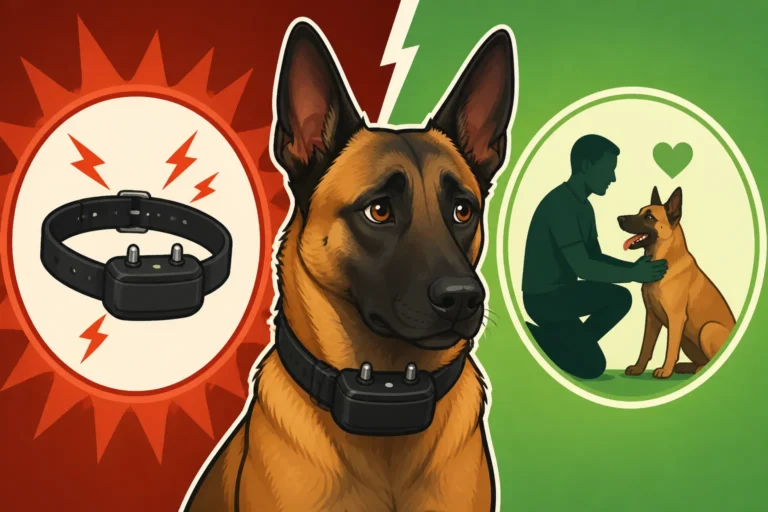
- Appropriate Leashes and Collars: A strong, well-fitting flat collar, a quality martingale, or a properly fitted prong collar (used correctly under professional guidance) are all tools that aid in communication and control. Avoid flimsy equipment; a Malinois can easily break cheap gear.
- Crates and Kennels: A secure, appropriately sized crate is not just for house training; it's a vital tool for teaching your Malinois to settle and providing them with a safe, quiet den. For some, a durable kennel run for supervised outdoor time can also be beneficial, providing space to stretch while contained.
Remember, the equipment is only as good as the training behind it. A prong collar, for example, is a tool for communication, not a choke chain, and its effective use comes from understanding proper technique.
Finding Professional Guidance and Community
Perhaps even more important than the right gear is the right guidance. A Belgian Malinois is not a breed for novice dog owners, and professional help is often necessary to navigate their high drive and intensity.
- Experienced Trainers and Behaviorists: Seek out trainers who have extensive experience specifically with working breeds and high-drive dogs like Malinois. Look for those who prioritize clear communication, positive reinforcement methods, and structured programs. A good trainer won't just teach your dog; they'll teach you how to work with your dog effectively. They can help you tailor a daily work schedule that suits your specific dog and lifestyle.
- Breed-Specific Clubs and Organizations: Joining a local protection sport club (like those for IGP, French Ring, or Mondioring) or a reputable obedience/agility club can be a game-changer. These environments offer structured training, access to experienced mentors, and a community of like-minded individuals who understand the unique demands of owning a Malinois. It's a place where your dog can genuinely work and where you can learn advanced handling skills.
- Online Resources and Programs: For foundational training or supplementary learning, online platforms can be incredibly helpful. Programs like BAXTER & Bella offer comprehensive online puppy and dog training courses that can equip new Malinois owners with crucial skills and knowledge from the comfort of their home. While they don't replace in-person club work, they can provide a solid baseline for general obedience and engagement, helping you build that vital early relationship and structure.
- Veterinary Support: Regular check-ups are paramount for a working dog. Discuss your Malinois's activity level with your vet to ensure they're on appropriate nutrition, joint supplements if needed, and that any minor issues are caught before they become major injuries. Your vet can also offer advice on proper conditioning and recovery protocols.
In conclusion, understanding how many hours a Belgian Malinois should "work" daily isn't about setting an arbitrary number; it's about committing to a lifestyle that meets their profound needs for mental and physical engagement. It's an investment of time, energy, and resources, but for those willing to make it, the reward is an incredibly intelligent, loyal, and fulfilling canine partner.
Disclaimer
This article is for general informational purposes only and does not constitute professional advice. Laws, prices and regulations vary by location and change over time. Consult a qualified professional for guidance on your specific situation.