Whether a Malinois Puppy’s Biting Is Aggression
That frantic, relentless biting from your new Belgian Malinois puppy can be absolutely alarming, making you question every decision you've made. Many new Malinois owners, especially those new to high-drive breeds, find themselves in a panic, wondering if their sweet, fuzzy land shark is actually an aggressive menace in the making. This guide is here to help you understand the nuances of Malinois puppy biting, distinguishing normal, albeit intense, puppy behavior from genuine aggression, and offering practical strategies to navigate this challenging phase.
The Intensity of Malinois Puppy Biting: More Than Just Play
When you bring a Belgian Malinois puppy home, you're not just getting a cute, fluffy companion; you're adopting a tiny, highly driven athlete with an innate need to work and an incredible amount of energy. It's no wonder their puppy phase can feel so much more intense than what some people experience with other breeds. The sheer force and persistence of their puppy biting can be genuinely shocking, leading many to fear the worst.
Why Malinois Puppies Are Different
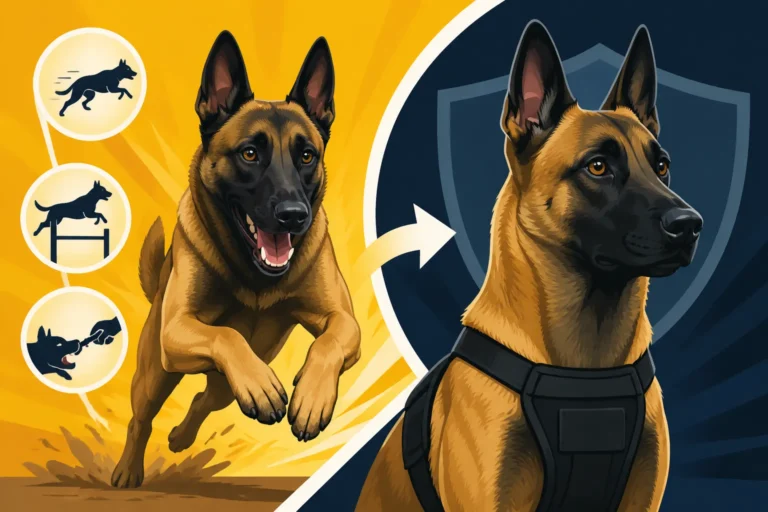
Belgian Malinois puppies come wired for action, for engagement, and for using their mouths. This isn't just about teething; it's about their genetic predisposition as herding and protection dogs. Their drive to interact with their environment, often through mouthing and nipping, is far more pronounced than in many other breeds. Where a Golden Retriever puppy might offer a soft mouth and quickly learn inhibition, a Malinois puppy often comes with a much higher baseline of oral exploration and interaction. They use their mouths to learn, to play, and to engage with everything around them – and that includes you, your clothes, and your furniture. This isn't a flaw in their character; it's an intrinsic part of what makes them a Malinois.
It's common for owners to feel overwhelmed by this intensity. You might have friends with puppies who are much gentler, leading you to wonder if something is uniquely "wrong" with your Malinois. Rest assured, while certainly challenging, this high drive and mouthiness are typical for the breed. The key lies in understanding this inherent drive and learning how to channel it appropriately, rather than trying to suppress it entirely, which can lead to other behavioral issues down the line.
The "Shark Phase" Phenomenon
Ah, the infamous "shark phase." Every puppy goes through a period of intense biting as they explore their world and learn bite inhibition, but for a Belgian Malinois, this phase can feel like an unending gauntlet of tiny, sharp teeth. This is often described as The Shark Phase Every Malinois Puppy Goes Through. From about 8 weeks to 5 or 6 months, your Malinois puppy might seem determined to chew on everything, and everyone, within reach. They're not doing this out of malice; they're navigating their environment, teething, and communicating through their most available tool: their mouth.
During this period, the biting can be incredibly painful, leaving you with scratches, bruises, and torn clothing. It feels personal, almost like an attack, but for the vast majority of Malinois puppies, it's merely an exaggerated form of normal puppy behavior. They are learning how hard is too hard, how to use their mouths appropriately, and how to interact with their human companions. Without proper guidance and consistent redirection, this phase can extend and become even more frustrating. Understanding that this is a developmental stage, albeit a challenging one, can help you approach it with patience and a clear plan.
Distinguishing Normal Puppy Behavior from True Aggression
This is the million-dollar question for many Malinois owners: "Is this just puppy stuff, or do I have a truly aggressive dog on my hands?" It's a valid concern, especially given the breed's power and potential. While true aggression in a young puppy is rare, it's crucial to know the difference between exuberant, sometimes painful, play biting and genuine behavioral red flags.
Characteristics of Play Biting
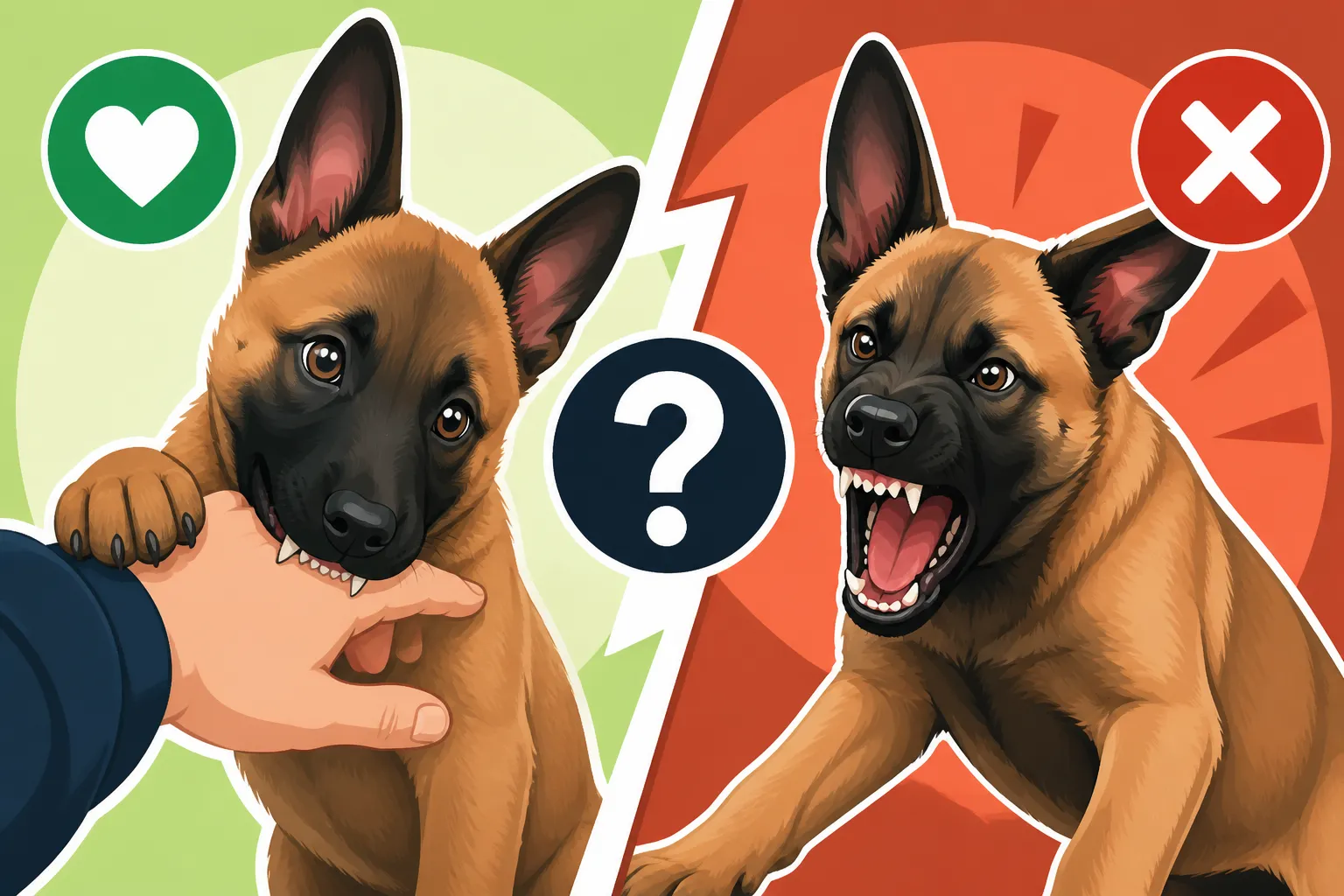
Normal play biting, even from a high-drive Malinois puppy, typically comes with a set of observable characteristics. The puppy's body language is usually loose and wiggly; they might wag their tail, bounce around, and invite further interaction. The bites, while they might hurt, often aren't delivered with full force and are usually followed by a quick release or a shift to a toy. There's an eagerness to re-engage, often with playful lunges or barks.
Think of it like this: your puppy nips your hand, you yelp, and they might pause, look at you, or even lick your hand, then perhaps bounce back for more play. This is a crucial moment for teaching bite inhibition. They are testing boundaries, and your reaction helps them learn. These bites are typically part of a play sequence, often directed at hands, ankles, or clothing as they try to "herd" or engage you. They might even mouth your arm gently, indicating they are capable of controlling their bite force. Teaching a Malinois Puppy to Take Food Gently is another good indicator of their ability to control their mouth.
Red Flags for Concern
While play biting is normal, certain behaviors should make you pause and consider consulting a professional. True aggression in a puppy, though uncommon, manifests differently. Look for a stiff body, a hard stare, growling that isn't part of play (e.g., in a tug game), snarling, or a sustained, hard bite with no intention of releasing. If your puppy growls or snaps when you approach their food bowl, a chew toy, or their crate (resource guarding), that's a red flag. Similarly, if they lunge and bite with a fear-based or defensive posture, flattening their ears, tucking their tail, or trying to retreat while still snapping, this isn't play.
Another significant indicator is an unwillingness to disengage from a bite, even after you've yelped or tried to withdraw. If the puppy's eyes are hard, their brows furrowed, and they seem genuinely intent on causing harm rather than playing, it's time to seek expert help. These behaviors are not typical puppy antics and may indicate deeper issues that require immediate, professional intervention from a certified dog behaviorist. It’s about more than just the pain; it’s about the intent and the full body language accompanying the bite.
| Characteristic | Normal Play Biting (Malinois Puppy) | Potential Aggressive Biting (Malinois Puppy) |
|---|---|---|
| Body Language | Loose, wiggly, bouncy, tail wagging, play bow, relaxed ears | Stiff, tense, rigid, hard stare, hackles up, tucked tail, flattened ears |
| Bite Intensity | Nips, inhibited bites, quick releases, mouthing, may hurt but not deep wounds | Sustained, hard, puncturing bites, reluctance to release, skin breaks |
| Vocalizations | Playful growls (e.g., during tug), excited barks, yips | Low, guttural growls, snarls, defensive barks, persistent whining |
| Motivation | Exploration, teething, seeking attention, play, learning limits | Fear, resource guarding, territoriality, pain, defensiveness, dominance |
| Disengagement | Responds to yelp/withdrawal, re-engages playfully after a break | Ignores corrections, persists in biting, escalates if challenged |
| Context | During active play, greetings, exploration, when over-stimulated | When approached during eating/chewing, when startled, during confinement |
Understanding the Root Causes of Intense Puppy Biting
Knowing that your Malinois puppy's biting isn't necessarily aggression is a huge relief, but it doesn't solve the immediate problem of constantly being nipped. To effectively manage and redirect this behavior, it helps to understand why they're doing it with such vigor. It's often a combination of developmental needs, learned behaviors (or lack thereof), and their inherent high drive.
Teething and Oral Exploration
Just like human babies, puppies experience discomfort as their baby teeth erupt and then fall out, making way for adult teeth. This teething phase, roughly from 3 weeks to 6 months, creates an intense urge to chew and mouth everything. Their gums are sore and itchy, and chewing provides relief. For a Malinois puppy, with their strong jaws and inherent desire for oral engagement, this becomes a full-time job. They're not just exploring; they're self-soothing.
Beyond teething, puppies use their mouths to learn about the world. They don't have hands like us, so everything goes into the mouth. Textures, pressures, boundaries – it's all processed orally. If you've ever seen a puppy pick up an object, you'll notice they mouth it, shake it, and carry it. This is their way of investigating. Providing appropriate, safe, and durable chew toys during this period is absolutely critical. Think tough rubber toys from brands like Kong or even natural antler chews, purchased from retailers like Amazon, to satisfy this instinct without damaging their adult teeth.
Lack of Bite Inhibition
Bite inhibition is perhaps the most important lesson a puppy learns, and it's something they primarily pick up from their littermates and mother. When puppies play, they mouth each other. If one puppy bites too hard, the other will yelp, and play will stop. This teaches the offender that hard bites end the fun. If a puppy is removed from its litter too early, or if it's an only puppy, it might miss out on these crucial early lessons.
As humans, we need to replicate this learning. When a Malinois puppy bites you too hard, your reaction becomes their feedback. Yelling, jerking your hand away violently, or punishing them can actually make the biting worse, either by exciting them further or making them fear your hands. Instead, the goal is to teach them that gentle mouthing is okay, but painful bites immediately stop all interaction. This requires consistency, patience, and a clear understanding of how to communicate boundaries in a way your puppy understands.
Over-arousal and Frustration
Belgian Malinois puppies are incredibly high-energy and high-drive. They get easily overstimulated, especially after periods of intense play or when they're simply overtired. Imagine a toddler throwing a tantrum because they're exhausted – a Malinois puppy can exhibit similar behaviors when they're over-aroused or over-threshold. This can manifest as frantic, uncontrolled biting, often directed at the closest moving target (which is usually you!). They might jump, latch onto clothing, or nip wildly.
Frustration can also fuel biting. If a Malinois puppy isn't getting enough mental stimulation, structured exercise, or if their attempts to engage are constantly thwarted without redirection, they can become frustrated. This frustration, combined with their natural drive, can boil over into mouthiness. It's not necessarily aggression, but rather a misguided attempt to relieve stress or unmet needs. Understanding these triggers is vital for managing their environment and your interactions to prevent these escalated biting episodes. The goal is to build an Building an Off Switch Into a Belgian Malinois, even from a young age.
Strategies for Managing and Redirecting Malinois Puppy Biting
Successfully navigating the intense puppy biting phase of a Belgian Malinois requires a multi-faceted approach. It's not about stopping the behavior entirely, but rather redirecting it onto appropriate outlets and teaching your puppy how to control the force of their bite. Consistency is absolutely key here.
Consistent Management and Environment
Setting your Malinois puppy up for success starts with managing their environment. This means supervision, supervision, supervision! A puppy that is constantly chewing on you is likely not being adequately supervised or redirected. Use crates for safe, quiet downtime when you can't actively watch them; Crate Work With a Malinois Puppy That Screams can be challenging, but is essential. Keep valuable items out of reach. Puppy-proof your home as though you have a curious, energetic toddler with very sharp teeth.
Consider using playpens or baby gates to create safe zones where your puppy can't get into trouble or nip at everyone passing by. When guests come over, especially children, ensure your puppy is either crated with a high-value chew or on a leash with an adult actively supervising and redirecting. This prevents accidental nips and helps create positive associations for your puppy with new people, rather than opportunities for over-stimulation and biting. Remember, for a Malinois, boredom or lack of structure can quickly lead to destructive behaviors, so a carefully managed environment is crucial to preventing problems before they start.
Teaching Bite Inhibition Effectively
Teaching bite inhibition is paramount. When your Malinois puppy bites too hard, yelp loudly in a high-pitched tone, just like another puppy would. Immediately withdraw your attention and hand. If the biting persists, get up and leave the room for 30-60 seconds. This teaches your puppy that hard bites make the fun stop. Return and try again. If they bite hard, repeat the process. This method, often called "reverse time-out," is highly effective because Malinois crave interaction and engagement.
Once your puppy starts to understand that a hard bite means you leave, you can start shaping their bite pressure. When they mouth you gently, reward it with praise or a treat. You want to teach them that gentle mouthing is acceptable in certain contexts (like playing with your hands) but that you always have the option to disengage. This process takes time and consistency. For more guidance, the online puppy programs from resources like BAXTER & Bella can provide structured, step-by-step instructions on teaching bite inhibition and other foundational skills, often with video examples.
Providing Appropriate Chews and Outlets
Malinois puppies have an incredible need to chew, and if you don't provide appropriate outlets, they will find their own, which usually involves your belongings or your body. Invest in a variety of durable, puppy-safe chew toys. Look for toys specifically designed for strong chewers, made from tough rubber, like those found on Amazon, or even nylon chew bones. Rotate these toys to keep things interesting.
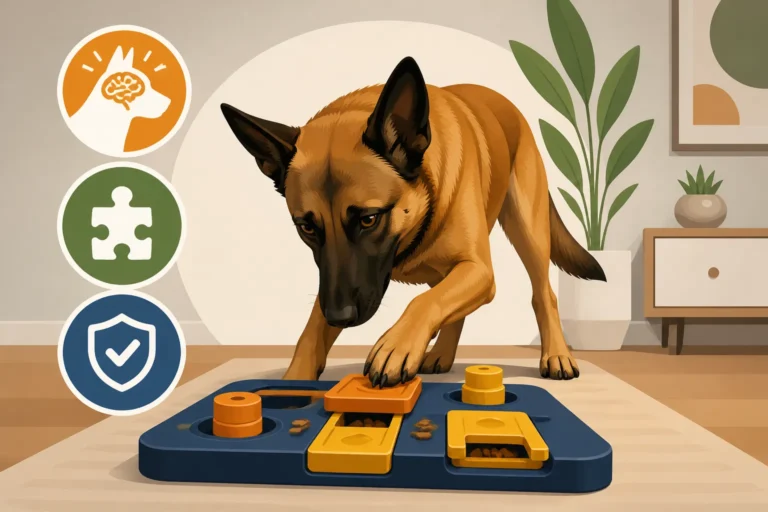
Beyond just chewing, remember that a Malinois needs mental and physical stimulation. Structured play with appropriate tug toys (ensuring you teach a solid "out" command, as discussed in Teaching a Belgian Malinois to Out) can channel their prey drive. Puzzle toys, snuffle mats, and engaging in short, frequent training sessions can also tire them out mentally, reducing the likelihood of frantic, over-aroused biting. Always ensure that the toys you provide are safe and cannot be easily ingested. If your puppy is constantly trying to Redirecting a Biting Malinois Puppy Onto a Toy, it means you're on the right track; keep offering those appropriate chew items.
Enrolling in Puppy Classes and Professional Guidance
While this guide offers a lot of information, nothing beats hands-on guidance from experienced professionals. Enrolling your Belgian Malinois puppy in a well-run puppy class is invaluable. These classes provide structured socialization opportunities with other puppies, allowing them to learn crucial dog-dog communication and bite inhibition in a safe environment. They also give you the tools and techniques to handle common puppy behaviors under the guidance of a trainer.
For a breed as complex and driven as the Malinois, one-on-one sessions with a positive reinforcement trainer or a certified behavior consultant can be incredibly beneficial. They can assess your puppy's specific behaviors, identify potential triggers, and help you develop a tailored training plan. Don't be afraid to seek help; recognizing you need support for such a demanding breed is a sign of a responsible owner. Programs like those offered by BAXTER & Bella can be a great starting point for foundational training before or in conjunction with in-person classes, ensuring you're building a strong bond and a clear communication system with your highly intelligent Malinois puppy from day one. The Age a Belgian Malinois Puppy Starts Training is never too early to begin these critical lessons.
Disclaimer
This article is for general informational purposes only and does not constitute professional advice. Laws, prices and regulations vary by location and change over time. Consult a qualified professional for guidance on your specific situation.