Split Pads on a Malinois After Concrete Work
It's heartbreaking to see your driven, energetic Belgian Malinois suddenly lame or hesitant, especially after a training session or a hard day's work on a surface like concrete. Those tough-looking paw pads, built for agility and endurance, can be surprisingly vulnerable to the relentless abrasion and unforgiving nature of hard, artificial ground. This guide will walk you through everything you need to know about split pads on a Malinois, from understanding why they happen on concrete to effective first aid, veterinary care, and crucial prevention strategies to keep your dog sound and ready for action.
Understanding Why Concrete Is So Hard on Malinois Pads
Our Malinois are bred for intense activity, and their paws are generally robust. However, concrete presents a unique challenge that even the toughest pads aren't always equipped to handle without proper conditioning or protection. It’s not just the hardness, but the texture and consistency that contribute to these frustrating and often painful injuries.
The Anatomy of a Malinois Paw Pad
Think of your Malinois's paw pads as nature's shock absorbers and traction control system, all rolled into one. They are composed of thick, highly specialized skin, rich in fatty tissue, elastic fibers, and collagen, with a tough outer layer of keratin. This design allows them to withstand impact, provide grip on varied terrain, and protect the underlying bones and joints. Unlike human feet, a dog's pads have a significant fat cushion that helps absorb the shock of running and jumping. The rough, textured surface of the pad also provides crucial grip.
However, even with this impressive natural engineering, there are limits. While wild canids traverse diverse environments, often soft earth, grass, or natural rocks, domesticated working dogs are frequently asked to perform on surfaces their ancestors rarely encountered. The keratinized outer layer is designed to be resilient, but constant friction and pressure from abrasive surfaces can wear it down faster than it can regenerate, leading to thinning, cracking, and eventually, splits.
The Abrasive Nature of Concrete
Concrete is an artificial surface, vastly different from the natural ground a dog's paw is evolved to handle. It's not just hard; it's relentlessly abrasive. Imagine dragging sandpaper across your hand repeatedly – that's a bit like what concrete does to a dog's paw pads over time. The microscopic sharp edges and gritty texture of concrete particles act like tiny files, slowly but surely grinding away the protective outer layers of the pads.
Moreover, concrete tends to be a very dry surface, absorbing moisture rather than contributing to it. This constant dryness can dehydrate the pads, making them less pliable and more prone to cracking, much like dry skin on your own hands in winter. Unlike soil or grass, concrete offers no "give" or cushioning. Every stride, every pivot, every powerful take-off or landing on concrete sends a jarring impact directly through the paw. Over time, this repetitive trauma, combined with the abrasive friction, creates an environment ripe for pad splitting. This is especially true for a Malinois, whose work often involves explosive movements, quick stops, and sharp turns, all putting immense stress on their pads.
Factors That Exacerbate Pad Damage
Several factors can turn a challenging surface into a guaranteed injury zone for your Malinois's paws. One of the biggest culprits is lack of proper conditioning. If your Malinois typically trains on softer ground and is suddenly asked to do extensive work on concrete, their pads simply won't be tough enough. It's like going from walking barefoot on carpet to running a marathon on asphalt without any prior training. The pads need gradual exposure to develop the necessary resilience. Pad Toughening for a Belgian Malinois is a process that takes time and consistency.
Another major factor is dryness and environmental conditions. Extremely dry climates or even just dry indoor air can dehydrate paw pads, making them brittle and less flexible. This makes them far more susceptible to cracking and splitting when subjected to the friction of concrete. Cold weather can also be tough on pads, as ice and harsh de-icing chemicals found on concrete can cause irritation and chapping. Conversely, extremely hot concrete can cause burns and blistering, weakening the pads and making them more prone to secondary splits.
Existing wear and tear or minor injuries also play a significant role. A dog that already has slightly worn, thin, or previously injured pads is at a much higher risk of developing severe splits. Even tiny cracks, if left unaddressed, can deepen and widen under the stress of concrete work. Furthermore, a Malinois's high drive often means they push through discomfort, masking early signs of pad issues until they become full-blown splits. This breed's incredible pain tolerance, while admirable, can be a detriment when it comes to self-preservation of their paws.
Recognizing the Signs of Split or Damaged Pads
Catching paw pad issues early is absolutely critical to prevent minor irritations from escalating into painful, debilitating injuries that could sideline your Malinois for weeks. Our dogs are stoic and often try to hide discomfort, so it's up to us to be vigilant.
Early Warning Signs to Watch For
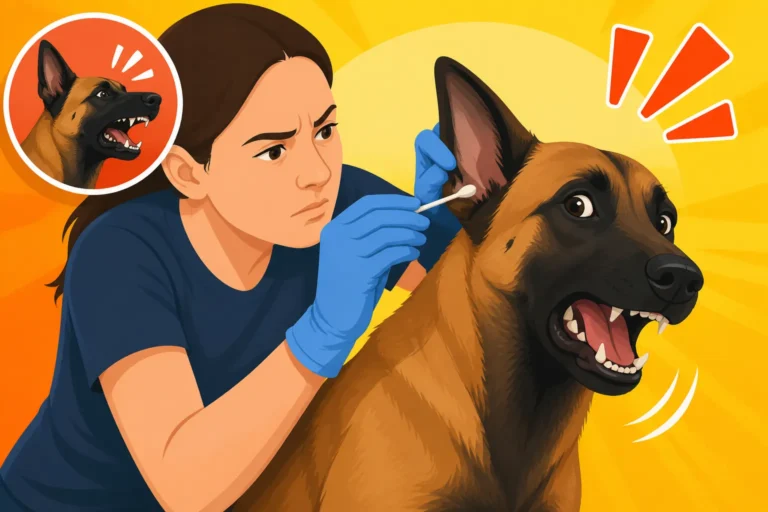
After any session involving concrete, especially if it's been intense or prolonged, make it a habit to inspect your Malinois's paws. Look for subtle changes that might indicate trouble brewing. Excessive licking or chewing at their paws is often the first, most obvious clue. Your Malinois might be trying to soothe an area of discomfort or remove foreign material. Don't dismiss this as just "cleaning."
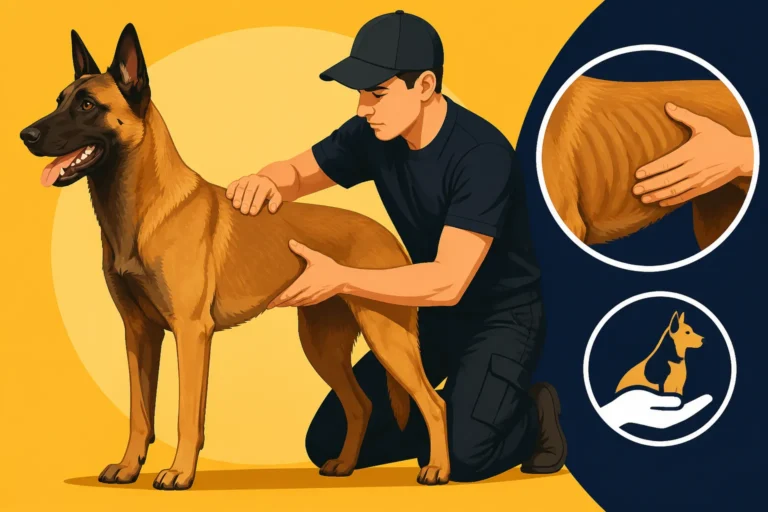
Also, observe their gait. Is there a slight, intermittent limp that appears after exercise, or are they favoring one paw more than the others? This might not be a full-blown lameness, but a subtle shift in weight or a reluctance to put full pressure on a foot. You might also notice redness or tenderness when you gently press on the pads. The pads might feel warmer than usual. Sometimes, the pad might just look drier or rougher than normal, without any visible crack yet. It’s like sandpaper rather than a smooth, tough leather. These subtle indicators are your cue to investigate further and perhaps adjust training surfaces. Checking a Belgian Malinois Over After a Session should always include a thorough paw check.
Identifying Different Severities of Splits
Paw pad splits can range from minor surface cracks to deep, agonizing wounds. Understanding the different severities helps you gauge the immediate need for care.
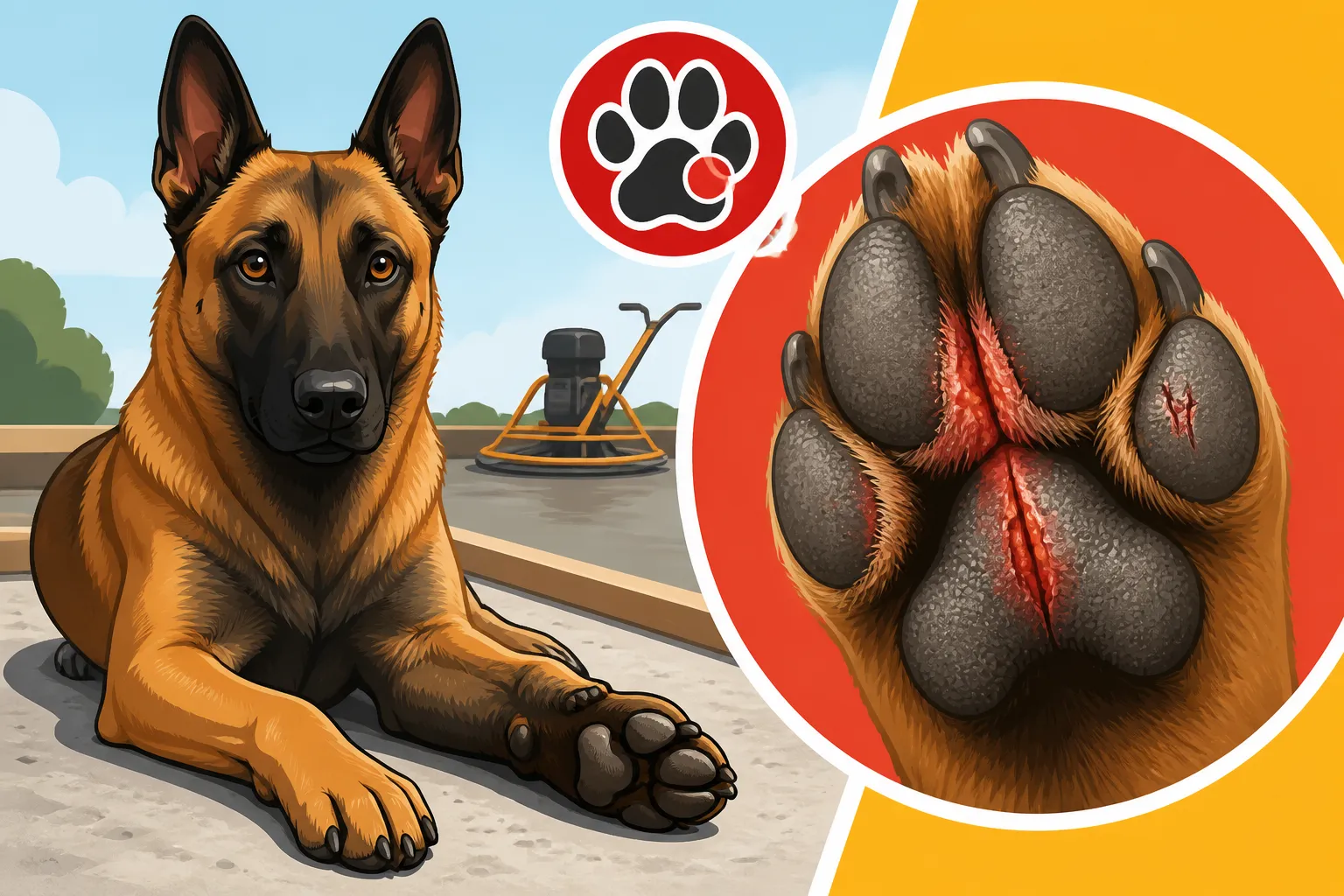
- Minor Cracks or Fissures: These are often superficial lines or small breaks in the outermost layer of the pad. They might not bleed but can be quite tender, especially if they are located in areas of high pressure, like the edges of the main metacarpal pad or the digital pads. They look like chapped skin.
- Deep Fissures: These cracks penetrate deeper into the pad, potentially reaching the sensitive tissue beneath. They may bleed lightly, especially during or after activity, and will likely cause more significant pain and limping. You might see a thin line of redness or dried blood. These are prime candidates for infection if not cleaned properly.
- Full-Thickness Tears or Lacerations: This is the most severe type of injury, where the pad is openly split, often exposing the underlying fatty tissue, and sometimes even muscle or bone in extreme cases. These wounds usually bleed significantly, are extremely painful, and will result in clear lameness. They are typically caused by sharp objects or very severe abrasive forces, rather than just concrete wear, but a weak pad can tear more easily. Whether a Belgian Malinois Recovers From a Torn Toe can give you an idea of the recovery time for similar severe foot injuries.
It's helpful to visualize these differences to understand the urgency of treatment:
| Severity of Pad Injury | Appearance | Pain Level | Typical Treatment | Urgency |
|---|---|---|---|---|
| Minor Cracks/Fissures | Superficial lines, dry/rough texture, no bleeding | Low to Medium | Paw balm, rest, gentle cleaning | Moderate |
| Deep Fissures | Visible crack, may bleed, exposed pink tissue | Medium to High | Cleaning, antiseptic, bandage, strict rest, vet check | High |
| Full-Thickness Tears | Open wound, significant bleeding, exposed tissue | Severe | Veterinary emergency, possibly sutures/surgery, meds | Immediate |
When a Vet Visit Is Absolutely Necessary
While many minor pad issues can be managed at home, there are definite red flags that indicate a trip to the vet is non-negotiable. If you observe any of the following, do not hesitate:
- Significant Bleeding: If the paw pad is bleeding profusely, or if the bleeding doesn't stop with direct pressure within a few minutes, it indicates a deep wound that needs professional attention.
- Deep, Wide Open Wounds: Any split that is wide enough that you can see deep into the tissue, or that gapes open, likely requires cleaning, debridement (removal of dead tissue), and potentially sutures or a strong veterinary adhesive to close and promote proper healing. This is particularly true if the split crosses a joint, as movement can prevent healing.
- Signs of Infection: Look for redness, swelling, heat around the wound, pus or discharge, or a foul odor. An infection can quickly spread and become serious, requiring antibiotics.
- Severe or Persistent Lameness: If your Malinois is clearly in pain, refusing to put weight on the paw, or if a limp persists for more than a day or two despite rest, it's a sign that the injury is more severe than a simple surface crack.
- Inability to Clean or Bandage Effectively: Some dogs are incredibly resistant to paw handling, especially when in pain. If you can't properly clean the wound or apply a protective bandage without stressing your dog or risking a bite, a vet can provide sedation and professional care.
- Suspected Foreign Object: If you think there might be glass, a thorn, or any other foreign object embedded in the pad, a vet needs to carefully examine and remove it to prevent further damage or infection.
Always err on the side of caution with paw injuries, as they are crucial for a Malinois's mobility and quality of life.
Immediate First Aid and At-Home Care for Minor Splits
When you discover a split pad, especially if it's not severe enough for an immediate vet visit, swift and proper first aid can make a world of difference in preventing infection and promoting faster healing.
Cleaning and Protecting the Wound
The very first step is to gently clean the wound. You'll want to remove any dirt, debris, or dried blood from the area. Start by rinsing the paw with cool, clean water. You can use a gentle, dog-safe antiseptic solution. Diluted povidone-iodine (Betadine) or chlorhexidine (like Nolvasan solution) are excellent choices. Dilute them until they are the color of weak tea – too strong, and they can irritate the delicate healing tissue. Avoid harsh chemicals like rubbing alcohol or hydrogen peroxide, as these can damage tissue and delay healing.
After rinsing, you can gently pat the area dry with a clean cloth or paper towel. Now, for protection. Many dog owners swear by a good quality paw balm to keep minor cracks from worsening and to promote healing. Look for balms that contain natural ingredients like shea butter, coconut oil, beeswax, or vitamin E. Brands like Musher's Secret or even simple pure Vaseline can work in a pinch to provide a protective barrier against further drying and irritation. You can find many options on platforms like Amazon or at pet supply stores like Chewy. Apply a generous amount to the clean, dry pad, making sure it gets into any cracks. This helps to keep the pad pliable and prevents the cracks from deepening.
Bandaging Techniques for Paw Pads
For anything more than a tiny, superficial crack, a protective bandage is highly recommended. Not only does it keep the wound clean and prevent infection, but it also stops your Malinois from licking or chewing at the injury, which can significantly delay healing or introduce bacteria.
Here's a basic guide for bandaging a paw pad:
- Preparation: Gather your supplies: non-stick gauze pads, a roll of conforming gauze, self-adhesive veterinary wrap (like VetWrap or similar brands from Amazon), and some medical tape.
- Clean and Medicate: Ensure the paw is clean and dry. Apply your chosen antiseptic or a thin layer of antibiotic ointment (if recommended by your vet or for minor, non-infected wounds) to a non-stick gauze pad.
- Apply Non-Stick Pad: Place the non-stick gauze directly over the split pad. You can place a second pad between the toes if there's any irritation there, to prevent chafing.
- First Layer (Conforming Gauze): Wrap the conforming gauze around the paw, starting above the paw, going down over the pads, and then back up, securing the gauze pads. Make sure it's snug but not tight. You should be able to slip two fingers under the bandage comfortably. Ensure it covers the entire paw pad and goes slightly above the wrist/hock joint to prevent it from slipping off.
- Second Layer (VetWrap): Now, use the self-adhesive vet wrap. Start above the paw again, wrapping downwards and then back up, overlapping by about 50%. Crucially, do not pull this layer too tightly. VetWrap shrinks, and if applied too tightly, it can cut off circulation. Keep an eye on your dog's toes after application; they shouldn't swell, feel cold, or look discolored. Cover the entire conforming gauze layer.
- Secure: A little medical tape at the top and bottom edges of the VetWrap can help keep it in place, especially for an active Malinois.
Change the bandage daily, or more often if it gets wet or dirty. Always check for swelling or signs of discomfort when changing. Remember, proper bandaging requires practice, and if you're unsure, your vet can demonstrate.
Restricting Activity and Preventing Further Damage
This is probably the hardest part for any Malinois owner: imposing strict rest. An injured paw pad needs time to heal without being subjected to the constant stress of running, jumping, or even vigorous walking.
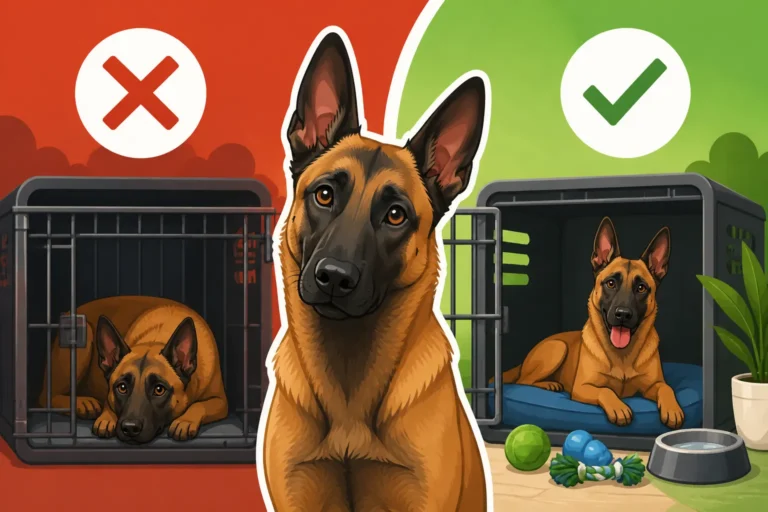
- Crate Confinement: For most Malinois, strict crate rest is non-negotiable. This prevents them from tearing off bandages, licking the wound, and putting weight on the injured paw. Ensure the crate is comfortable and safe. You might need to provide extra chew toys or puzzle feeders to keep their high mental drive engaged while their body rests.
- Leash Walks Only: When your Malinois needs to go out to relieve itself, it should be on a leash, directly to the designated potty area, and immediately back inside. Avoid any running, playing, or off-leash excursions. Keep these trips brief and on soft surfaces like grass if possible, to minimize stress on the healing pad.
- Avoid Irritating Surfaces: During the healing process, absolutely no concrete or abrasive surfaces. Stick to grass, soft dirt, or carpeted indoor areas. If outdoor work is unavoidable, consider a protective boot, but usually, complete rest is best.
- Mental Stimulation: A Malinois on rest can quickly become bored and destructive. Engage their minds with scent games, puzzle toys, new obedience tricks that don't require paw movement (like "speak" or "chin rest"), or simply spending quality quiet time with them. This helps manage their incredible energy without physical exertion.
Consistent and patient adherence to rest protocols is paramount for a successful recovery and to prevent re-injury, which can be a common setback with this breed's intense nature.
Professional Veterinary Treatment and Advanced Solutions
Sometimes, home care just isn't enough. When a paw pad injury is severe, infected, or not healing properly, your veterinarian is your best resource for effective treatment and ensuring your Malinois's long-term soundness.
When Sutures or Adhesives Are Required
Deep, gaping lacerations or full-thickness tears that extend through the pad layers often require more than just a bandage. These types of wounds, especially if they are located across a flex point of the paw (like where the pad creases when the toes bend), can struggle to heal on their own due to constant movement pulling the edges apart.
In such cases, your veterinarian might recommend:
- Sutures: For clean, deep cuts, sutures (stitches) can be used to bring the edges of the pad together, allowing them to heal more effectively. This typically requires sedation or anesthesia, as paw pads are sensitive and the dog needs to remain perfectly still. The sutures might be external (requiring removal later) or dissolvable, depending on the wound and location.
- Tissue Adhesives: For less severe but still gaping wounds, veterinary tissue glue can sometimes be used. This creates a strong, flexible bond that holds the wound edges together. While less invasive than sutures, it's generally reserved for smaller, cleaner cuts that aren't under extreme tension.
The goal of both methods is to facilitate primary healing, reducing scarring and the risk of infection. Post-procedure, strict rest and diligent bandage changes, as outlined earlier, are even more critical.
Managing Pain and Preventing Infection
A split paw pad can be incredibly painful, and effective pain management is crucial for your Malinois's comfort and to allow them to rest and heal. Your vet will likely prescribe:
- Non-Steroidal Anti-Inflammatory Drugs (NSAIDs): Medications like carprofen (Rimadyl), meloxicam (Metacam), or robenacoxib (Onsior) are commonly used to reduce pain and inflammation. It's vital to administer these exactly as prescribed and never use human pain relievers, which can be toxic to dogs.
- Opioids or Gabapentin: For more severe pain, or if NSAIDs aren't sufficient, your vet might add a stronger pain medication like tramadol or gabapentin. Gabapentin also helps with nerve pain and can provide a mild sedative effect, which might be beneficial for an anxious Malinois on forced rest.
- Antibiotics: If there are any signs of infection (redness, swelling, pus, foul odor) or if the wound is deep and at high risk of infection (e.g., from dirt contamination), oral antibiotics will be prescribed. Complete the full course of antibiotics, even if the wound appears to be healing well, to prevent a relapse.
Your vet will consider your Malinois's overall health, existing medications, and the severity of the injury when determining the appropriate pain and infection control regimen.
The Role of Therapeutic Laser or Other Modalities
Beyond medications and traditional wound care, some veterinary clinics offer advanced therapeutic modalities that can accelerate healing for paw pad injuries:
- Therapeutic Laser (Cold Laser Therapy): This non-invasive treatment uses specific wavelengths of light to stimulate cellular activity, reduce inflammation, alleviate pain, and promote tissue regeneration. Many owners report faster healing and reduced discomfort for their dogs undergoing laser therapy for various injuries, including paw pads. It's often administered in short, frequent sessions.
- Platelet-Rich Plasma (PRP) Therapy: While less common for routine paw pad splits, for very severe or slow-healing wounds, PRP therapy might be considered. This involves drawing a small amount of your dog's blood, processing it to concentrate the platelets (which are rich in growth factors), and then injecting or applying the PRP to the wound site. The growth factors can stimulate tissue repair and regeneration.
- Hydrotherapy: Once initial healing has occurred and the wound is closed, gentle hydrotherapy (under veterinary supervision) can help restore normal paw function, maintain muscle mass without impact, and improve circulation, all contributing to overall recovery and readiness for return to activity. This is more common for joint or muscle injuries, but the principles of controlled movement can apply.
Discuss these options with your veterinarian to see if they are suitable for your Malinois's specific injury and your budget.
Preventing Future Pad Splits on Concrete
The best treatment for split paw pads is preventing them from happening in the first place. For a high-drive Belgian Malinois, whose life often involves demanding work on varied surfaces, proactive care is paramount.
Gradual Conditioning to Hard Surfaces
One of the most common reasons for split pads is suddenly asking a dog to work intensely on a surface they aren't conditioned for. Their pads, like our hands or feet, need to build calluses and resilience gradually.
- Start Slow and Short: If you anticipate your Malinois will be working on concrete, introduce it slowly. Begin with very short sessions (5-10 minutes) on concrete, interspersed with work on softer ground.
- Increase Duration and Intensity Progressively: Over weeks and months, gradually increase the time spent on concrete. Observe your dog's paws closely after each session. Look for any redness, tenderness, or excessive licking. If you see signs of wear, pull back and let them recover before increasing again.
- Varied Surfaces: Don't only train on concrete. A mix of surfaces – grass, dirt, gravel, asphalt, and concrete – will build the most versatile and resilient pads. Nails, Pads and Feet on a Working Belgian Malinois highlights the importance of overall paw health through varied activity.
- Consistent Exposure: Sporadic concrete work is more likely to cause problems than consistent, moderate exposure. Regular, controlled sessions help maintain pad toughness.
Remember, conditioning isn't a one-time event; it's an ongoing process for a working Malinois.
The Importance of Paw Protection
Even with conditioning, there are times when extra protection for your Malinois's paws is simply a smart move.
- Protective Boots: Dog boots are an invaluable tool, especially for prolonged work on concrete, hot asphalt, icy conditions, or rough terrain. They come in various styles and materials, from lightweight training boots to heavy-duty options designed for extreme conditions. It's crucial to find boots that fit well – not too tight (to avoid circulation issues) and not too loose (to prevent rubbing and chafing). Brands like Ruffwear, Muttluks, or Neo-Paws are popular and widely available on platforms like Chewy and Amazon. Introduce boots gradually, letting your Malinois wear them for short periods at home before heading out for work. Many Malinois will do the "fancy feet" dance at first, but most adjust quickly. Whether a Belgian Malinois Needs Boots on Hot Ground delves into specific scenarios where boots are critical.
- Paw Balms and Waxes: These aren't just for healing; they're excellent preventative tools. Regularly applying a paw balm or wax (like Musher's Secret or PawTection) helps to moisturize the pads, keeping them supple and less prone to cracking. They also form a protective barrier against harsh elements like salt, ice, and even some of the abrasive qualities of concrete. Apply it before and after sessions on challenging surfaces. Consistent use keeps the pads healthy and less susceptible to damage.
Hydration, Nutrition, and Overall Paw Health
Beyond external care, your Malinois's internal health plays a significant role in the condition of their paw pads.
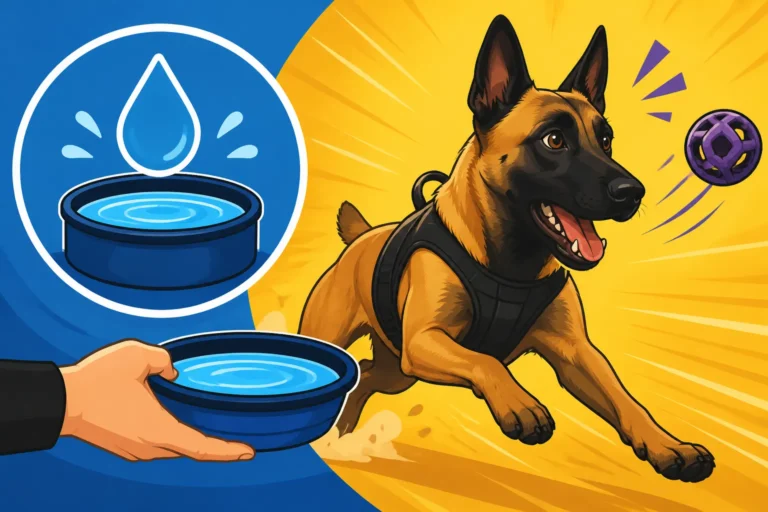
- Hydration: Just like human skin, well-hydrated paw pads are more supple and resilient. Ensure your Malinois has constant access to fresh water, especially during and after training sessions. During intense work, actively encourage them to drink. Hydrating a Belgian Malinois During Training is crucial for overall performance and health.
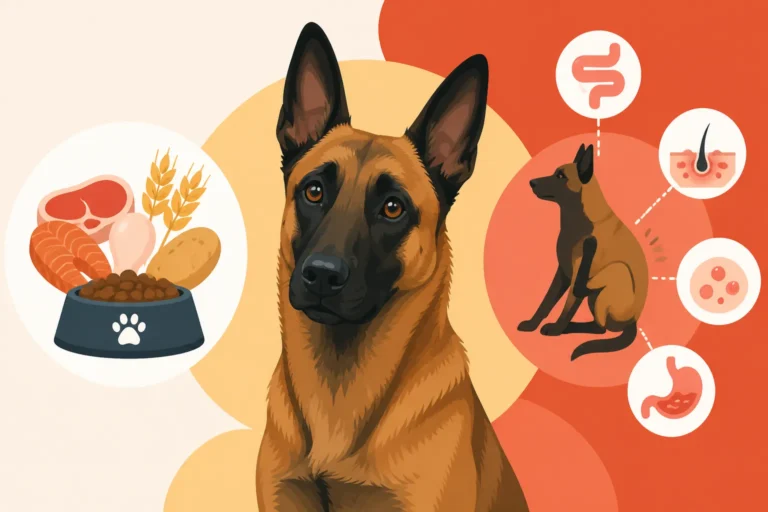
- Quality Nutrition: A diet rich in essential fatty acids (Omegas 3 and 6), high-quality proteins, and balanced vitamins and minerals contributes to healthy skin, coat, and paw pads. Look for dog foods that list real meat as the first ingredient and contain sources of omega fatty acids like fish oil or flaxseed. Some owners find that fresh food options, such as those offered by Ollie, can significantly improve skin and coat health, which often extends to the pads. If your dog has food sensitivities, these can sometimes manifest as skin issues, indirectly affecting pad health. Running a Food Trial on an Itchy Malinois can help identify dietary triggers if you suspect skin issues.
- Supplements: While a balanced diet is primary, some supplements can specifically support skin and paw health. Fish oil (for Omega-3s) or biotin can sometimes be beneficial, especially for dogs prone to dry or brittle pads. Always consult your vet before adding supplements to your dog's diet. Feeding a Belgian Malinois That Works Every Day covers broader nutritional needs that impact overall resilience.
- Regular Nail Trims: Long nails can change how a dog's paw contacts the ground, putting unnatural stress on the pads and toes, which can indirectly contribute to pad issues. Keep your Malinois's nails trimmed short, so they don't touch the ground when standing.
A holistic approach to care, combining proper conditioning, protection, and optimal nutrition, creates the strongest defense against split pads.
Long-Term Recovery and Maintaining Resilient Pads
Healing a split pad is one thing; ensuring it stays healthy and functional for the demanding life of a Belgian Malinois is another. Long-term management and careful reintroduction to work are key.
The Healing Process: What to Expect
The healing time for a paw pad split can vary significantly depending on the depth and severity of the injury. Superficial cracks might resolve in a few days with diligent care, while deep lacerations requiring sutures could take 4-6 weeks, or even longer, to achieve full strength.
- Granulation Tissue: In the initial stages, the body will form granulation tissue, which looks like bumpy, red tissue filling in the wound. This is a positive sign of healing.
- Epithelialization: Over time, new skin cells will migrate over the granulation tissue, closing the wound. The new skin may look pinker and thinner than the surrounding pad initially.
- Scar Tissue and Thickening: For deeper wounds, scar tissue will form. This tissue can sometimes be less flexible and more prone to re-injury if not managed. However, with gradual conditioning, the pad will thicken and toughen over the scar.
- Patience is Key: It’s vital not to rush the process. A partially healed pad, prematurely subjected to intense work, is highly susceptible to re-splitting. Always prioritize complete healing.
Ongoing Maintenance for Working Malinois
Once the pad is healed, your work isn't over. For a working Malinois, ongoing maintenance is essential to prevent recurrence.
- Daily Pad Checks: Make it a routine to check your Malinois's paw pads daily, especially after any intense activity or work on hard surfaces. Look for any signs of redness, dryness, small cracks, or tenderness. Early detection allows for prompt intervention before problems escalate.
- Consistent Balm Application: Continue to use paw balms or waxes regularly, even when the pads appear healthy. This keeps them moisturized and resilient. A quick application before bed can become part of your evening routine.
- Rotate Training Surfaces: Whenever possible, vary the surfaces your Malinois works on. Avoid continuous, exclusive training on concrete. Mix it up with grass, dirt, and even padded flooring if available. This reduces repetitive stress on the same areas of the pads.
- Environmental Awareness: Be mindful of weather conditions. Protect paws from extreme heat (hot asphalt/concrete), extreme cold (ice/snow), and harsh chemicals (road salt, de-icers). Boots are invaluable here.
- Regular Pedicures: Keep nails trimmed short to ensure proper weight distribution on the pads. If dewclaws are present, ensure they are also maintained to avoid snagging. Nails, Pads and Feet on a Working Belgian Malinois is a good resource for comprehensive paw care.
Recognizing When Pads Are Truly Ready for Work
Knowing when your Malinois's pad is truly ready for a return to full work can be tricky, as their high drive often means they'll want to go before their body is ready.
- Visual Inspection: The wound should be completely closed, with no scabs, redness, swelling, or discharge. The new tissue should appear fully integrated with the surrounding pad.
- Palpation: Gently press and flex the pad. There should be no signs of pain, tenderness, or stiffness. The new tissue should feel firm and resilient, not soft or fragile.
- Gradual Reintroduction: Do not jump straight back into full-intensity concrete work. Start with short, low-impact activities on soft surfaces, gradually increasing duration and intensity over days and weeks.
- Observe Gait and Behavior: Watch your Malinois closely during and after these introductory sessions. Is there any hesitation, limping, or excessive licking? If so, back off and give them more time.
- Veterinary Clearance: For severe injuries, a follow-up visit with your veterinarian for official clearance is highly recommended. They can assess the healing process and provide expert guidance on safe return-to-work protocols.
Re-injury is a common setback with paw pads, especially in a breed as driven as the Malinois. Patience, vigilance, and a structured return to activity are your best allies in ensuring your dog remains healthy and ready for whatever job you ask of them.
Disclaimer
This article is for general informational purposes only and does not constitute professional advice. Laws, prices and regulations vary by location and change over time. Consult a qualified professional for guidance on your specific situation.