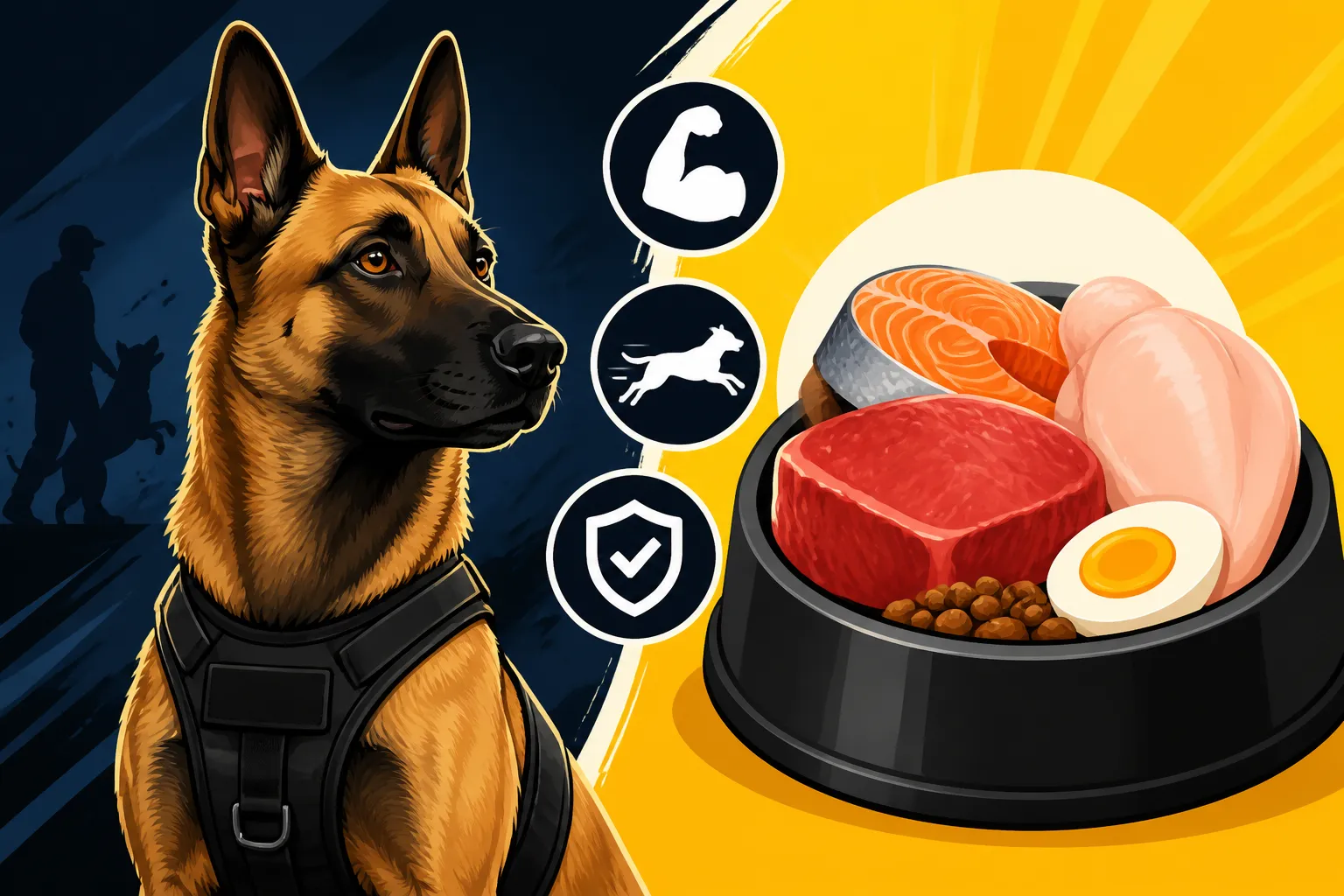
The Protein a Working Malinois Actually Needs
It's incredibly frustrating when you're trying your absolute best to fuel your high-drive Belgian Malinois, but all the advice you find seems geared towards a sedentary house dog. You know your Malinois operates on a different level, and their nutritional needs are just as unique. This comprehensive guide will cut through the noise, explaining exactly what protein means for your working Malinois and how to ensure they're getting the right kind and amount to thrive in their demanding life.
Understanding the Malinois's Unique Energy Demands
Let's face it, a Belgian Malinois isn't your average dog. They aren't content with a stroll around the block and an afternoon nap. These are canine athletes, bred for intense work, incredible drive, and a physical prowess that demands serious fuel. Thinking of their diet in the same terms as a Cavalier King Charles Spaniel or even many larger breeds simply won't cut it. Their bodies are constantly burning, repairing, and preparing for the next high-octane session, whether it's protection work, agility, or just a demanding day of training.
Why "Standard" Dog Food Recommendations Fall Short
Most commercial dog food recommendations, and even general veterinary advice, are broad strokes designed for the average canine population. This "average" dog is typically far less active than your Malinois. Their metabolism is different, their muscle mass is often lower, and their daily caloric and nutrient expenditure is significantly less. When you pick up a bag of kibble that suggests a certain percentage of protein, that number often assumes a moderate activity level. For a Malinois, who is always "on" and can quickly go from zero to sixty in a heartbeat, these standard recommendations can leave them underfueled and struggling to maintain their condition.
Your Malinois is burning through energy at an astonishing rate. Imagine a professional human athlete trying to sustain their training and recovery on the diet of someone who works a desk job. It just wouldn't work. The same principle applies to our four-legged workaholics. They require a denser, more nutrient-rich diet to keep up with their internal furnace. They need nutrients to rebuild torn muscle fibers, support their fast twitch muscles, and keep their immune system robust against the stresses of constant activity. If you’ve ever tried to keep up with your Malinois during a session, you know it takes everything they’ve got. This isn't just about physical exertion; it's also about the mental effort involved in complex tasks, which also drains energy reserves. Without adequate fuel, you might notice your Malinois losing drive faster than usual during training, or taking longer to recover after an intense session. Feeding a Malinois That Is Never Not in Drive isn't just a catchy phrase; it's a lifestyle for these dogs, and their diet needs to reflect that relentless energy.
The Role of Protein Beyond Muscle Building
While protein is famously known as the building block for muscle, its role in your working Malinois's body extends far beyond just bulking up. Yes, it's critical for repairing and growing lean muscle mass, which is paramount for their agility, strength, and explosive power. However, protein is also essential for a myriad of other vital functions that keep your Malinois in peak condition.
For instance, enzymes, hormones, and antibodies are all proteins. These are crucial for proper digestion, metabolic regulation, and a strong immune system. A working Malinois, constantly exposed to new environments, physical stress, and potential pathogens, needs a robust immune response. Adequate protein intake ensures their body can produce the necessary antibodies to fight off illness and recover quickly. Beyond that, protein plays a significant role in maintaining healthy skin and a shiny, resilient coat. While Malinois typically have a short coat, a dull, brittle coat or dry, flaky skin can be indicators of nutritional deficiencies, including insufficient quality protein. Their nerve function and blood health also rely on protein, ensuring oxygen is effectively transported throughout their rapidly working body. Every leap, every bite, every sprint demands efficient nutrient delivery and cellular repair, and protein is at the forefront of this biological symphony.
How Much Protein is "Enough" for a Working Malinois?
Determining the ideal protein intake for a working Malinois isn't a simple one-size-fits-all answer, but we can certainly get a lot closer than generic guidelines. It's about looking at their activity level, their specific role, and understanding the nutrient profile of their food beyond just the headline percentage.
Decoding Protein Percentages on Dog Food Labels
When you look at a dog food label, you'll see a "Guaranteed Analysis" that lists the minimum percentage of crude protein. This number, however, is often listed on an "as-fed" basis, meaning it includes the moisture content of the food. For kibble, which has low moisture, this number is relatively close to the dry matter percentage. But for wet, fresh, or raw foods, the as-fed percentage can look deceptively low due to high moisture. To truly compare foods, you need to calculate the protein on a dry matter basis (DMB).
Here's how you do it:
- Find the guaranteed analysis on the label. Note the crude protein (min) and moisture (max) percentages.
- Subtract the moisture percentage from 100% to find the dry matter percentage.
- Divide the crude protein percentage by the dry matter percentage, then multiply by 100 to get the dry matter protein percentage.
For example, if a food has 25% crude protein and 10% moisture:
- Dry matter: 100% – 10% = 90%
- Dry matter protein: (25 / 90) * 100 = 27.7%
For a highly active, working Belgian Malinois, many experts recommend a dry matter protein content of 28% to 35%, and sometimes even higher for dogs in extremely intense training or recovery phases. Remember, this is a general guideline, and the source of that protein is just as critical as the percentage. Don't just pick the highest number; look for quality ingredients. You'll find a wide array of options on platforms like Chewy, offering everything from high-performance kibbles to various dehydrated and freeze-dried meals designed for active dogs. Some specialized brands, like those found on Amazon, cater specifically to working dog nutritional needs, often featuring higher protein levels and targeted nutrient profiles. If you’re exploring fresh food options, companies like Ollie can provide meals with transparent protein content, usually derived from high-quality whole meat sources. The Daily Ration a Working Belgian Malinois Eats will be significantly influenced by these percentages and the calorie density they provide.
Factors Influencing Individual Protein Requirements
While general percentages are a good starting point, your Malinois isn't "general." Their protein needs are dynamic and influenced by several individual factors:
- Age: Growing puppies require higher protein levels for development, but it must be balanced to support steady, healthy growth, not accelerated growth which can harm developing joints. An older working Malinois might still be active, but their body's ability to process and utilize nutrients can change, sometimes requiring slightly different formulations or more easily digestible protein.
- Workload Intensity and Duration: This is perhaps the biggest factor. A Malinois doing light obedience work for an hour a day will have different needs than one engaged in daily, multi-hour bite work, tracking, and intense conditioning. Dogs performing tasks like military or police work, or those competing in IGP or Mondioring, are expending immense energy and undergoing significant muscle breakdown, necessitating higher protein for repair and recovery. A dog working in colder climates also burns more calories just to stay warm, increasing overall energy and protein demands.
- Reproductive Status: Pregnant or lactating females have significantly elevated protein and caloric needs to support themselves and their litter.
- Health Status: Dogs recovering from injury or illness may need increased protein to aid tissue repair and immune function. Conversely, dogs with certain kidney conditions might require a veterinarian-prescribed lower protein diet, making regular vet check-ups The Checkup Schedule a Sport Malinois Should Keep vital.
- Individual Metabolism and Genetics: Just like people, some Malinois have faster metabolisms and burn through calories more quickly, requiring more fuel. Others might be "hard keepers" who struggle to maintain weight, even with adequate food, pointing to a need for higher caloric density and perhaps more protein. Feeding a Belgian Malinois That Will Not Eat Under Stress is also a common challenge, where anxiety can affect digestion and nutrient absorption, making quality and palatability even more crucial.
It's a nuanced dance, and what works perfectly for one Malinois might need slight adjustments for another. Observing your dog's body condition, energy levels, and recovery after work is key to fine-tuning their diet.
The Quality of Protein: It's Not Just About Quantity
You could feed your Malinois a diet that technically meets the "percentage" requirement for protein, but if that protein comes from low-quality, poorly digestible sources, it won't do them any good. Think of it like a human athlete trying to build muscle on protein derived solely from highly processed junk food; it's simply not as effective as whole, lean sources. For a working Malinois, protein quality is paramount.
Essential Amino Acids and Bioavailability
Proteins are made up of amino acids, and dogs, like humans, cannot synthesize all of them themselves. These are called essential amino acids, and they must come from the diet. The quality of a protein source is largely determined by its profile of these essential amino acids and its bioavailability—how easily and efficiently the body can digest and absorb them.
Animal-based proteins are generally considered "complete" proteins because they contain all the essential amino amino acids in the right proportions for dogs. Common high-quality animal protein sources include:
- Chicken and Turkey: Lean, highly digestible, and rich in essential amino acids. Often a staple in performance dog foods.
- Beef and Lamb: Excellent sources of protein, iron, and B vitamins. Lamb can be particularly good for dogs with sensitivities to more common proteins.
- Fish (Salmon, Sardines, Mackerel): Not only packed with high-quality protein, but also rich in omega-3 fatty acids, which are fantastic for joint health, skin, and coat—all crucial for a working Malinois.
- Eggs: Often called nature's perfect protein, eggs have an incredibly high biological value, meaning almost all their protein is usable by the body.
- Organ Meats (Liver, Heart, Kidney): While sometimes overlooked, these are nutrient powerhouses, offering concentrated sources of protein, vitamins, and minerals.
Plant-based proteins (like corn gluten meal, pea protein, soy) can contribute to the overall protein percentage, but they are often incomplete in essential amino acids for dogs and are generally less digestible. While they aren't necessarily "bad" in moderation, a diet relying heavily on plant proteins as its primary source for a working Malinois is usually inadequate. Look for foods where meat meal (e.g., chicken meal, lamb meal—which is concentrated meat protein, not just fillers) or named fresh meat sources are among the first few ingredients.
Balancing Protein with Other Macronutrients
While protein is the star for a working Malinois, it's crucial to remember that it's part of an ensemble. A balanced diet also requires appropriate levels of carbohydrates and fats to truly optimize performance and health.
- Fats: These are a concentrated source of energy, providing more than twice the calories per gram compared to protein or carbohydrates. For endurance, sustained activity, and maintaining condition, healthy fats are vital. They also aid in the absorption of fat-soluble vitamins (A, D, E, K) and support skin and coat health. Look for sources like chicken fat, fish oil, and flaxseed in your dog's food. A diet for an active Malinois might see fat percentages in the 18-25% dry matter range.
- Carbohydrates: Often misunderstood, carbohydrates provide quick, readily available energy. For explosive bursts of speed and power, glycogen (stored carbs) is essential. Complex carbohydrates like sweet potatoes, brown rice, and oats offer sustained energy release and provide fiber for digestive health. While some debates exist about the optimal carb level for dogs, a working Malinois typically benefits from a moderate amount of digestible carbohydrates to fuel their demanding activities. A food with adequate carbohydrates helps spare protein from being used for energy, allowing it to focus on its primary role of building and repairing tissues. Whether a Sport Malinois Needs a Performance Formula usually addresses this delicate balance, providing higher fat and protein while still offering digestible carbohydrate sources.
The goal isn't just high protein; it's a synergistic diet where all macronutrients work together to provide sustained energy, promote recovery, and support overall vitality.
Practical Considerations for Feeding a High-Protein Diet
Once you understand the 'what' and 'why' of protein for your Malinois, it's time to talk about the 'how.' Translating nutritional knowledge into a practical feeding plan involves choosing the right food type and constantly monitoring your dog's response.
Choosing the Right Food Type
The market is flooded with dog food options, and each has its proponents. For a working Belgian Malinois, your choice often boils down to balancing nutrition, convenience, and cost.
- Kibble: This is the most common and often the most convenient option. For working dogs, look for "performance," "sporting dog," or "active dog" formulas. These are typically higher in protein and fat, with easily digestible ingredients. Always check the dry matter analysis to ensure the protein content is sufficient. Brands found on platforms like Chewy offer a vast selection of high-quality kibbles, making it easy to compare ingredients and guaranteed analyses. Many performance kibbles are formulated specifically to provide the dense nutrition required for dogs with high metabolic rates.
- Raw or Prey Model Diets: Many working dog owners swear by raw feeding, believing it to be the most biologically appropriate diet. Raw diets typically involve feeding raw muscle meat, organ meat, and bones. The protein in these diets is often very high in quality and digestibility. However, preparing a balanced raw diet requires extensive research and careful supplementation to ensure all nutritional needs are met. It's a commitment, but one that many feel pays dividends in terms of energy, muscle mass, and overall health. Whether Raw Feeding Suits a Malinois in Training is a question many ask, and for those who dedicate the time to proper formulation, it can be an excellent option.
- Fresh or Gently Cooked Diets: These diets bridge the gap between kibble and raw. Companies like Ollie deliver pre-portioned, human-grade, gently cooked meals. These often feature whole food ingredients and clear nutritional profiles, offering high-quality protein in a highly palatable and digestible format. This can be a great option for owners who want the benefits of fresh food without the complexities of raw preparation.
- Dehydrated or Freeze-Dried Diets: These are convenient options that essentially remove water from raw or gently cooked ingredients, preserving nutrients. You simply rehydrate them with water before feeding. They offer many of the benefits of fresh or raw diets with a longer shelf life and easier storage, and you can often find them through retailers like Amazon.
Whichever food type you choose, ensure it comes from a reputable company that prioritizes quality ingredients and conducts thorough nutritional testing.
Monitoring Your Malinois's Health and Performance
Feeding isn't a set-it-and-forget-it task, especially with a working Malinois. You need to be a diligent observer of their health and performance.
- Body Condition: Regularly Judging a Malinois's Condition by Hand is vital. You should be able to easily feel their ribs, but not see them prominently. There should be a distinct waist tuck, and their muscle mass should be firm. A Malinois that's too lean might not be getting enough protein or calories, while one that's carrying extra weight will struggle with performance and be at higher risk for joint issues. The ideal is often described as The Lean Condition a Belgian Malinois Should Carry.
- Energy Levels and Recovery: Are they maintaining their drive through training sessions? Are they bouncing back quickly after intense work, or do they seem unusually fatigued? Slow recovery, muscle soreness, or a noticeable dip in energy can all be signs that their diet, including protein intake, needs adjustment.
- Stool Quality: This is a surprisingly good indicator of digestibility. Firm, well-formed stools usually mean they are absorbing nutrients efficiently. Loose stools or excessive volume can suggest that the food isn't being properly digested, and valuable nutrients, including protein, might be passing through unused.
- Coat and Skin Health: A shiny, healthy coat and supple skin are external indicators of good internal health and adequate nutrition.
- Muscle Mass: Consistent training should build and maintain lean muscle. If you notice a loss of muscle despite regular work, it's a red flag.
- Veterinary Consultations: Always consult with your veterinarian, especially one experienced with working dogs, to discuss your Malinois's diet. They can help you assess their overall health, perform blood work if needed, and offer tailored advice based on your dog's specific needs, age, and activity level. This partnership is crucial to ensuring your Malinois remains at the top of their game.
Feeding a working Belgian Malinois properly is an investment in their health, performance, and longevity. By understanding their unique protein needs and carefully selecting and monitoring their diet, you're setting them up for a lifetime of success, whether on the field or as an incredibly active companion.
| Protein Source | Typical Bioavailability | Benefits for Malinois | Common Forms |
|---|---|---|---|
| Chicken/Turkey | High | Lean, easily digestible, complete amino acids | Kibble, Fresh, Raw, Meal |
| Beef/Lamb | High | Rich in iron, B vitamins, muscle-building | Kibble, Fresh, Raw, Meal |
| Fish (Salmon) | High | Excellent protein, Omega-3s for joints/skin | Kibble, Fresh, Oil, Meal |
| Eggs | Very High | Nature's perfect protein, highly usable | Fresh, Cooked, Freeze-Dried |
| Organ Meats | High | Nutrient-dense, vitamins, minerals | Raw, Freeze-Dried, Meal |
| Pea Protein | Moderate | Plant-based, contributes to total protein | Kibble (as a secondary source) |
| Corn Gluten Meal | Moderate | Plant-based, often found in cheaper foods | Kibble (as a secondary source) |
Disclaimer
This article is for general informational purposes only and does not constitute professional advice. Laws, prices and regulations vary by location and change over time. Consult a qualified professional for guidance on your specific situation.