Whether a Probiotic Settles a Malinois’s Gut
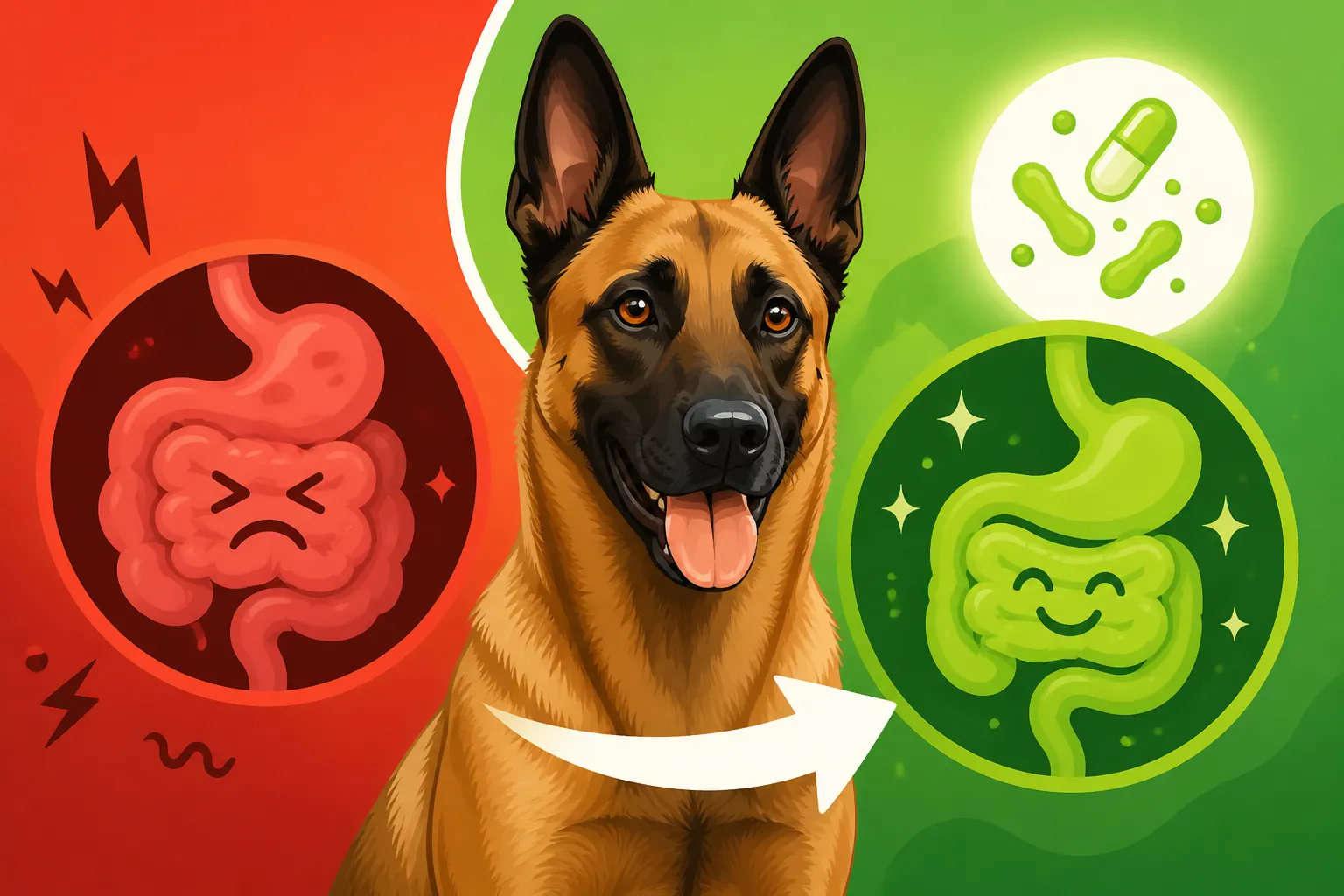
It’s a common frustration, isn't it? You’ve got this incredible, high-octane Belgian Malinois, a dog that lives for work and pushing boundaries, and yet their digestive system can feel as delicate as spun glass. One day they're fine, the next you're cleaning up soft stools or dealing with unexpected tummy upsets. It leaves you wondering if their gut will ever truly settle down. This guide is here to walk you through the world of probiotics and explore whether these tiny helpers can finally bring some much-needed peace to your Malinois's often-stressed digestive system.
The Sensitive Stomach of a High-Drive Malinois
If you live with a Belgian Malinois, you already know they aren't your average dog. Their intensity, their drive, their sheer "always-on" nature often extends to their internal systems, including their digestive tract. It can be incredibly disheartening to see a dog that can scale a wall or track for miles be brought low by a finicky stomach, but it's a reality many of us face.
Why Malinois Guts Get Upset So Easily
The reasons behind a Malinois's sensitive gut are often a complex interplay of their genetics, their lifestyle, and their innate stress response. These dogs have incredibly high metabolisms, burning through calories at an astonishing rate. This fast-paced internal engine can mean their digestive system is also working overtime, making it more prone to disruption. Imagine a finely tuned sports car; it runs beautifully, but even a slight imbalance in its fuel or a bump in the road can throw it off. Your Malinois's gut is much the same.
Stress, unfortunately, is another huge factor. While a Malinois thrives on structure and work, they are also incredibly sensitive dogs. A change in routine, a new environment, the excitement (or anxiety) of a trial, or even just feeling under-exercised or under-stimulated can manifest physically. This stress can hit their gut hard, leading to imbalances in the delicate microbial ecosystem that lives there. We often see it as Soft Stools in a Malinois Under Training Stress or even full-blown Diarrhea in a Stressed Belgian Malinois. Their drive, while a tremendous asset, means they can carry a lot of internal tension, and that tension frequently expresses itself in digestive upset. Their bodies are constantly primed for action, and this constant state of alert impacts everything, including how well they process their food.
Common Signs Your Malinois Might Need Gut Support
It's crucial to be a keen observer of your Malinois, as they are often masters at hiding discomfort, especially if they are working lines bred to ignore minor aches and pains. However, their gut often gives away subtle clues. Beyond the obvious soft stools or diarrhea, keep an eye out for these indicators:
- Intermittent Soft Stools: They might have a few good days, then a day or two of softer-than-usual stools, without any obvious change in diet. This inconsistency can be a red flag.
- Excessive Gas: While all dogs pass gas, a Malinois that is frequently gassy, especially with a particularly foul odor, could be experiencing digestive distress.
- Changes in Appetite: A Malinois skipping a meal or showing less enthusiasm for food is usually a sign something is off, given their typically voracious appetites.
- Vomiting (especially chronic or intermittent): Occasional vomiting can happen, but if it's a regular occurrence, even if it's just bile, it warrants investigation.
- Regurgitation: Sometimes mistaken for vomiting, regurgitation is when food comes back up shortly after eating, often undigested. This points to an issue higher up in the digestive tract.
- Abdominal Discomfort: They might stretch more than usual, seem uncomfortable when touched on their belly, or exhibit restlessness after eating.
- Dull Coat or Skin Issues: Believe it or not, gut health is closely tied to skin and coat health. If your Malinois's coat isn't as vibrant as it once was, or they're developing unexplained itchiness, it could stem from their gut. Running a Food Trial on an Itchy Malinois might reveal underlying sensitivities contributing to these issues.
Recognizing these signs early can help you intervene before a minor issue becomes a major problem.
Understanding Probiotics: More Than Just Yogurt
When we talk about "settling a Malinois's gut," probiotics often come up in conversation. But what exactly are they, and how do they actually work beyond just a vague idea of "good bacteria"? It's more nuanced than simply spooning some yogurt into their bowl, although that's where many people start.
What Exactly Are Probiotics and How Do They Work?
At its core, a probiotic is a live microorganism, typically bacteria or yeast, that, when administered in adequate amounts, confers a health benefit on the host. Think of your Malinois's digestive tract as a bustling city. In this city, there are billions of residents – bacteria, fungi, and other microbes – collectively known as the gut microbiome. For optimal health, you want a vibrant, diverse, and well-balanced population of "good guys" keeping the "bad guys" in check.
When this balance is disrupted, perhaps by stress, antibiotics, dietary changes, or even just the high-intensity life of a Malinois, the "bad guys" can start to outnumber the good. This leads to inflammation, poor nutrient absorption, and all those unpleasant gut symptoms we discussed.
Probiotics work by reintroducing or bolstering the population of beneficial microbes. They help:
- Restore Balance: They crowd out harmful bacteria, helping to reset the gut's natural equilibrium.
- Improve Digestion: By aiding in the breakdown of food, they can enhance nutrient absorption, making sure your working Malinois is getting the most out of their Feeding a Malinois That Is Never Not in Drive.
- Support the Immune System: A huge portion of the immune system resides in the gut. A healthy gut microbiome contributes significantly to a robust immune response, helping your Malinois fight off illness.
- Reduce Inflammation: Certain probiotic strains have anti-inflammatory properties, which can soothe an irritated gut lining.
- Synthesize Vitamins: Some beneficial bacteria produce essential vitamins, like B vitamins and Vitamin K.
It's a delicate dance, but when the gut microbiome is in harmony, it impacts everything from digestion to mood and immune function.
Different Types of Probiotics and Their Benefits for Malinois
Just like there are different breeds of dogs, there are different strains of probiotic bacteria, and each can offer slightly different benefits. It's not a one-size-fits-all solution.
The most common types you'll encounter in dog probiotics include:
- Lactobacillus strains (e.g., L. acidophilus, L. plantarum, L. reuteri): These are workhorses for general digestive health. They help with lactose digestion, produce lactic acid to inhibit bad bacteria, and are often found in fermented foods. If your Malinois is experiencing general digestive upset or inconsistent stools, a product with a good range of Lactobacillus strains could be beneficial.
- Bifidobacterium strains (e.g., B. animalis, B. longum, B. bifidum): These strains are excellent for immune support and can help manage inflammation in the gut. They are often recommended for dogs with Food Sensitivities in a Belgian Malinois or those recovering from illness.
- Enterococcus faecium: Often used to address acute diarrhea, this strain has been well-studied for its ability to restore gut balance quickly.
- Bacillus strains (e.g., B. coagulans, B. subtilis): These are spore-forming probiotics, meaning they are highly stable and can survive the harsh acidic environment of the stomach to reach the intestines where they do their work. They are known for their resilience and broad benefits.
- Saccharomyces boulardii (a beneficial yeast): This is a unique one because it's a yeast, not bacteria. It's particularly effective in combating antibiotic-associated diarrhea and helping resolve chronic Diarrhea in a Stressed Belgian Malinois. It's not affected by antibiotics, so it can be given concurrently.
Probiotics come in various forms, too:
- Powders: Easily mixed into food, often a good choice for picky eaters.
- Chews/Treats: Convenient and often palatable, making administration easy.
- Capsules: Can be given whole or opened and sprinkled, offering precise dosing.
- Within specialized dog foods: Some premium dog foods incorporate probiotics directly.
The best approach often involves looking for a product that contains multiple strains (a "multi-strain" probiotic) to offer a broader spectrum of benefits, tailored to your Malinois's specific needs.
Integrating Probiotics Into Your Malinois's Routine
Deciding that a probiotic might be a good idea is one thing; actually choosing and consistently administering it to your high-drive Malinois is another. It requires a bit of research, patience, and often, some trial and error. The goal is to find something that genuinely makes a difference and that you can stick with for the long haul.
Choosing the Right Probiotic for Your Malinois
With so many options out there, selecting the right probiotic can feel overwhelming. Here’s what to look for when you're wading through the choices:
- Reputable Brands and Quality: This is paramount. Look for brands that are transparent about their ingredients, manufacturing processes, and quality control. They should ideally conduct third-party testing to ensure the product contains what it says it does, in the quantity claimed. Brands you find on platforms like Chewy or Amazon often have extensive customer reviews, but always dig deeper into the company's reputation.
- CFU Count: This stands for Colony Forming Units and indicates the number of live, active microorganisms per serving. A higher CFU count (often in the billions) is generally considered more potent. However, it's not just about the number; the quality and viability of the strains matter more.
- Specific Strains: As discussed, different strains target different issues. If you're dealing with persistent diarrhea, you might look for products emphasizing Enterococcus faecium or Saccharomyces boulardii. For general wellness and immune support, a blend of Lactobacillus and Bifidobacterium strains is often a good starting point.
- Prebiotics: Many excellent probiotics also include prebiotics (like FOS or inulin). Prebiotics are non-digestible fibers that act as food for the beneficial bacteria, helping them thrive and multiply. This synergistic effect can make a probiotic much more effective.
- Storage and Stability: Some probiotics require refrigeration to maintain their potency, while spore-forming types (like Bacillus) are typically shelf-stable. Always check the storage instructions.
- Lack of Fillers: Avoid products with unnecessary fillers, artificial flavors, or colors, especially if your Malinois has Food Sensitivities in a Belgian Malinois.
It's also a good idea to discuss options with your veterinarian. They might have specific recommendations based on your Malinois's health history and any medications they might be taking.
Best Practices for Administering Probiotics
Once you've chosen a probiotic, consistent and correct administration is key to seeing results.
- Start Slow: If your Malinois has a very sensitive stomach, consider starting with half the recommended dose for a few days before increasing to the full dose. This allows their system to adjust without sudden changes.
- Consistency is Crucial: Probiotics aren't a one-and-done solution. They need to be given consistently, usually daily, to maintain a healthy gut microbiome. Missing doses can disrupt the balance you're trying to achieve.
- Timing Matters (Sometimes): Some probiotics are more effective when given with food, as the food can help buffer the stomach acid and protect the live cultures. Others are robust enough to be given on their own. Always follow the product's specific instructions. If your Malinois is on any medications, particularly antibiotics, consult your vet about the best timing for probiotic administration – often, they should be given several hours apart from antibiotics to ensure the probiotics aren't killed off.
- Observe and Adjust: Pay close attention to your Malinois's stool quality, energy levels, and overall demeanor in the weeks following the introduction of a probiotic. Keep a little log if you need to! It can take anywhere from a few days to a few weeks to see noticeable improvements. If you don't see any positive changes after a month or so, or if symptoms worsen, it might be time to try a different brand or strain, or consult your vet. Don't be afraid to switch it up! For example, some dogs thrive on supplements from brands like Ollie, while others might find success with a different formulation.
- Hydration: Always ensure your Malinois has access to fresh water, especially when dealing with any digestive upset. Proper hydration is vital for gut health. Whether a Belgian Malinois Should Have Water Down All Day is usually a resounding yes, especially for these active dogs.
Remember, patience is a virtue here. You're working to re-establish a complex internal ecosystem, and that takes time and dedication.
When Probiotics Aren't Enough: Other Gut Health Strategies
While probiotics can be a game-changer for many Malinois with sensitive guts, they are just one piece of the puzzle. Sometimes, despite your best efforts, your dog's digestive issues persist, or they might need a more comprehensive approach. It's important to remember that gut health is holistic, influenced by diet, environment, and overall well-being.
Dietary Adjustments and Whole Food Approaches
If probiotics alone aren't fully settling your Malinois's gut, it’s time to take a closer look at what goes into their bowl. Even if you're already feeding a high-quality diet for The Lean Condition a Belgian Malinois Should Carry, subtle changes can make a big difference.
- Limited Ingredient Diets (LIDs): If you suspect Food Sensitivities in a Belgian Malinois, an LID can be a powerful diagnostic tool. These diets typically contain a single source of animal protein and a single source of carbohydrate, minimizing the chances of an allergic reaction. Novel proteins, like venison, duck, or rabbit, that your Malinois hasn't eaten before are often used.
- Novel Proteins: Even if not on a full LID, switching to a protein source your dog hasn't had much exposure to can sometimes alleviate issues. Beef and chicken are common allergens, so exploring options like lamb or fish can be beneficial.
- Fiber Balance: Both too much and too little fiber can cause digestive upset. Insoluble fiber (like that found in brown rice or psyllium) helps bulk up stool, while soluble fiber (like pumpkin or sweet potato) can soothe the gut and help with both diarrhea and constipation. Sometimes adding a small amount of plain canned pumpkin (not pie filling!) can work wonders.
- Consistency in Diet: While tempting to switch foods frequently, consistency is often best for sensitive guts. Once you find a food that works, stick with it unless there's a good reason to change. Gradual transitions, over 7-10 days, are always vital when introducing new foods.
- Meal Frequency: For some Malinois, especially those prone to Stomach Ulcers in a High Drive Belgian Malinois, feeding smaller, more frequent meals throughout the day can be easier on their digestive system than one or two large meals. This prevents the stomach from being completely empty for long periods.
- Fresh Food Components: Some owners find incorporating a small amount of fresh, whole foods, like cooked lean meats or certain vegetables, can improve digestibility and provide natural enzymes. Brands like Ollie specialize in fresh, human-grade food that can be a game-changer for sensitive stomachs. Just remember to introduce anything new slowly.
Remember, a Malinois needs a robust diet to maintain their energy levels and avoid becoming Whether a Belgian Malinois Can Be Too Lean. Any dietary changes should support their activity while addressing gut sensitivities.
Working with Your Vet for Persistent Gut Issues
While you can do a lot to support your Malinois's gut at home, there are times when persistent or worsening symptoms demand professional veterinary attention. It's easy to fall into the trap of self-diagnosing, especially with an animal as stoic as a Malinois, but serious conditions can mimic simple tummy upsets.
- When to See the Vet: If your Malinois experiences severe or bloody diarrhea, persistent vomiting, lethargy, significant weight loss, or abdominal pain, don't hesitate. These are signs that require immediate veterinary care. Even chronic, mild issues that don't resolve with dietary changes and probiotics warrant a vet visit.
- Diagnostic Tools: Your vet has a range of tools to get to the bottom of gut issues. This might include:
- Fecal Exams: To check for parasites, bacterial overgrowth, or other microscopic abnormalities.
- Bloodwork: Comprehensive blood panels, including The Bloodwork a Working Malinois Should Have Annually, can rule out systemic diseases, check organ function, and identify inflammation.
- Imaging: X-rays or ultrasound can help visualize the digestive organs, identify foreign bodies (especially if your Malinois has a habit of chewing things up like What a Malinois Destroys in One Unsupervised Hour), or detect structural abnormalities.
- Endoscopy or Biopsy: In more complex cases, specialized procedures might be needed to get a direct look at the gut lining and take tissue samples for definitive diagnosis of conditions like Inflammatory Bowel Disease (IBD).
- Ruling Out Underlying Conditions: It's vital to rule out more serious medical conditions such as:
- Parasites: Giardia, coccidia, and various worms are common culprits.
- Bacterial Infections: Like Clostridium or Salmonella.
- Pancreatitis: Inflammation of the pancreas.
- Exocrine Pancreatic Insufficiency (EPI): A condition where the pancreas doesn't produce enough digestive enzymes.
- Food Allergies or Intolerances: Which can be much more severe than simple sensitivities.
- IBD (Inflammatory Bowel Disease): A chronic condition that requires specific management.
- Tumors or Growths: Especially in older Malinois.
Your vet can help you create a tailored treatment plan, which might involve prescription medications, specific therapeutic diets, or even stronger, targeted probiotics that are only available through veterinary channels. Never underestimate the importance of professional medical advice when it comes to your Malinois's health and well-being.
Disclaimer
This article is for general informational purposes only and does not constitute professional advice. Laws, prices and regulations vary by location and change over time. Consult a qualified professional for guidance on your specific situation.