Whether a Ribby Malinois Puppy Is Underfed
It’s a common sight for new Belgian Malinois puppy owners: you look down at your energetic, goofy little shark, and you can see their ribs. Immediately, your heart might sink a bit. Are they eating enough? Are you doing something wrong? The worry that your active, growing Malinois puppy might be underfed is a very real and understandable concern, especially when you compare them to the more heavily built puppies of other breeds. This guide is here to help you understand the nuances of a Malinois's naturally lean physique, distinguish healthy leanness from actual underfeeding, and ensure your puppy is thriving.
Understanding the Belgian Malinois Physique: Naturally Lean and Athletic
The Belgian Malinois is a breed built for speed, agility, and endurance, not bulk. Their physical structure is inherently lean and athletic, a testament to their herding and working dog lineage. This means their body composition is very different from, say, a Labrador Retriever or a Rottweiler. What might look "skinny" on another breed can actually be perfectly normal, even desirable, for a Malinois.
Why Malinois Puppies Often Look "Ribby"
From the moment they start exploring the world with boundless energy, Malinois puppies are little powerhouses. They have incredibly high metabolisms, burning through calories at an astonishing rate just by existing, let alone playing, learning, and growing. This intense activity level and rapid development means they are constantly utilizing their energy stores. It's not uncommon to glance at a young Malinois puppy and notice the outline of a few ribs. This isn't necessarily a red flag; rather, it often indicates a healthy, active, and lean puppy.
Think about it this way: a Malinois puppy is like a tiny, high-performance athlete in constant training. Their bodies are designed for efficiency and propulsion, not for carrying extra fat. While other breeds might carry more "baby fat" as puppies, a Malinois tends to stay quite svelte. This natural leanness allows them to be incredibly agile and quick, traits that are highly valued in their working roles, whether that's herding, protection, or detection work. As they grow, their bone structure continues to develop, and their muscles will define, but the underlying leanness remains a hallmark of the breed. It's truly a marvel of natural engineering, and often, what you're seeing is simply a healthy example of The Lean Condition a Belgian Malinois Should Carry.
The Ideal Body Condition Score for a Young Malinois
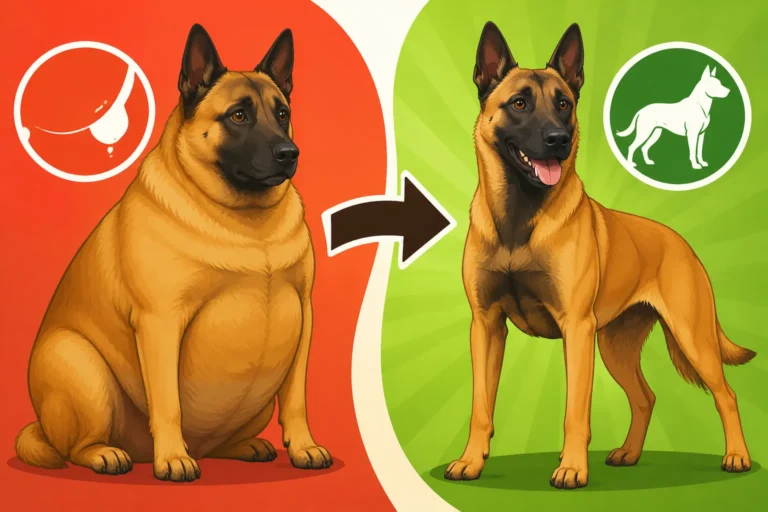
Instead of just "ribby," it's more helpful to think in terms of a Body Condition Score (BCS). This is a widely used tool by veterinarians and experienced dog owners to assess a dog's fat reserves and overall condition. For a Malinois puppy, you're generally aiming for a lean score, usually around a 4 or 5 on a 9-point scale.
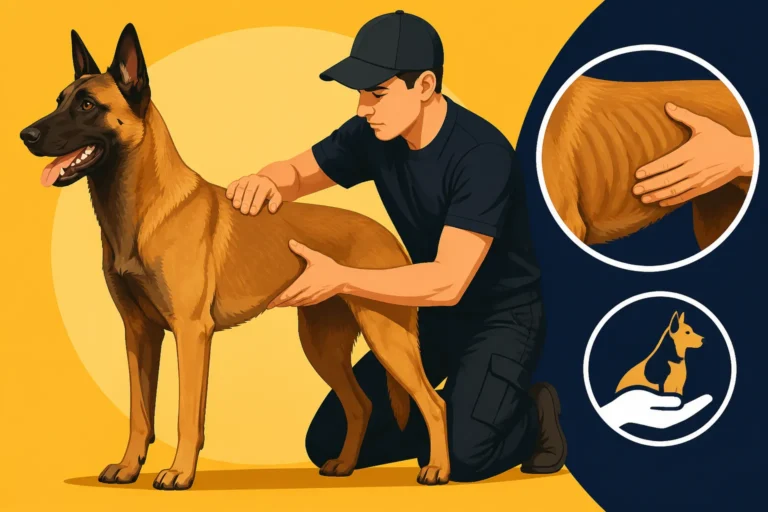
What does that mean in practice? When you run your hands over your puppy's side, you should be able to easily feel their ribs without having to press hard. They shouldn't be visibly prominent and sharp like a washboard, but rather distinctly palpable. You should also observe a noticeable "tuck" in their abdomen when viewed from the side, where the belly slopes up from the rib cage towards the hind legs, and a defined waist when viewed from above. Their muscles, especially over their hindquarters, should feel firm and well-developed for their age. If you can see the last two or three ribs, and the puppy is otherwise energetic, has a good appetite, and is growing steadily, it's very likely they are in excellent, lean condition. Getting comfortable with Judging a Malinois's Condition by Hand is an invaluable skill for any Malinois owner.
Here's a simplified guide to help you gauge your Malinois puppy's body condition:
| Score (9-point scale) | Description for Malinois Puppy | What You See/Feel |
|---|---|---|
| 1 (Emaciated) | Extremely thin, dangerous. | All ribs, spine, and pelvic bones are very prominent from a distance. No discernible body fat, obvious muscle loss. |
| 2 (Very Thin) | Severely underweight, concerning. | Ribs, spine, and pelvic bones easily visible. No palpable fat. Minimal muscle mass. Obvious abdominal tuck. |
| 3 (Thin) | Underweight, needs attention. | Ribs easily visible. Top of lumbar vertebrae visible. Pelvic bones becoming prominent. Obvious abdominal tuck. |
| 4 (Underweight) | Lean, possibly a bit too thin, but close to ideal for Malinois. | Ribs easily palpable, possibly faintly visible. Waist easily noted. Abdominal tuck apparent. |
| 5 (Ideal) | Optimal for an active, growing Malinois puppy. | Ribs easily palpable without excess fat covering. Waist observed behind ribs when viewed from above. Abdominal tuck evident. |
| 6 (Overweight) | Starting to carry too much weight. | Ribs palpable with slight difficulty; fat covering. Waist discernible but not prominent. Abdominal tuck minimal. |
| 7 (Heavy) | Overweight, unhealthy. | Ribs palpable with difficulty; heavy fat covering. Waist barely discernible or absent. Abdominal tuck absent. |
| 8 (Obese) | Significantly overweight, health risk. | Ribs not palpable without significant pressure. Heavy fat deposits over lumbar area and tail base. Waist absent. No abdominal tuck. |
| 9 (Severely Obese) | Morbidly obese, serious health risk. | Massive fat deposits. Ribs and other bony prominences not palpable under thick fat. Abdomen distended. |
For your Malinois puppy, aiming for that 4 or 5 is generally the sweet spot, indicating they are lean and fit, perfect for their active lifestyle.
Differentiating Healthy Leanness from Actual Underfeeding or Illness
The key challenge is knowing the difference between a naturally lean Malinois puppy and one that genuinely isn't getting enough nutrition or might be battling an underlying health issue. While visible ribs are normal, other accompanying signs can tell you if there's a problem that needs addressing. It's about looking at the whole picture, not just one characteristic.
Signs Your Malinois Puppy Might Actually Be Underfed
If your Malinois puppy is truly underfed or isn't absorbing nutrients properly, you'll likely see more than just visible ribs. A healthy, lean Malinois puppy will still be brimming with energy, have a bright, curious expression, and a lustrous coat. An underfed puppy, however, will show a combination of worrying symptoms.
Beyond the visible ribs, look for signs like lethargy and a general lack of enthusiasm. A Malinois puppy should be a whirlwind of activity, always eager to play and explore. If they're sluggish, sleep excessively, or lack the typical Malinois "go-go-go" drive, it could be a sign something is amiss. Their coat might appear dull, dry, and brittle, rather than the healthy, shiny, close-lying coat typical of the breed. Their eyes might lack their usual sparkle. Another significant indicator is constant, insatiable hunger paired with a failure to gain weight or even weight loss, despite what seems like adequate food intake. They might seem obsessed with food, scavenging or eating things they shouldn't, driven by genuine hunger rather than typical puppy mischief.
Pay close attention to their muscle mass. While Malinois are lean, they should still have well-developed, firm muscles. If you notice a loss of muscle definition or a general "wasting" appearance, especially over the hips and shoulders, that's a serious concern. Finally, consistently poor stool quality – chronic diarrhea, very soft stools, or unusually large volumes of stool for the amount of food eaten – can indicate malabsorption, meaning your puppy isn't getting the full nutritional benefit from their food. This is often a sign of gastrointestinal issues, not just underfeeding in terms of quantity. In rare cases, more serious genetic conditions like Spongy Degeneration in a Belgian Malinois Puppy might also present with growth abnormalities or poor condition, making a vet visit even more critical.
When to Consult a Vet About Your Puppy's Condition
Trust your gut. If something feels off, it probably is. While a Malinois can be naturally lean, persistent symptoms beyond just visible ribs warrant a professional opinion. You should absolutely consult your veterinarian if your puppy exhibits any of the signs of actual underfeeding mentioned above, such as sustained lethargy, a dull coat, significant muscle loss, or a noticeable lack of growth despite diligent feeding.
Any changes in digestive health are also critical. If your puppy has persistent diarrhea or vomiting, or struggles to maintain weight even when eating well, it's time to see the vet. These can be signs of parasites, food sensitivities, or more serious internal issues that prevent nutrient absorption. Furthermore, if your puppy suddenly loses weight, changes their behavior dramatically, or shows any signs of pain or discomfort, don't delay. Your vet can perform a thorough physical examination, recommend appropriate diagnostic tests like stool samples or bloodwork, and provide tailored advice on diet and care. For active and growing puppies, regular vet check-ups are always a good idea to monitor growth and ensure everything is progressing as it should. Even if they don't work, The Bloodwork a Working Malinois Should Have Annually can give a good baseline of health markers.
Optimizing Your Malinois Puppy's Nutrition and Feeding Practices
Ensuring your Malinois puppy gets the right nutrition is paramount for their development, energy levels, and overall health. It's not just about how much food you give them, but also the quality and how you manage their meals.
Choosing the Right Food and Feeding Schedule
Selecting a high-quality food is the cornerstone of your Malinois puppy's diet. Look for puppy formulas specifically designed for large, active breeds. These foods are typically formulated with the right balance of protein, fat, vitamins, and minerals to support healthy, steady growth without promoting excessively rapid weight gain, which can be detrimental to developing joints. Avoid foods that push for extremely fast growth, as this can exacerbate potential orthopedic issues later in life; Why Pushing Growth Hurts a Malinois Puppy is a concept worth understanding deeply.
Protein content is important for muscle development, but too much can sometimes be as problematic as too little if not balanced correctly. Focus on foods with high-quality, identifiable meat as the first ingredient. Many reputable brands offer excellent large-breed puppy formulas. You can find a wide variety of options from trusted online retailers like Chewy or Amazon, allowing you to compare ingredients and reviews. Some owners also explore fresh food options, which are available from services like Ollie, to ensure optimal nutrient intake. Always follow the manufacturer's feeding guidelines on the bag as a starting point, but remember these are just averages. Your individual Malinois puppy's energy demands might necessitate adjustments.
Regarding feeding schedules, Malinois puppies thrive on consistency. Typically, puppies under six months benefit from three meals a day. As they approach adolescence (around 6-12 months), you might transition to two meals a day, especially if they are getting Meal Timing for a Malinois Puppy in Training. This helps regulate their metabolism, prevents them from being overly hungry, and provides consistent energy throughout their active day. Avoid free-feeding, where food is left out all day, as it can be difficult to monitor intake and manage their body condition effectively. For more details on what to offer, consider reading The Food a Malinois Puppy Should Grow On.
Monitoring Growth and Adjusting Intake
Consistent monitoring is crucial as your Malinois puppy grows. Regular weighing sessions – once a week or every two weeks – can help you track their progress. While they won't typically be as heavy as some other large breeds, they should show a steady, upward trend in weight. For example, a male Malinois will eventually carry The Sixty to Eighty Pounds a Male Malinois Carries, and females The Forty to Sixty Pounds a Female Malinois Carries, but they'll get there incrementally. Pay attention to how their weight gain aligns with their energy levels and overall body condition.
Equally important is conducting regular Body Condition Score checks at home. As your puppy grows and their activity levels fluctuate, their caloric needs will change. During growth spurts or periods of increased training intensity, they might need slightly more food. Conversely, if you notice them starting to look a bit rounder, or if their ribs become harder to feel, a slight reduction in portion size might be in order. The key is to be responsive to your puppy's individual needs.
For example, a four-month-old Malinois puppy, like What a Belgian Malinois Puppy Weighs at Four Months, is still very much in a rapid growth phase and will have different caloric requirements than an eight-month-old. Always make changes gradually and observe your puppy closely for any adverse reactions, such as digestive upset or changes in energy. If you have any concerns about their growth curve or body condition, don't hesitate to consult your veterinarian for personalized advice.
Common Misconceptions and Additional Considerations
It's easy to fall into the trap of comparing your Malinois to other breeds or even other Malinois without considering all the variables. Understanding these nuances can save you a lot of worry and ensure your puppy is truly getting the best care.
The Role of Exercise in a Malinois Puppy's Physique
One of the biggest factors influencing a Malinois puppy's lean physique is their incredible energy output. These dogs are natural athletes, constantly on the move, exploring, and engaging with their environment. All this activity burns a significant number of calories. Many owners underestimate just how much energy a Malinois expends in a day, leading them to worry about their "ribby" appearance when it's simply a reflection of their active lifestyle.
However, there's a fine line between providing adequate exercise and over-exercising a growing puppy. While a Malinois needs a lot of physical and mental stimulation, intense, high-impact activities like long runs on hard surfaces, excessive jumping, or forced endurance training should be limited until their growth plates have closed, usually around 12-18 months. Instead, focus on balanced exercise that builds muscle without stressing developing joints. Think controlled walks, supervised play in a soft yard, short training sessions, and mental enrichment. For more guidance on this, check out How Much Exercise a Belgian Malinois Puppy Should Get. This kind of appropriate, controlled exercise helps build lean muscle mass, which contributes to their athletic look without adding unnecessary fat, ensuring their leanness is healthy and functional.
Genetic Predisposition and Breed-Specific Traits
Ultimately, the lean, somewhat "ribby" appearance of a healthy Malinois puppy is deeply rooted in their genetics and breed purpose. These dogs were bred for demanding work that required agility, stamina, and quick bursts of speed. A heavy, stocky dog would be a detriment to these tasks. Therefore, generations of selective breeding have refined the Malinois into the lean, athletic powerhouse we know today.
Working line Malinois, in particular, often exhibit an even more refined and muscular physique compared to some show lines, reflecting their intense physical demands. They are literally bred for performance, where every ounce of extra weight can be a disadvantage. So, when you see a very lean Malinois puppy from strong working lines, you are often seeing a direct reflection of its genetic heritage. It’s also why The Lean Condition a Belgian Malinois Should Carry is often seen as a sign of fitness, not deficiency. While it's natural to be concerned if your puppy looks thin, it's essential to remember that comparing them to a retriever or a bulldog puppy is like comparing apples and oranges. Embrace their natural athleticism and focus on maintaining their ideal body condition score rather than aiming for a "plump" appearance that is unnatural and unhealthy for the breed.
Disclaimer
This article is for general informational purposes only and does not constitute professional advice. Laws, prices and regulations vary by location and change over time. Consult a qualified professional for guidance on your specific situation.