When a Malinois Puppy’s Joints Can Take Impact
It’s a common scenario: you bring home that energetic Belgian Malinois puppy, and all you can think about is channeling that boundless energy into impressive feats of athleticism. You dream of them soaring over jump walls, tearing across fields, or even learning complex bite work. But there’s a critical period in a Malinois puppy's life when their eager spirit can easily outpace the physical readiness of their developing body, leading to serious, long-term joint issues. This guide is here to walk you through exactly when a Malinois puppy’s joints are truly ready to handle impact, and how to nurture their athleticism safely from day one.
The Delicate Dance of Malinois Puppy Growth and Joint Development
Bringing home a Belgian Malinois puppy is an exhilarating experience. These dogs are bundles of kinetic energy and intense focus, even at a young age. Their minds are sharp, and they seem ready for anything you throw at them. But beneath that eager exterior, their skeletal system is a complex, rapidly changing landscape, and understanding its nuances is key to ensuring a healthy, long life free from preventable joint issues. It's a delicate balance between fulfilling their innate drive and protecting their developing anatomy.
Understanding Growth Plates: The Vulnerable Zones
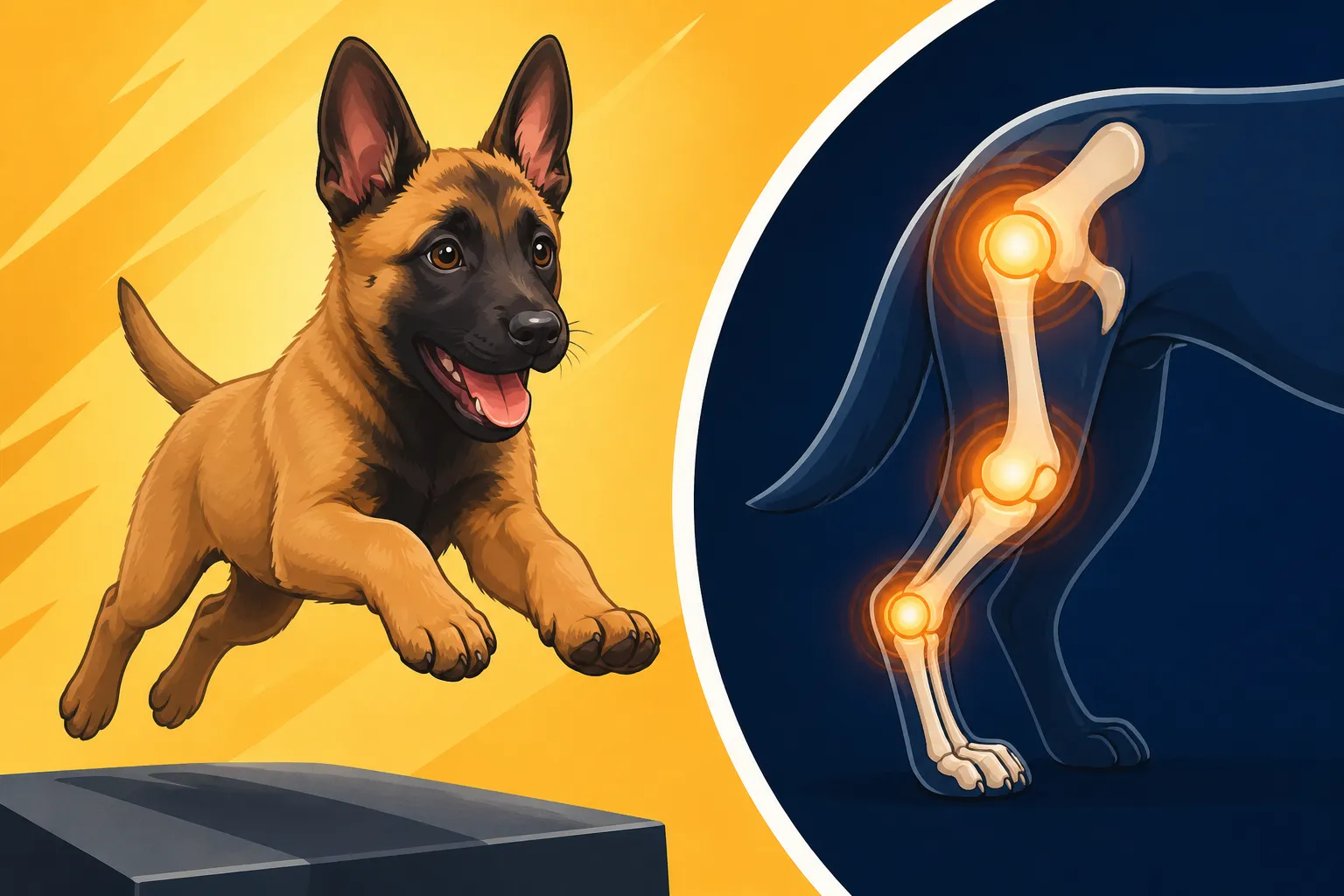
Perhaps the most crucial concept to grasp when it comes to puppy joint health is the "growth plate." These are areas of cartilage located near the ends of long bones in puppies and young dogs. They're responsible for generating new bone tissue, allowing the bones to lengthen as your puppy grows. Think of them as the construction sites of your Malinois's skeleton. Unlike mature bone, growth plates are soft and highly susceptible to injury. Any significant impact, twisting motion, or sustained pressure can damage these plates, leading to premature closure, abnormal bone growth, or even permanent lameness.
Damage to a growth plate might not always be immediately obvious. A puppy might have a slight limp that comes and goes, or they might just seem a little "off" after a rough play session. Because Malinois are so stoic and driven, they can often mask pain, pushing through discomfort to continue an activity they enjoy. This makes careful observation and proactive protection even more critical for this breed. These growth plates typically don't fuse and harden into solid bone until your Malinois is anywhere from 12 to 18 months old, and in some larger or later-maturing individuals, even closer to two years. Until then, they remain vulnerable.
The Rapid Growth Spurts of a Malinois
Belgian Malinois puppies aren't just growing; they're exploding in size and stature. They go from tiny, wobbly pups to formidable, athletic adolescents in what feels like the blink of an eye. This rapid growth, while impressive, places immense stress on their developing skeletal system. Their muscles and tendons often grow at different rates than their bones, leading to periods where they might appear a bit gangly or uncoordinated. During these growth spurts, their joints are particularly vulnerable, as the supporting structures haven't always caught up to the increasing length of their bones.
It’s not just about height and length; a Malinois puppy is also putting on significant muscle mass during this period, especially if they are getting appropriate protein and calories. This added weight, while healthy for overall development, means more force is being applied to those still-soft growth plates with every step, jump, or hard landing. The First Year of a Belgian Malinois's Growth is a whirlwind of changes, and recognizing these phases helps temper expectations for physical activity. Rushing a puppy through this developmental stage with high-impact activities can lead to issues like hip or elbow dysplasia later on, even if they have excellent genetics.
Genetic Predispositions and Their Impact on Joint Health
Even with the most careful upbringing, genetics play a significant role in a Belgian Malinois’s joint health. Like many active, medium to large breeds, Malinois can be prone to conditions such as hip and elbow dysplasia. These are complex conditions influenced by multiple genes and environmental factors, including diet and exercise during growth. Reputable breeders will meticulously screen their breeding dogs for these conditions, obtaining certifications from organizations like the Orthopedic Foundation for Animals (OFA) or utilizing PennHIP evaluations to assess joint laxity.
However, a "clear" certification in the parents doesn't guarantee a puppy will be free from joint issues, especially if their environment and activity levels are not managed correctly. It simply stacks the odds in your favor. Ignoring the physical limitations of a growing puppy, even one from top-tier health-tested lines, is a recipe for disaster. The Hip and Elbow Numbers Behind a Malinois Clearance are important, but they represent a genetic potential, not a free pass to push a young dog beyond what their body can safely handle. Always ask breeders for these results and understand what they mean for your puppy's future.
When "Too Much Too Soon" Becomes a Real Risk
The boundless energy and impressive athleticism of a Malinois can be a double-edged sword when they're young. They seem capable of anything, eager to please, and rarely show signs of slowing down. This enthusiasm can easily lead well-meaning owners to engage in activities that, while seemingly harmless, can inflict lasting damage on their developing joints. It’s crucial to understand what kind of activities constitute "impact" for a puppy and why some exercises are simply too risky during their formative months.
Defining High-Impact Activities for a Young Malinois
When we talk about "impact," we're referring to forces that put significant stress on joints, particularly those involving hard landings, repetitive jarring motions, or twisting. For a Malinois puppy, even seemingly benign activities can fall into this category.
Here’s a breakdown of what to avoid or severely limit until your Malinois is at least 12-18 months old, and ideally closer to 18-24 months for very strenuous activities:
- Repetitive Jumping: This includes jumping off furniture, leaping for frisbees or toys, repeated jumps over obstacles (like agility jumps), or even continuous, high-intensity play with other dogs that involves a lot of vertical movement. Each landing sends a shockwave through their still-forming joints.
- Forced Running or Jogging: While short bursts of play are fine, taking your Malinois puppy on structured runs, jogs beside a bicycle, or long, sustained trots on hard surfaces like pavement can be detrimental. Their gait isn't fully developed, and repetitive motion over distance can wear down cartilage and stress growth plates.
- Hard Landings and Sudden Stops: Activities like dock diving, intense fetch sessions where they slam into the ground, or rapid changes in direction at high speed on slick surfaces are all high-risk. These put incredible torque and compression on their joints.
- Stairs: While a few stairs occasionally are unavoidable, repeatedly running up and down flights of stairs, especially at speed, is a high-impact activity that stresses hips and elbows.
Think of your puppy's joints like soft clay; they're molding and strengthening. High impact is like repeatedly dropping a heavy object onto that clay – it can deform or damage it before it has a chance to harden properly.
The Dangers of Early Intense Training
It's tempting to start advanced training early with a Malinois. They are so smart, so capable, and seem to soak up information. But their mental readiness often far exceeds their physical maturity. Engaging in intense, structured sports like IGP (formerly Schutzhund), French Ring, or even high-level agility too early can lead to irreversible damage.
Consider bite work, for example. While foundation work like building retrieve drive and proper grip can start young, asking a puppy to engage with a full bite sleeve or perform hard apprehension work before their skeletal system is mature is incredibly risky. The forces involved in the bite, the wrenching, twisting, and impact of hitting the decoy, are simply too much for developing joints. Similarly, repetitive obstacle work in agility, like weaving poles or A-frames, should be introduced very gradually and only after growth plates have closed. Why Pushing Growth Hurts a Malinois Puppy cannot be overstated. A slow, steady approach ensures a longer, healthier career, whether in sport or just as an active family companion.
Spotting Signs of Joint Stress in Your Puppy
Even with the best intentions, accidents happen, or perhaps your Malinois is more enthusiastic than you realized. Being vigilant for signs of joint stress or pain is crucial. Malinois are known for their high pain tolerance and drive, so subtle cues are often all you'll get.
Look out for:
- Subtle Lameness or Limping: This might be intermittent or only apparent after a period of rest, or after strenuous activity. It could be a slight head bob, a reluctance to bear weight on a limb, or a shortened stride.
- Reluctance to Play or Move: A Malinois who normally never declines a game suddenly seems less interested, or is slow to get up.
- Changes in Gait: They might walk stiffly, bunny-hop when they run, or avoid certain movements like jumping onto the couch.
- Swelling or Heat: Feel their joints, particularly elbows, wrists, and hocks. Any warmth or puffiness could indicate inflammation.
- Pain Response: They might yelp, flinch, or pull away when you touch a particular area.
- Lethargy: While a Malinois can be tired after intense mental or physical work, unexplained fatigue or a general lack of enthusiasm is a red flag.
- Behavioral Changes: Increased irritability, guarding a certain limb, or seeking solitude could all be signs they are in pain.
If you notice any of these signs, it's time for a vet visit. Early intervention is key to managing and mitigating potential damage.
Building a Foundation: Safe Exercise and Conditioning for Growing Malinois
So, if intense activities are out, what can you do with your high-energy Malinois puppy? The answer lies in controlled, age-appropriate exercise and conditioning that builds strength, coordination, and confidence without undue stress on their developing body. It’s about quality over quantity, and mental stimulation often trumps physical exertion in early puppyhood.
Age-Appropriate Exercise Guidelines
The general rule of thumb for exercise with a growing puppy is the "five-minute rule": roughly five minutes of structured exercise per month of age, twice a day. So, a four-month-old puppy might get 20 minutes of walking/play twice a day. This doesn't include potty breaks or short bursts of zoomies in the yard, but rather dedicated activity.
Here’s a breakdown of safe activities by age:
- Up to 4 Months: Focus on free play in a secure, level environment (like your yard or a safe indoor space). Short walks on soft surfaces (grass, dirt trails) for socialization and exploration are excellent. Keep these walks brief and allow the puppy to dictate the pace. Mental stimulation through puzzle toys (like those found on Amazon or Chewy) and short, positive reinforcement training sessions are paramount. How Much Exercise a Belgian Malinois Puppy Should Get is often far less than owners assume.
- 4-8 Months: Continue with free play and gradually increase leash walks on varied, soft terrains. Gentle inclines and declines can start to build rear-end strength without impact. Introduction to very low, easily cleared obstacles (e.g., a broomstick on the ground) can begin, but no jumping for height. Focus on building core obedience and body awareness.
- 8-12 Months: As they approach their first birthday, you can start introducing slightly longer walks, still predominantly on soft ground. Very low jumps (no higher than their elbow) can be incorporated in short bursts, focusing on form. Swimming is an excellent, low-impact exercise for muscle development. Start teaching them how to control their bodies through simple commands like "climb" onto a low platform, or "crawl" under a bar.
- 12-18+ Months: This is the phase where most Malinois are starting to mature skeletally. Growth plates are likely closing or have closed. You can gradually increase intensity and duration of activities. Introduce more complex agility foundations, higher jumps (still progressively), and light protection foundation work. Always consult with your vet before ramping up intensity, and consider x-rays to confirm growth plate closure before serious impact work.
Remember, a tired mind is often more effective than a physically exhausted body for a Malinois puppy. Enrichment, chew toys, and obedience training should be the cornerstone of early development.
Controlled Conditioning for Strength and Stability
Instead of high-impact work, focus on building core strength, proprioception (body awareness), and balance. These are the foundations for a sound, athletic dog.
- Walking on Uneven Surfaces: Short walks over varied terrain like grass, dirt, small hills, or even through shallow water (if safe and warm enough) helps build stabilizing muscles around the joints.
- Cavaletti Poles: Setting up a series of low poles on the ground that your puppy has to step over helps them learn where their feet are and improves coordination. Start with poles lying flat, then raise them slightly as they gain confidence.
- Balance Discs/Peanut Balls: These can be introduced gently, teaching your puppy to place their paws on unstable surfaces. This activates deep core muscles and improves balance, crucial for preventing injuries later. You can find excellent options on Amazon.
- Swimming: As mentioned, swimming is fantastic. It builds muscle without any impact on joints. Introduce it safely and make it a positive experience.
- Stretching and Massage: Gentle stretches after exercise and regular massage can improve flexibility and blood flow, and also help you become more attuned to your dog's body.
These activities, performed consistently and correctly, will prepare your Malinois for the demands of their adult working life far better than early, strenuous impact work ever could.
The Role of Nutrition in Supporting Joint Development
Proper nutrition is absolutely fundamental to healthy joint development. A balanced diet designed for large breed puppies or performance dogs is crucial. The key is to avoid rapid growth spurred by excessive protein or calorie intake, as this can put undue stress on developing bones and joints. Why Pushing Growth Hurts a Malinois Puppy can have severe consequences, so careful feeding is essential.
Look for high-quality puppy foods that are formulated to support a steady, controlled growth rate. Many premium brands, available through retailers like Chewy or specialized fresh food services like Ollie, offer diets specifically designed with optimal calcium and phosphorus ratios for large breed puppies. These ratios are vital; too much or too little can interfere with bone mineralization.
Once your Malinois matures, you might consider joint supplements. Ingredients like glucosamine, chondroitin, and MSM can help maintain cartilage health and reduce inflammation. Omega-3 fatty acids (like those found in fish oil) also have anti-inflammatory properties that can benefit joint health. While these are often more beneficial for maintenance in adult dogs or those with existing issues, discussing them with your vet for a growing puppy can provide an extra layer of support. Always consult your veterinarian before adding any supplements to your puppy's diet.
Long-Term Joint Health: A Lifelong Commitment
Even after your Malinois puppy's growth plates have closed and they've matured into a strong, capable adult, the commitment to joint health doesn't end. In fact, it becomes an ongoing endeavor that involves careful management of activity, continued nutritional support, and proactive veterinary care. A Belgian Malinois is built to work and excel, and ensuring their physical soundness for as long as possible is a primary responsibility of their owner.
Continuing Joint Support into Adulthood
Once your Malinois is fully grown and you've confirmed their growth plates are closed (typically around 18-24 months, but consult your vet), you can gradually increase the intensity and impact of their activities. However, it’s still important to be mindful of wear and tear. High-impact sports are demanding, and even well-conditioned dogs can experience joint strain over time.
Consider incorporating a joint supplement regimen into their daily routine. Many working dog owners proactively use supplements containing ingredients like glucosamine, chondroitin, MSM, and sometimes even green-lipped mussel, to support cartilage health and reduce inflammation. Products from reputable brands are widely available through retailers like Chewy and Amazon. These aren't a magic bullet, but they can provide valuable support for active joints. Additionally, maintaining a lean body condition throughout your Malinois's life is paramount. Every extra pound your dog carries adds significant stress to their joints, accelerating degenerative changes. Regularly Weighing a Belgian Malinois Through a Training Year helps ensure they stay in optimal condition.
Regular Veterinary Check-ups and Monitoring
Consistent veterinary care is absolutely essential for long-term joint health. Annual (or even bi-annual for very active or aging dogs) check-ups allow your vet to assess your Malinois's gait, range of motion, and overall physical condition. They can catch subtle signs of arthritis or other joint issues before they become debilitating.
If your Malinois is involved in high-impact sports or work, discussing their activity level with your vet is vital. They might recommend specific monitoring, such as periodic x-rays, especially if you notice any changes in performance or slight lameness. Don't hesitate to seek a referral to a veterinary orthopedic specialist or a sports medicine vet if you have concerns about your dog's mobility or performance. Physical Therapy Prices for a Belgian Malinois can be significant, but early diagnosis and management can prevent more severe issues down the line and ensure your dog remains comfortable and capable.
Adapting Activity Levels as Your Malinois Ages
Just as you wouldn't push a young puppy too hard, you need to adjust your Malinois's activity levels as they enter their senior years. A "senior" Malinois might still have incredible drive, but their body's ability to recover from strenuous activity diminishes. Typically, a Malinois is considered a senior around 7-9 years of age, though individual dogs vary greatly. When a Malinois Is Considered Old can depend heavily on their genetics and prior activity.
Signs of aging joints might include:
- Slowing down on walks or during play.
- Stiffness after rest.
- Difficulty getting up or lying down.
- Reluctance to jump or climb stairs.
- Changes in gait or posture.
At this stage, focus on maintaining activity without overexertion. Short, frequent walks, gentle swimming, and mental enrichment activities become even more important. Consider adding an orthopedic bed, easily found on Amazon, to support their joints during rest. Keep them engaged mentally with puzzle toys and short training sessions to keep their sharp minds active. The goal is to keep them comfortable, mobile, and happy, ensuring their quality of life remains high throughout their golden years.
| Age Range (Months) | Recommended Activities | Activities to Limit/Avoid | Key Focus |
|---|---|---|---|
| 0-4 | Supervised free play on soft surfaces, short potty walks, mental games, socialization | Forced running, high jumps, long walks, stairs (excessive), hard landings | Foundation obedience, body awareness, confidence building, mental enrichment |
| 4-8 | Moderate free play, gradual increase in leash walks (soft surfaces), gentle inclines | High jumps, repetitive obstacle work, intense sprints, sustained forced running | Coordination, basic strength, socialization, impulse control |
| 8-12 | Longer walks, gentle swimming, low cavaletti poles, very low jumps (elbow height max) | Agility jumps, harsh impact sports, extensive forced retrieves, extreme turning | Building muscle, balance, stamina, preparing for advanced work |
| 12-18 | Increased duration/intensity (if growth plates confirmed closed by vet) | Full-height agility jumps, hard bite work impacts, marathon running without assessment | Advanced obedience, sport-specific foundations (gradual), conditioning |
| 18+ | Full range of activities, sport-specific training, working roles (with vet approval) | Over-training, pushing through pain, ignoring signs of fatigue | Peak performance, conditioning, maintenance of joint health |
Disclaimer
This article is for general informational purposes only and does not constitute professional advice. Laws, prices and regulations vary by location and change over time. Consult a qualified professional for guidance on your specific situation.