Cairo and What One Raid Did to the Malinois
The image of the Belgian Malinois has undergone a seismic shift in public perception, moving from a niche working dog known primarily to a select few to an almost mythical 'hero dog' breed. This sudden surge in recognition often stems from specific high-profile events, but the reality behind the headlines is far more complex and has led to a lot of heartache for well-meaning but unprepared owners. This guide will delve into the profound impact of one such event – the raid involving the courageous Malinois named Cairo – and explore how it changed the breed's trajectory, for better and for worse, offering insights into what truly defines a Malinois and what it takes to own one.
The Event Heard Around the World: Cairo and the Bin Laden Raid
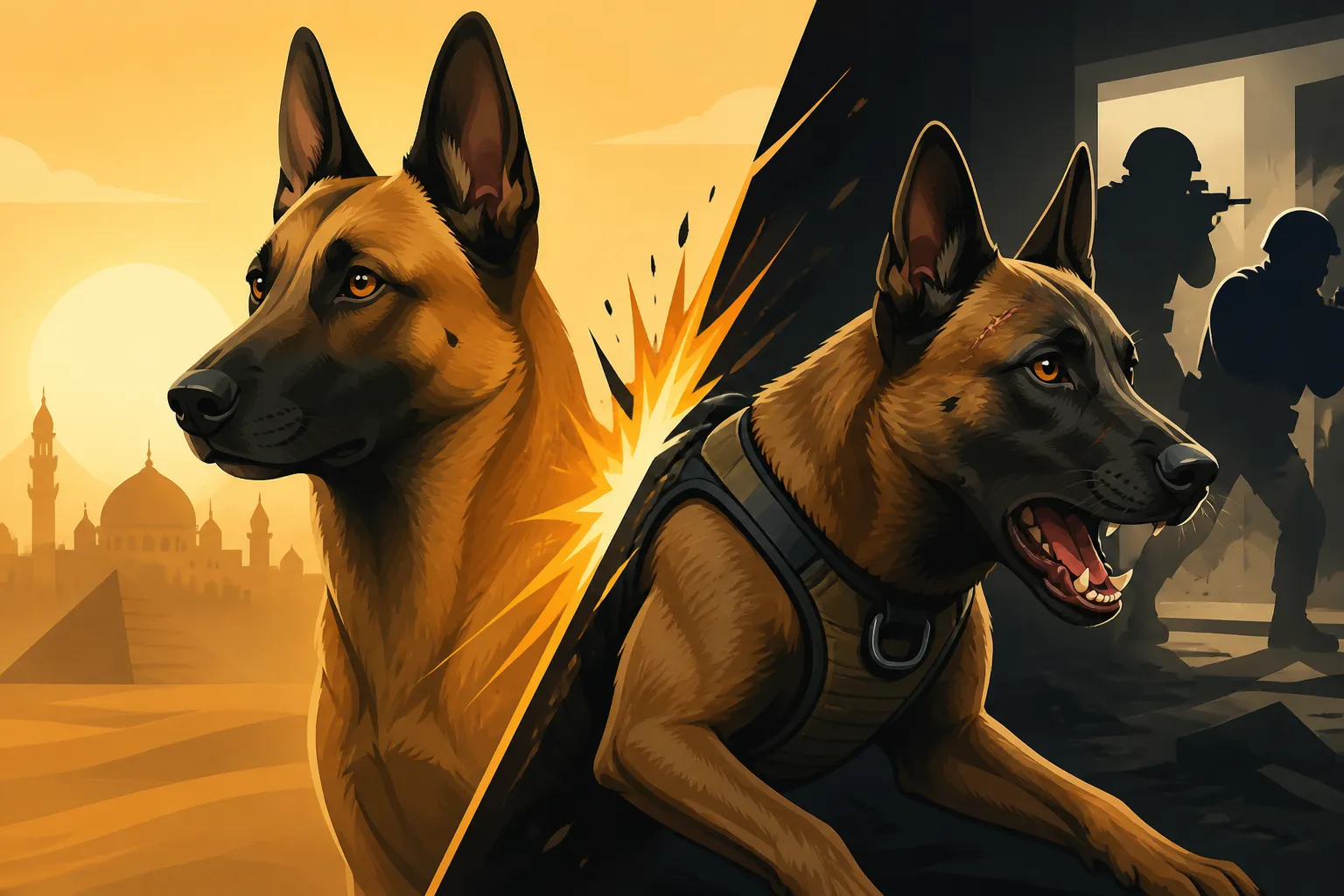
In May 2011, the world watched as news broke of the raid on Osama bin Laden's compound. Amidst the tactical details and political discussions, a new kind of hero emerged from the shadows: a Belgian Malinois named Cairo. This highly trained military working dog was an integral part of the elite Navy SEAL team, playing a crucial role in securing the perimeter, detecting threats, and navigating the complex operation. His participation wasn't just a footnote; it was prominently featured in subsequent accounts and media reports, elevating the Belgian Malinois to a level of public awareness it had never before experienced.
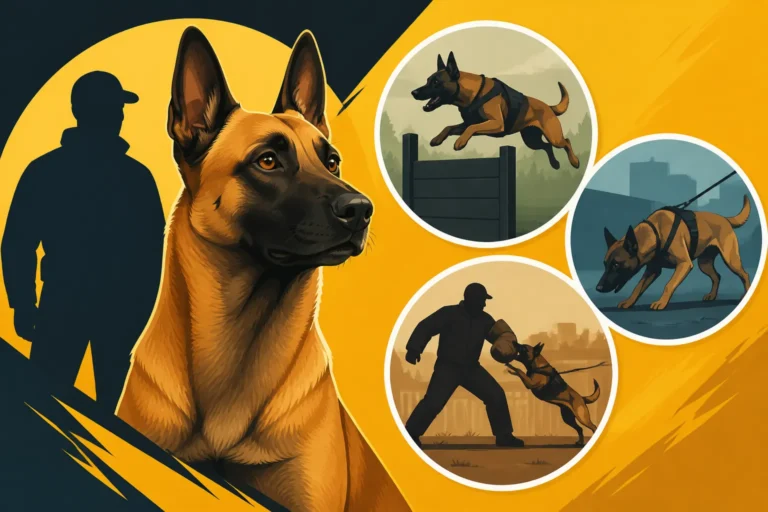
Before Cairo, most people had never even heard of a Belgian Malinois. Those who had might have mistaken them for a smaller, lankier German Shepherd or perhaps encountered them in specialized police K9 demonstrations. They were the "dog world's best kept secret" in many ways – a breed prized by military, law enforcement, and serious sport enthusiasts for their unparalleled drive, intelligence, and athleticism. They were a working dog through and through, selected for generations based on their ability to perform demanding tasks under extreme pressure, not for their looks or cuddly demeanor.
The visibility Cairo brought, however, changed everything. Suddenly, this powerful, agile, and seemingly fearless dog was thrust into the international spotlight, synonymous with heroism, loyalty, and exceptional capability. The narrative was captivating: a canine warrior, brave and indispensable, operating alongside the toughest human operatives. This dramatic portrayal, while deserved in Cairo's case, inadvertently simplified the breed's true nature and set off a chain reaction that continues to shape its public image and impact its welfare today.
Cairo's Role in the Operation
Cairo’s contributions to the successful raid were significant and multifaceted. Trained for specialized combat operations, he was deployed to perform tasks that humans could not, or where canine senses provided a critical advantage. This included scent detection for explosives or hidden individuals, perimeter security, and potentially even incapacitating threats. The very presence of a dog like Cairo on such a sensitive mission underscored the indispensable value of military working dogs to special forces units.
Specifically, Cairo was tasked with detecting hidden compartments or personnel, a skill vital in complex, unfamiliar structures like the bin Laden compound. His keen sense of smell and quiet, stealthy movement made him an ideal scout and guardian. Handlers often describe these dogs as their "four-legged partners" because of the immense trust placed in their abilities, and Cairo certainly exemplified this partnership under the most extreme circumstances. His calm demeanor under pressure and unwavering focus were testaments to years of dedicated training and the intrinsic qualities of the Malinois breed.
The success of the mission, and Cairo's acknowledged role within it, fueled a public fascination that transcended mere curiosity. It painted a picture of a dog that was not just obedient, but inherently intelligent, adaptable, and a true force multiplier in high-stakes situations. This media narrative, though true to Cairo's individual prowess, began to morph into a generalized expectation for the entire breed, a burden many individual Malinois and their unprepared owners would soon feel.
The Immediate Aftermath and Media Frenzy
Following the revelation of Cairo's involvement, the Belgian Malinois breed experienced an unprecedented surge in media attention. News outlets, social media, and popular culture latched onto the "hero dog" narrative. Documentaries were made, articles published, and the breed became a symbol of national pride and military might. The public was hungry for more stories of these incredible dogs, often simplifying their complex needs and rigorous training into a romanticized ideal.
This immediate frenzy created a widespread, albeit superficial, awareness of the Malinois. For years, Malinois breeders had struggled to explain the unique demands of the breed to potential owners, often emphasizing that they were not pets for the faint of heart. Suddenly, everyone wanted one. The media, while celebrating Cairo, often failed to convey the sheer dedication, specialized environment, and constant mental and physical stimulation required to manage a dog with such intense drives. The focus was on the extraordinary feats, not the ordinary, demanding daily life that made those feats possible.
The rapid spread of information, or often, misinformation, meant that many people heard "Malinois = hero dog" without also hearing "Malinois = intense, demanding, needs a job, bites hard, can destroy your house." This unbalanced narrative became the foundation for a significant shift in breed popularity and, unfortunately, a rise in unsuitable ownership scenarios.
From Obscurity to Overnight Sensation: The Malinois's Rise
Before Cairo, the Belgian Malinois was relatively obscure outside of working dog circles. Serious dog sport enthusiasts in Schutzhund (now IGP), French Ring, or KNPV programs, as well as police and military K9 units, knew and revered the breed. They understood the meticulous breeding, the intense selection processes, and the unwavering commitment required to manage these powerful animals. They were sought after for specific jobs, not as general family companions.
The breed's distinct characteristics—its incredible athleticism, high prey drive, intense focus, and often aloof nature with strangers—were well-understood by those who worked with them. These traits, while invaluable in a working context, are often challenging in a typical pet home. Breeders carefully screened potential owners, often turning away those without previous experience with high-drive working breeds or a clear understanding of the commitment involved. This careful stewardship helped maintain the breed's integrity and ensure dogs went to appropriate homes.
However, the post-Cairo era changed the demand landscape dramatically. Suddenly, the Malinois was seen as the ultimate status symbol, a loyal protector, a dog with an almost superhuman aura. This newfound popularity, while bringing the breed out of the shadows, also brought with it a host of challenges, as people unfamiliar with working dogs began to acquire Malinois without truly understanding what they were signing up for.
Before Cairo: A Niche Working Dog
For decades, the Belgian Malinois was primarily known in very specific communities. Originating from Belgium as a herding dog, its intelligence, biddability, and intense drive made it a natural fit for police and military roles. These were dogs bred for function, with aesthetics being secondary to their ability to perform their job. Breeders prioritized temperament, health, and working aptitude above all else. The Herding Job the Belgian Malinois Was Built For is a fascinating look at their origins.
Those involved in professional K9 work or competitive dog sports like IGP (International Gebrauchshund Pruefung) or Ring Sports were deeply familiar with the Malinois's capabilities. They understood that these dogs needed rigorous training, structured environments, and a significant outlet for their boundless energy and intelligence. Ownership was a lifestyle, not just a casual commitment. The breed's population remained relatively low, and finding a well-bred Malinois typically involved extensive research and connections within these tight-knit working dog communities.
The reputation of the Malinois was built on performance and grit. These dogs were selected for their courage, their nerve, their willingness to engage in protection work, and their ability to follow complex commands under pressure. This wasn't a breed for everyone, and the working dog community was largely content with that, as it helped ensure that Malinois largely went to capable hands.
The Popularity Boom and Its Impact
The "Cairo effect" ushered in an era where the demand for Belgian Malinois skyrocketed. Suddenly, backyard breeders and puppy mills, eager to capitalize on the trend, started producing Malinois puppies without regard for temperament, health, or proper lineage. The careful screening processes that reputable breeders employed often fell by the wayside as the market became flooded with dogs of questionable quality.
This explosion in popularity meant that many Malinois puppies ended up in homes completely unequipped to handle them. People saw the heroic image, but not the intense daily grind of training, exercise, and mental stimulation required. They bought into the "special forces dog" fantasy, imagining a dog that would naturally be calm, obedient, and heroic, rather than a demanding, high-energy animal that would chew through drywall if left unstimulated. Why a Belgian Malinois Is the Wrong First Dog perfectly illustrates these challenges.
The consequences were predictable and tragic: a surge in behavioral issues, overwhelmed owners, and a heartbreaking increase in Malinois surrenders to shelters and rescues. Many organizations dedicated to the breed found themselves inundated with young, powerful, and often undersocialized Malinois that were simply too much for their previous owners.
The "Hero Dog" Myth vs. Reality: Unpacking Expectations
The media often portrays working dogs in a highly stylized, almost cinematic way. For the Belgian Malinois, this image solidified into that of the stoic, fearless, perfectly obedient "hero dog." While dogs like Cairo are indeed heroes, their heroism is a direct result of immense natural aptitude, years of rigorous professional training, and unwavering human dedication, not an innate pet-like trait. This gap between the romanticized myth and the gritty reality creates significant problems for everyday owners.
People envision a dog that stands quietly by their side, ready to spring into action if danger arises, but otherwise content with a leisurely walk and a pat on the head. The reality of a Malinois is a dog that craves a job, often creating one for itself if not provided, which can manifest as destructive behaviors, incessant barking, or hyper-vigilance. They are not content to be couch potatoes; they demand engagement, purpose, and a strong, consistent leader.
Understanding the difference between the extraordinary capabilities of a highly selected and professionally trained Malinois like Cairo and the typical Malinois puppy growing up in a suburban home is crucial. The breed's intensity is its defining characteristic, and it is a double-edged sword: a tremendous asset in the right hands for the right job, but a potential nightmare in the wrong environment.
Beyond the Headlines: The Training Behind the Hero
What the public often doesn't see when they hear about a military or police K9 is the sheer volume and intensity of training that goes into shaping that dog. These are not pets that simply wake up one day and decide to be heroes. From the moment they are selected as puppies, often from specific working lines, their entire lives are meticulously structured around developing their innate drives and capabilities.
The training regimen for a K9 like Cairo involves thousands of hours of specialized instruction, repetition, and conditioning. This includes advanced obedience, bite work, scent detection, agility, and tactical maneuvers, all performed under varying conditions and high-stress simulations. Their handlers are not just pet owners; they are highly skilled trainers, often with years of experience working with powerful breeds. They understand how to build and maintain drive, how to proof commands, and how to create an unbreakable bond built on trust and mutual respect. What Bite Sport Actually Asks of a Belgian Malinois gives a glimpse into the demanding nature of their work.
This level of training is a full-time commitment, a partnership that far exceeds the typical obedience classes or casual walks a pet owner might provide. It requires specialized equipment, access to trained decoys, and a deep understanding of canine behavior and learning theory. To expect a Malinois without this foundation to behave like a military K9 is not just unrealistic; it's unfair to the dog.
More Than a Movie Star: Everyday Life of a Working Malinois
Even when off-duty, a working Malinois's life is far from sedentary. They are still high-drive animals that require consistent mental and physical stimulation. Their "off switch" is often a carefully cultivated skill, a product of extensive training, not an inherent trait. While they might relax in their kennel or crate, their minds are constantly active, observing, processing, and waiting for their next task.
Consider a police K9 who might spend hours in a patrol vehicle, alert and ready to deploy at a moment's notice. Or a sport dog training several times a week, pushing its physical and mental limits. These dogs thrive on routine, structure, and purpose. Their engagement with their handler is paramount, and they are constantly seeking direction. When these needs are not met, problems inevitably arise. Two Hours and a Job a Belgian Malinois Demands Daily elaborates on the daily needs.
For an owner, this means being prepared to integrate a Malinois into every aspect of their life, ensuring their physical and mental needs are met daily, often for several hours. This isn't just about walks; it's about structured play, training sessions, puzzle toys, and consistent expectations. Without this dedication, the "hero dog" quickly becomes a destructive, anxious, or hyperactive handful.
The Unintended Consequences for Breeders and Rescues
The sudden spike in demand for Belgian Malinois after the Cairo raid, while initially seeming positive for the breed's profile, created a significant ripple effect that challenged the very foundations of responsible breeding and rescue. Reputable breeders, who had for years carefully stewarded the breed, found themselves facing new pressures, while rescues became overwhelmed with a surge of misunderstood and displaced Malinois.
On one hand, the increased visibility brought new interest to working dog sports and K9 careers, which could be seen as a positive. On the other, it attracted a wave of individuals looking for a "tough dog" or a "hero dog" without any real understanding of the breed's temperament or needs. This led to a boom in backyard breeding and irresponsible sales, bypassing the ethical considerations that are paramount in preserving a breed's health and character.
The consequences were severe: dogs with poor temperaments due to indiscriminate breeding, a rise in behavioral problems, and an overburdened rescue system struggling to cope with the influx of Malinois puppies and young adults. The very traits that made Cairo a hero were now leading many other Malinois down a path of neglect and abandonment simply because they were placed in the wrong homes.
The Rise of Irresponsible Breeding
When demand outstrips supply, and there's a quick profit to be made, irresponsible breeders inevitably emerge. Following the "Cairo effect," many individuals saw the Malinois as a cash cow. They began breeding dogs without proper health clearances, without consideration for temperament, and without any real knowledge of the breed's working history or genetic lines. What a Belgian Malinois Puppy Costs by Bloodline can vary wildly, reflecting this spectrum of responsible to irresponsible breeding.
These breeders often sold puppies to anyone with cash in hand, asking few questions about the buyer's experience or living situation. They often failed to socialize the puppies properly or provide adequate early stimulation, setting the dogs up for failure from the start. The result was a generation of Malinois with unstable temperaments, genetic health issues, and a lack of proper foundation for life in a demanding home.
This influx of poorly bred and poorly socialized Malinois made it even harder for ethical breeders to educate the public and find appropriate homes. Their years of careful selection and dedication to the breed's health and working ability were undermined by those driven purely by profit. The breed's reputation, once synonymous with top-tier working ability, began to suffer as more and more problematic dogs entered the public sphere.
Overwhelmed Rescues and Shelters
The predictable aftermath of irresponsible breeding and unprepared ownership was a dramatic increase in Malinois and Malinois mixes flooding shelters and breed-specific rescues. These organizations, often run by dedicated volunteers, found themselves facing an unprecedented challenge. Many of these dogs were young, full of energy, and exhibited significant behavioral issues—barking, destructiveness, reactivity, and anxiety—that stemmed directly from a lack of appropriate outlets, training, and understanding in their previous homes.
It's a heartbreaking scenario: a powerful, intelligent dog, full of potential, sitting in a kennel because its drives were misinterpreted as aggression or hyperactivity. Rescue volunteers tirelessly work to rehabilitate these dogs, but the sheer volume can be overwhelming. Many municipal shelters, unprepared for the intensity of the breed, struggled to manage or rehome them, leading to tragic outcomes. Where Surrendered Belgian Malinois End Up is a stark reminder of this reality.
This placed an immense strain on resources, both financial and human. Rescues had to invest heavily in behavior assessments, specialized training, and medical care for dogs that often arrived with both physical and psychological scars. The narrative of the "hero dog" had a dark underside, manifesting in the faces of countless Malinois seeking a second chance, victims of their own misrepresented fame.
Understanding the True Belgian Malinois Temperament
Beneath the media sensationalism and the public's sometimes misguided enthusiasm lies the true Belgian Malinois: a breed of immense intelligence, athleticism, and unyielding drive. Their temperament is a carefully curated product of generations of selective breeding for specific working traits. They are not merely "active dogs"; they are intense, complex, and require a profound understanding from their owners.
The Malinois is characterized by an insatiable desire to work and a deep bond with its primary handler. They are incredibly sensitive to their environment and their handler's cues, capable of rapid learning and intricate problem-solving. However, these same traits, if mismanaged or left unchecked, can lead to anxiety, neuroticism, or destructive behaviors. Their high prey drive, while essential for bite work or detection, needs careful channeling in a pet home.
To truly understand a Malinois is to appreciate its inherent intensity and to commit to providing an environment that channels those drives constructively. It means moving beyond the superficial image of a "hero dog" and embracing the reality of a magnificent, demanding, and utterly devoted partner who thrives on purpose and partnership.
Drive, Energy, and Intensity
The defining characteristics of a Belgian Malinois are its drives, boundless energy, and unshakeable intensity. These are not dogs content with a twenty-minute walk around the block or a casual romp in the yard. They need real work, real purpose, and consistent physical and mental outlets every single day. Their energy levels are often described as "bottomless," and they will readily find their own (often destructive) ways to burn off steam if not given appropriate tasks.
Their drives—prey drive, retrieve drive, defense drive—are exceptionally strong. They are wired to chase, to bite, to problem-solve, and to engage. For a working Malinois, these drives are harnessed and refined; for a pet Malinois, they need to be carefully managed and redirected into appropriate activities like structured play, advanced obedience, dog sports, or scent work. Channeling a Belgian Malinois's Prey Drive Into a Tug is a great example of how to direct this energy.
This intensity also extends to their mental engagement. A bored Malinois is often a destructive Malinois. They are problem-solvers by nature, and if their intellect isn't challenged, they will use it to open doors, dismantle furniture, or plot elaborate escapes. Owning a Malinois means committing to a lifestyle where the dog's needs are a central consideration, almost like a full-time hobby.
Loyalty and Selectivity in Bonding
While Malinois are often depicted as fiercely loyal, it's important to understand the nuance of their bonding. They typically form a very strong, almost singular, bond with their primary handler. This isn't necessarily a fault, but it's a critical aspect of their temperament that impacts their suitability for various household dynamics. They thrive on that one-on-one connection, viewing their handler as their leader and partner.
This intense loyalty can mean they are often aloof or wary of strangers. They are not typically a "love everyone" breed, and proper socialization from a young age is crucial to ensure they are confident and appropriately discerning, rather than reactive or fearful. While they may tolerate other family members, their deepest allegiance often lies with the individual who trains, works, and leads them most consistently.
For families, this means ensuring that everyone understands the dog's boundaries and that consistent training and handling are in place. It's not uncommon for a Malinois to view young children more like "things to herd" or "small prey" than fellow family members, underscoring the need for careful supervision and training. A Belgian Malinois in a House With Kids and Dogs provides more context. This selectivity in bonding also means they may not be the ideal choice for homes with frequent visitors or those seeking a highly social, outgoing companion for everyone.
The Responsibilities of Malinois Ownership Post-Cairo
The increased public awareness, coupled with the inherent intensity of the breed, has placed a greater burden of responsibility on potential and current Malinois owners. It's no longer enough to simply admire their capabilities; one must deeply understand and commit to the unique challenges and rewards of living with such a powerful and intelligent animal. Responsible ownership now involves a proactive approach to training, socialization, and welfare, often going above and beyond what might be expected for other breeds.
This means thoroughly educating oneself before acquiring a Malinois, diligently researching reputable breeders, and preparing one's lifestyle and home environment to accommodate their extensive needs. It means committing to ongoing training and enrichment for the dog's entire life, recognizing that their intelligence and drive are lifelong assets that require constant engagement.
Ultimately, responsible Malinois ownership is about honoring the breed's working heritage and ensuring that each individual dog has the opportunity to thrive in an appropriate environment. It's about being an advocate for the breed, dispelling myths, and demonstrating what true partnership with a Belgian Malinois looks like.
Research and Preparation Are Paramount
Given the breed's demands, thorough research and meticulous preparation are no longer optional—they are absolutely essential. Before even considering a Malinois, potential owners must honestly assess their lifestyle, experience, time commitment, and financial resources. This isn't a decision to be made lightly, and it's certainly not a breed for impulse adoption based on a "hero dog" narrative.
This preparation includes understanding the breed's exercise requirements, its mental stimulation needs, and its potential behavioral challenges. Prospective owners should immerse themselves in books, articles, and reputable online resources. Visiting working dog clubs, talking to experienced Malinois handlers, and observing the breed in training are invaluable steps. Seek out a mentor who truly understands the breed. The Kind of Owner a Belgian Malinois Requires is a must-read for anyone considering a Malinois.
It also involves preparing your home environment: secure fencing (these dogs can jump!), durable toys (you'll buy a lot on Chewy!), and appropriate crating or kennel arrangements are non-negotiable. Crates, Kennels and Heat Alarms for a Belgian Malinois highlights critical considerations. Failing to prepare adequately often leads to overwhelmed owners and dogs who ultimately suffer.
Long-Term Commitment to Training and Enrichment
Owning a Belgian Malinois is a lifelong commitment to training and enrichment. Their intelligence means they learn quickly, but their drives mean they need consistent reinforcement and new challenges to prevent boredom and destructive behaviors. This isn't a dog you can train for a few months and then forget about; it's a dog that thrives on continuous learning and a partnership with its handler.
This commitment includes regular advanced obedience training, participation in dog sports (like agility, obedience, rally, or scent work), or even actual working roles if available. Mental enrichment through puzzle toys, trick training, and novel experiences is just as important as physical exercise. A Malinois needs its mind to be as engaged as its body.
Furthermore, socialization must be an ongoing process, not just a puppyhood endeavor. While Malinois are often aloof, they need to be confident and well-adjusted in various environments and around different people. Consistent exposure, coupled with positive reinforcement, helps shape a well-rounded and stable adult. Building an Off Switch Into a Belgian Malinois is a vital skill that takes consistent effort.
Navigating the Media and Public Perception
The shadow of Cairo, while casting a heroic light on the Belgian Malinois, also created a breeding ground for misunderstanding and misperception. Owners of Malinois in the post-Cairo era often find themselves navigating a complex landscape of public reactions, ranging from awe and curiosity to fear and prejudice. This makes responsible advocacy for the breed more important than ever.
It's a strange dichotomy: people are fascinated by the breed's capabilities, yet often apprehensive in its presence. Malinois owners regularly encounter comments about their dog being "dangerous," "aggressive," or "too much." This requires a patient, educational approach, dispelling myths and showcasing the breed's true potential when properly managed.
Part of this navigation involves understanding that the public's perception is largely shaped by sensationalized media portrayals or isolated incidents, rather than a deep understanding of canine behavior or breed characteristics. Owners have a crucial role to play in demonstrating responsible ownership and acting as ambassadors for the Malinois.
Dispelling Myths and Educating the Public
One of the biggest challenges for Malinois owners is dispelling the numerous myths that have arisen around the breed. While some see them as infallible super-dogs, others view them as inherently aggressive or uncontrollable due to their working background. Both extremes are problematic and inaccurate. The truth, as always, lies somewhere in the middle.
Malinois are not automatically "protection dogs" without extensive, specialized training, nor are they inherently vicious. They are powerful dogs with strong drives that can be directed towards protection, but that doesn't make every Malinois a danger to society. It's crucial for owners to explain that a well-socialized and trained Malinois, while intense, is a magnificent companion and partner.
Owners can help educate the public by openly discussing their dog's training regimen, their commitment to responsible ownership, and the breed's actual temperament. Highlighting their intelligence, versatility in various dog sports, and their loving, albeit intense, bond with their family can go a long way in countering negative stereotypes.
Being a Responsible Ambassador for the Breed
Every Malinois owner is, by extension, an ambassador for the breed. How an individual Malinois behaves in public directly impacts how the public perceives all Malinois. This places a significant responsibility on owners to ensure their dogs are well-trained, under control, and appropriately managed in all public settings. This means using appropriate leashes and harnesses (and sometimes even muzzles, not as a sign of aggression but of responsible precaution) and being hyper-aware of their dog's surroundings and reactions.
A Malinois that pulls on its leash, barks incessantly, or exhibits reactivity towards other dogs or people reinforces negative stereotypes. Conversely, a Malinois that walks calmly, responds reliably to commands, and is respectful of personal space can dramatically shift public opinion. It's about demonstrating the breed's potential for excellence when in capable hands.
This also extends to online interactions. Engaging in respectful discussions, sharing accurate information, and connecting with other responsible owners helps build a positive community around the breed. By consistently modeling responsible ownership, Malinois owners can slowly but surely change the narrative from one of fear or unrealistic expectation to one of admiration and understanding.
Finding the Right Malinois for the Right Home
The legacy of Cairo has underscored a critical truth: the Belgian Malinois is not a breed for everyone. For those captivated by their intelligence, athleticism, and loyalty, the journey to finding the right Malinois must be undertaken with extreme care and diligence. It's not about simply acquiring a "hero dog," but about finding a partner whose drives and temperament align with an owner's commitment and lifestyle.
This involves discerning between different lines within the breed, understanding the nuances of temperament, and prioritizing health and responsible breeding practices. It means asking the right questions, being prepared for a rigorous screening process, and ultimately choosing a puppy or adult dog that has the best chance of thriving in your specific environment.
The goal is to prevent more Malinois from ending up in rescues or being misunderstood. By making informed, responsible choices, prospective owners can honor the breed's legacy and ensure that their individual Malinois gets the best possible start in life and a lifelong home where its unique needs are truly met.
The Importance of Reputable Breeders
When considering a Belgian Malinois, the absolute first step is to seek out reputable breeders. These are individuals who prioritize health, temperament, and working ability above all else. They will be deeply knowledgeable about their specific lines, conduct extensive health testing on their breeding stock (hips, elbows, eyes, and genetic tests like those for ataxia), and be transparent about any potential issues. The Hip and Elbow Numbers Behind a Malinois Clearance and The Two Ataxia Genes Belgian Malinois Are Tested For are critical considerations.
A good breeder will also meticulously screen potential buyers, often asking more questions of you than you ask of them! They want to ensure their puppies go to homes that truly understand and are prepared for the breed's demands. They will offer ongoing support and guidance, and often have a take-back clause in their contract, showing their commitment to the lifetime welfare of their dogs.
Avoid any breeder who seems too eager to sell, doesn't ask many questions, doesn't offer health clearances, or has multiple litters from various breeds. These are often signs of a backyard breeder or puppy mill, and the dogs they produce are far more likely to have health or temperament issues that will surface later, leading to heartbreak.
Considering a Malinois From Rescue
For experienced working dog owners who understand the breed's unique needs, a Belgian Malinois from a rescue can be an incredibly rewarding option. Many fantastic Malinois end up in rescue through no fault of their own, often because their previous owners were simply unprepared for the commitment. These dogs, while requiring rehabilitation and consistent structure, often thrive in the right hands.
Rescue organizations dedicated to the Belgian Malinois often have a thorough intake process, including behavior assessments and foster programs, to get a clearer picture of each dog's personality and needs. They will also have a very stringent application process, looking for owners with proven experience with high-drive breeds, an understanding of positive reinforcement training, and a home environment that can meet the dog's physical and mental exercise requirements. What a Malinois Rescue Asks in Adoption Donations can give you an idea of the costs involved, but the true investment is always time and commitment.
While a rescue Malinois may come with some baggage or an unknown history, the opportunity to give a deserving dog a second chance is immense. These dogs often form incredibly strong bonds with their new families, showing immense gratitude and loyalty once they feel secure and understood. Just be realistic about the potential challenges and be prepared to invest time and effort into their adjustment and ongoing training.
Table: Myth vs. Reality of Malinois Ownership
To help crystallize the difference between the public perception and the lived experience, here’s a quick comparison:
| Trait/Expectation | Media-Fueled Myth | Reality for Most Malinois Owners |
|---|---|---|
| Energy Level | Calm, focused, ready for action when called. | Relentlessly energetic, needs hours of structured activity daily, often destructive if bored. |
| Obedience | Naturally understands commands, perfectly behaved. | Requires consistent, rigorous training for life, can be stubborn and tests boundaries. |
| Guard Dog Ability | Automatically protects family and home. | Needs specific, advanced protection training to be reliable; natural vigilance can be a liability without control. |
| Family Pet | Easy-going, loves all people, good with kids. | Bonds intensely with one handler, often aloof with strangers, needs careful management with children and other pets. |
| Destructive Behavior | Non-existent, a paragon of good manners. | Prone to chewing, digging, barking if not sufficiently stimulated or trained. |
| Socialization | Friendly with all dogs and people. | Can be selectively social, wary of strangers, often reactive to other dogs without extensive, careful socialization. |
| Cost of Ownership | Standard dog expenses. | High costs for performance food (e.g., from Chewy), specialized training, durable equipment, and potential vet bills. |
| "Off Switch" | Naturally relaxes after a task. | A trained behavior, not inherent; many struggle to settle without specific instructions and structured downtime. |
Disclaimer
This article is for general informational purposes only and does not constitute professional advice. Laws, prices and regulations vary by location and change over time. Consult a qualified professional for guidance on your specific situation.