How Dark a Belgian Malinois Mask Should Be
One common question that pops up for anyone considering a Belgian Malinois, or even just admiring them, is all about that distinctive mask. You see photos, you read descriptions, and you start to wonder, "Just how dark should that mask really be?" It's not just a matter of aesthetics; the mask is a hallmark of the breed, and understanding its characteristics helps you appreciate the Malinois standard and what makes each dog unique. This guide will walk you through the nuances of the Belgian Malinois mask, from its ideal presentation to the acceptable variations you might encounter.
Understanding the Belgian Malinois Mask Standard
The black mask is perhaps one of the most striking and recognizable features of a Belgian Malinois. It’s not just a random splash of dark fur; it's a specific pattern that contributes significantly to the breed's intense and alert expression. When we talk about the standard, we're referring to the ideal described by breed clubs, which helps maintain consistency and integrity within the breed. This isn't just for show dogs; it's about preserving the original look and function.
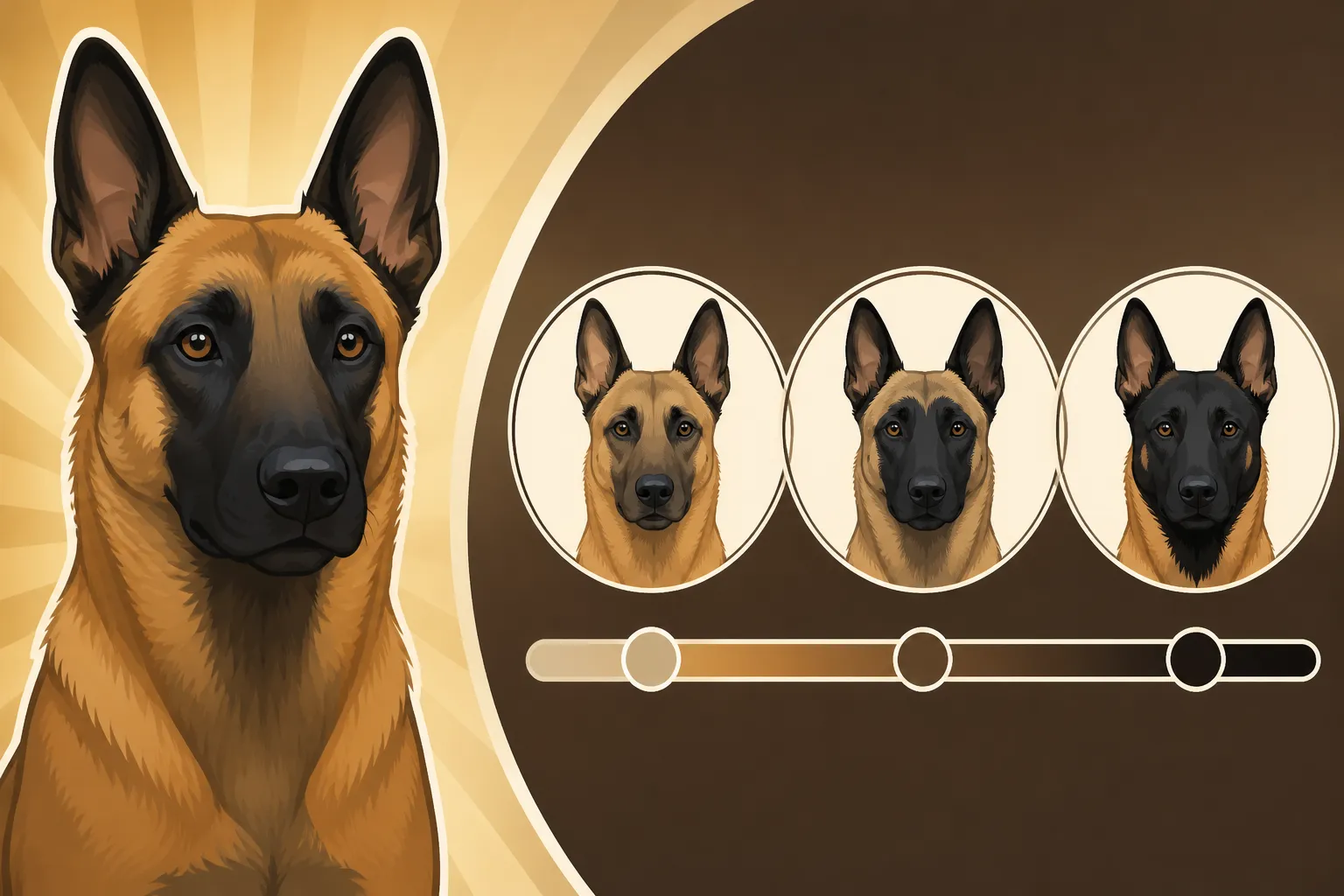
The ideal Malinois mask should be well-defined and cover the muzzle, extending to the corners of the eyes. This dark pigmentation creates a sharp contrast with the lighter fawn, red, or mahogany coat colors, making the eyes pop and emphasizing their intelligent, watchful gaze. You want to see that clear demarcation, not a faded or patchy look. A strong, dark mask contributes to that keen, almost intense, expression that is so characteristic of the breed. It also offers a layer of sun protection, though for dogs with very light eyes or prone to conditions like pannus, additional measures like goggles might be needed, as discussed in Goggles for a Belgian Malinois With Pannus.
Think of it like this: a properly masked Malinois looks like it means business, even when it's just lounging around. The mask enhances the dog's inherent serious demeanor, a trait bred into them for their demanding working roles. It should be black, and the darker the better, without encroaching too far back onto the skull or blending seamlessly into the fawn coat without any clear line. The same goes for the ears; they should typically be dark or black, providing a frame for the face. A Malinois whose mask fades or is incomplete might still be a fantastic dog, but it won't meet the breed standard's aesthetic expectations.
Variations in Malinois Mask Color and Coverage
While there's an ideal, nature rarely produces exact replicas, and you'll see a range of mask variations even within purebred Belgian Malinois. These variations are perfectly normal, though some might be considered more desirable in the show ring than others. It's important to remember that a dog's mask doesn't dictate its working ability or temperament; it's purely a cosmetic feature.
Some Malinois will have what's considered a "heavy" mask, where the black extends further up the muzzle, sometimes even lightly dusting the forehead or cheeks. This can still be acceptable, as long as it doesn't obscure the facial structure or make the dog look like a different variety of Belgian Shepherd. On the other end of the spectrum, you might encounter a "light" mask, where the black is less intense, perhaps a charcoal gray rather than true black, or where it doesn't extend as far back towards the eyes. These lighter masks are less common in competition but don't denote any health or behavioral issues.
Consider puppies: a young Malinois puppy might have a less developed mask that darkens and becomes more defined as they mature. Just like their coat color often deepens from a lighter fawn to a richer mahogany, the mask can intensify over the first year or two. Don't be surprised if a puppy's mask looks a little less striking than its adult counterpart. Environmental factors, like sun exposure, can also play a subtle role. A dog that spends a lot of time outdoors in bright sunlight might experience some lightening of its mask over time, much like human hair can get sun-bleached. This is especially relevant for working dogs that spend Two Hours and a Job a Belgian Malinois Demands Daily outdoors.
Here's a quick look at common mask variations:
| Mask Type | Description | Standard Adherence | Typical Appearance |
|---|---|---|---|
| Ideal Mask | Well-defined, jet black, covers muzzle to eye corners, enhances expression. | Excellent | Sharp contrast, intense gaze. |
| Heavy Mask | Black extends slightly further, sometimes dusting cheeks/forehead. | Acceptable | Muzzle and lower face very dark. |
| Light Mask | Less intense black (charcoal), may not reach eye corners fully. | Acceptable | Softer contrast, less defined lines. |
| Fading Mask | Black pigmentation appears diluted or patchy, especially with age/sun. | Less Desirable | Uneven color, hints of underlying fawn showing. |
| Incomplete Mask | Black is absent in certain areas, e.g., around nostrils or chin. | Less Desirable | Patchy or broken black areas. |
While the ideal is a solid, dark mask, slight variations in shade and coverage are part of the natural diversity within the breed. What's most important is that the dog is healthy and well-suited to its role, whether that's a working partner or a beloved family companion. For anyone asking Whether a Long Coated Malinois Is Purebred, it's a similar principle: physical traits that deviate from the standard can still belong to a purebred dog.
The Role of the Mask in Breed Identification and Health
Beyond aesthetics, the mask plays a crucial role in breed identification and, to a lesser extent, can offer subtle hints about a dog's overall pigmentation. For breeders and judges, the mask is a key feature when evaluating a Belgian Malinois. It helps distinguish them from other similar-looking breeds or mixes. A proper mask, along with the correct coat color (fawn, red, mahogany) and black overlay, confirms the dog's adherence to the breed standard. This contributes to the overall "type" that breeders strive to maintain across generations.
The intensity of the mask is often linked to the overall pigmentation of the dog. Dogs with very rich, dark fawn or mahogany coats tend to have deeper, more pronounced masks, while lighter-coated individuals might have slightly softer masks. This isn't a hard and fast rule, but it's a general observation. Good pigmentation extends beyond just the mask; it also influences the nose leather, eye rims, and lips, which should all be black. A dog with a faded mask might also have lighter eye rims or a less intensely black nose, which could be considered a fault in the show ring. However, for most pet owners, these subtle distinctions are less critical.
For those interested in responsible breeding, understanding the genetic components behind mask coloration can be important. While the exact genetics are complex, a strong, dark mask is generally considered a dominant trait. Responsible breeders will consider not just the parents' masks, but also their pedigrees, to ensure they're producing puppies that meet breed type. They’ll also be mindful of general health and temperament, ensuring they're breeding dogs capable of a long, healthy life, ideally past The Age Most Malinois Live To. This attention to detail is why choosing a reputable breeder is so vital, whether you're looking for a working partner or a family pet. You want a dog that's not only visually appealing but also genetically sound and robust, capable of handling the demands of an active life.
When considering a Belgian Malinois, whether you're bringing home a puppy or adopting an adult, don't let mask variation be a deal-breaker. While a classic, dark mask is undeniably handsome and a hallmark of the breed, a slightly lighter or heavier mask doesn't diminish the dog's intelligence, drive, or loyalty. What truly matters is finding a healthy, well-socialized Malinois whose temperament and energy levels align with your lifestyle. And always remember to consult reputable breeders or rescues for accurate information on breed standards and individual dogs. Products like high-quality kibble from Chewy or specialized training gear can support your Malinois's health and development, regardless of its mask shade. After all, the heart of a Malinois lies in its spirit, not just its striking facial markings.
The Cultural and Aesthetic Impact of the Malinois Mask
The Belgian Malinois mask isn't just a physical trait; it carries a significant cultural and aesthetic weight, particularly in how the breed is perceived. That intense, almost stern, expression created by the dark mask is often associated with the Malinois's working prowess. It projects an image of seriousness, focus, and unwavering dedication, traits that are highly valued in roles like police, military, and protection work. When people see a Malinois, especially one with a striking, well-defined mask, they often immediately associate it with strength, intelligence, and capability. This visual cue contributes to the breed's formidable reputation and recognition as an elite working dog.
Beyond its working image, the mask also plays a role in the breed's general appeal. Many find the contrast between the dark mask and the rich fawn or mahogany coat incredibly beautiful. It adds depth and character to the face, making each Malinois visually distinctive. It's not just about what is "correct" according to a standard; it's about what appeals to the eye. For enthusiasts and casual observers alike, a strong mask is often a point of admiration, accentuating the dog's alert eyes and powerful muzzle.
The way a Malinois’s face is framed by its mask can influence its perceived expression. A dog with a lighter or less defined mask might appear slightly softer or less intense, while a dog with a very dark, encompassing mask might seem more formidable. This isn't to say one is inherently better than the other, but it speaks to the visual impact these variations have. Think of it as a natural contouring that highlights their features. This aesthetic impact is part of what makes the Malinois so popular, not just in working circles but also increasingly among individuals seeking a highly capable and visually impressive companion.
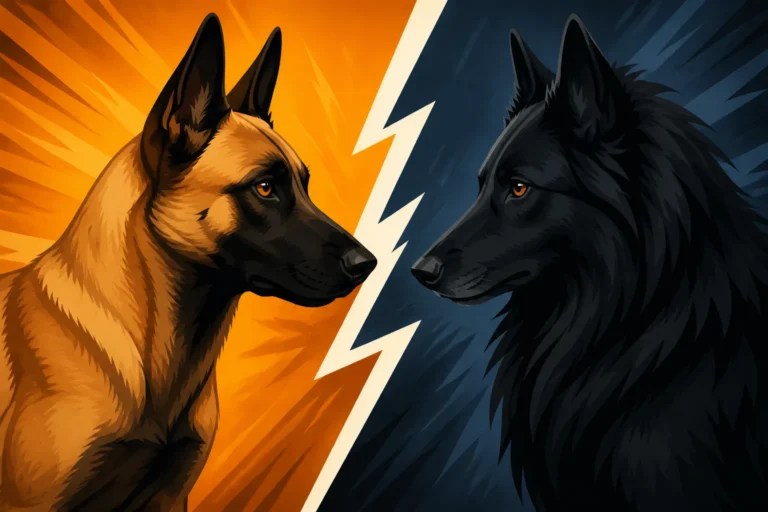
However, this strong visual identity also comes with a responsibility for owners. The intense look, amplified by the mask, can sometimes lead to misconceptions about the breed's temperament, making people assume aggression where there is only alertness. Proper socialization and training, as outlined in Socializing a Belgian Malinois Puppy Safely, are paramount to ensure that the dog's true nature—loyal, intelligent, and driven—shines through, complementing its powerful appearance. Ultimately, while the mask is a beautiful and defining characteristic, it's just one piece of the incredible puzzle that is the Belgian Malinois.
Caring for a Malinois with Different Mask Types
While the mask's color won't change your fundamental care routine for a Malinois, understanding its characteristics can inform some subtle aspects of their health and grooming. For instance, dogs with very light pigmentation, which might sometimes correlate with a less intense mask, could potentially be more sensitive to strong sunlight. This isn't a hard rule, but lighter-colored dogs, in general, can have more sensitive skin or eyes. Ensuring adequate shade during outdoor training, especially in warmer climates, is always a good practice for any Malinois, but particularly for those with lighter pigment. Resources like Keeping a Belgian Malinois Out of Midday Sun offer more insights on sun protection.
When it comes to grooming, the mask itself doesn't require special care beyond the usual facial cleaning. However, the short, dense coat of a Malinois, regardless of mask color, does shed, sometimes quite a bit. Regular brushing will help manage this and keep their coat healthy and shiny. A good quality brush or deshedding tool, readily available at pet stores or from online retailers like Chewy, can make a huge difference in controlling loose hair around the face and body. Even though their coat is short, they still have an undercoat that sheds, especially during seasonal changes, as explored in The Two Week Stretch When a Malinois Drops Coat.
For dogs engaged in bite work or other demanding activities, regular checks of the face and muzzle area are crucial. While not directly related to the mask's color, any cuts, scrapes, or irritations from equipment should be spotted early. The mask area is part of their expressive face and needs to be kept clean and free from injury. After a long session outdoors, particularly in dusty or brushy environments, gently wiping down the face, including the mask, can help prevent irritation.
Ultimately, whether your Malinois sports a jet-black, perfectly defined mask or one with slightly more subtle pigmentation, the core needs remain the same: high-quality nutrition, plenty of appropriate exercise and mental stimulation, consistent training, and regular veterinary care. The mask is a beautiful feature, but it's the healthy, happy, and well-adjusted dog underneath that truly counts.
Disclaimer
This article is for general informational purposes only and does not constitute professional advice. Laws, prices and regulations vary by location and change over time. Consult a qualified professional for guidance on your specific situation.