Whether a Belgian Malinois Was Bred to Bite
Many people look at a Belgian Malinois, especially with their prominent roles in police, military, and protection sports, and assume that they were fundamentally bred to bite. It's a perception that often leads to a lot of unwarranted fear and misunderstanding about the breed, not to mention a crushing amount of pressure on owners who feel their dog is inherently dangerous. This guide aims to clear up that misconception by exploring the true historical purpose of the Belgian Malinois and how their natural drives have been channeled through specialized training, rather than being an original design for biting.
The Historical Roots: A Herding Dog, Not a Biting Machine
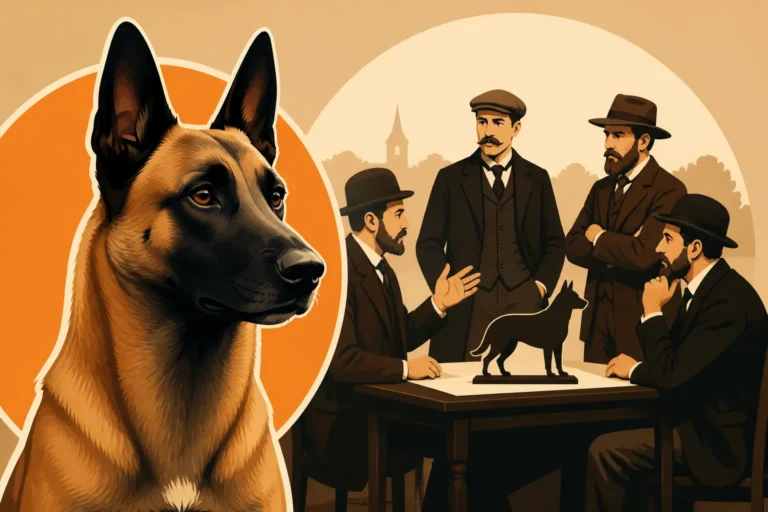
It’s easy to look at a powerful, intense Belgian Malinois and imagine they’ve always been involved in high-stakes protection work. However, their origins tell a very different story. The Belgian Malinois, like its close cousins the Groenendael, Tervuren, and Laekenois, emerged from the working farm dogs of Belgium in the late 19th century. Their primary role was not to apprehend criminals or guard property with aggressive force, but to manage livestock and serve as all-around farmhands.
The Shepherd's Companion in Mechelen
The breed we know as the Malinois specifically hails from the region around Malines (Mechelen in Dutch), where local shepherds and farmers needed intelligent, agile, and tireless dogs. These dogs were selected for their ability to gather, move, and protect sheep and cattle. Their temperament needed to be keen and alert, certainly, but also biddable and responsive to their handlers. They worked side-by-side with humans in open fields and around barnyards, often interacting with other animals and family members. Their inherent qualities were endurance, trainability, and an intense focus on their job, not a predisposition for aggressive biting. You can learn more about their original purpose in The Herding Job the Belgian Malinois Was Built For.
The Drives Essential for Livestock Management
When you observe a Malinois herding, you see an incredible display of natural instincts. They possess a strong prey drive, yes, but it’s channeled into controlling the flock, using their body and presence to move animals. They might nip at heels to direct a stubborn sheep, but this is a far cry from the full-mouth bite grip seen in protection work. This "nipping" is a communication tool, a form of persuasion, born from generations of working livestock without causing injury. Their alertness made them excellent watchdogs, certainly, ready to bark and deter trespassers, but not necessarily engage in a physical confrontation unless absolutely necessary to protect their flock or family. These foundational drives are key to understanding the modern Malinois; they are deeply ingrained, but how they are expressed depends entirely on direction and training.
How the Malinois Became a Protection and Service Dog
The transition of the Belgian Malinois from humble farm dog to elite protection and service animal is a testament to their incredible versatility, intelligence, and intense work ethic. It wasn't that they were bred to bite from the start, but rather that their existing drives and physical capabilities proved exceptionally adaptable to new working demands.
The Transition to Police and Military Work
As urbanization grew and traditional herding roles diminished, the Malinois's innate qualities began to attract the attention of police and military forces in the early 20th century. Their courage, speed, agility, and keen senses made them ideal candidates for patrol, detection, and eventually, protection work. Instead of herding sheep, they began "herding" suspects, using their presence and controlled force when necessary. The natural inclination to chase, engage, and hold onto a moving object – a powerful manifestation of their prey drive – was now refined and directed towards a specific purpose. This wasn't about fundamentally changing the dog, but rather harnessing and shaping existing behaviors. This historical shift is detailed in How the Belgian Malinois Took Over Police Work.
The Specificity of Bite Training and Conditioning
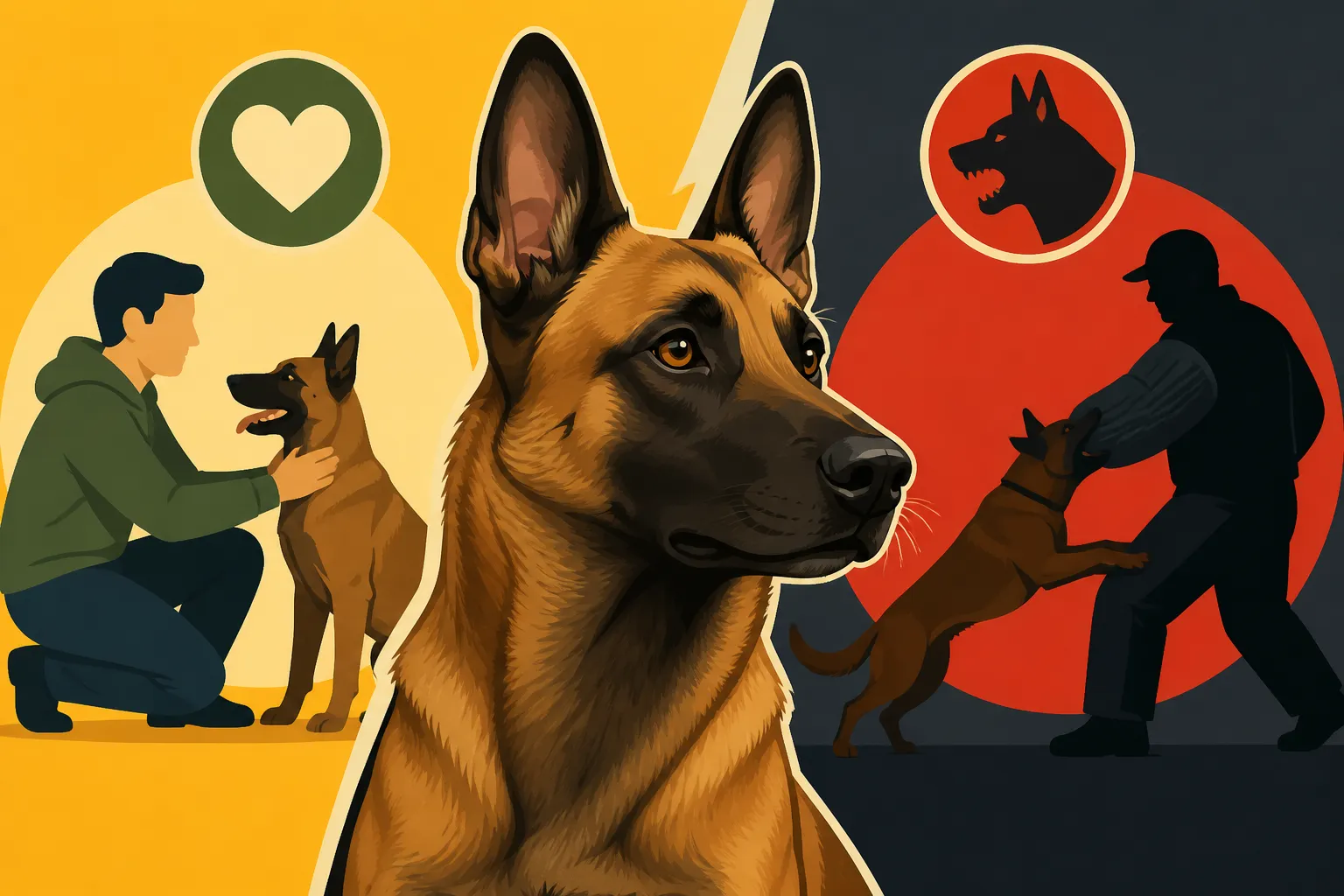
It's crucial to understand that the "bite" capabilities of a modern working Malinois are not simply an automatic, aggressive response. They are the result of highly specialized, meticulous training. Dogs involved in bite sports like IGP (formerly IPO or Schutzhund), Mondioring, or KNPV, or those in law enforcement and military K9 units, undergo extensive conditioning. This training focuses on developing a strong, full-mouth grip, targeting specific equipment (like sleeves or suits), and learning to "out" (release the bite) on command.
This process involves building the dog's confidence, control, and understanding of when and how to engage. It's a carefully orchestrated dance between dog and handler, not a free-for-all. A Malinois involved in this work views the bite sleeve or suit as a high-value toy, an extension of their prey drive, not an actual threat or living being to harm. They are trained to engage a "decoy" (the person wearing the protective gear) as part of a game, with rules and boundaries. You can see how demanding this is by exploring What Bite Sport Actually Asks of a Belgian Malinois. This is why proper engagement with a skilled decoy and a qualified trainer is absolutely paramount; it's about channeling, not instilling aggression.
Understanding the Different "Bites" of a Malinois
When we talk about a Belgian Malinois and biting, it's vital to differentiate between various types of "bites" or mouth behaviors. Lumping them all together as simply "biting" leads to significant confusion and unfair judgments about the breed.
Prey Drive: The Foundation for Object Retrieval and Tug
The most dominant drive in almost every Belgian Malinois is an incredibly strong prey drive. This isn't about desiring to kill or injure; it's the instinct to chase, capture, and possess moving objects. Think of a Malinois launching itself after a ball, a frisbee, or a tug toy. That intense desire to get its mouth on the object, shake it, and carry it is prey drive in action. This is the drive that professional trainers tap into when teaching a Malinois to bite a sleeve. They are making the sleeve the "prey," a reward for the dog's effort.
This drive is so powerful that it often manifests in puppyhood as intense nipping and mouthing, leading many new owners to worry their pup is aggressive. But this is part of The Shark Phase Every Malinois Puppy Goes Through. They are exploring their world with their mouth, just like human babies, but with much sharper teeth and more force! The goal in training is to redirect this natural inclination towards appropriate items, like sturdy chew toys or tugs, which can easily be found on sites like Chewy. This redirection is fundamental; we're teaching them what is and isn't a suitable target for their strong mouth instincts.
Defense and Fight Drive: A Distinct Training Pathway
While prey drive is almost universal, defense drive and fight drive are different and are carefully selected for in specialized working lines. Defense drive is a response to perceived threat or pressure, often manifesting as barking, growling, or lunging to create distance. Fight drive is a more intense, sometimes confrontational response, where the dog stands its ground or even engages directly. These drives are not typically inherent in a way that makes every Malinois a danger; rather, they are complex psychological components that are either present in varying degrees or are specifically developed through highly specialized training for roles where they are absolutely necessary.
It's a misconception that a Malinois is "aggressive" simply because it has these drives. A well-trained working Malinois is taught control above all else. They learn to switch these drives on and off, to engage only on command, and to release instantly. An uncontrolled dog, regardless of breed, is a problem. But in a Malinois, these specific drives are harnessed for purpose, not left unchecked. This is the difference between a potentially dangerous animal and a highly effective, controlled working partner. Without this nuanced understanding, it’s easy to misunderstand Whether Bite Work Makes a Belgian Malinois Dangerous.
Responsible Management of a Malinois's Mouth and Drives
Given the Malinois's powerful drives and natural use of their mouth, responsible ownership is not just recommended, it’s absolutely critical. This isn't a breed for the faint of heart or the inexperienced, as their intensity requires a dedicated and knowledgeable handler.
Early Socialization and Puppy Nipping Instincts
The moment a Belgian Malinois puppy comes home, typically around 8-10 weeks, you'll witness their strong oral tendencies firsthand. They will want to put their mouth on everything – your hands, your clothes, furniture, other pets. This isn't aggression; it's normal puppy behavior amplified by their breed's inherent drives. The key is consistent, early intervention and redirection. Providing appropriate chew toys, engaging in structured play with tugs, and teaching bite inhibition are paramount.
When a puppy nips too hard, a sharp "yelp" from you, followed by a brief time-out, can teach them about pressure. Redirecting them onto a sturdy chew toy from Chewy is a great way to satisfy their oral fixation. Never encourage them to bite or tug on human skin or clothing. Proper socialization with various people, sounds, and environments, all under careful supervision, is also vital to ensure they grow into a confident, well-adjusted adult. For more on this stage, check out Redirecting a Biting Malinois Puppy Onto a Toy.
Structured Training and the "Out" Command
For a Belgian Malinois, training isn't just about obedience; it's about control and communication, especially concerning their mouth. The "out" or "leave it" command, teaching them to immediately release whatever is in their mouth, is one of the most important commands a Malinois will ever learn. This command should be practiced relentlessly, starting with toys and progressing to more challenging scenarios. This control is essential whether your Malinois is a pet or a high-level sport dog.
A well-trained Malinois understands that their mouth is a tool to be used only with permission. This is Building an Off Switch Into a Belgian Malinois, teaching them to relax and disengage when the work is done. This breed thrives on structure and clear expectations. Without it, their powerful drives can become a liability rather than an asset. Consistently working on commands like "out" ensures that even if they do grab something inappropriate, you have a reliable way to get them to release it safely. Detailed guidance on teaching this vital command can be found in Teaching a Belgian Malinois to Out.
The Public Perception and Owner Responsibility
Unfortunately, the Belgian Malinois often carries a reputation that precedes it, largely due to its intense appearance and roles in protection. This perception means that Malinois owners bear a heavier burden of responsibility than many other dog owners. You are an ambassador for the breed, and your dog's behavior in public directly impacts how others view Malinois. Understanding The Reputation a Belgian Malinois Carries in Public is critical.
This responsibility means maintaining impeccable leash manners, ensuring your dog is always under control, and being proactive about management in public spaces. It also means educating yourself and others about the breed's true nature – that their impressive "bite" is a product of sophisticated training and channeled instinct, not inherent aggression. The choice to engage in bite work or any protection sport should never be taken lightly; it requires immense dedication, financial investment, and a deep understanding of canine behavior and safety protocols. For many pet homes, focusing on alternative outlets for their drives, like agility, scent work, or advanced obedience, is a far more appropriate and fulfilling path, as detailed in Whether a Belgian Malinois Needs Bite Work to Be Fulfilled.
Here's a comparison of natural Malinois characteristics versus those specifically developed through training:
| Characteristic/Behavior | Innate Malinois Trait (Herding Dog) | Trained Malinois Behavior (Protection/Sport Dog) |
|---|---|---|
| Mouth Use/Biting | Nipping at heels (livestock), mouthing (puppy) | Full, strong grip on target (sleeve/suit) |
| Prey Drive | High; desire to chase, capture, possess objects | Channeled for bite work, retrieve, detection |
| Protective Instincts | Watchdog; alert barking, territorial awareness | Active defense, engagement on command, apprehension |
| Focus & Intensity | High; sustained attention to tasks | Extreme focus on handler & target, high arousal |
| Engagement | Problem-solving, working alongside handler | Decoy engagement, threat assessment |
| Control | Biddable, responsive to commands (herding) | Precision control, "out" on command, specific targets |
| Motivation | Praise, food, toy rewards, working instinct | Very high toy/prey drive, handler praise, success |
Ultimately, a Belgian Malinois was not "bred to bite" in the same way a bulldog was bred for bull-baiting. Instead, they were bred for intense drive, intelligence, and a formidable work ethic, qualities that can be channeled into highly specific and controlled bite work through dedicated, specialized training.
Disclaimer
This article is for general informational purposes only and does not constitute professional advice. Laws, prices and regulations vary by location and change over time. Consult a qualified professional for guidance on your specific situation.