Distinguishing Malinois Ataxia From an Injury
It’s truly unsettling to watch your Belgian Malinois, a breed synonymous with agility and precise movement, suddenly develop an unsteady gait or appear uncoordinated. Your heart sinks as you wonder what could be wrong – is it a freak accident from a hard landing in training, or something more insidious, like a neurological issue? This guide is here to walk you through the crucial differences between Malinois ataxia and various injuries, helping you understand the signs so you can get your incredible companion the right care quickly.
Understanding Malinois Ataxia: A Neurological Puzzle
When your Malinois starts to display symptoms of unsteadiness, one of the more concerning possibilities, especially in this breed, is ataxia. This isn't just about being clumsy; ataxia refers to a lack of voluntary coordination of muscle movements, and it's almost always indicative of an underlying neurological issue. For Belgian Malinois, there’s a specific inherited form that owners and breeders need to be acutely aware of.
What is Malinois Ataxia and How Does It Present?
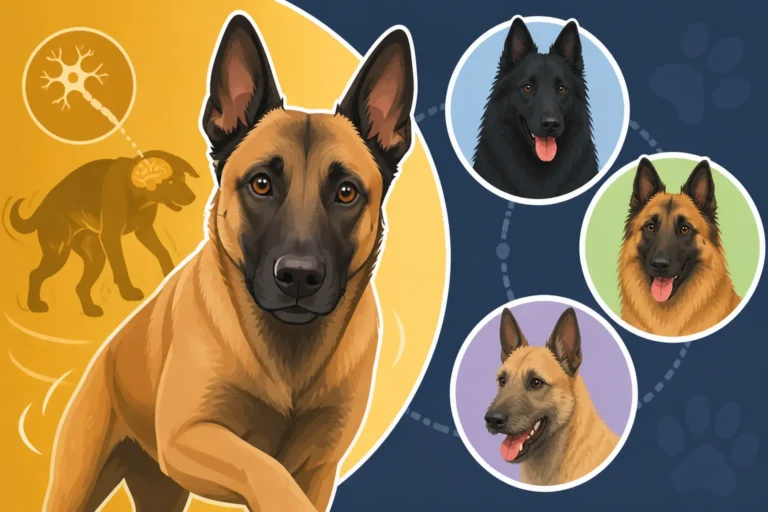
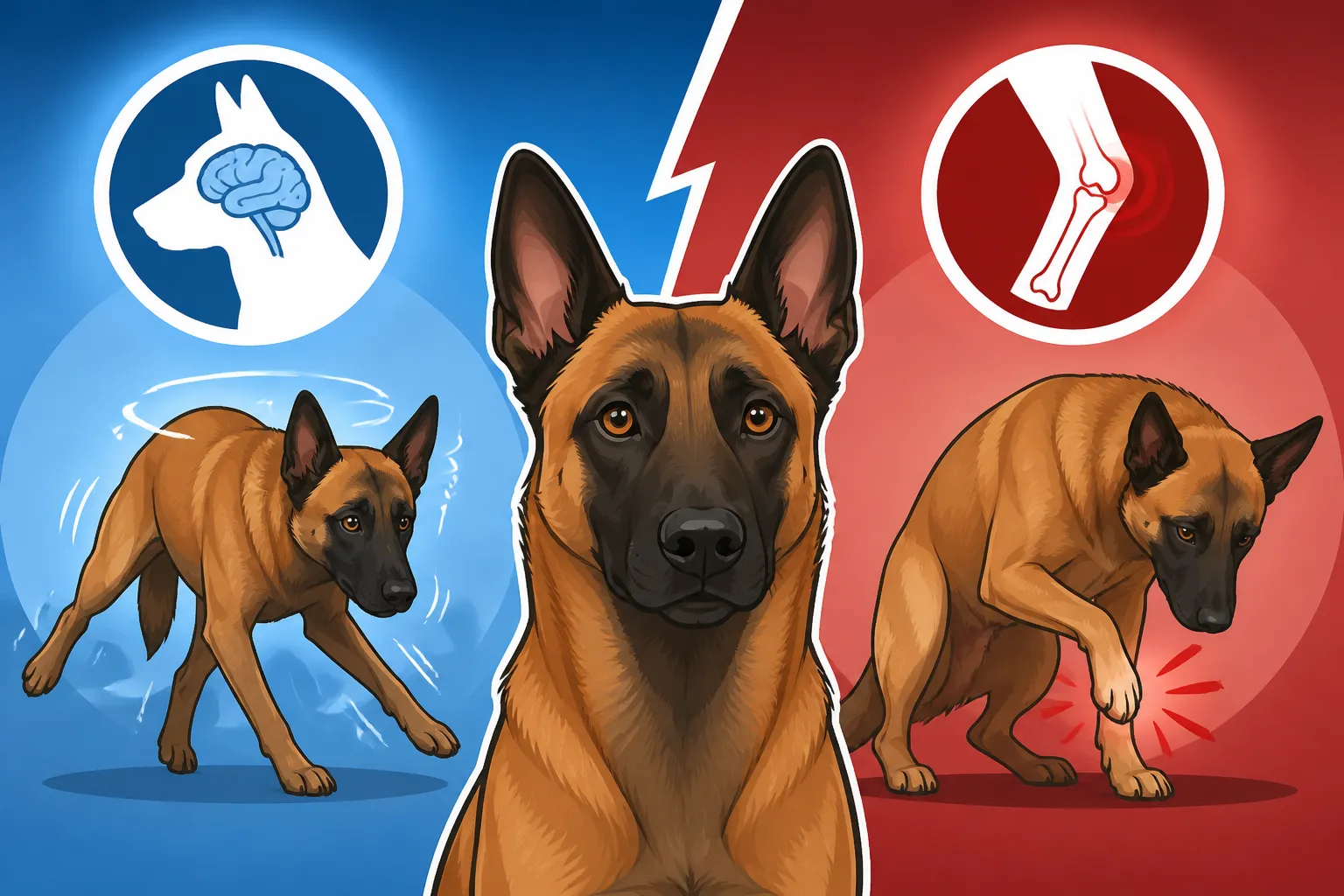
Malinois ataxia is a progressive neurological disease that directly impacts a dog's coordination, balance, and fine motor control. Unlike a sprain or a fracture that causes pain, ataxia itself isn't typically painful. Instead, it manifests as a series of symptoms that worsen over time, primarily affecting the dog's ability to move smoothly and purposefully. You might notice a distinctive "drunken" or wobbly walk, especially in the hindquarters initially, but it can affect all four limbs. They might struggle with stairs, stumble on uneven ground, or have difficulty judging distances when stepping.
The onset of Malinois ataxia usually occurs in puppyhood or early adulthood, often between three months and three years of age. A young Malinois that you expect to be a whirlwind of coordinated energy might instead show subtle signs of incoordination that gradually become more pronounced. Owners often describe their dogs as looking "off," or having a peculiar swaying motion when standing still. It's a cruel condition because it slowly strips away the very athleticism that defines the breed.
The Genetic Basis of Ataxia in Belgian Malinois
The reason Malinois ataxia is such a breed-specific concern lies in its genetic roots. Researchers have identified two primary genetic mutations responsible for this condition, known as SDCA1 (Spinocerebellar Degeneration with Ataxia 1) and SDCA2. These aren't just obscure scientific terms; they represent specific flaws in your dog's DNA that interfere with the normal function of their nervous system, particularly the cerebellum and spinal cord, which are critical for coordination.
SDCA1, for instance, is linked to a defect in a potassium channel gene, which plays a vital role in nerve impulse transmission. If you're looking into a puppy's lineage, or if your adult dog starts showing signs, understanding these genetic markers is paramount. Responsible breeders will routinely test their breeding stock for these genes. Knowing your dog’s genetic status can help you understand if what you're seeing is indeed ataxia or if you should be looking at other causes. You can delve deeper into The Two Ataxia Genes Belgian Malinois Are Tested For to fully grasp the genetic intricacies. If your Malinois is diagnosed with ataxia, or if you're a prospective owner, knowing about Testing a Belgian Malinois for SDCA1 and SDCA2 is an absolute must, as it can offer crucial insights into the condition and potential management.
Recognizing Signs of Injury in a Malinois
A Belgian Malinois is a powerhouse of a dog, built for demanding jobs and high-octane activities. With all that energy and athleticism, injuries are, unfortunately, a common part of life for many Malinois. Distinguishing these from ataxia relies heavily on understanding the nature of pain and localized physical trauma.
Common Malinois Injuries and Their Presentation
Given their active lifestyles, Malinois are prone to a range of orthopedic and soft tissue injuries. Think about it: they jump, they bite, they run at incredible speeds, and they often do it on various terrains. This naturally puts immense stress on their joints, ligaments, muscles, and bones.
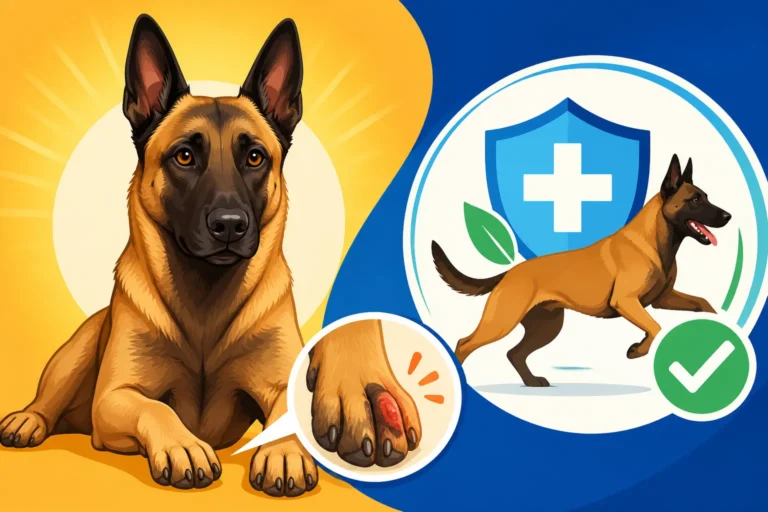
- Limping or Lameness: This is often the most obvious sign of an injury. Unlike the generalized incoordination of ataxia, a dog with an injury will usually favor a specific limb, putting less weight on it or refusing to use it altogether. The limp might be subtle at first, especially if the dog is high-drive and trying to "work through" the pain, but it will become more pronounced as the injury worsens or after rest.
- Pain Response: This is a key differentiator. A Malinois with an injury will typically show signs of pain. This could be anything from vocalizing when touched in a certain area, flinching, guarding the injured limb, to outright aggression if you try to examine it. They might also appear restless, unable to get comfortable, or pant excessively.
- Swelling, Heat, or Bruising: Depending on the type and location of the injury, you might be able to see or feel physical changes. Swelling around a joint, warmth to the touch, or even visible bruising can all point directly to an injury site.
- Sudden Onset: Many injuries, especially acute ones, have a clear, sudden onset. Your dog might have been fine one minute, then let out a yelp after a bad jump, and immediately started limping. This contrasts with ataxia, which typically has a more gradual, progressive onset, as seen in The First Signs of Ataxia in a Malinois Puppy.
Common injuries we see in this breed include torn cruciate ligaments (often from sudden stops or twists), sprains and strains in various joints like the hocks or wrists, shoulder injuries (especially from impact during decoy work or agility), or even fractured bones from significant trauma. Problems like The Shifting Limp in a Six Month Malinois can often be indicative of an injury or developmental orthopedic issue rather than ataxia. If your dog is involved in bite sports, they are particularly susceptible to Shoulder Injuries a Malinois Takes From Decoy Work due to the repetitive stress and impact.
Acute vs. Chronic Injury Manifestations
It’s also important to consider the timeline and nature of the injury.
- Acute Injuries: These are sudden and often result from a specific traumatic event. A slip on ice, a hard fall, a collision with another dog, or a misstep during an agility run can lead to an acute injury. The symptoms are usually immediate and severe, with clear pain and lameness. Your Malinois might be completely fine before the incident, then suddenly unable to put weight on a leg.
- Chronic Injuries: These develop over time, often due to repetitive strain, underlying conditions like arthritis, or poorly healed past injuries. You might notice a more gradual onset of stiffness, a subtle limp that comes and goes, or a decreased willingness to engage in activities they once loved. Arthritis, for example, might cause stiffness after rest, especially in colder weather, but doesn't necessarily present with the same acute pain as a fresh tear. Conditions like Neck Instability in a Belgian Malinois can develop gradually, causing intermittent lameness or neurological signs that might initially confuse owners, but these are typically still pain-related and localized.
Observing the context of the lameness – whether it appeared suddenly after a specific event, or has been subtly worsening over weeks or months – is a critical piece of the diagnostic puzzle.
Key Differentiating Factors and Diagnostic Steps
When your Malinois is showing signs of discomfort or incoordination, the first step is always a prompt veterinary visit. However, understanding the distinctions can help you communicate more effectively with your vet and advocate for the right diagnostic path.
Behavioral and Physical Clues: Ataxia vs. Injury
Here's a breakdown of the key differences you might observe, helping you and your vet narrow down the possibilities:
| Feature | Malinois Ataxia | Injury (e.g., Sprain, Tear, Fracture) |
|---|---|---|
| Onset | Gradual, progressive worsening over weeks/months | Often sudden, tied to a specific event or activity |
| Pain | Typically absent (neurological deficit, not pain) | Present, often acute and localized |
| Symmetry | Often affects multiple limbs, can be symmetrical | Usually localized to one limb or body part |
| Gait | Uncoordinated, wobbly, drunken, stumbling | Limping, favoring a limb, refusing to bear weight |
| Physical Signs | No visible swelling, heat, or bruising | May have visible swelling, heat, bruising, tenderness |
| Progression | Tends to worsen over time, no improvement without intervention | May improve with rest, worsen with activity, or stabilize |
| Mental State | Alert, often confused by their own body's movements | May be distressed, guarding, panting, restless |
| Proprioception | Impaired (dog doesn't know where its feet are) | Generally intact (unless nerve damage is also present) |
Proprioception is a particularly telling sign. This is the body's ability to sense its position and movement. A vet can test this by flipping a paw over so the knuckles are on the ground. A normal dog will immediately correct it. A dog with ataxia will either be slow to correct it or won't correct it at all, indicating a neurological deficit. This lack of awareness of their limb position is classic for ataxia, whereas an injured dog might pull their paw away due to pain, but they generally still know where it is.
The Diagnostic Process: Getting Answers
Once you notice any suspicious symptoms, it’s imperative to get your Malinois to the vet without delay. They will conduct a thorough physical examination, which includes:
- Orthopedic Examination: This involves palpating joints, checking for range of motion, assessing stability, and looking for signs of pain, swelling, or heat. Your vet will watch your dog walk, trot, and turn to assess for lameness.
- Neurological Examination: This is where they specifically look for signs of neurological dysfunction. This includes assessing gait, balance, reflexes, muscle tone, and proprioception. They might also check for nystagmus (involuntary eye movements) or other cranial nerve deficits.
Based on these initial findings, your vet may recommend further diagnostics:
- Radiographs (X-rays): These are excellent for visualizing bones and joints. They can identify fractures, dislocations, signs of arthritis, or other orthopedic abnormalities. X-rays are crucial for ruling out many injuries.
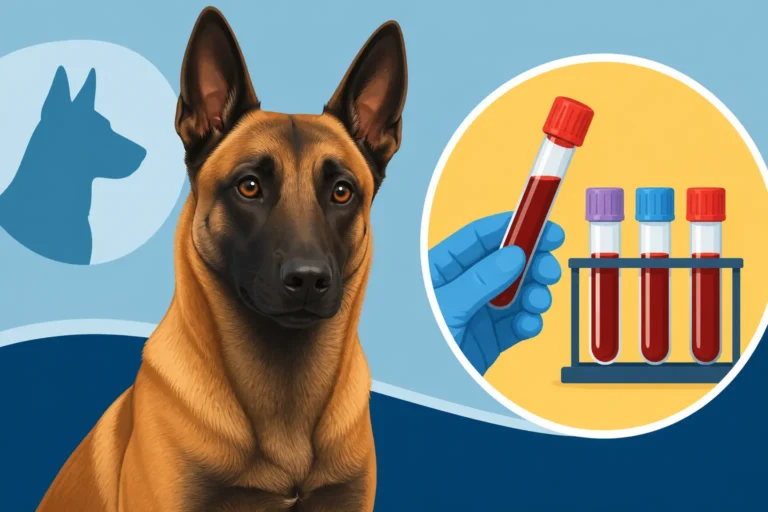
- Genetic Testing: If ataxia is suspected, a simple DNA test, usually a cheek swab or blood sample, can confirm the presence of the SDCA1 and SDCA2 genes. This is the definitive diagnostic for inherited Malinois ataxia. Many owners find it reassuring to have this test done even before symptoms appear, especially if they are concerned about the specific gene, which can be further understood by learning about The Potassium Channel Gene Behind Malinois Ataxia.
- Advanced Imaging (MRI/CT Scans): If neurological signs are present but ataxia genes are negative, or if a spinal injury is suspected, an MRI (Magnetic Resonance Imaging) or CT (Computed Tomography) scan may be recommended. These provide detailed images of soft tissues like the brain, spinal cord, nerves, and ligaments, helping to identify herniated discs, tumors, or other neurological conditions. While these can be costly, understanding What Diagnosing a Malinois's Seizures Costs might give you an idea of the expense involved in such advanced neurological diagnostics.
- Consultation with Specialists: Your primary vet may refer you to a board-certified veterinary neurologist or orthopedic surgeon for specialized diagnostics and treatment plans. They have advanced training and equipment to pinpoint complex issues.
Receiving a diagnosis can be emotionally tough, especially if it points to a chronic or progressive condition. This is where pet insurance, like a plan from Healthy Paws, can be an invaluable resource. Knowing that a significant portion of diagnostic tests, specialist consultations, and ongoing treatments could be covered can alleviate a tremendous amount of financial stress during an already difficult time.
What to Do When You Notice Symptoms
Finding your high-drive Belgian Malinois struggling with movement is alarming. Your immediate actions can make a real difference in their prognosis and comfort.
Immediate Steps for Owners
The moment you observe any unsteadiness, limping, or signs of pain in your Malinois, don't delay. Here’s a pragmatic approach to take:
- Stay Calm but Act Swiftly: Your dog will pick up on your anxiety. Take a deep breath, but understand that time can be critical, especially with acute injuries or rapidly progressing neurological issues.
- Restrict Activity: This is paramount. Prevent your Malinois from running, jumping, or engaging in strenuous play. Leash walks for bathroom breaks only, or even strict crate rest, might be necessary until you've seen a vet. Continuing to exercise an injured dog can worsen the damage, and an ataxic dog could fall and injure themselves further.
- Document Everything: Take videos of your dog's gait, especially when they are exhibiting the most pronounced symptoms. Note when the symptoms started, what activities preceded them, and if they seem to worsen or improve at certain times of day or with activity. This information is gold for your vet.
- Contact Your Veterinarian: Call your vet’s office immediately to schedule an appointment. Be clear about the symptoms you're observing. If your Malinois seems to be in severe pain or completely unable to use a limb, it might warrant an emergency visit.
- Avoid Self-Medicating: Do not give your dog human pain relievers or any medications not prescribed by your vet. Many human medications are toxic to dogs, and even canine-specific pain relievers should only be used under veterinary guidance, as they can mask symptoms crucial for diagnosis.
Remember, a prompt diagnosis often leads to a better outcome, whether it's through surgical intervention for an injury, medication for pain management, or a tailored plan to support a dog with ataxia.
Long-Term Management and Outlook
The path forward for your Malinois depends entirely on the diagnosis.
- For Injuries: Recovery from injuries like cruciate tears or fractures often involves a combination of rest, pain medication, anti-inflammatory drugs, and sometimes surgery. Physical therapy and rehabilitation, which can involve underwater treadmills or specific exercises, are often crucial for regaining strength and mobility. Knowing Physical Therapy Prices for a Belgian Malinois can help you plan for these expenses. The good news is that with proper care, many Malinois make a full recovery and can return to their active lives, albeit sometimes with modifications.
- For Ataxia: If the diagnosis is Malinois ataxia, the outlook is different. Because it's a progressive neurological disease, there is currently no cure. Management focuses on slowing progression and maintaining the best possible quality of life. This can involve supportive care, environmental modifications (e.g., non-slip rugs, ramps), and sometimes medications to help with secondary symptoms. For some, a genetic condition like ataxia raises questions about other related issues, such as Whether a Malinois Should Be DNA Tested for Myelopathy, which is another serious neurological condition. While genetic testing helps with diagnosis and breeding decisions, it doesn't offer a direct cure for the affected individual.
Both injury and ataxia can incur significant veterinary costs, from initial diagnostics to long-term care and rehabilitation. This is where a robust pet insurance policy, such as those offered by Healthy Paws, proves invaluable. It can provide peace of mind, allowing you to focus on getting your Malinois the best possible treatment without the added burden of overwhelming financial stress. Whether it's covering emergency surgery for a torn ligament or helping with specialist visits and ongoing medications for a neurological condition, pet insurance can be a true lifeline for Malinois owners. The emotional toll of caring for a dog with either condition is substantial, and having financial support can make a world of difference.
Disclaimer
The information provided in this guide is intended for general knowledge and informational purposes only, and does not constitute veterinary advice. Always consult with a qualified veterinarian for any health concerns or before making any decisions about your pet's medical care.