Whether a Malinois With Pannus Should Work Outdoors
It’s a truly tough pill to swallow when your high-octane Belgian Malinois, a dog bred for relentless work and endless drive, develops a condition like pannus. For owners whose lives revolve around training and trialing their magnificent partners, the diagnosis brings a crushing question: Can my Malinois with pannus still work outdoors? The thought of sidelining a dog that lives to perform is heartbreaking, and this guide aims to offer realistic, in-depth advice on navigating the complexities of keeping a Malinois with pannus engaged and healthy while considering their working life.
Understanding Pannus and Its Outdoor Triggers
Pannus, or Chronic Superficial Keratitis, is an immune-mediated eye condition that many Belgian Malinois owners unfortunately become intimately familiar with. It's not just an inconvenience; it's a progressive, potentially blinding disease that requires lifelong management. For a working dog, especially one that thrives in outdoor environments, understanding its triggers is paramount to making informed decisions about their activity levels and environment.
What Pannus Is and Why It's a Concern
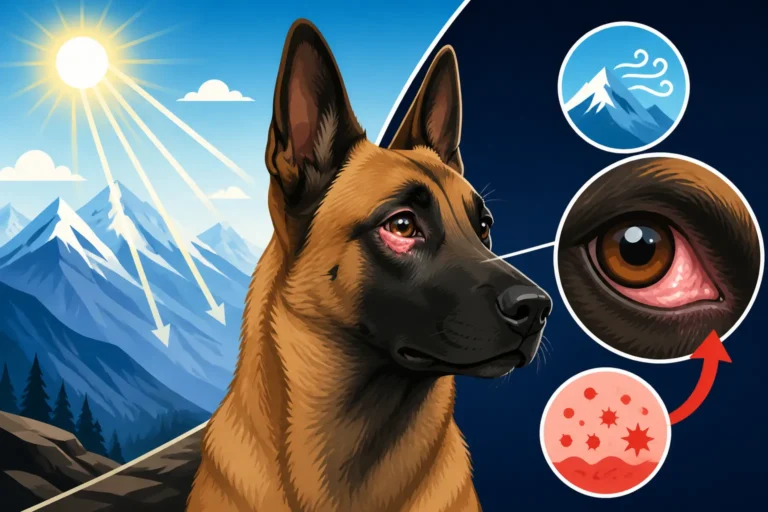
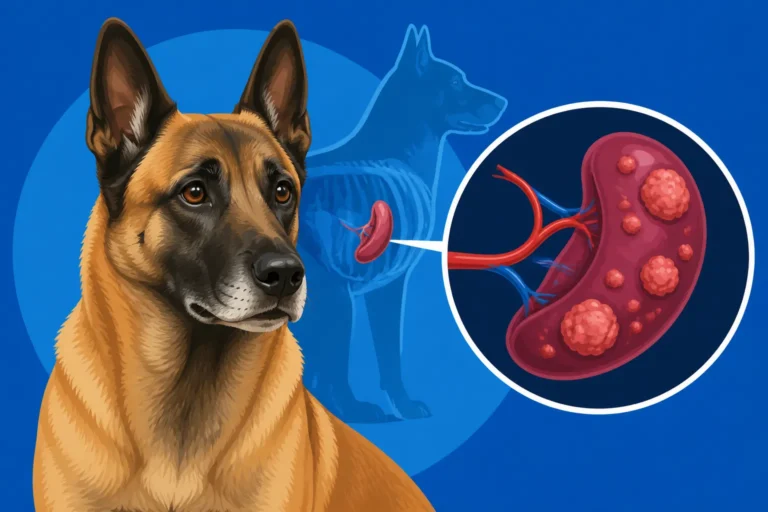
Pannus manifests as an inflammatory lesion of the cornea and/or nictitating membrane (the third eyelid). You might first notice a reddish or grayish film starting to creep across the surface of your Malinois's eye. This isn't just a cosmetic issue; it's an invasion of blood vessels and pigment into the clear corneal tissue. Left untreated, this pigment can thicken and spread, eventually obscuring vision entirely. The immune system mistakenly attacks the corneal tissue, and certain environmental factors are known to exacerbate this response. For a dog like a Malinois, whose career often depends on acute vision—whether tracking, detecting, or performing protection work—this condition can be devastating, impacting their ability to gauge distances, track scent, and react precisely. The concern isn't just comfort; it's about preserving their working capacity and quality of life.
The Impact of Sunlight and Environment
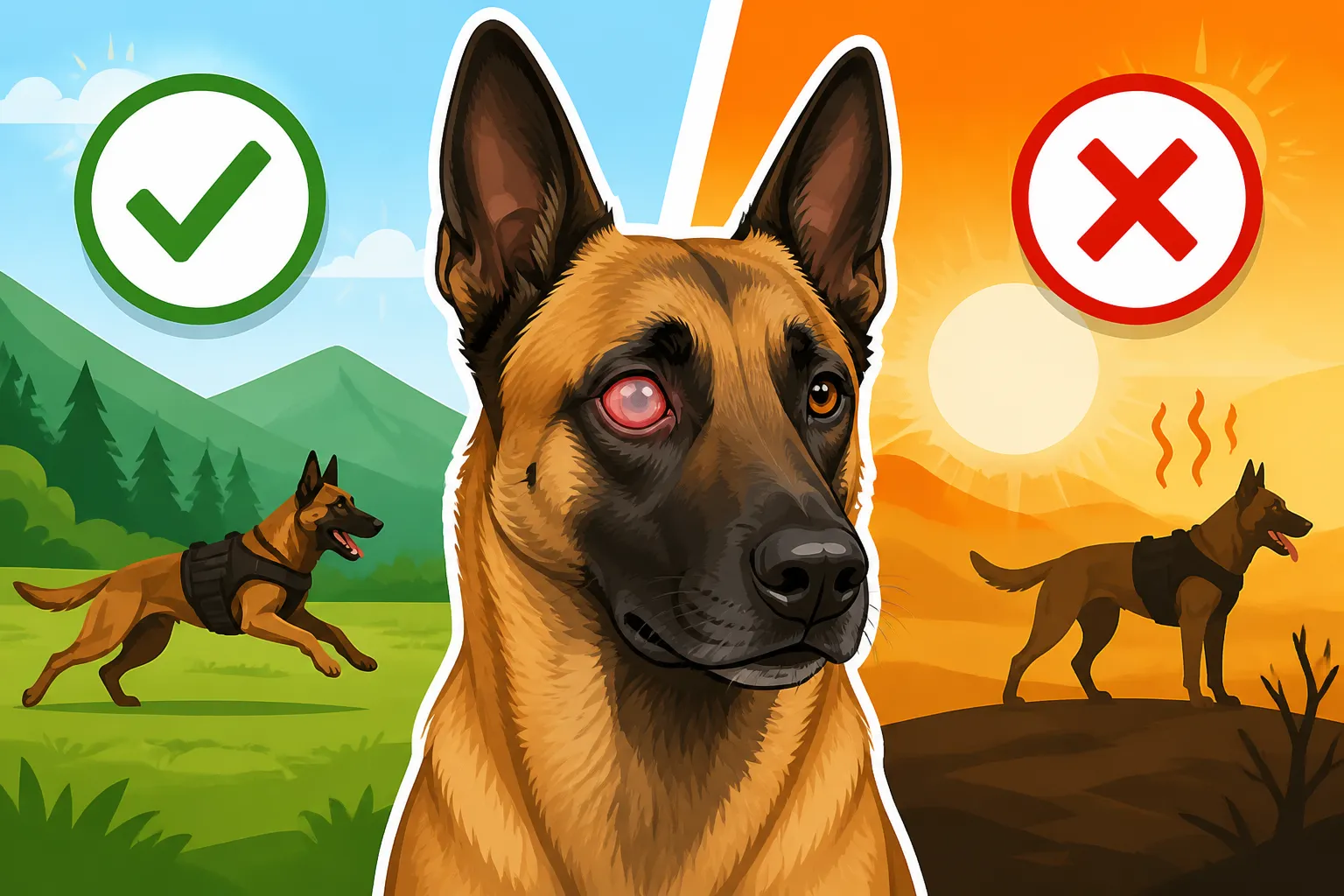
Here's where the outdoors become a double-edged sword for a Malinois with pannus. The primary environmental trigger for pannus flare-ups and progression is ultraviolet (UV) radiation, primarily from sunlight. Think of it like a severe sunburn on the eye. High altitudes, where UV exposure is naturally more intense, and environments with reflective surfaces like snow or water, can dramatically worsen the condition. This is why you might hear discussions about Why Altitude Makes a Malinois's Pannus Worse. Beyond direct UV, other outdoor elements like dust, wind, pollen, and even extreme temperatures can act as irritants, causing secondary inflammation that can further stress an already compromised eye. A Malinois working in an arid, dusty training field under a bright sun faces a relentless assault on its eyes. It’s a harsh reality that the very environments our Malinois love the most often pose the greatest threat to their eye health once pannus sets in.
Assessing the Risk of Outdoor Work for a Malinois With Pannus
Determining whether your Malinois can continue working outdoors isn't a simple yes or no answer. It requires a careful assessment of various risk factors and a frank discussion with your veterinary ophthalmologist. Every dog is different, and what one Malinois can tolerate, another cannot. The key is to minimize exacerbating factors while maximizing their protective measures.
Direct Sunlight Exposure
Direct sunlight is the primary culprit. When your Malinois is outside, especially during peak UV hours (typically 10 AM to 4 PM), their eyes are bombarded with radiation that fuels the progression of pannus. This isn't just about sunny days; even overcast days still allow significant UV penetration. Imagine your dog tracking in an open field, head down, eyes exposed to the intense reflection from the ground, or doing bite work with their head up, staring into the bright sky. These scenarios represent high-risk exposure. Owners must consider not just the duration but the intensity of the exposure. A quick potty break in the shade is vastly different from an hour-long training session in direct, midday sun. The location matters too; living in a sunny, high-altitude region like Colorado or Arizona presents a far greater challenge than a more temperate, often cloudy area. It's a constant calculation of risk versus benefit.
Dust, Wind, and Other Irritants
Beyond UV light, the physical environment itself poses threats. Dust, fine sand, pollen, and even strong winds can irritate already sensitive eyes, potentially causing corneal abrasions or introducing allergens that trigger further inflammation. Picture a Malinois working on a dry, dirt-packed agility field, kicking up dust with every turn, or a detection dog with their nose to the ground in a grassy, pollen-heavy area. These particulates can get trapped under the eyelids, causing discomfort and redness, which in turn can exacerbate the immune response associated with pannus. Furthermore, chemicals used in lawn treatments, road salts, or even strong cleaning agents in outdoor kennels could inadvertently become airborne irritants. It's not just the big, obvious threats; it's the cumulative effect of daily environmental challenges that can wear down an affected eye. This is a critical factor when considering Rinsing Dust From a Working Malinois's Eyes after outdoor sessions.
Heat Stress and Overall Health
A Malinois is a powerhouse, often pushing themselves to the brink. Working outdoors, especially in warmer climates, places significant demands on their entire system. For a dog managing a chronic condition like pannus, heat stress can indirectly impact eye health. Dehydration or overheating can lead to dry eyes, which can be more susceptible to irritation and inflammation. A dog that is already physically taxed might also have a slightly suppressed immune system, making them less resilient to flare-ups. Moreover, if your Malinois is on daily medications for pannus, some systemic medications might have side effects that interact with heat tolerance, or the act of administering daily eye drops might be more challenging if the dog is already uncomfortable from heat. It's a holistic view of the dog's well-being; a healthy, comfortable Malinois is better equipped to manage their pannus than one struggling with multiple environmental stressors.
Strategies for Managing Outdoor Work With Pannus
The good news is that a pannus diagnosis doesn't automatically mean the end of an outdoor working career for your Malinois. It does, however, mean a significant shift in management and a commitment to proactive care. The goal is always to reduce exposure to triggers while maintaining their quality of life and working drive.
Protective Gear and Environmental Adjustments
This is where innovation and dedication come into play. The most effective way to combat UV exposure is physical blockage.
- Doggles/Protective Eyewear: High-quality doggles are often recommended by veterinary ophthalmologists. Brands like Doggles or Rex Specs offer UV-protective lenses designed to fit a dog's head securely. Getting a Malinois to accept goggles can be a training challenge, especially for one that’s never worn them. Start slow, with positive reinforcement, pairing the goggles with high-value treats and short durations. Consistency is key. It's a process to get them comfortable with Goggles for a Belgian Malinois With Pannus, but it can be a game-changer.
- Visors/Hats: For dogs that absolutely refuse goggles, a brimmed visor or hat might offer some overhead shade, though it won't block side or reflective UV.
- Shade Management: If training outdoors, prioritize shaded areas. Work earlier in the morning or later in the evening when UV index is lower. Consider portable shade structures or setting up training stations under trees or overhangs. For a dog that spends time in an outdoor kennel, ensuring adequate, continuous shade throughout the day is non-negotiable. This aligns with advice on Shade Routines for a Light Sensitive Belgian Malinois.
- Surface Selection: Whenever possible, avoid working on highly reflective surfaces like sand, light-colored concrete, or snow during peak sun hours. If you must, ensure superior eye protection.
Medication and Veterinary Oversight
Lifelong medication is the cornerstone of managing pannus. This typically involves daily, sometimes twice-daily, eye drops.
- Immunosuppressant Eye Drops: The most common treatments are topical corticosteroids (like prednisone acetate) and topical cyclosporine (like Optimmune or Tacrolimus). These medications work to suppress the localized immune response in the eye, reducing inflammation and slowing the progression of pigmentation and vascularization. Consistency is absolutely critical for these drops. Missing doses can lead to flare-ups and undo progress. It can be a challenge with a high-drive Malinois to administer Daily Eye Drops for a Malinois With Pannus, especially if they are squirmy or head-shy.
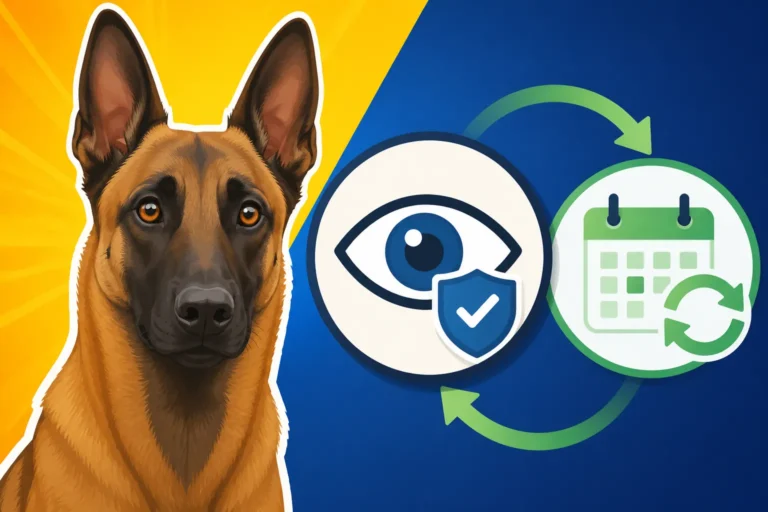
- Regular Veterinary Ophthalmology Check-ups: These are not optional. Your veterinary ophthalmologist will monitor the progression of the disease, assess the effectiveness of medication, and adjust dosages as needed. They can also detect early signs of secondary issues, such as dry eye, which can sometimes accompany pannus or be exacerbated by certain medications. They might use specialized dyes and lights to examine the cornea, tracking pigmentation and vascularization levels.
- Proactive Management: Don't wait for a flare-up. Maintain the medication schedule diligently. If you notice any increase in redness, cloudiness, or discomfort, contact your vet immediately. Early intervention can prevent significant setbacks. When dealing with ongoing medical costs, it's worth noting that pet insurance providers like Healthy Paws can offer significant relief by covering a portion of these lifelong expenses.
| Strategy Component | Purpose | Key Considerations |
|---|---|---|
| Protective Doggles/Eyewear | Block UV radiation | Training for acceptance, proper fit, regular cleaning, impact on peripheral vision. |
| Shade Management | Reduce direct sun exposure | Timing outdoor activities, utilizing natural/artificial shade, portability for training in different locations. |
| Surface Choice | Minimize reflective UV and irritants | Avoiding bright, reflective surfaces; choosing grass or darker soil; reducing dust. |
| Daily Eye Drops | Suppress immune response, control inflammation | Strict adherence to schedule, proper administration technique, medication type (corticosteroids, cyclosporine). |
| Regular Vet Check-ups | Monitor disease, adjust treatment | Frequency of visits, specialized ophthalmologist, tracking disease progression (pigmentation, vascularization). |
Adapting Training and Work Schedules
A Malinois thrives on structure and work, and taking that away can lead to behavioral issues. Instead, focus on adaptation.
- Timing is Everything: Schedule outdoor work for early mornings or late evenings. Avoid midday sun entirely, especially in summer. This might mean adjusting your own schedule significantly, but it’s crucial for your dog’s eye health.
- Indoor Alternatives: Explore opportunities for indoor training. Scent work, advanced obedience, treadmill work, or even agility in an indoor arena can provide mental and physical stimulation without the harsh outdoor elements. Many Malinois excel at detection work, which can often be done indoors or in controlled, shaded environments.
- Adjusting Intensity and Duration: Shorten outdoor sessions. Instead of one long, intense session, break it into several shorter, less strenuous ones. Allow for frequent breaks in deep shade. Always bring fresh water and ensure your dog is hydrated. Overexertion or prolonged exposure will only exacerbate the issue.
- Monitoring and Communication: Pay close attention to your dog's eyes after every outdoor session. Any signs of increased redness, squinting, or discharge should be noted. Communicate these observations to your vet. Don't be afraid to adjust plans on the fly based on weather conditions or your dog's visible comfort level. Maintaining your Malinois's drive is important, but their health must always come first.
Making the Difficult Decision and Future Considerations
There comes a point for some Malinois owners where the risk of outdoor work outweighs the benefits, or the progression of pannus becomes too severe. This is a deeply personal and often agonizing decision, particularly for a dog that lives for a job.
When to Scale Back or Change Roles
Recognizing when it's time to scale back is perhaps the hardest part. If, despite diligent medication and protective measures, your Malinois's pannus continues to worsen, or if flare-ups become frequent and severe after outdoor work, it's a clear signal. Signs your dog might be struggling include:
- Increased squinting or tearing after outdoor exposure.
- Noticeable increase in redness, pigmentation, or vascularization.
- Bumping into objects or hesitancy in visually demanding tasks.
- Reluctance to go outside or engage in activities they once loved.
- Behavioral changes indicating discomfort or stress.
At this stage, you might need to pivot entirely. Perhaps a career in competitive bite work or tracking is no longer sustainable, but a new passion in indoor nose work, advanced obedience, or even becoming a very active family companion could be viable. Many Malinois transition beautifully into these new roles if given the mental stimulation they crave. Their intelligence and desire to please can be redirected. This might mean exploring options like Retiring a Working Belgian Malinois From the Job or finding new ways of Keeping an Old Belgian Malinois Mentally Busy. Remember, their happiness isn't solely tied to one specific type of work, but to engagement and purpose.
Long-Term Care and Quality of Life
Pannus is a chronic condition, meaning it requires lifelong management. Even if your Malinois can no longer work outdoors extensively, the daily eye drops, regular vet visits, and monitoring will continue. This commitment to care can be a significant financial undertaking, and it's where resources like pet insurance from Healthy Paws can be incredibly beneficial, helping to cover the costs of ongoing medications and specialist appointments.
Beyond the medical, focus on their overall quality of life. Ensure they have plenty of mental stimulation through puzzle toys, training games, and interaction with you. Provide them with safe, comfortable indoor spaces where they can thrive. If they’re accustomed to a high level of physical activity, find ways to adapt it. Swimming (if the water quality is good and eyes are protected post-swim) or treadmill exercise can be good low-impact alternatives. The goal is to ensure your Malinois remains a happy, fulfilled companion, even if their working life shifts. Their drive doesn't disappear; it just needs a new outlet. It’s also crucial to monitor for signs of How Far Pannus Progresses in an Untreated Malinois to prevent total blindness and ensure the dog’s ongoing comfort.
Disclaimer
The information provided in this guide is for general educational purposes only and should not be considered a substitute for professional veterinary advice. Always consult with a qualified veterinary ophthalmologist regarding your Belgian Malinois's specific medical condition and treatment plan. Individual situations may vary, and only a veterinarian can provide an accurate diagnosis and appropriate recommendations.