Sedating a Belgian Malinois That Will Not Settle
If you're a Belgian Malinois owner, you know the struggle: getting your highly driven, always-on dog to settle down, especially when it's time for something they perceive as threatening or unpleasant, like a vet visit or a complex grooming session. Their intensity, while a hallmark of the breed, can make necessary procedures incredibly stressful for both you and your dog. This guide will walk you through understanding why your Malinois resists settling, how to prepare for situations requiring sedation, the various sedation options available, and what to expect during recovery, ensuring their health and your peace of mind.
Understanding Why Your Malinois Won't Settle
It's not just "stubbornness" or "being difficult" when your Malinois fights going into a kennel at the vet or struggles during a nail trim. There are deep-seated reasons rooted in their genetics, experiences, and incredible sensitivity to their environment. Acknowledging these factors is the first step toward finding effective solutions.
High Drive and Environmental Sensitivity
Belgian Malinois are literally bred to be "on." Their purpose is to react, to be alert, to process information at lightning speed, and to perform under pressure. This inherent high drive means their nervous system is often in a state of heightened awareness, constantly scanning for stimuli and potential "jobs." When you take a dog like this into a novel environment, especially one filled with strange smells (other animals, antiseptics), unfamiliar sounds (whining dogs, bustling staff, medical equipment), and unusual sensations (slippery floors, unfamiliar hands), their system goes into overdrive. It's not a choice; it's a physiological response ingrained over generations of selective breeding. They aren't being disobedient; they are being a Malinois, struggling to cope with an environment that demands stillness and passivity from a creature designed for dynamic action.
Imagine being in a place where every fiber of your being is telling you to be vigilant, to move, to react, but you're being asked to lie down and be still. For a Malinois, this internal conflict is immense. Their incredible working capacity, which makes them so valuable in police and military roles, can be their biggest hurdle in a vet clinic. They detect every subtle shift in your body language, every anxious tone in your voice, and even the scent of fear from other animals, all of which only serves to confirm their heightened state of alert.
Prior Negative Experiences and Learned Aversion
Dogs learn through association, and a Malinois, with its sharp intelligence, learns incredibly quickly. A single negative experience, like a painful vaccine, a scary blood draw, or an uncomfortable procedure, can create a strong, lasting aversion to the vet clinic or any situation that precedes it. They don't just forget; they remember and anticipate. This learned behavior is a significant reason why a Malinois might become increasingly difficult to handle over time for routine care. They've connected the car ride, the waiting room, or even the sight of a specific vet tech with discomfort or fear.
Consider the Malinois who had a bad experience with a nail trim where the quick was cut. Now, the mere sight of nail clippers, or anyone reaching for their paws, can trigger a full-blown struggle. This isn't them being "naughty" but rather a deeply ingrained protective response based on past pain. If they've had to undergo a more invasive procedure, perhaps after an injury where they were already in pain, the entire environment can become a trigger. Overcoming this requires consistent, positive counter-conditioning, sometimes over a long period, but often, for immediate needs, chemical intervention becomes a more humane and practical option. It’s also why exploring options for Muzzle Conditioning Before a Malinois Ever Needs One or Whether a Belgian Malinois Needs Muzzle Training for the Vet is so crucial for their overall well-being and safe handling.
Untapped Energy and Lack of "Off Switch" Training
A common misconception among new Malinois owners is that physical exercise alone will create a calm dog. While essential, simply running a Malinois until they're physically tired often isn't enough. These dogs need intense mental stimulation and deliberate training to develop an "off switch." If a Malinois doesn't have a reliable way to settle on command in various environments, or if they haven't learned that there are times for quiet relaxation, then expecting them to calmly accept handling in a high-stress situation is unrealistic.
Many Malinois, especially those from working lines, rarely truly relax without specific training. They need guidance on how to decompress, how to be still, and how to occupy themselves calmly. Without this foundational training, their default mode is "go." For example, if your Malinois can't settle in a busy household, expecting them to settle in a bustling vet clinic is a huge ask. Building an actual Building an Off Switch Into a Belgian Malinois is a lifelong endeavor that benefits greatly from consistent work at home, long before a crisis arises. Without this crucial training, even routine vet visits can escalate into an ordeal where sedation becomes the only safe option for all involved.
Preparing for a Stress-Free Sedation Experience
When you know your Malinois struggles with being handled, especially in a vet or grooming setting, proactive preparation is key. Thinking ahead and communicating openly with your veterinary team can make a world of difference, potentially reducing the stress for everyone involved.
Pre-Visit Protocols and Management Strategies
The first step is always to communicate with your vet before the appointment. Don't wait until you're in the waiting room with a dog that's already escalating. Call ahead and explain your Malinois's history and temperament. Ask about alternative check-in procedures, like waiting in the car until an exam room is ready, or if they offer specific low-stress handling techniques. Some clinics may even recommend a "happy visit" where your Malinois comes in just for treats and positive reinforcement, without any procedures, to start building a better association.
You can also employ management strategies at home. Ensure your Malinois has had appropriate exercise, both physical and mental, before the visit. A slightly tired dog is often easier to manage than one bursting with pent-up energy, though "too much exercise" can sometimes make a Malinois worse by over-stimulating them. A light meal before sedation is generally acceptable, but always confirm with your vet, especially if general anesthesia is planned. Using a comfortable, secure muzzle can also be a vital tool for safety; many owners begin Muzzle Conditioning Before a Malinois Ever Needs One early to ensure their dog accepts it calmly. This isn't a punishment but a safety measure that can prevent bites when a fearful or painful dog might snap.
Discussing Sedation Options with Your Veterinarian
This is where your veterinarian becomes your most important partner. Be honest and open about your Malinois's stress levels and your concerns. Don't feel guilty about needing sedation for your dog's well-being and the safety of the staff. Vets understand that some dogs, especially high-drive breeds like Malinois, simply cannot cope without help. There are many options available, from mild anti-anxiety medications to stronger sedatives. Your vet might recommend a combination approach, tailoring the protocol to your dog's specific needs and the procedure being performed.
Always ensure you have a thorough discussion about Why Anesthesia Needs Discussing Before a Malinois Goes Under, covering potential risks and the specific medications. Your vet will consider your Malinois's age, overall health, and the nature of the procedure. For example, a young, healthy Malinois getting a quick nail trim might need something different than an older Malinois undergoing a dental cleaning. Discussing Pre-Anesthetic Bloodwork on a Belgian Malinois is also critical, as it helps identify any underlying issues that could affect how your dog metabolizes or reacts to sedation. Many pet insurance providers like Healthy Paws often cover diagnostic tests like bloodwork, which can give you peace of mind when making these important decisions.
Behavioral Modification and Counter-Conditioning
While sedation offers an immediate solution for specific situations, long-term behavioral modification and counter-conditioning can help reduce the need for it over time. This involves changing your Malinois's emotional response to previously frightening stimuli. For instance, if vet visits are stressful, you can practice mock vet visits at home. This might involve gently handling their paws, ears, and mouth, rewarding them heavily with high-value treats and praise. The key is to keep these sessions short, positive, and never push your dog past their comfort zone.
You could also try bringing your Malinois to the vet's parking lot for just a few minutes, giving them treats, and then leaving. Gradually, you can work up to walking into the lobby for a treat and then leaving, slowly desensitizing them to the environment. The goal is to create positive associations that outweigh the negative ones. For a Malinois, this process is often slow and requires immense patience and consistency, but even small improvements can make a big difference. Remember, the ultimate aim is to teach them that these experiences can be neutral or even positive, potentially reducing their overall anxiety and the need for chemical intervention in the future.
Different Sedation Approaches for the Unsettled Malinois
When it comes to sedating a Malinois that simply won't settle, there's a spectrum of options available, each with its own benefits and considerations. Understanding these can help you have an informed conversation with your veterinarian about the best plan for your dog.
Oral Sedatives for Home Administration
For many routine procedures or non-urgent vet visits, your veterinarian might prescribe oral sedatives to be given at home before you even leave. These medications are designed to take the edge off, reducing anxiety and making your Malinois more relaxed and manageable. Common choices include Trazodone, Gabapentin, or a combination of both. These drugs work by affecting neurotransmitters in the brain, helping to calm the nervous system.
It's absolutely crucial to follow your vet's instructions precisely regarding dosage and timing. Giving the medication too late, or an insufficient dose, might mean it hasn't fully taken effect by the time you arrive at the clinic, leading to a still-agitated dog. Often, these medications need to be given 1-2 hours before the stressful event. It's also wise to do a "trial run" at home if possible, to see how your Malinois reacts to the medication in a low-stress environment. Some dogs become drowsy, others just more relaxed, and in rare cases, some might even have a paradoxical reaction and become more agitated. Knowing what to expect before the actual vet trip can save a lot of stress. Remember, these oral sedatives are generally for stress reduction and mild sedation, not for profound unconsciousness, and are best used for situational anxiety.
Injectable Sedation and Anesthesia Protocols
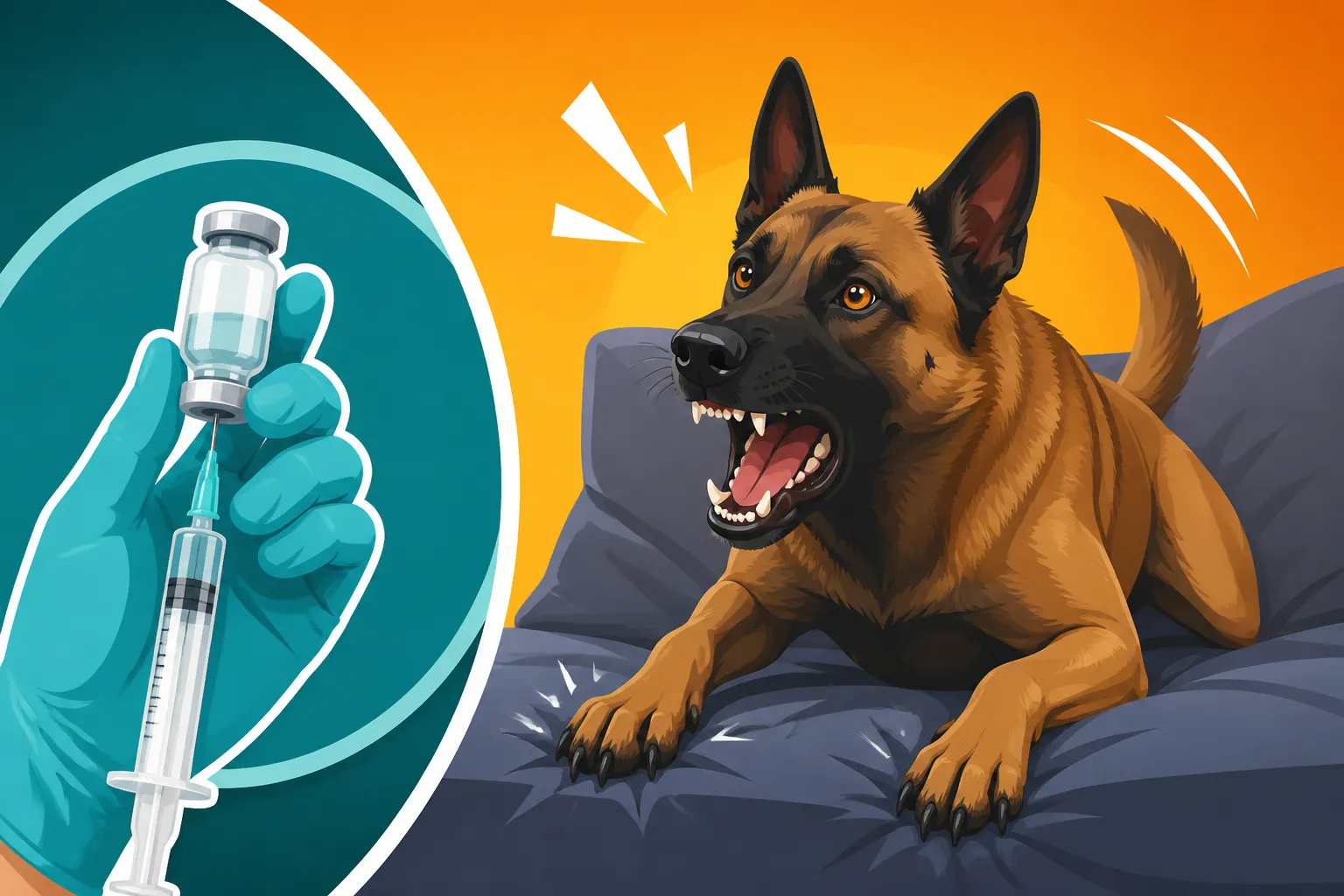
For more invasive procedures, or if oral sedatives aren't sufficient, your Malinois may require injectable sedation or general anesthesia. Injectable sedatives are typically given at the clinic and act much faster and more reliably than oral medications. They provide a deeper level of relaxation, often allowing the vet to perform examinations, take X-rays, or even minor procedures without your dog being fully unconscious. For instance, if your Malinois needs stitches, a deeper sedation might be chosen.
General anesthesia is reserved for surgical procedures, dental cleanings, or other situations where the dog needs to be completely immobile and pain-free. Given that Malinois tend to be lean with a high metabolism, specific Anesthesia Protocols for a Lean Belgian Malinois are often employed to ensure their safety and a smooth recovery. It's paramount that you have a detailed discussion with your vet about the specific drugs they plan to use, potential risks, and monitoring during the procedure. Always inform your vet about any medications your Malinois is currently on, or any health issues they have, as this information is vital for choosing the safest protocol. This is part of What to Tell a Vet Before a Malinois Is Sedated to ensure their safety.
Considerations for Geriatric or Compromised Malinois
As Malinois age, or if they have pre-existing health conditions, the approach to sedation changes significantly. Older dogs, or those with heart, kidney, or liver disease, are more sensitive to sedatives and anesthesia. Their bodies may not process medications as efficiently, increasing the risk of complications. In these cases, your vet will perform a thorough physical exam and recommend comprehensive pre-anesthetic bloodwork to assess organ function.
Specialized protocols might be used, involving lower doses, different combinations of drugs, or continuous monitoring of vital signs throughout the procedure. For example, a Malinois with a known heart murmur might receive different pre-medications to minimize cardiovascular stress. The goal is always to minimize risk while still ensuring the dog's comfort and safety during necessary procedures. Open and honest communication about your older Malinois's health history, including any previous reactions to medication, is crucial to help your vet formulate the safest plan. For owners using pet insurance like Healthy Paws, knowing that unexpected vet visits or health issues are covered can significantly reduce stress during these delicate decision-making times.
Post-Sedation Care and Recovery at Home
The period immediately following sedation or anesthesia is just as important as the preparation. Ensuring a smooth and safe recovery for your Belgian Malinois requires attentive care and a calm environment at home.
Monitoring and Managing Side Effects
Once you bring your Malinois home after a sedation or anesthesia, your primary job is to monitor them closely for any lingering effects or unexpected reactions. Depending on the depth and type of sedation, they might still be groggy, unsteady on their feet, or a bit disoriented. This can last for several hours, or even a full day. Common side effects include drowsiness, mild nausea (they might vomit once or twice), reduced appetite, and a slow, wobbly gait. Keep them in a safe, confined space where they can't fall or injure themselves. Don't allow them to jump on furniture or navigate stairs until they are completely steady.
It's important to differentiate between expected grogginess and concerning symptoms. If your Malinois is excessively lethargic, struggling to breathe, has pale gums, persistent vomiting, or seems to be in severe pain, contact your vet immediately. While rare, some dogs can have an adverse reaction or experience complications. You might also notice that Whether a Malinois Wakes Badly From Anesthesia can depend on the specific drugs used and the individual dog's physiology. Having your vet's emergency number handy is always a good idea. Offer small amounts of water a few hours after they are awake and steady, and a light meal if they show interest, unless otherwise instructed by your vet.
Creating a Calm Recovery Environment
A peaceful, low-stimulation environment is paramount for your Malinois's recovery. This is not the time for bustling household activity, loud noises, or playful interactions with children or other pets. Designate a quiet, comfortable space where your Malinois can rest undisturbed. A crate, if they are crate-trained, can be ideal, covered with a blanket to make it den-like. Provide soft bedding to ensure comfort and warmth.
Keep the lighting dim and speak in soft, soothing tones. Limit access to the recovering dog to immediate family members only. Other pets should be kept separate until your Malinois is fully recovered and acting like themselves again, as their altered state might lead to unexpected interactions. Ensure they have easy access to a potty area, but be prepared to assist them if they are still unsteady. The goal is to minimize any potential stressors that could either prolong their recovery or cause them to react negatively due to their disoriented state. This period is a critical component of their overall well-being, especially for a high-drive dog that may struggle to self-regulate even on a good day.
Preventing Future Sedation Challenges
While some situations will always require sedation, there are steps you can take to potentially reduce its frequency or necessity in the future. As mentioned earlier, consistent positive reinforcement and counter-conditioning are key. Continue working on those "happy visits" to the vet, making them associate the clinic with positive experiences and rewards. Practice handling exercises at home regularly, associating touch with treats and praise, gradually building their tolerance.
Consider working with a certified professional dog trainer or veterinary behaviorist if your Malinois's anxiety is severe. They can provide tailored strategies and guidance for behavior modification. Additionally, maintaining a consistent routine, providing ample mental and physical exercise (but not so much that it causes overstimulation), and continuing to reinforce an "off switch" at home will contribute to a more balanced and adaptable dog. Regular preventative care, including The Bloodwork a Working Malinois Should Have Annually and The Checkup Schedule a Sport Malinois Should Keep, helps catch potential issues early, possibly reducing the need for emergency or complex procedures that might necessitate heavy sedation. Investing in your Malinois’s training and desensitization, much like investing in a good pet insurance plan from a company like Healthy Paws, is a long-term commitment that pays dividends in their health and your peace of mind.
Common Oral Sedatives for Belgian Malinois
When your Malinois needs a little help to calm down for a vet visit or stressful event, there are a few common oral sedatives that veterinarians often prescribe. Here's a brief overview of some of the most frequently used options, but remember, always consult your veterinarian for specific recommendations and dosages tailored to your individual dog.
| Sedative Name | Primary Mechanism of Action | Common Uses | Onset Time | Duration | Potential Side Effects |
|---|---|---|---|---|---|
| Trazodone | Serotonin receptor antagonist | Situational anxiety, vet visits, travel, noise phobias | 1-2 hours | 6-12 hours | Sedation, ataxia (wobbliness), GI upset, panting, increased anxiety (rare paradoxical effect) |
| Gabapentin | Inhibits excitatory neurotransmitters | Mild to moderate anxiety, chronic pain, pre-anesthetic sedative | 1-2 hours | 6-8 hours | Sedation, ataxia, dizziness, mild GI upset |
| Clonidine | Alpha-2 adrenergic agonist | Anxiety, noise phobias, fear-related aggression | 1-2 hours | 4-8 hours | Sedation, lethargy, decreased heart rate, low blood pressure |
| Acepromazine | Phenothiazine tranquilizer | Sedation, anti-emetic (prevents vomiting) | 30-60 mins | 4-8 hours | Profound sedation, low blood pressure, muscle weakness, no analgesic effect; avoid in breeds prone to seizures or brachycephalics |
Note: This table provides general information. Individual responses can vary. Always follow your veterinarian's specific instructions.
Disclaimer
The information provided in this guide is for general informational purposes only and does not constitute veterinary advice. Always consult with a qualified veterinarian regarding your Belgian Malinois's specific health concerns, treatment options, and any medical procedures, including sedation or anesthesia. Do not attempt to self-diagnose or treat your pet.