Whether Hard Bite Work Wears Malinois Teeth Down
It’s a concern that haunts many dedicated Belgian Malinois handlers: will all that intense, driven bite work eventually grind down those powerful teeth your dog relies on? The reality is, pushing a Malinois through demanding protection sports or working scenarios places immense, repetitive stress on their dental structure, often leading to wear and tear that goes far beyond what a typical pet dog experiences. This guide is here to unpackage the truth about hard bite work and Malinois teeth, offering insights into prevention, recognition, and management of dental issues to help your working dog maintain a healthy, functional bite throughout their career and into a comfortable retirement.
The Brutal Realities of Bite Work on a Malinois's Dentition
When you watch a Belgian Malinois engage a sleeve or a full bite suit, you see an explosion of power, focus, and drive. What you might not immediately consider is the incredible force and friction those canine teeth are subjected to with every single grip, every adjustment, and every tug-of-war. This isn't just a casual chew; it's a high-impact, repetitive activity designed to test both dog and equipment to their limits, and the teeth are right on the front lines.
Understanding the Force and Impact Dynamics
A Malinois's bite is legendary for its power, precision, and tenacity. During bite work, this isn't just about clamping down; it's a dynamic engagement where the dog bites, holds, and often pulls or shakes the object. Imagine the sheer force exerted on the canines and premolars as they sink into thick material, followed by the grinding friction as the dog adjusts its grip or braces against a decoy's movements. This isn't like chewing a bone; the angle of impact and the consistent pressure against resilient materials create unique stresses.
Think about the repetitive nature. A single training session might involve dozens of bites, and over a career, that adds up to thousands. Each of these engagements is a mini-impact event for the teeth, especially the canines and the larger shearing premolars. These aren't just for tearing; they're anchoring points, leverage tools, and shock absorbers all in one. The constant compression and friction can lead to microscopic cracks that accumulate over time, weakening the tooth structure, or cause immediate, dramatic damage like a Chipped Canines on a Malinois From Sleeve Work. The force involved is significant, and while a Malinois jaw is incredibly strong, the teeth themselves are finite structures, susceptible to the laws of physics and material fatigue.
The Abrasive Nature of Bite Sport Equipment
Not all bite equipment is created equal, and the type of material your Malinois consistently bites into plays a huge role in dental wear. Decoy sleeves and suits are designed to be durable, but that durability often comes with a trade-off in terms of material hardness and texture. Some sleeves might be softer, made of jute or softer French linen, offering a forgiving surface. Others, however, especially those used for more advanced or KNPV-style training, might be made of harder, coarser French linen or even synthetic materials that are incredibly tough and abrasive.
Consider the difference between biting into a soft, well-worn jute tug versus a stiff, brand-new French linen sleeve. The latter will create significantly more friction and abrasion against the tooth surface with each bite and release. Over time, this constant rubbing can literally sand down the enamel, wearing away the protective outer layer of the tooth. Once the enamel is compromised, the softer dentin underneath becomes exposed, leading to faster wear, increased sensitivity, and a higher risk of further damage or infection. The goal of bite work is to build a strong, full grip, but the materials involved undeniably contribute to the potential for accelerated dental wear.
Spotting the Subtle (and Not-So-Subtle) Signs of Dental Damage
As Malinois handlers, we’re often so focused on performance, drive, and technical skills that dental health can sometimes slip down the priority list until a glaring problem arises. However, the wear and tear from hard bite work often manifests in subtle ways long before a tooth is visibly broken or causing obvious pain. Being proactive in recognizing these early indicators is crucial for intervening before minor issues escalate into major health concerns.
Recognizing Common Injuries: Chips, Fractures, and Abrasion
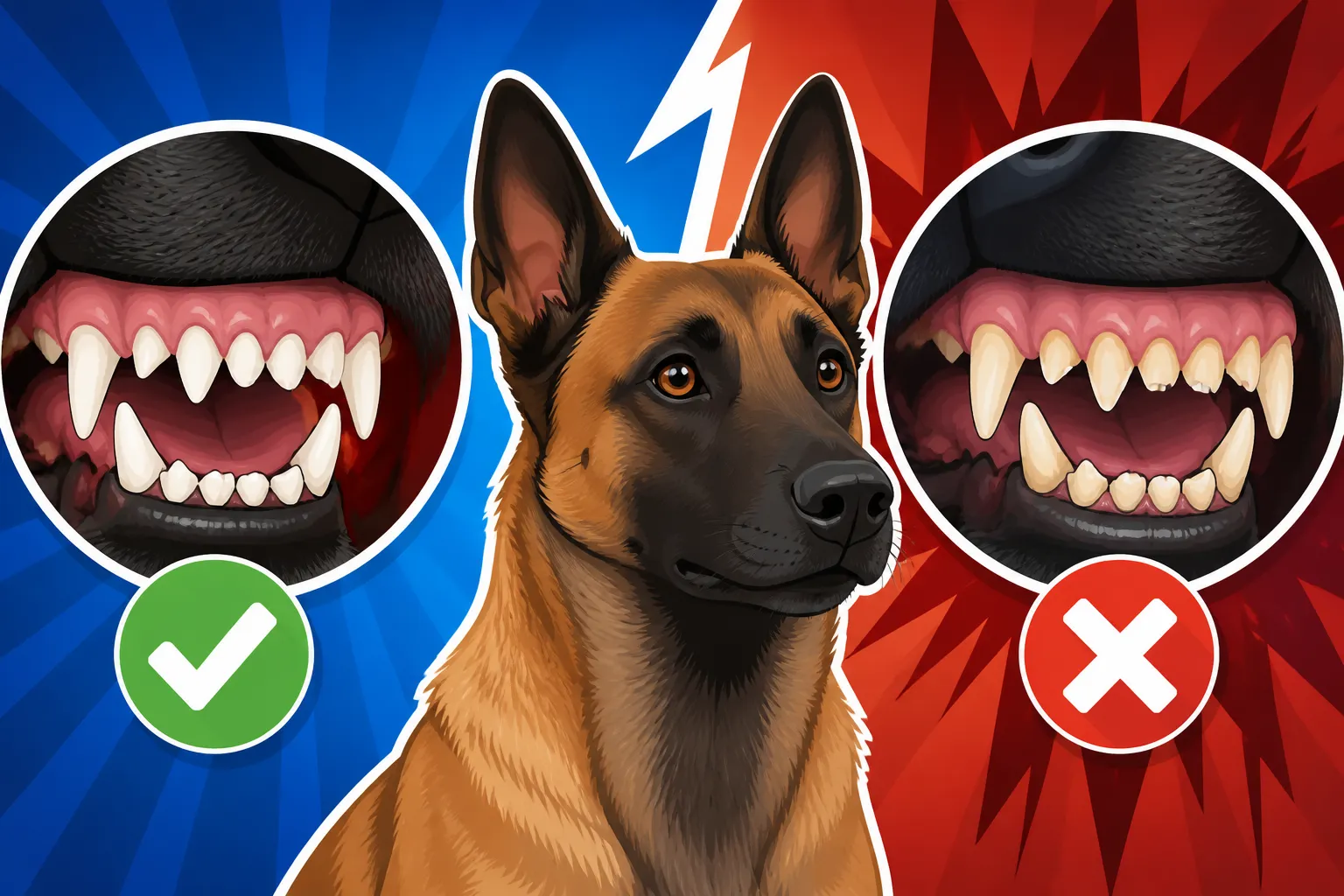
The most immediate and dramatic signs of dental damage from bite work are often chipped or fractured teeth. These can range from a small piece of enamel broken off the tip of a canine to a more serious slab fracture where a larger section of the tooth, often extending below the gum line, is broken. The canines and the carnassial teeth (the large premolars/molars used for shearing) are particularly susceptible to these types of injuries due to their prominent position and the forces they absorb. Sometimes, you might not even notice a chip right away, especially if it’s on the back side of a tooth, but your dog might suddenly seem hesitant to bite, or shy away from certain toys or foods.
Beyond acute fractures, excessive abrasion is a more insidious but equally damaging form of wear. This is where the repetitive friction from bite materials slowly grinds down the tooth surface. Instead of a sudden break, you'll notice the tips of the canines or the cusps of the premolars becoming flattened or rounded, losing their sharp, natural points. This isn't just a cosmetic issue; it exposes the dentin, which is less dense than enamel and more prone to further wear and sensitivity. Over time, if left unaddressed, this can lead to pulp exposure, where the nerve and blood supply within the tooth become open to the oral cavity, leading to pain and infection. It's a gradual process, but one that significantly compromises the structural integrity of the tooth. You might notice similar wear to Broken Teeth on a Malinois From Bite Work.
Beyond the Obvious: Gum Health and Behavioral Clues
Dental health isn't just about the teeth themselves; the surrounding gum tissue plays a vital role. Repetitive impact and friction from bite work can lead to gum recession around affected teeth, exposing more of the tooth root, which is incredibly sensitive. You might also notice localized inflammation or redness of the gums around a particular tooth, even if the tooth itself appears intact. This could be a sign of a root fracture, an underlying infection, or simply chronic irritation from the biting process. Periodontal disease, while often associated with plaque buildup, can be exacerbated by trauma from bite work, making the gums more susceptible to bacterial invasion.
Behavioral changes are often the earliest and most reliable indicators that something is amiss with your Malinois's mouth. Dogs are incredibly stoic, especially working dogs, and they'll often try to hide pain. However, subtle shifts in their engagement during bite work, their willingness to tug, or their enthusiasm for certain chews might signal discomfort. They might hesitate to take a full grip, prefer one side of their mouth, or suddenly drop the equipment more frequently. At home, you might notice them chewing more slowly, showing less interest in their favorite hard chews, or even pawing at their mouth. Drooling, bad breath (beyond the usual "dog breath"), or a reluctance to have their mouth examined are also red flags. Paying close attention to these nuances, rather than just waiting for a visible injury, can make all the difference in catching problems early.
Proactive Measures to Safeguard Your Malinois's Precious Teeth
Given the inherent risks associated with hard bite work, being proactive about dental health isn't just an option; it's a responsibility for every Malinois owner. You can't eliminate all risk, but you can certainly mitigate much of it through careful equipment choices, smart training, and a consistent, vigilant approach to oral hygiene. These strategies are about extending the working life of your dog's teeth and ensuring their comfort long-term.
Strategic Equipment Choices and Skillful Training for Dental Health
The equipment you use in bite work can either protect your Malinois's teeth or contribute to their rapid wear. Always opt for high-quality, purpose-built sleeves, suits, and tugs from reputable manufacturers known for their craftsmanship. Regularly inspect all equipment for excessive wear, tears, or hardening that could present sharp edges or unnecessarily abrasive surfaces. Softer materials like well-worn jute or softer French linen are generally less abrasive than newer, stiffer synthetic materials. While different materials are necessary for progression, be mindful of the cumulative effect. Varying your equipment and rotating between softer and harder options can help distribute wear and reduce repetitive stress on specific teeth.
Training techniques also play a pivotal role. The goal should always be to foster a full, deep, and confident grip, rather than a shallow, "chewy" or "gnawing" bite. A deep grip distributes the pressure more evenly across the teeth and gums, while a shallow bite often leads to excessive friction and wear on the tips of the canines and incisors. Work closely with your decoy and trainer to ensure your dog is encouraged to take a firm, strong hold from the outset, rather than being allowed to adjust their grip excessively or engage in "land shark" behavior on the sleeve. Teaching a reliable "out" command is also vital; the less time your dog spends grinding their teeth on the material after the engagement, the less wear will occur. Understanding Whether a Malinois Distinguishes Sleeve From Arm is important, but training them to release cleanly prevents unnecessary friction.
The Critical Role of Comprehensive At-Home and Veterinary Dental Care
Consistent at-home dental care is just as crucial for a working Malinois as it is for any dog, if not more so. Aim for daily tooth brushing using a dog-specific toothbrush and enzymatic toothpaste. This helps remove plaque buildup and keeps gums healthy. While brushing might be a challenge with a high-drive Malinois, starting early and making it a positive experience can yield significant benefits. Additionally, providing appropriate Chews That Will Not Fracture a Malinois's Canines can help clean teeth and satisfy their natural urge to chew, without causing damage. Avoid extremely hard chews like antlers or natural bones, which can often lead to fractures.
Beyond daily brushing, regular veterinary dental check-ups are non-negotiable. Your vet can perform a thorough oral examination, often spotting issues that you might miss. They can assess gum health, identify areas of excessive wear, or detect subtle fractures that require intervention. Many working Malinois owners schedule yearly dental cleanings under anesthesia. This allows the vet to perform a comprehensive cleaning, including below the gum line, and conduct full mouth dental X-rays to check for issues like fractured roots, abscesses, or bone loss that are invisible to the naked eye. Discussing Whether a Malinois That Bites Needs Yearly Dentals with your vet is a must. These preventative cleanings can be an investment, but they're critical for preserving oral health. This is also where pet insurance, like a policy from Healthy Paws, can become invaluable. Knowing you have coverage for routine cleanings or unexpected dental issues can significantly ease the financial burden and ensure your Malinois gets the best possible care without delay. This proactive approach complements other important health checks, such as The Bloodwork a Working Malinois Should Have Annually.
Navigating Advanced Dental Interventions and Their Implications
Despite the most diligent preventative care, the intense nature of bite work means that some Malinois will inevitably face more serious dental issues. When a tooth is severely damaged—whether it's a significant fracture, deep abrasion leading to pulp exposure, or an infected root—routine cleaning and observation won't be enough. This is where advanced veterinary dental procedures become necessary, bringing with them a new set of considerations, both medical and financial.
When Routine Care Isn't Enough: Exploring Surgical Solutions
For extensively damaged teeth, your veterinarian might recommend several advanced interventions. A root canal is often a preferred option for working dogs, especially for canines or critical premolars. This procedure involves removing the infected or damaged pulp (nerve and blood supply) from inside the tooth, cleaning and sterilizing the canal, and then filling it to prevent future infection. The tooth itself remains intact, preserving its structural integrity and function for biting, which is vital for a working Malinois. Another option, particularly for severe crown fractures, is the placement of a titanium crown. These custom-fitted crowns essentially cap the damaged tooth, providing a durable, strong, and protective surface. This is a significant investment but can save a critical working tooth. We have a detailed article on Titanium Crowns on a Working Malinois's Teeth that you might find helpful.
In some cases, if a tooth is too extensively damaged, infected, or if a root canal or crown is not feasible, extraction might be the only viable solution. While losing a tooth, especially a canine, can impact a dog's bite mechanics and potentially their confidence in bite work, a painful or infected tooth is far worse. A skilled veterinary dentist will ensure the extraction is clean and that the site heals well. Each of these procedures requires general anesthesia, specialized equipment, and significant expertise, highlighting the importance of choosing a board-certified veterinary dentist or a highly experienced general practitioner with a strong background in advanced dental care.
The Financial and Practical Considerations of Serious Dental Repair
Advanced dental interventions for a Malinois can be quite costly. A root canal, for instance, can range from hundreds to a couple of thousand dollars per tooth, depending on the tooth involved and the complexity of the case. Titanium crowns are often in a similar price bracket. Even extractions, especially for large, multi-rooted teeth, can run into hundreds of dollars. These costs quickly add up, and for a working dog with a long career ahead, multiple procedures might be needed over their lifespan. This financial reality can be a significant stressor for owners, but delaying treatment for a painful or infected tooth is not only cruel but can lead to more severe, systemic health problems.
This is precisely where the foresight of investing in comprehensive pet insurance, such as Healthy Paws, really pays off. A robust policy can cover a substantial portion of these unexpected and expensive dental treatments, from diagnostics like X-rays to the surgical procedures themselves. Having that financial safety net allows you to make decisions based on your Malinois's best interest, rather than being constrained by budget. Beyond the monetary cost, there's also the practical side: post-operative care, potential dietary adjustments during healing, and the necessary time off from training. Ensuring your Malinois recovers fully is paramount to their overall health and their ability to return to work, if appropriate.
Living with the Inevitable: Long-Term Dental Health for the Working Malinois
The dedication you pour into training your Belgian Malinois for bite work is immense, and you want them to perform at their peak. However, it's also crucial to face the reality that even with the best care, the rigorous demands of the sport will leave an indelible mark on their teeth. Understanding this balance, and planning for it, is key to ensuring your partner remains comfortable and healthy, both during their working prime and well into their golden years.
Balancing Drive with Dental Longevity
It’s a tough truth: a Malinois with unparalleled drive and an incredible desire to engage will likely put more strain on their teeth than a dog with a softer mouth or lower intensity. While you’d never want to dampen their natural drive, you can learn to manage it intelligently in relation to dental health. This means being mindful of the frequency and intensity of bite sessions, especially as your dog matures. Perhaps not every training session needs to be full-throttle on the hardest equipment. Incorporating more foundational obedience, tracking, or detection work can provide mental and physical stimulation without the same dental impact.
It’s about making informed decisions. If your Malinois has had a history of dental chips or excessive wear, you might need to adjust your training protocols. This could involve using softer bite materials more frequently, reducing the duration of sustained grips, or even exploring alternative sports that are less dentally demanding if their primary working career is winding down. The goal isn't to stop working your dog, but to work them smarter, preserving their physical assets for as long as possible. Remember, a career of The Fourteen to Sixteen Years a Belgian Malinois Lives means a lot of years to maintain those chompers! A well-cared-for mouth contributes significantly to a dog’s overall well-being and their ability to perform their job effectively and comfortably. You can also review Tooth Care for a Belgian Malinois That Bites for Sport for more specific care strategies.
Ensuring Comfort and Quality of Life as They Age
As your Belgian Malinois transitions from their high-energy working years to a well-deserved retirement, dental health remains critically important. An older dog with a history of bite work is more likely to have significant dental wear, missing teeth, or underlying issues that can cause chronic pain. This pain can impact their willingness to eat, their overall disposition, and their general comfort. Ensuring their comfort includes making appropriate dietary changes, such as providing softer foods, which is crucial for Feeding a Retired Belgian Malinois.
Regular veterinary check-ups, even after retirement, should continue to include a thorough dental examination. Any signs of pain, difficulty eating, or bad breath should be investigated promptly. Addressing dental issues in an aging Malinois might involve further extractions or ongoing pain management. The aim is to ensure their senior years are free from the constant discomfort of a problematic mouth. Just like we focus on their joint health and mental stimulation as they age, attention to their dental well-being is a cornerstone of maintaining their quality of life. Thinking about Caring for a Belgian Malinois After Ten means looking at every aspect of their physical health, and that includes their teeth. Your Malinois has given you their all in their working life; ensuring their retirement is comfortable and pain-free, especially concerning their mouth, is the best way to honor that partnership.
Disclaimer
The information provided in this guide is for general informational purposes only and does not constitute veterinary advice. Always consult with a qualified veterinarian for any health concerns or before making any decisions related to your Belgian Malinois's health and care.