Muscle Strains in a Belgian Malinois
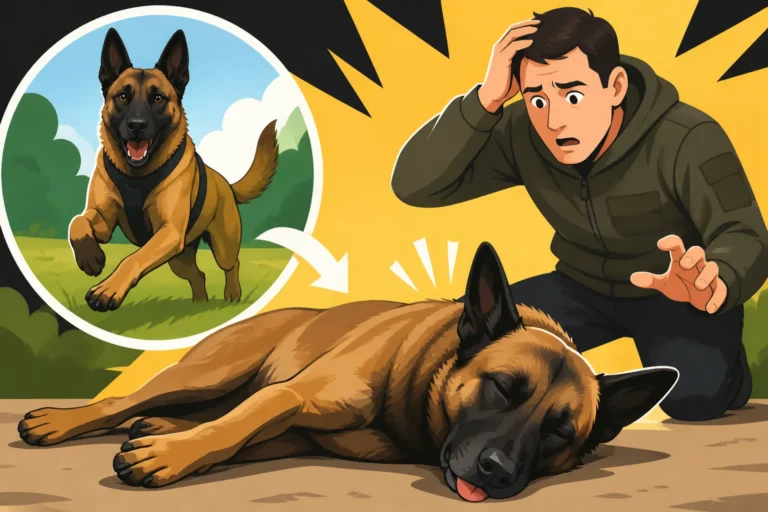
There's nothing quite like the heart-stopping moment when your high-drive Belgian Malinois, usually a whirlwind of focused energy, lets out a yelp or shows a subtle change in gait. Muscle strains are a frustratingly common ailment in these incredibly athletic dogs, often going unnoticed until they become more severe because our Malinois are just so stoic and driven. This guide dives deep into understanding, identifying, treating, and preventing muscle strains, ensuring you can keep your working partner sound and healthy for years to come.
Understanding Muscle Strains in Belgian Malinois
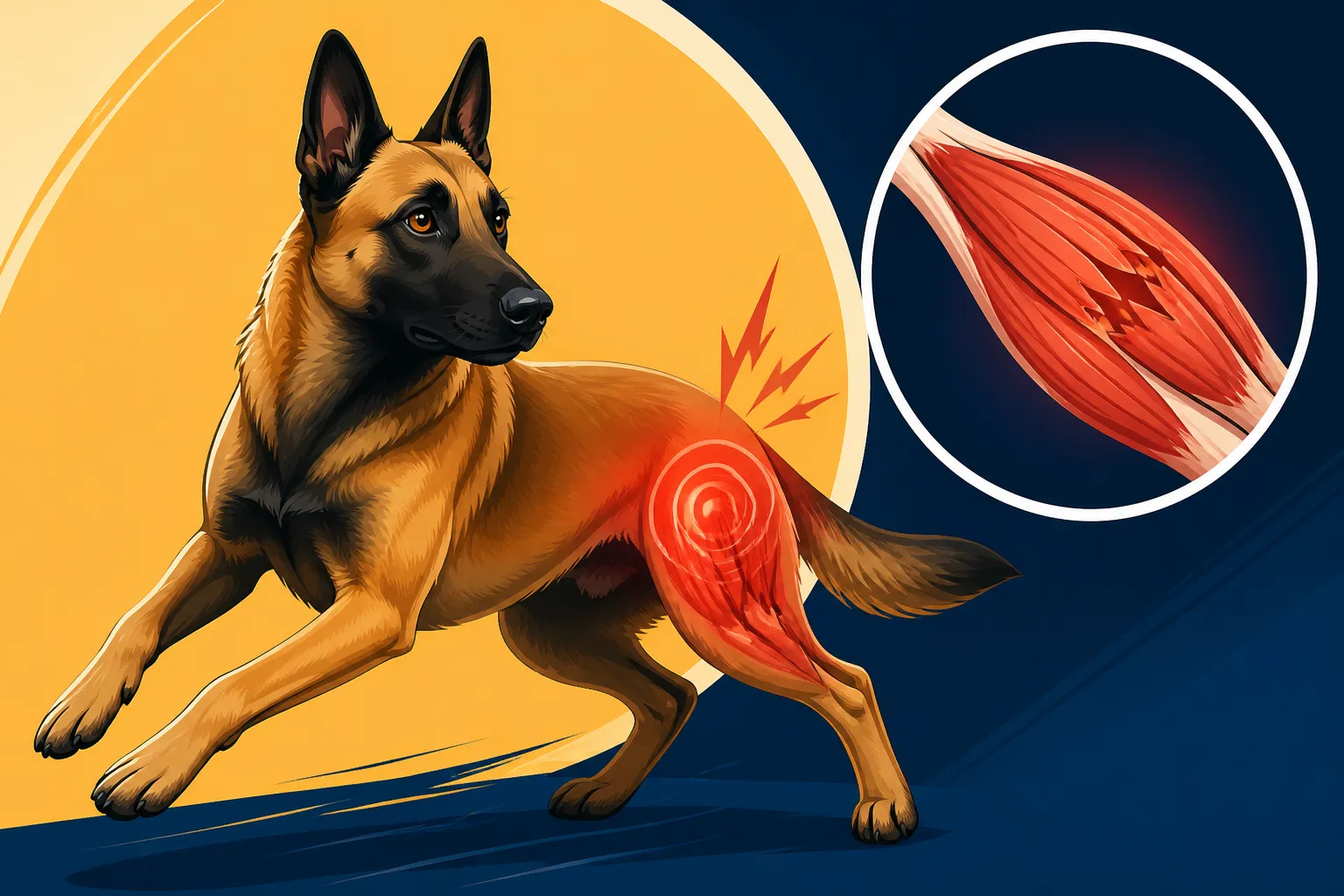
Muscle strains, often referred to as "pulled muscles," occur when muscle fibers are overstretched or torn. In a breed like the Belgian Malinois, whose entire existence seems to revolve around explosive movement, quick changes in direction, and intense physical output, these injuries are unfortunately a frequent concern. It's not just the sudden, dramatic movements that cause them; sometimes, it's cumulative stress or an inadequate warm-up that sets the stage for trouble.
Why Malinois Are Particularly Susceptible
Belgian Malinois are built for speed, agility, and power. Their lean, muscular physiques are incredibly efficient, but this very efficiency, combined with their relentless drive, makes them prone to certain types of injuries. Unlike some other breeds, a Malinois often possesses an almost limitless "go" button, sometimes overriding their body's signals of fatigue or discomfort.
Imagine your Malinois in the middle of a high-intensity session—a powerful take-off for a jump, a sudden pivot during decoy work, or a flat-out sprint after a ball. These actions demand maximum contraction and extension from muscles, and if those muscles aren't adequately warmed up, are fatigued, or simply push beyond their capacity, a strain is inevitable. Their incredible prey drive means they'll often push through minor discomfort, making it harder for an owner to notice early warning signs. This can lead to a minor strain escalating into a more significant tear before you even realize something is amiss. It’s a double-edged sword: their amazing athletic ability is what we admire, but it also puts them at higher risk for these types of soft tissue injuries.
Common Areas for Strains
While a Malinois can strain any muscle in its body, certain areas bear the brunt of their explosive movements and are therefore more frequently affected. Understanding these common locations can help you be more vigilant.
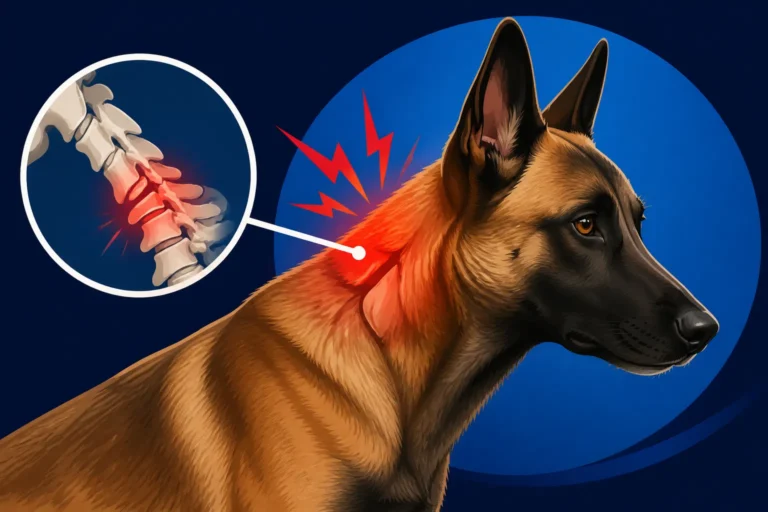
The most common areas include the shoulders (especially the biceps and supraspinatus muscles), the iliopsoas muscle in the groin/hip region, hamstrings, and muscles of the back. Shoulders take a huge load during jumping, landing, and gripping work. The iliopsoas is crucial for hind-end propulsion and collection, making it vulnerable during hard stops, sharp turns, or even repetitive tug play. Hamstrings are essential for powerful rear-drive and can strain during sprints or when a dog slips. Back muscles are often involved in overall stability and power transfer, and repetitive flexion or extension can lead to issues. Even muscles in the neck or tail can be strained during intense play or work, though these are less common. Being aware of these hotspots allows for more targeted observation during and after activity.
Recognizing the Signs of a Muscle Strain
One of the biggest challenges with a Belgian Malinois is their high pain tolerance and incredible drive. They often won't show obvious lameness or distress until an injury is quite advanced. Learning to recognize subtle cues is paramount to early intervention and a faster recovery.
Subtle Behavioral Changes
Your Malinois might not limp dramatically, but you might notice small shifts in their behavior or performance. Perhaps they're a fraction slower to get up after lying down, or they hesitate before taking a jump they'd normally clear with ease. They might not be as enthusiastic about retrieving, or they might seem "off" during a training session, maybe taking a softer grip or being less powerful on the sleeve. You might see a slight shift in how they carry their tail, or a subtle unevenness in their gait that you can only spot when they're moving away from you.
Sometimes, the sign is even more general: a slight dip in appetite, a reluctance to engage in their usual boisterous play, or just a general "grumpiness" that isn't typical for them. They might try to avoid certain movements, like not stretching out as far during a yawn or being more stiff when transitioning from a stand to a sit. If your Malinois is usually a velcro dog but suddenly seems to prefer lying alone, that could be a subtle sign of discomfort they're trying to hide.
Physical Indicators to Watch For
Beyond behavior, there are physical signs you can actively look for and feel. After a particularly hard session, gently palpate your dog's muscles. Start with areas prone to strains, like the shoulders, hips, and along the spine. Feel for any heat, swelling, or tenderness. Your Malinois might flinch, pull away, or even give a low growl when you touch a sore spot.
Look for areas of muscle guarding—where the muscle feels unusually tight or hard, even at rest, as if the dog is trying to protect it. There might be asymmetry, where one muscle group appears larger or more developed than the other, or vice-versa, indicating compensatory movement. Sometimes, you'll see a slight tremor in the affected limb or muscle group when the dog is standing still. A high-drive dog might try to hide a limp by shifting weight or taking shorter strides, so pay close attention to their weight distribution and how they place their feet during movement. If you notice a The Shifting Limp in a Six Month Malinois or even an older dog, it's definitely time to investigate further.
| Symptom Category | Mild Strain Signs | Moderate Strain Signs | Severe Strain Signs |
|---|---|---|---|
| Behavioral | Slight hesitation, minor performance dip, reduced enthusiasm for specific activities. | Noticeable reluctance to use limb/muscle, occasional yelp with movement, subtle lameness after rest. | Obvious lameness, crying out when moving, guarding affected area, refusing to put weight on limb. |
| Physical | Mild stiffness, slight sensitivity to touch, normal posture. | Localized tenderness, warmth, subtle swelling, muscle guarding, altered gait, mild compensatory posture. | Significant swelling, bruising, severe pain on palpation, visible muscle asymmetry, inability to bear weight. |
| Recovery | Improves with rest (1-2 days). | Requires extended rest (weeks), potential for re-injury. | Requires extensive rest and vet intervention, long recovery. |
Diagnosis and Treatment of Muscle Strains
If you suspect your Malinois has a muscle strain, it's important to act quickly and seek professional veterinary advice. Self-diagnosing and treating can prolong the injury or lead to more serious complications.
Veterinary Examination and Diagnostics
Your veterinarian will start with a thorough physical examination, observing your Malinois's gait and posture. They'll perform palpation, gently feeling along the muscles and joints to pinpoint areas of pain, swelling, or heat. Don't be surprised if your vet recommends a sedated exam, especially for a high-drive Malinois who might resist a full range-of-motion assessment when awake. This allows the vet to fully manipulate limbs and assess muscle groups without the dog tensing up or becoming reactive due to pain or apprehension.
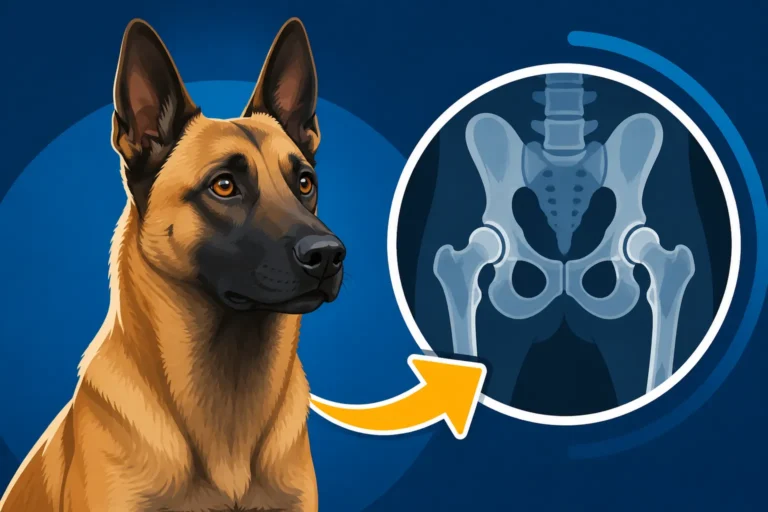
While X-rays are excellent for bone issues, they typically won't show a muscle strain. However, your vet might recommend them to rule out bone fractures or joint problems, which can present similarly. For more definitive soft tissue diagnosis, advanced imaging like ultrasound or MRI might be suggested. An ultrasound can visualize muscle tears, fluid accumulation, or inflammation. An MRI can give an even more detailed picture of muscle and surrounding soft tissue damage, helping to differentiate a strain from other issues like a The Spinal Disease That Ends a Malinois's Mobility or nerve impingement. This diagnostic journey is crucial because accurate identification of the injury is the first step toward effective treatment.
Treatment Modalities and Recovery
Once a muscle strain is diagnosed, the cornerstone of treatment is rest. This is often the hardest part for a Malinois owner, as "rest" for these dogs means strict confinement, often crate rest or a small, secure pen, with absolutely no running, jumping, or intense play. Depending on the severity, this could range from a few days to several weeks. Your vet might prescribe non-steroidal anti-inflammatory drugs (NSAIDs) to manage pain and reduce inflammation, and sometimes muscle relaxants. Never give human medication without veterinary guidance, as it can be toxic to dogs.
Physical therapy plays a vital role in recovery. This might start with passive range of motion exercises to prevent stiffness, progressing to therapeutic exercises, massage, and hydrotherapy (like underwater treadmill work) to rebuild strength and flexibility. Companies like Healthy Paws can be a real lifesaver when it comes to the costs associated with these types of long-term treatments, helping cover physical therapy sessions and diagnostic imaging. Gradual return to activity is key, following a carefully structured plan from your vet or a certified canine rehabilitation specialist. Pushing too hard, too fast, almost guarantees a re-injury. This entire process, including Rehabbing a Belgian Malinois After Knee Surgery if it were a different injury, requires patience and strict adherence to professional advice.
Preventing Future Muscle Strains
Prevention is always better than cure, especially with a breed as prone to injury as the Belgian Malinois. A proactive approach to conditioning, warm-up, and awareness can significantly reduce the risk of muscle strains.
Proper Warm-Up and Cool-Down Routines
Never skip the warm-up! Just like human athletes, a Malinois needs to prepare their muscles for work. A good warm-up should last 10-15 minutes and involve light activity that gradually increases in intensity. This could include a brisk walk, trotting, some gentle stretching, and dynamic movements like walking over cavalettis or doing figure-eights at a trot. The goal is to increase blood flow to the muscles, improve flexibility, and prepare the neurological system for more intense demands.
Equally important is the cool-down. After a vigorous training session or intense play, your Malinois's muscles are full of metabolic waste products and can be tight. A cool-down should mirror the warm-up: 5-10 minutes of gentle walking, followed by passive stretching. Gently stretch each limb, holding for 15-30 seconds, always within your dog's comfort range. This helps flush out toxins, prevent stiffness, and aid muscle recovery. Skipping these steps is like inviting trouble, especially for a dog whose muscle fibers work so hard.
Conditioning and Lifestyle Management
Maintaining optimal physical condition year-round is crucial for a Belgian Malinois. This isn't just about intense training; it's about a balanced conditioning program that includes strength, endurance, and flexibility. Cross-training is incredibly beneficial: instead of just focusing on bite work or agility, incorporate varied activities like hiking, swimming, or specific exercises to strengthen core muscles. Ensure your dog's diet supports their activity level, with adequate protein for muscle repair and energy. Many working Malinois owners also consider Joint Supplements for a Working Belgian Malinois to support overall musculoskeletal health, even if it’s not directly for muscles.
Avoid the "weekend warrior" syndrome, where a dog goes from minimal activity all week to extreme intensity on the weekend. This is a recipe for disaster. Consistent, appropriate exercise builds resilient muscles. Be mindful of environmental factors too: slick surfaces can lead to slips and strains, and extreme temperatures can affect muscle performance. If your Malinois experiences Muscle Cramping in a Belgian Malinois After a Trial, it could be a sign of overexertion or electrolyte imbalance. Finally, regular veterinary check-ups are essential, even if your dog seems perfectly fine. These routine visits, part of The Checkup Schedule a Sport Malinois Should Keep, allow your vet to spot subtle issues before they become major injuries. Don't forget that having pet insurance like Healthy Paws can provide peace of mind for unexpected vet visits and long-term care needs that arise from dedicated training and an active lifestyle.
Nutritional Support and Hydration
A well-balanced diet is the foundation of muscle health. For a Belgian Malinois, especially one that works, this means a high-quality diet rich in protein to support muscle growth and repair. Look for foods with easily digestible protein sources. Omega-3 fatty acids, found in fish oil, can also help reduce inflammation and support overall joint and muscle health.
Hydration is just as vital. Dehydration can lead to muscle cramps and reduce muscle elasticity, making strains more likely. Always provide fresh water, especially before, during, and after training sessions. During hot weather or intense workouts, consider adding canine-specific electrolyte supplements to their water to replace lost minerals. Proper nutrition and hydration are not just about keeping your Malinois fueled; they're about building and maintaining the strong, resilient muscles needed to perform at their peak and resist injury. Taking these proactive steps, along with ensuring you're prepared for any Emergency Care After a Malinois Training Injury, is key to a long and healthy working life for your Malinois.
Disclaimer
Please remember that this article provides general information and should not be used as a substitute for professional veterinary advice. If you suspect your Belgian Malinois has a muscle strain or any other injury, consult with a qualified veterinarian immediately for proper diagnosis and treatment.