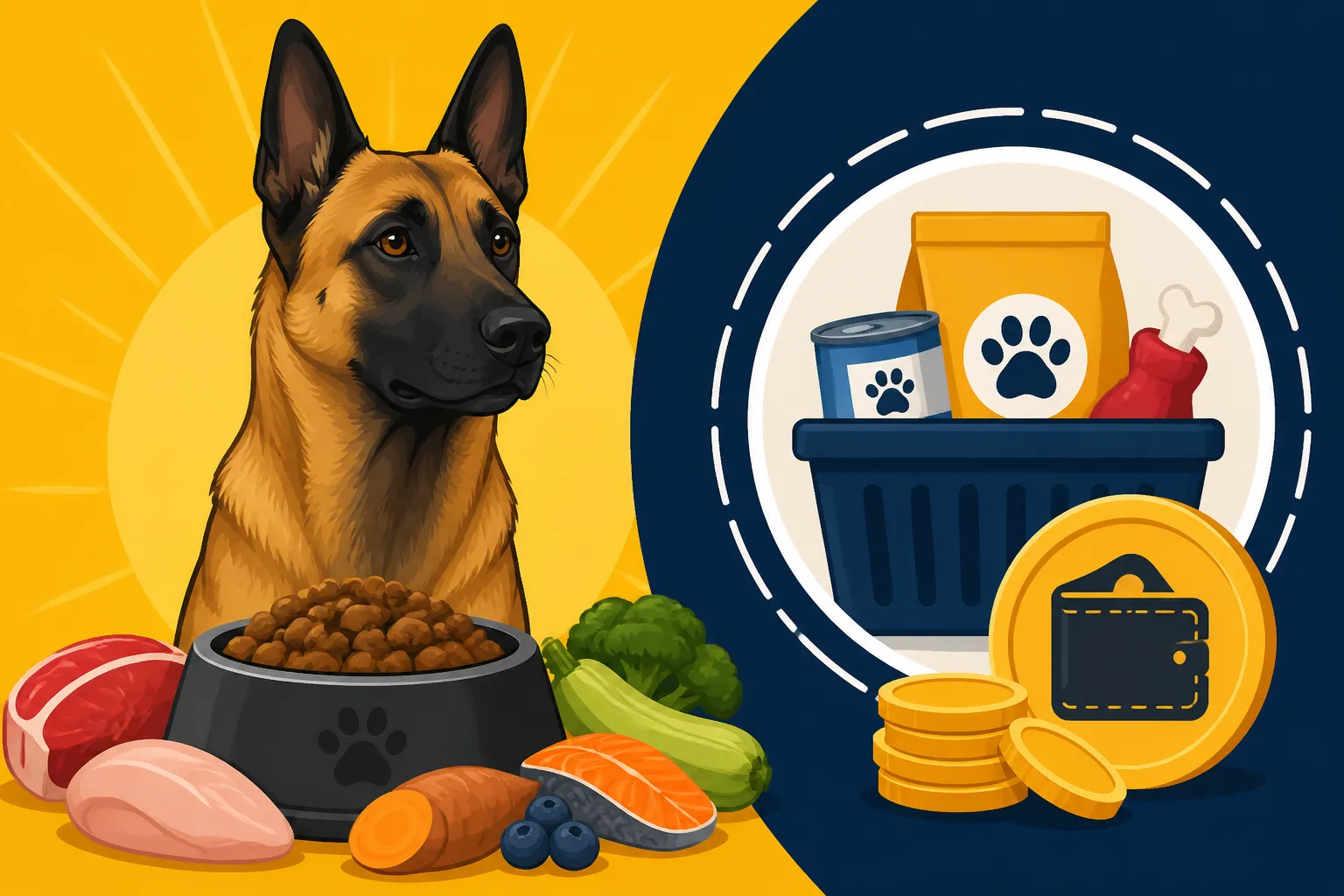
What Feeding a Working Malinois Costs Each Month
One of the biggest eye-openers for new Belgian Malinois owners, especially those with working dogs, is just how much these canine athletes eat. It’s not just about filling a bowl; it’s about fueling a high-octane machine, and that fuel isn't cheap. If you’re trying to figure out what feeding a working Malinois really costs each month, you're in the right place, because we're going to break down every morsel, bag, and expense involved.
The Daily Fuel: Why a Working Malinois Isn't Your Average Eater
Let’s be honest, a Belgian Malinois isn't just a pet; it's a four-legged, furry whirlwind of energy, drive, and intelligence. When you have a working Malinois, whether they're involved in protection sports like IGP or French Ring, doing scent detection, or actively working as a police or military K9, their dietary needs shift dramatically compared to a couch potato dog, no matter how beloved. Many owners get their Malinois puppy and quickly realize that the feeding guidelines on a standard bag of kibble barely scratch the surface of what their dog truly requires to thrive. You might feel like you're constantly pouring food into them, only for them to look at you with those intense eyes, as if to say, "Is that all you've got?"
Understanding Their Caloric Needs
The sheer volume of calories a working Belgian Malinois burns in a day can be astounding. Imagine a human athlete training for a marathon or an intense weightlifting competition; their diet is meticulously planned to support that level of output. Your Malinois is no different. A typical sedentary dog might need around 20-30 calories per pound of body weight, but a working Malinois can easily require 40, 50, or even 60 calories per pound, depending on the intensity and duration of their daily activity. This isn't just about their physical exercise, either. The mental demands of complex training sessions, problem-solving, and sustained focus also burn a significant amount of energy.
This means that your "average" 60-pound female Malinois could be burning through 2,400 to 3,600 calories a day, and a larger 75-pound male could be pushing 3,000 to 4,500 calories or more. It's a constant balancing act to ensure they're receiving enough fuel to maintain their lean, muscular condition without becoming underweight or, conversely, letting them get soft. The challenge is amplified by their high metabolism and often picky eating habits when stressed or in a new environment, which can leave owners scratching their heads about how to get enough calories into them. You might also want to read more about The Daily Ration a Working Belgian Malinois Eats for a deeper dive into this.
The Performance Diet vs. Regular Kibble
When we talk about feeding a working Malinois, we're almost always talking about a performance diet. This isn't just marketing jargon; it's a specific nutritional profile designed for active dogs. Regular kibble, while perfectly fine for many companion dogs, often doesn't contain the higher protein, fat, and specific nutrient ratios necessary to support a Malinois's intense lifestyle. You might find yourself comparing bags in the pet store, noticing the "active dog" or "performance" labels, and then seeing the price tag that comes with them. It can be a bit of a shock if you're used to buying a more general-purpose dog food.
Performance kibble typically boasts higher fat content, which is a dense energy source, and elevated protein levels to support muscle maintenance and repair. These diets also often include a wider array of vitamins, minerals, and sometimes joint-supporting ingredients to help mitigate the wear and tear of strenuous activity. Trying to feed a working Malinois a cheaper, lower-quality kibble is often a false economy. You'll likely end up feeding significantly more volume to meet their caloric needs, leading to larger stool volume, and potentially compromising their health and performance in the long run. It's truly an investment in their working capacity and longevity. This is why many owners specifically seek out advice on Whether a Sport Malinois Needs a Performance Formula.
Deciphering Dry Kibble Costs: Quality, Quantity, and Considerations
So, you've decided on a performance kibble – great! Now comes the fun part: navigating the shelves (or online stores) to find the right one that fits both your Malinois's needs and your budget. It’s a bit like buying specialty fuel for a race car; you can’t just put any old gas in and expect peak performance. The cost isn't just about the brand name; it's about the ingredients, the manufacturing process, and, frankly, the sheer volume you'll be going through. You'll quickly learn that a "big bag" of kibble for your Malinois lasts a fraction of the time it would for a smaller, less active breed.
The Price of Premium Performance Kibble
Premium performance kibbles, those specifically formulated for highly active or working dogs, definitely come with a higher price tag per pound than your average grocery store brand. You're paying for quality ingredients: often higher-grade protein sources like chicken meal, lamb meal, or fish meal as the first few ingredients, rather than fillers. You'll also see healthy fats, complex carbohydrates, and often a robust vitamin and mineral package. Brands like Eukanuba, Purina Pro Plan Sport, and Royal Canin are popular choices among working dog handlers, and for good reason—they deliver results.
However, these results come at a cost. While I can't give you exact figures, expect to see prices that are noticeably higher than mainstream pet food. A large bag, which might last a pet owner with a smaller dog for months, could be gone in two to three weeks, or even less, for a truly hard-working Malinois. It’s an ongoing expense that demands a regular portion of your monthly budget. Many owners will tell you it's worth every penny when they see their dog performing at their best, recovering quickly, and maintaining excellent condition. Thinking about What Performance Kibble Costs for a Malinois is essential for any prospective owner.
How Bag Size and Brand Impact Your Wallet
Interestingly, while premium kibble is more expensive per pound, buying the largest available bag is almost always the most cost-effective strategy in the long run. Retailers often offer a slight discount per pound for bigger bags, recognizing that owners of large or active dogs are their prime market for these sizes. So, that 30-pound or 40-pound bag, which might seem daunting at checkout, actually saves you money compared to buying smaller, more frequent bags. The catch, of course, is needing the space to store it properly to keep it fresh.
Brand choice also plays a significant role. Some boutique or "holistic" performance brands might charge even more for ingredients like exotic meats or grain-free formulations. While some dogs might genuinely benefit from these specialized diets, it's important to differentiate between actual nutritional necessity and clever marketing. Always consult with your veterinarian or an experienced working dog nutritionist if you're considering a highly specialized or expensive diet, to ensure it’s truly beneficial for your specific Malinois. Sticking with well-established performance brands often provides the best balance of quality and value.
Finding the Best Deals and Subscription Services
In today's world, there are plenty of ways to optimize your dog food budget without compromising quality. Online retailers like Chewy are a huge blessing for working dog owners. They often offer competitive pricing, especially for larger bags, and can save you a significant amount on shipping, sometimes even offering free delivery for bulk orders. Setting up an auto-ship subscription with Chewy can lead to additional discounts, ensuring you never run out of food and that it arrives right at your doorstep. This convenience is priceless when you're juggling training schedules, work, and life.
Local pet supply stores can also be great resources, especially if they offer loyalty programs or have sales on larger bags. Sometimes, specialty feed stores that cater to working animals, including livestock, might carry high-quality, large-format performance dog foods at surprisingly good prices. It pays to shop around, compare unit prices (cost per pound), and factor in delivery costs versus gas and time spent driving. Every little bit saved adds up when you're fueling a high-drive Malinois.
Exploring Alternative Diets: Raw, Fresh, and Beyond
While kibble is the go-to for many, some Belgian Malinois owners explore alternative feeding methods like raw or fresh food diets. The appeal is often rooted in a desire for more natural, less processed ingredients, mimicking what a dog's wild ancestors might have eaten. However, making this switch, particularly for a high-performance dog, comes with its own set of financial implications and logistical challenges that are important to understand. It's a commitment that goes beyond simply opening a bag.
The Financial Reality of Raw Feeding
Raw feeding, often referred to as a BARF (Biologically Appropriate Raw Food) or Prey Model diet, involves feeding uncooked meat, bones, organs, and sometimes fruits and vegetables. Many proponents swear by its benefits for coat quality, dental health, and overall vitality, especially for active dogs. However, the financial reality can be quite steep. Sourcing human-grade meat, bones, and organs in the quantities a working Malinois needs can quickly become expensive. You're essentially buying ingredients that are fit for human consumption, but at bulk rates.
You'll need a reliable supplier for quality ingredients, and often a dedicated freezer just to store your dog's food. The cost can fluctuate significantly based on your local meat prices, whether you source from butchers, co-ops, or specialty raw food suppliers. Preparing balanced raw meals requires considerable research and often a significant time investment to ensure your dog is getting all necessary nutrients. While some owners find ways to make it more affordable by grinding their own mixes or buying in very large quantities directly from farms, it's generally a more costly route than premium kibble. This is why when people ask Whether Raw Feeding a Belgian Malinois Is Affordable, the answer is almost always "it depends, but usually not."
Fresh Food Delivery Services
In recent years, fresh food delivery services have become a popular option, bridging the gap between kibble and homemade raw diets. Companies like Ollie deliver pre-portioned, gently cooked or fresh raw meals directly to your door. These services pride themselves on using human-grade ingredients and scientifically balanced recipes, taking the guesswork out of meal preparation. For a working Malinois, this can be a tempting option, offering convenience and quality.
However, the cost of these services is typically at the higher end of the spectrum, often surpassing even premium performance kibble. Because they are delivering fresh, customized, and often pre-portioned meals, you are paying for that significant added value in sourcing, preparation, and delivery. While they can be fantastic for dogs with specific dietary needs or for owners who want the best and have the budget, for a large, high-calorie-burning working Malinois, the monthly bill can be quite substantial. It's worth exploring the different plans and getting a quote for your specific dog's weight and activity level to gauge the true cost. If you're looking into Fresh Food Costs for a Belgian Malinois, you'll quickly see that while convenient, it's an investment.
Supplementing a Working Malinois's Diet
Regardless of whether you feed kibble, raw, or fresh food, many working Belgian Malinois owners find themselves investing in various supplements. This isn't necessarily a "cost of food," but it certainly adds to the overall monthly feeding expenditure. Joint supplements are extremely common, especially for dogs engaged in high-impact activities like protection work, agility, or tracking across varied terrain. Ingredients like glucosamine, chondroitin, and MSM are often staples in a working Malinois's regimen to support cartilage health and reduce inflammation.
Beyond joints, you might consider omega fatty acids for coat health, skin integrity, and even cognitive function, especially from brands like Healthy Paws. Probiotics and prebiotics can be beneficial for gut health, particularly for Malinois who experience stress-related digestive issues, like Diarrhea in a Stressed Belgian Malinois, during trials or intense training periods. Some owners also add digestive enzymes, specific vitamins, or herbal blends tailored to their dog's individual needs. These supplements, while not food, are integral to maintaining a working Malinois's peak condition and can add a fair amount to your monthly budget, so remember to factor them in when you are considering What Joint Support Costs a Sport Malinois Yearly.
Hidden Costs and Unexpected Food-Related Expenses
Just when you think you’ve got a handle on the regular food bill, life with a working Malinois has a way of throwing curveballs. There are other food-related expenses that aren't about the daily meal but are absolutely crucial to their training, health, and overall well-being. These "hidden" costs can sometimes sneak up on you, so it's best to be prepared and understand what they might entail. It's never just a bag of kibble, is it?
Managing Food Sensitivities and Allergies
Despite our best efforts, some Belgian Malinois develop food sensitivities or allergies. This can manifest in various ways: itchy skin, ear infections, paw licking, or digestive upset like chronic soft stools. When this happens, your carefully chosen performance diet might need to be re-evaluated. Diagnosing a food allergy often involves a food elimination trial, which can be a lengthy process requiring specialized prescription diets or novel protein sources. These specialized foods are almost invariably more expensive than even premium performance kibble.
Switching to a hypoallergenic or limited-ingredient diet means higher monthly costs. Sometimes, the only solution is a hydrolyzed protein diet, which breaks down proteins into components too small to trigger an immune response, and these are among the most expensive veterinary-prescribed foods available. It’s a frustrating situation because you're already feeding a high-quality diet, only to find yourself needing to spend even more to keep your dog comfortable and healthy. Being prepared for the possibility of Food Sensitivities in a Belgian Malinois is a smart move, both emotionally and financially.
Special Dietary Needs for Injury or Recovery
A working Malinois, by the nature of its job, is susceptible to injuries. Whether it's a sprain, a torn ligament, or recovery from surgery, these events often come with special dietary considerations. During periods of reduced activity due to injury, your Malinois might need fewer calories to prevent unwanted weight gain, which can put extra strain on healing joints. Conversely, they might need specific nutrients to aid in tissue repair, such as increased protein or certain amino acids.
Veterinarians might recommend specific therapeutic diets designed to support joint health, wound healing, or weight management during recovery. These diets, similar to allergy-specific foods, are often pricier. For example, a dog recovering from a Torn Cruciates in a Jumping Belgian Malinois surgery will likely be on restricted exercise for an extended period, requiring a carefully managed diet to prevent obesity and support healing. The cost of these short-term or long-term specialized foods needs to be factored into the overall cost of ownership for a working Malinois, as they are not uncommon.
Treats, Chews, and Training Rewards
This category often gets overlooked when calculating monthly food costs, but for a working Belgian Malinois, treats and training rewards are an indispensable part of their "diet." These dogs are driven by reward, and high-value treats are crucial for motivating them, especially in distracting environments or during complex tasks. You're not just buying a bag of crunchy biscuits; you're buying tiny pieces of motivation. For detailed insights, check out Training Treats a Belgian Malinois Burns Through.
Think about the sheer volume of treats you'll go through during a training session: hundreds of tiny pieces of chicken, hot dogs, cheese, or commercially prepared high-value training treats. These quickly add up. Beyond training, many Malinois benefit from durable chews or puzzle toys filled with treats to help them settle and burn mental energy, particularly when they're left alone or winding down after a session. While you might try to budget for these, it’s easy to underestimate just how much you’ll spend on these essential motivators. Also, when you have A Belgian Malinois That Refuses Food at a Trial, those extra special, often more expensive, high-value treats become absolutely invaluable.
| Category | Typical Monthly Range (Qualitative) | Considerations |
|---|---|---|
| Performance Kibble | Moderate to High | Depends on brand, bag size, caloric needs. Bulk buying often saves money. |
| Raw Diet | High to Very High | Sourcing meat, bones, organs. Freezer space needed. Time for preparation. Varies significantly by location. |
| Fresh Food Delivery | Very High | Convenience, human-grade ingredients, custom portions. Premium pricing. (e.g., Ollie) |
| Supplements | Low to Moderate | Joint support, omegas, probiotics. Essential for active dogs but adds to baseline cost. |
| Specialty Diets | High to Very High | For allergies, recovery, specific health issues. Often vet-prescribed and significantly more expensive. |
| Treats & Chews | Moderate | Essential for training & mental stimulation. High-value options can be costly. Buying in bulk helps. |
Strategic Budgeting for Your Malinois's Food Bill
Managing the food budget for a working Belgian Malinois isn't just about spending money; it's about strategic investment in your dog's health, performance, and longevity. Given their intense needs, you can't really skimp on quality, but you can be smart about how and where you spend your money. It involves a bit of planning, some comparison shopping, and a realistic understanding of what this breed truly requires to operate at its best.
Tracking Expenses and Planning Ahead
The first step to smart budgeting is simply knowing where your money is going. Start tracking every penny you spend on your Malinois's food, treats, and supplements for a couple of months. You might be surprised by the total. Use a spreadsheet, a budgeting app, or even a simple notebook. This will give you a clear picture of your actual monthly outlay. Once you have this baseline, you can plan ahead. For example, if you know a large bag of kibble lasts three weeks, schedule your next purchase before you run out, rather than making a last-minute, potentially more expensive, trip to the nearest store.
Planning ahead also means anticipating sales and bulk purchase opportunities. If you have the storage space, buying an extra bag when your preferred brand goes on sale can lead to significant savings over the year. It's about being proactive rather than reactive with your purchases. This mindful approach ensures that you're always getting the best value for your money, rather than being forced to pay premium prices in a pinch. Consider how much of your monthly budget might go to food alone.
Comparing Options and Making Informed Choices
Don't be afraid to do your homework and compare different brands and retailers. Look beyond just the price tag; consider the ingredients, the caloric density (more calories per cup means you might feed less volume), and the overall value. Read reviews from other working dog owners. Sometimes, a slightly more expensive bag of kibble might actually be more cost-effective if your dog needs to eat less of it to maintain condition, or if it leads to fewer digestive issues that require costly veterinary visits down the line.
Online retailers like Chewy often provide detailed nutritional breakdowns and customer reviews, making it easier to compare products side-by-side. Don't be swayed solely by fancy packaging or clever marketing; focus on the nutritional content and proven track record with working breeds. Sometimes, generic "performance" brands from larger retailers can offer a good balance of quality and price if their ingredient list holds up. It's all about finding that sweet spot where quality meets affordability for your specific Malinois. Remember to assess The Protein a Working Malinois Actually Needs when making comparisons.
Long-Term Financial Planning
Owning a working Belgian Malinois is a long-term commitment, and their dietary needs will evolve over their lifespan. A growing puppy, an adult in peak working condition, and a senior dog will all have different caloric and nutritional requirements. As your dog ages and potentially slows down, their caloric needs might decrease, but their need for joint support or other age-related supplements might increase. This is why it's also helpful to think about Feeding a Belgian Malinois Around Training Sessions to ensure optimal digestion and nutrient absorption.
Having a flexible budget and a savings plan for unexpected expenses is wise. Just as you might plan for your own retirement, thinking about your Malinois's long-term health, including potential senior care costs, is part of responsible ownership. This ensures that you can always provide the best possible nutrition and care, no matter what life throws your way. The financial commitment to properly feed a working Malinois is substantial, but the rewards of having a healthy, high-performing partner are truly immeasurable.
Disclaimer
This article is for general informational purposes only and does not constitute professional advice. Laws, prices and regulations vary by location and change over time. Consult a qualified professional for guidance on your specific situation.