What a Washed Out Police Malinois Costs
Many people hear the term "washed out police Malinois" and immediately envision a broken, aggressive, or untrainable dog, assuming such an animal would be given away for free or for a minimal fee. The reality is far more nuanced, and the cost of bringing one of these incredible dogs into your home is often higher than you might expect, even if they didn't make the cut for law enforcement. This guide will peel back the layers on what it truly means for a Malinois to be "washed out" from police work and explore the financial commitments involved in owning one, from initial adoption fees to the ongoing care a dog of this caliber requires.
Understanding "Washed Out": What Does It Truly Mean?
When a Belgian Malinois is deemed "washed out" from a police or military K9 program, it’s a term that carries a lot of baggage and often leads to misconceptions. It rarely means the dog is aggressive, untrainable, or fundamentally "bad." Instead, it signifies that the dog, for a variety of reasons, didn't meet the extremely specific and rigorous criteria required for active duty. These programs operate at an elite level, and dogs are evaluated on very precise metrics.
The High Bar of Police K9 Selection
Police K9 programs have incredibly high standards, and rightly so. These dogs are expected to perform under immense pressure, in dangerous situations, and with absolute precision. They need extraordinary nerve, unwavering focus, specific levels of prey and defense drive, and impeccable health and conformation. It’s a job that demands perfection, or as close to it as possible. Think of it like a highly specialized athlete; they might be incredibly talented, but if they don't meet the exact physical or mental profile for that one specific sport, they won't make the professional team, even if they'd excel at another.
For a Malinois, this could mean they possess incredible drive but lack the environmental soundness needed for noisy urban patrols, or they might be brilliant at detection but struggle with the controlled aggression required for bite work. It's a spectrum, and "washed out" encompasses everything from minor physical flaws to a temperament that, while excellent for a pet, just isn't what's needed for police duty. It’s not a judgment on the dog's inherent worth, but rather a practical assessment of its suitability for a very particular career path.
Common Reasons a Malinois Is "Washed Out"
There are numerous reasons a Belgian Malinois might not graduate from a police K9 program, and most of them have nothing to do with being an unmanageable dog. Often, it comes down to a mismatch in drive or a subtle health issue that would become problematic under the extreme stress of police work.
For example, a dog might have excellent prey drive but its defense drive might be a bit too low, making it less suitable for apprehension. Or perhaps it's a phenomenal tracker but easily distracted by new environments, which isn't ideal for patrol work in a bustling city. Sometimes, it's a minor health issue, like a slight lameness that would be exacerbated by constant running and jumping. Maybe it failed a very specific medical screening that predicts potential future orthopedic issues, even if it's perfectly sound right now. You can learn more about concerns like The Hip and Elbow Numbers Behind a Malinois Clearance or The Eye Diseases Behind a Malinois Eye Certificate that are critical for working dogs. In other cases, the dog might simply be too "soft" for the type of corrections needed in high-stress training, or it might struggle with handler changes, which happens frequently in large K9 units. The bottom line is, these dogs are still highly driven, intelligent, and often well-socialized animals, just not suited for the hyper-specific demands of law enforcement.
The Price Tag on a Discharged K9: Why Aren't They Free?
Given that a "washed out" Malinois didn't make the cut, it might seem logical to assume they'd be given away for free. However, that's rarely the case. There's a significant financial investment made in these dogs long before they're ever considered for placement, and that investment needs to be recouped to some extent.
The Investment in a Police Prospect
From the moment a Malinois puppy is identified as a potential K9 candidate, substantial funds are poured into its development. This begins with the initial purchase price, which for a promising working-line puppy can be quite high, especially from reputable breeders specializing in police and sport dogs. Many of these dogs are imported from Europe, adding considerable shipping and import fees. Once acquired, there are veterinary costs for vaccinations, preventative care, and thorough health screenings, including extensive X-rays and genetic testing to rule out hereditary conditions. For more on this, you might explore The Two Ataxia Genes Belgian Malinois Are Tested For or Testing a Belgian Malinois for SDCA1 and SDCA2.
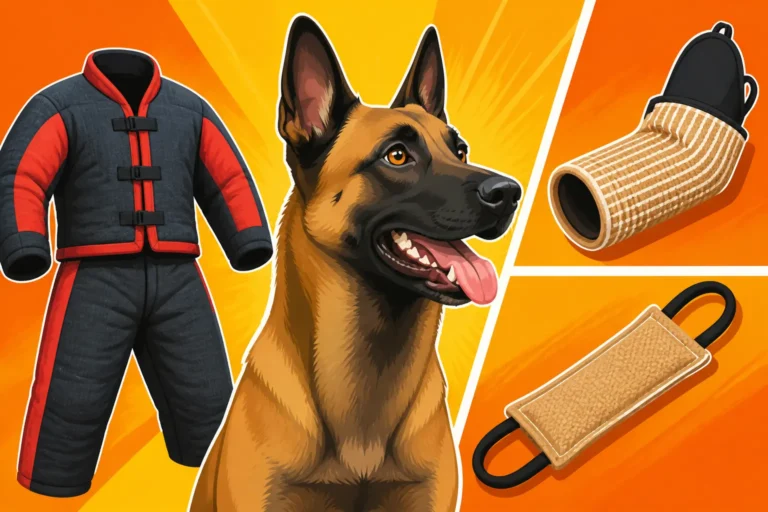
Then comes the intensive training. These puppies aren't just in basic obedience classes; they're often in specialized programs, sometimes with private trainers or experienced handlers, for months. This includes foundation work for obedience, bite development, scent detection, and environmental conditioning. All of this costs money – trainers' fees, equipment like bite suits and decoys, specialized food, and housing. Even if the dog doesn't complete the program, those resources have already been spent. K9 units and private companies often sell these dogs to offset these considerable upfront costs, allowing them to reinvest in new prospects.
Understanding the Sale Price
The actual price for a washed out police Malinois can vary dramatically, but it's important to set realistic expectations. You're unlikely to find one for the price of a typical shelter dog, but it will almost certainly be less than a fully trained, certified police K9, which can easily run into the tens of thousands of dollars.
Typically, the price reflects the dog's age, the extent of its training, and the specific reason it was "washed out." A young Malinois (1-2 years old) that was removed from the program due to a minor health issue or a perceived lack of drive for that specific program might still command a price in the low thousands. If the dog has a solid foundation in obedience and some detection work, but not enough for police standards, it still has valuable skills for an experienced owner. Agencies want to place these dogs in homes capable of handling them, and a purchase price helps ensure the new owner has thought seriously about the commitment. It’s a quality dog, even if it’s not K9 material, and its value reflects that.
What Impacts the Final Cost
Several factors play into the eventual price you might pay.
- Age: Younger dogs (under 3) often command higher prices because they have more "working years" ahead and more potential for redirection into other sports or roles.
- Training Level: A dog with a strong foundation in obedience, house manners, and some sport work (even if incomplete for K9 standards) will be more valuable than one with minimal training.
- Reason for Discharge: Dogs "washed out" for minor health concerns (like a slight dental issue, as discussed in Chipped Canines on a Malinois From Sleeve Work, or a very specific joint conformation not ideal for K9 work) often find homes more easily than those with significant behavioral issues, even if the latter is rare. Dogs discharged for low drive are often perfectly suitable for active pet homes or other dog sports.
- Source: Some K9 units work with specific adoption groups or may offer direct sales. A private seller who purchased a dog as a prospect and then decided it wasn't a fit might have a different pricing structure than a police department.
It's a balance between recouping investment and finding the right home. The agencies aren't looking to get rich; they're looking to responsibly rehome a dog they've invested in and ensure it goes to a capable handler.
Here's a comparison to give you a sense of scale:
| Type of Malinois | Typical Initial Acquisition Cost (Shape) | Key Factors Influencing Price |
|---|---|---|
| Well-Bred Pet Puppy | Moderate to significant | Pedigree, health clearances, breeder reputation |
| Green (Untrained) Working Line Prospect | Significant | Pedigree, temperament tests, import status |
| Washed Out Police Malinois | Moderate to significant, below full K9 | Age, training level attained, reason for discharge, health |
| Fully Trained/Certified Police K9 | Very high | Level of certification, specific skills, age |
| Adopted Shelter Malinois (often mixes) | Low (adoption fee) | Age, health, temperament, rescue organization fees |
Beyond the Initial Fee: Long-Term Ownership Costs for a Malinois Out of Service
The purchase price for a "washed out" Malinois is really just the beginning. These are not low-maintenance dogs, and their past lives as K9 prospects often mean they come with specific needs that can add up over time. Anyone considering adopting one needs to be prepared for the ongoing financial commitment.
Feeding a High-Drive Athlete
Even if they're not actively patrolling, a Malinois, whether "washed out" or not, remains a high-energy, high-metabolism breed. They need high-quality nutrition to maintain their lean physique, energy levels, and overall health. This isn't the breed you can skimp on when it comes to food. Expect to feed a premium kibble, or even consider raw or fresh food diets for optimal performance and health. Brands like Chewy offer a wide selection of high-performance kibbles, while services like Ollie can provide tailored fresh food options for dogs with specific dietary needs.
A working-line Malinois can easily consume more food than an average dog of its size. If you're looking at specific performance formulations, or if your dog develops sensitivities that require limited ingredient diets, those costs can add up quickly. This is a dog that will burn through calories, so the quantity and quality of food are crucial, impacting everything from their coat health to their stamina.
Veterinary Care and Potential Health Considerations
While many "washed out" dogs are healthy, they may have been removed from a K9 program due to a minor, but still noteworthy, health issue that needs management. This could be anything from a predisposition to skin allergies, a mild orthopedic concern that wouldn't hold up to police work but is manageable for a pet, or an eye condition that, while not immediately debilitating, requires regular monitoring. For example, Pannus and the Sunlight That Drives It in Malinois is a condition that requires lifelong management with daily eye drops.
Regular vet check-ups, vaccinations, and parasite prevention are standard for any dog, but for a Malinois, especially one with a history, you might face more frequent or specialized visits. Consider investing in pet insurance from providers like Healthy Paws. This can be a lifesaver, covering unexpected accidents or illnesses, which, for a highly active breed, can be a real concern. You don't want to be caught off guard by a sudden injury from a misstep during a play session or a genetic issue that manifests later in life. Thorough pre-anesthetic bloodwork is also something to budget for if any procedures are needed, as discussed in Why Anesthesia Needs Discussing Before a Malinois Goes Under.
Training, Enrichment, and Gear
A "washed out" Malinois still has all the drives and intelligence that made it a K9 prospect. These aren't dogs that will be content with a walk around the block and a comfy couch. They demand mental and physical engagement daily. This means ongoing training, whether it's advanced obedience, scent work, agility, or another dog sport. These activities often involve club memberships, class fees, and specialized equipment. For example, you might look into Detection Work Instead of Bite Work for a Malinois to give them a rewarding job.
Beyond structured training, these dogs need constant enrichment to prevent boredom and destructive behaviors. Durable chew toys, puzzle feeders, and regular access to a secure, engaging environment are essential. You'll likely go through toys faster than with other breeds, and you'll need high-quality gear – strong leashes, reliable harnesses, and perhaps even a crash-tested crate for safe travel. A Malinois isn't just a dog; it's a lifestyle, and budgeting for its mental and physical needs is non-negotiable.
Navigating the Adoption Process: How to Find a Retired or Washed Out Police Malinois
Finding a "washed out" police Malinois isn't like picking up a puppy from a breeder or visiting a local shelter. It requires specific networking and a proven track record as a responsible, experienced dog owner. These dogs are special, and agencies and trainers are meticulous about their placement.
Where These Dogs Are Placed
Most police or military K9s that don't make the cut are placed through specific channels. This is rarely a public process where you'll see them listed on general adoption websites. Instead, they often go through:
- Direct Departmental Programs: Some larger police departments or military units have formal rehoming programs for their retired or "washed out" K9s. They typically have an application process, interviews, and often require home checks.
- Specialized Malinois Rescues: There are breed-specific rescues dedicated to Belgian Malinois and often Dutch Shepherds. These organizations frequently have contacts within K9 units and are trusted to properly vet potential adopters for these high-drive dogs. What Malinois Rescues Charge and Require will give you a good idea of their process.
- K9 Handler Networks: Often, the trainers or handlers themselves will know when a dog is available. They might place the dog with a trusted acquaintance, someone they know from the dog sport world, or a former K9 handler looking for a new companion. This emphasizes the importance of networking if you're serious about this path.
- Reputable Working Dog Breeders: Breeders who supply K9 programs sometimes take back dogs that didn't work out. They will then rehome them to suitable individuals from their own network or waiting list.
It's crucial to understand that these agencies and individuals are looking for exceptional homes, not just any home. They want someone with experience handling driven working breeds.
What Agencies Look For in Adopters
If you're considering adopting a "washed out" police Malinois, prepare for a rigorous vetting process. Agencies are not just looking for a warm body; they're looking for a highly capable handler who understands the unique needs of the breed and can provide a fulfilling life.
They will likely assess your:
- Experience with Working Breeds: Have you owned high-drive dogs like German Shepherds, Rottweilers, or other Malinois before? Your ability to understand and manage their intensity is paramount. The Handler Experience a Belgian Malinois Needs is not to be underestimated.
- Lifestyle and Time Commitment: Do you have the time and energy to dedicate several hours daily to exercise, training, and mental enrichment? These dogs cannot be left alone for long periods without consequence.
- Secure Environment: Do you have a secure yard with appropriate fencing? A Malinois is notorious for its ability to escape if not properly contained. Fencing That a Belgian Malinois Cannot Clear is a serious consideration.
- Training Philosophy: Are you committed to ongoing, positive reinforcement-based training, and are you willing to seek professional guidance if needed?
- Financial Stability: Can you afford the significant ongoing costs of feeding, vet care, and training for a high-performance dog for its entire lifespan?
- Household Composition: Do you have young children or other small pets? While many "washed out" Malinois can integrate into families, their drive can be intense, and agencies will want to ensure a safe match. A Belgian Malinois in a House With Kids and Dogs is a huge consideration.
Expect detailed applications, interviews, reference checks (veterinarian, previous trainers), and potentially multiple home visits. The goal is to ensure the dog's next home is its forever home and that it will thrive.
What to Expect When Bringing One Home
Bringing a "washed out" Malinois home is an exciting but demanding endeavor. While they often come with a strong foundation in obedience, they are not robots. They are dogs with personalities, quirks, and sometimes lingering confusion from their change in career path.
You'll need to be patient, consistent, and ready to establish clear boundaries and expectations from day one. These dogs thrive on structure, and providing a predictable routine will help them settle in. Expect a period of adjustment as they learn their new environment, new rules, and bond with you. Some may exhibit anxiety, while others might test boundaries. Be prepared for a learning curve for both you and your new companion. Remember, they are leaving a highly structured, intense environment for what is likely a more relaxed, but still demanding, pet home. They will still require significant activity, often mirroring elements of their past training, to be truly fulfilled. You can get ideas on this by looking at The Job a Pet Belgian Malinois Can Be Given. Providing them with a consistent "job" or outlet for their drives is crucial for a smooth transition and a happy, well-adjusted Malinois.
Disclaimer
This article is for general informational purposes only and does not constitute professional advice. Laws, prices and regulations vary by location and change over time. Consult a qualified professional for guidance on your specific situation.