Whether a Malinois Handler Is Liable for a Club Bite
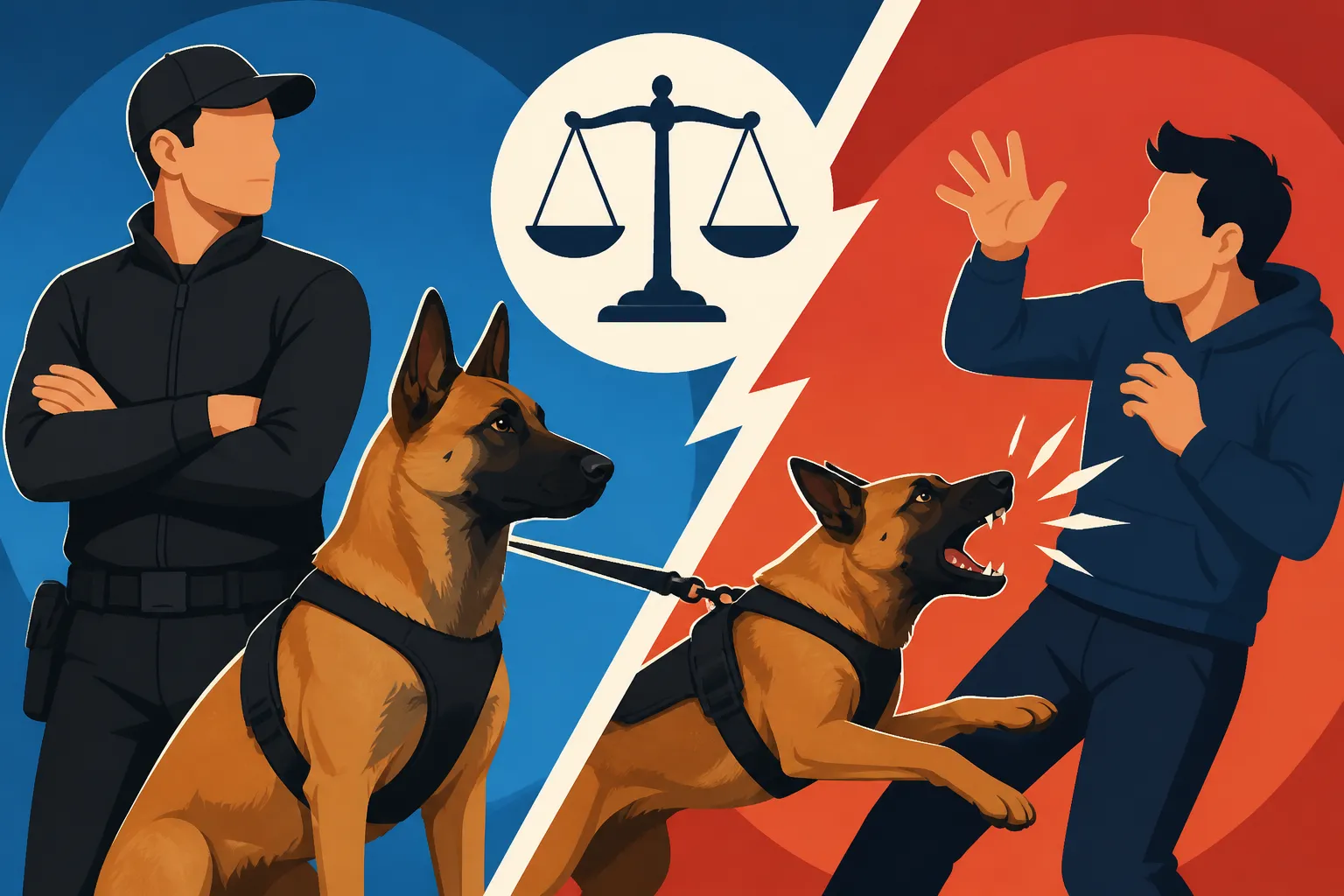
The moment your Belgian Malinois is engaged in bite work or intense training at a club, the question of who is responsible if something goes wrong – particularly if there’s a bite incident involving a person or another dog – can be incredibly anxiety-inducing. It’s a complex issue that leaves many handlers feeling confused and vulnerable, especially when they're striving to train their high-drive dogs responsibly within a structured environment. This guide aims to clear up the nuances of handler liability within club settings, offering clarity on the legal landscape and practical steps you can take to protect yourself and your dedicated Malinois.
Understanding Dog Bite Liability Beyond Your Own Property
When you step off your private property with your Belgian Malinois, especially into a training club or public event, the rules around liability can feel like a minefield. Many assume that if a bite happens, it’s always the dog owner’s fault, and while that's often true in general public spaces, the context of a dedicated training club introduces layers of complexity. It's not as simple as "my dog, my problem" when specific activities, known risks, and signed agreements come into play.
General Dog Bite Laws and the "One-Bite Rule"
First, let's touch briefly on how dog bite laws typically work. Many jurisdictions operate under what's often called the "one-bite rule," though it's not always so literal. This rule, in its classic interpretation, meant that an owner wasn't strictly liable for a dog's first bite if they had no prior knowledge of the dog's aggressive tendencies. However, many places have moved beyond this, implementing "strict liability" laws, especially for injuries caused by dogs. Strict liability means that if your dog bites someone, you are automatically held responsible, regardless of whether you knew your dog had a propensity to bite. There's no "get out of jail free" card just because it was the dog's first incident.
Adding to this complexity are breed-specific statutes or ordinances that might impose stricter rules or even prohibitions on certain breeds, which, unfortunately, sometimes include powerful working dogs like Belgian Malinois. This legal patchwork means that what applies to your neighbor's golden retriever might not apply in the same way to your Malinois, and what applies in your hometown might be different in a neighboring county. It creates a deeply unsettling uncertainty for responsible handlers who are trying to navigate the legalities while providing their dogs with appropriate outlets for their drives.
How Training Environments Differ from Public Spaces
Now, consider a training club setting. This isn't a walk in the park or a casual visit to a coffee shop. These are typically controlled environments dedicated to specific canine activities, often involving high-drive dogs and demanding training protocols. In a public park, a bite incident might immediately fall under strict liability. But in a club where participants engage in activities like bite sport, agility, or advanced obedience, everyone present usually understands that there are inherent risks. You’re not just passively existing; you’re actively participating in or observing an activity that, by its very nature, carries a higher potential for incidents. The key differentiator here is often the concept of "assumed risk" and the presence of waivers, which we'll delve into next. It's crucial to recognize that the intent and nature of the activity fundamentally alter the legal calculus.
The Role of Waivers and Assumed Risk in Club Activities
When you join a dog training club, especially one that involves sport or protection work with a powerful breed like a Belgian Malinois, you'll almost certainly encounter a stack of paperwork. Among these documents are waivers, and understanding their purpose and limitations is absolutely critical to grasping your potential liability. It’s not just bureaucratic hoop-jumping; these documents are designed to outline the responsibilities and risks for everyone involved.
What Signing a Waiver Actually Means
A waiver, at its core, is a legal document where you voluntarily give up your right to sue the club, its instructors, or other participants for certain types of injuries or damages that might occur during an activity. By signing it, you're essentially acknowledging that you understand the inherent risks associated with the training or event, and you agree to accept those risks. For example, if you're training a Belgian Malinois in a house with kids and dogs at a club that practices advanced obedience with distractions, you understand that other dogs might bark, lunge, or even make contact, and you're agreeing not to hold the club responsible if your dog gets spooked or if another dog nips your dog.
However, it's vital to understand that waivers aren't an absolute shield against all liability. They typically cover ordinary negligence and the inherent risks of the activity. They usually do not cover gross negligence, reckless behavior, or intentional harm. So, if an instructor deliberately puts you or your dog in a dangerous situation, or if the club maintains clearly unsafe premises despite knowing the risks, a waiver might not protect them. This distinction is often the battleground in legal disputes. It’s also why reading these documents carefully, rather than just signing them off, is paramount. If you have questions about the wording, don't hesitate to ask the club or even consult with legal counsel before you commit.
When Assumed Risk Comes into Play
"Assumed risk" is a legal concept closely related to waivers. It means that if you voluntarily participate in an activity knowing and understanding the potential dangers, you are considered to have assumed the risk of injury. In a dog training club, especially one focused on high-drive breeds and specific sports like IGP or French Ring, there's an implicit understanding that dogs are, well, dogs. They might jump, nip, bark, and occasionally engage in unintended contact. Participants are generally expected to be aware of these possibilities.
For instance, if you are actively participating in What Bite Sport Actually Asks of a Belgian Malinois and a dog, in the heat of the moment, accidentally makes contact with your arm instead of the sleeve, and you knew that this was a possibility inherent to the sport, you might be considered to have assumed that risk. This is different from a scenario where a dog handler loses control of their dog, allowing it to roam unsupervised and bite an innocent bystander who had no connection to the training activity. The context, the intent, and the participant's knowledge of the risks are key. Clubs often go to great lengths to communicate these risks clearly, sometimes even outlining Whether a Malinois Club Carries Its Own Insurance to cover certain scenarios, though this insurance typically protects the club, not necessarily individual handlers from their own liability.
Factors Influencing Handler Liability During a Club Bite
Even within the protective umbrella of waivers and assumed risk, the question of handler liability for a club bite isn't always cut and dry. Several factors can tilt the scales, and understanding them is crucial for any Belgian Malinois owner serious about responsible participation in training and sport. The actions of the handler, the history of the dog, the specific rules of the club, and the role of others involved all play a part.
The Handler's Actions and Due Diligence
Your behavior as a handler is paramount. Even with a signed waiver, if your dog bites someone or another dog due to your negligence, you can still be held liable. Negligence can manifest in many ways:
- Lack of Control: Failing to maintain physical control of your Malinois (e.g., dropping the leash, not securing a crate properly). A Malinois in full drive needs exceptional handling, and a dropped leash can quickly lead to an incident.
- Ignoring Warnings: If your dog has given clear warning signs of aggression (growling, lunging, snapping) and you fail to take appropriate action, that’s a red flag.
- Inadequate Training: While you're at a club to train, there's an expectation that your dog has a baseline of Obedience a Malinois Needs Before Protection Work. If your dog is entirely unmanageable and you haven't taken steps to address fundamental obedience, it could be seen as negligent.
- Violation of Club Rules: Most clubs have explicit rules about dog management, leashing, crate protocols, and interactions. Ignoring these rules can undermine any protection a waiver might offer. For instance, if the rule is always to have your dog muzzled when not actively working and you choose not to, that's a serious lapse. Muzzle conditioning is a smart practice for any high-drive dog, and Muzzle Conditioning Before a Malinois Ever Needs One is something every Malinois owner should consider.
It’s about showing reasonable care. Are you doing everything a prudent and responsible Malinois owner would do in that situation? Are you utilizing your Crash Tested Transport Crates for a Malinois correctly, securing your dog when not actively training, and paying attention to your dog's signals and the environment?
Dog's History and Known Tendencies
The legal system often looks at what you knew or should have known about your dog's temperament. If your Malinois has a history of aggression towards people or other dogs, and you haven't adequately managed or disclosed that history, your liability significantly increases. Even if your Malinois is typically a rockstar, any prior incidents, even minor ones, could be brought up. This highlights the importance of honesty with your club and trainers about your dog's temperament and any challenges you're facing. Trying to hide a known behavioral issue will only backfire if an incident occurs.
Club Rules, Instructor Directives, and Decoy Involvement
The specific rules of the club and the instructions given by the trainers or decoys are paramount. If an incident happens while you are following a direct instruction from an experienced instructor or decoy, and the incident is a known risk of the activity, your liability might be reduced. This isn't to say you're off the hook, but it complicates the argument of your negligence.
Conversely, if you disregard an instructor's explicit directive (e.g., "Don't let your dog off-leash yet," or "Use a harder grip on that tug," leading to an over-aroused dog), then the liability pendulum swings back towards you. The role of the decoy in protection sports is also unique; they are intentionally provoking the dog within controlled parameters. If a bite occurs on a decoy during bite work, it's generally understood as an inherent risk of the activity they are paid to do. However, if the dog breaks from the decoy and bites someone else because of a handler's lapse, that's a different story. Clear communication and adherence to Tug Rules for a Belgian Malinois are critical in preventing accidental bites outside of the intended target.
Practical Steps to Protect Yourself as a Malinois Handler
Navigating the world of high-drive dog sports with a Belgian Malinois is incredibly rewarding, but it also comes with significant responsibilities. Beyond understanding the legal framework, there are proactive steps you, as a handler, can and absolutely should take to minimize your risk of liability and ensure the safety of everyone around your powerful dog.
Always Be Prepared and Proactive
Being prepared isn't just about having treats and a leash. It's about anticipating scenarios and having solutions in place.
- High-Quality, Reliable Equipment: Invest in top-tier leashes, collars, and harnesses that are appropriate for a strong Malinois. A flimsy leash breaking at the wrong moment can have severe consequences. Consider a hands-free leash for certain activities, but always have a backup plan for situations requiring direct control.
- Effective Containment: Whether it’s a sturdy crate at the club or a secure kennel run, ensure your Malinois is safely contained when not actively working. This prevents accidental encounters and gives your dog a quiet space. Remember, a Malinois needs a secure setup that it cannot escape, whether it's Fencing That a Belgian Malinois Cannot Clear at home or a heavy-duty crate.
- Maintain Control: This sounds obvious, but in a busy club environment, distractions abound. Your focus needs to be on your dog. Always know where your dog is, what it's doing, and what's happening in its immediate vicinity. Practicing Recalling a Belgian Malinois Off a Moving Target or building reliable focus in distracting environments is paramount.
- Situational Awareness: Constantly scan your surroundings. Are there children nearby? Other dogs? New people approaching? Being aware allows you to proactively manage your dog’s reactions before they escalate.
Clear Communication and Transparency
Honesty and clear communication can go a long way in preventing misunderstandings and mitigating potential liability.
- Inform Club Staff and Decoys: If your Malinois has any quirks, sensitivities, or a history of specific reactions, communicate these to your trainers and decoys upfront. They can help you manage situations and adjust training.
- Set Boundaries with Others: Don't be shy about advocating for your dog's space. If someone (especially a child) approaches your Malinois without permission, politely but firmly intervene. A simple "Please ask before petting" or "We're in training right now, maybe later" can prevent an incident. It’s your job to protect both your dog and the public.
- Read and Understand All Agreements: Before signing anything, read it carefully. If you don’t understand a clause in a club’s waiver or policy, ask for clarification. Don't assume anything.
Continued Training and Socialization
A well-trained and appropriately socialized Malinois is your best defense against liability.
- Ongoing Training: Even if your Malinois is titled, consistent maintenance training is vital. Regular reinforcement of obedience, especially around distractions, ensures your dog remains reliable.
- Appropriate Socialization: This doesn't mean dog park free-for-alls. It means controlled, positive exposure to various people, places, and other dogs so your Malinois learns to be neutral and calm in different environments. For a high-drive Malinois, often Whether a Belgian Malinois Should Meet Strange Dogs requires careful management.
- Building an "Off-Switch": Teaching your Malinois to settle and relax is as important as teaching it to work. A dog that can switch off its drive is less likely to be over-aroused and prone to unintended reactions. Learn about Building an Off Switch Into a Belgian Malinois for invaluable guidance.
Insurance Considerations for Malinois Handlers
Even with the best training, the most diligent handling, and a clear understanding of club rules, accidents can happen. This is where insurance becomes an absolutely critical component of responsible Belgian Malinois ownership, especially if you engage in demanding sports or work. The financial fallout from a serious dog bite can be catastrophic, and having the right coverage can provide a much-needed safety net.
Homeowners or Renters Insurance and Dog Bite Coverage
Most homeowners or renters insurance policies do offer some form of liability coverage for dog bites that occur on your property or even in public. However, here's where it gets tricky for Malinois owners:
- Breed Restrictions: Many insurance companies have specific breed restrictions, and breeds commonly associated with bite work or high drive, like Belgian Malinois, are often on these lists. This doesn't mean they won't insure you, but they might exclude dog bite liability specifically for your Malinois, or charge significantly higher premiums. It's vital to be upfront with your insurer about your dog's breed and activities.
- Policy Limits: Even if covered, policies have limits. A severe bite incident, especially one involving extensive medical care or legal fees, can easily exceed standard liability limits. You'd be amazed at What a Belgian Malinois Bite Costs an Owner.
- Club Activity Exclusion: Some policies might exclude incidents that occur during specific high-risk activities, such as protection sports. This is a crucial detail to verify with your provider.
It is absolutely essential to call your insurance provider and explicitly ask about their policy regarding Belgian Malinois and dog bite liability. Don't assume you're covered. Transparency is key, even if it means shopping around for a new provider that is more amenable to working breeds. You might also want to explore a separate umbrella policy to increase your overall liability coverage.
Dedicated Canine Liability Insurance
Because of the challenges with standard homeowners/renters insurance, many Malinois owners opt for dedicated canine liability insurance. This type of policy is specifically designed to cover legal expenses and damages resulting from incidents involving your dog, including bites. These policies are often more understanding of working breeds and their activities.
For a high-drive dog, it’s worth investigating companies that specialize in pet liability. Brands like Healthy Paws primarily focus on pet health insurance, covering vet bills for illnesses and injuries, which is also incredibly important for an active Malinois (think Torn Cruciates in a Jumping Belgian Malinois or The Vet Bills a Bite Sport Belgian Malinois Runs Up), but they may also offer or partner with providers for liability coverage. Make sure you understand the distinction between medical insurance for your dog and liability insurance for your responsibility for your dog's actions.
When researching canine liability insurance, ask specific questions:
- Does it cover my Malinois, given its breed and training activities (e.g., bite work at a club)?
- Are there any exclusions for specific types of bites or locations where they occur (e.g., at a trial)?
- What are the policy limits, and are they sufficient for potential medical and legal costs?
- Does the policy cover legal defense costs, even if you are ultimately found not liable?
Here's a quick comparison of general insurance types:
| Insurance Type | Primary Coverage | Typical Applicability for Malinois Handler | Potential Gaps for Malinois Handler |
|---|---|---|---|
| Homeowners/Renters Insurance | Property damage, personal liability | May cover dog bites in general settings or on your property, depending on policy. Often includes legal defense. | Frequent breed restrictions (often exclude Malinois); may exclude incidents from "high-risk" activities like bite sport. |
| Umbrella Policy | Excess liability coverage | Extends limits of underlying policies (homeowners, auto) for broad liability. | Only kicks in if underlying policies cover the incident; if Malinois liability is excluded from homeowners, it won't help. |
| Dedicated Canine Liability Policy | Specific liability for dog-related incidents | Designed to cover dog bites/damages for all breeds, including working dogs and those in sport. Often covers legal costs. | Specific policy details vary; must ensure it covers all desired activities (e.g., training at a club). |
| Pet Health Insurance (e.g., Healthy Paws) | Vet bills for illness/injury | Covers your Malinois's medical costs (e.g., after an injury from training). | Does not cover liability for damages your dog causes to people or property. |
Understanding Whether Extra Liability Cover Reaches a Malinois Bite is paramount, as a simple incident can turn into a life-altering event. Taking the time to secure adequate coverage is not an expense; it's an investment in peace of mind and responsible dog ownership. It’s also important to note that some clubs might require members to show proof of liability insurance, understanding the inherent risks involved in working with these magnificent, powerful dogs.
Disclaimer
This article is for general informational purposes only and does not constitute professional advice. Laws, prices and regulations vary by location and change over time. Consult a qualified professional for guidance on your specific situation.