Feeding a Belgian Malinois Around Training Sessions
Trying to figure out when and what to feed your Belgian Malinois when they're constantly on the go for training can feel like a high-stakes puzzle. It’s not just about throwing food in a bowl; it’s about optimizing their fuel for peak performance, quick recovery, and overall health. This comprehensive guide will walk you through the nuances of feeding your driven Malinois before, during, and after those intense training sessions, addressing common challenges and offering practical solutions.
The Critical Timing of Meals for Performance and Digestion
When you have a Belgian Malinois, especially one involved in regular training or sport, meal timing isn't just a suggestion—it's a critical component of their success and well-being. Feeding at the wrong time can lead to digestive upset, decreased performance, or even serious health risks. It’s a delicate balance to strike, making sure they have enough energy without feeling heavy or experiencing discomfort.
Pre-Training Fuel: Striking the Balance
Feeding your Malinois too close to a high-intensity training session is a recipe for disaster. Think about how you’d feel running a marathon right after a huge meal – sluggish, perhaps nauseous, and certainly not at your best. Dogs are no different, and with a breed as prone to drive and physical exertion as the Malinois, the risks are amplified. The goal here is to provide sustained energy without putting their digestive system under strain while they’re also working their bodies hard.
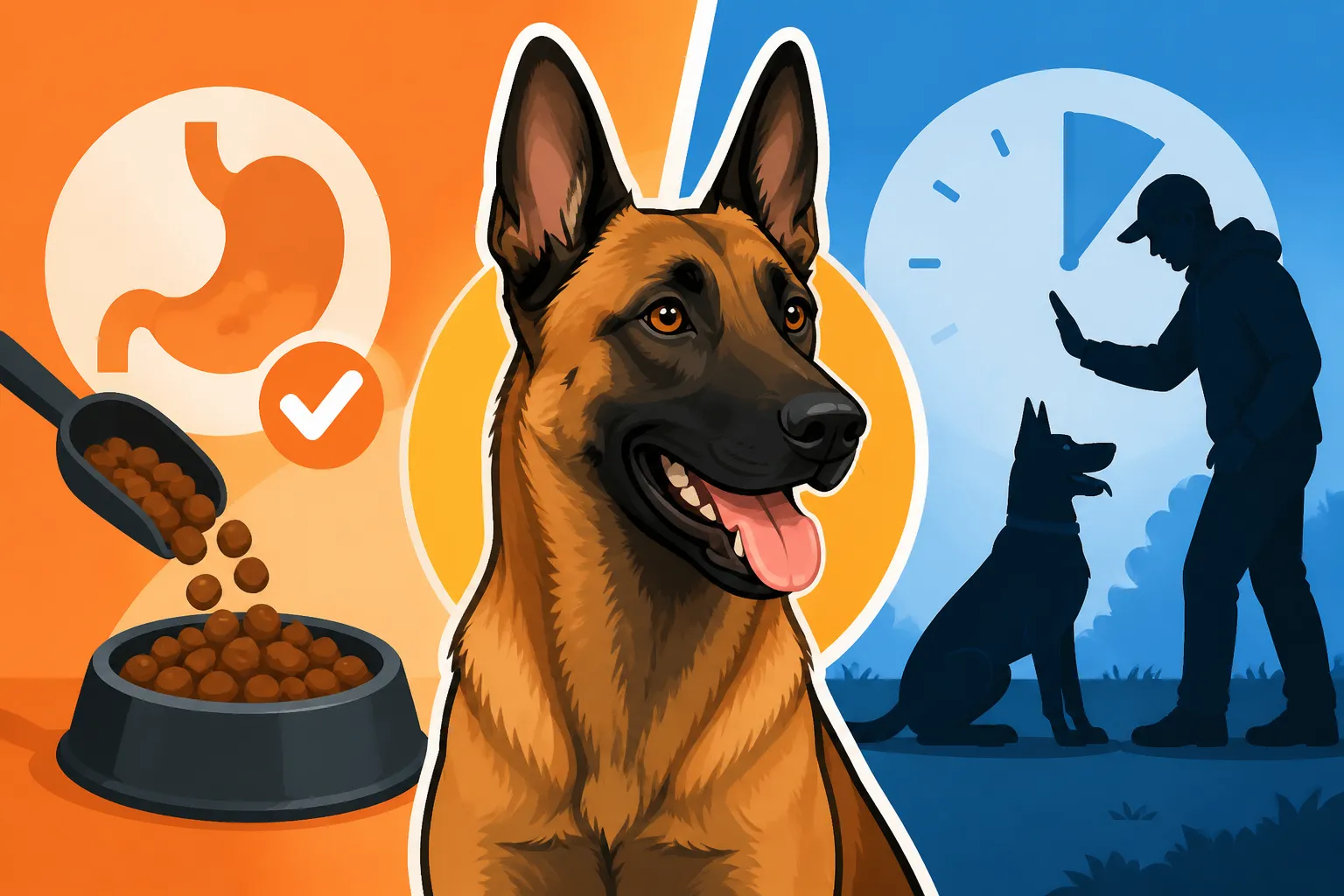
A general rule of thumb is to feed your Malinois at least 2-3 hours, and ideally 4-6 hours, before any strenuous activity. This gives their body ample time to digest the food and assimilate nutrients without interfering with their physical demands. For morning sessions, this might mean an early breakfast or pushing their main meal to after training. If your dog struggles with stress and won't eat before training, don't force it; a missed meal is better than an upset stomach or a dog that associates eating with feeling sick during work. Focus on consistent hydration instead. You might find some useful insights in Whether a Malinois Should Rest Before Bite Work.
Post-Training Recovery: Replenishing What Was Lost
After a demanding training session, your Malinois's body is in recovery mode. They've burned through glycogen stores, their muscles need repair, and they've likely lost fluids and electrolytes. This is a prime window for nutrient absorption and beginning the rebuilding process. However, just like pre-training, there's a sweet spot for when to offer that meal. Immediately after intense work, their body is still in a heightened state, and blood flow is directed more towards muscles than digestion.
Waiting about 30-60 minutes post-training allows their heart rate to normalize, their breathing to settle, and their digestive system to prepare for intake. Offering a balanced meal during this time helps replenish energy, provides amino acids for muscle repair, and supports overall recovery. Consider a meal that includes a good source of protein and carbohydrates. Some handlers even offer a small, easily digestible snack a bit sooner, followed by a larger meal later, especially after exceptionally long or taxing sessions. Remember, consistent recovery nutrition contributes to their longevity and ability to perform day after day.
Avoiding Bloat Risk: A Serious Concern
One of the most terrifying risks associated with feeding large, deep-chested breeds like the Belgian Malinois is Gastric Dilatation and Volvulus (GDV), commonly known as bloat. This life-threatening condition occurs when the stomach fills with gas and often twists, cutting off blood supply. While the exact causes are complex and not fully understood, feeding large meals close to exercise is considered a significant contributing factor.
To mitigate this risk, never allow your Malinois to exercise vigorously immediately before or after eating. Stick to the 2-4 hour rule for both pre- and post-meal activity. Some owners also choose to feed multiple smaller meals throughout the day rather than one or two large ones, which can reduce the volume of food in the stomach at any given time. Monitoring for signs of bloat, such as distended abdomen, unproductive retching, or restlessness, is crucial. You can learn more about this serious issue in Whether Torsion Happens in Belgian Malinois and Feeding Habits That Raise a Malinois's Torsion Risk. Always consult your vet about your Malinois’s specific feeding plan to minimize risks.
Fueling Their Drive: Nutritional Requirements for the Working Malinois
A Belgian Malinois isn't your average couch potato; these dogs are finely tuned athletes. Their nutritional needs are significantly higher and more specific than a less active dog. Providing the right balance of macronutrients and micronutrients isn't just about survival; it's about sustaining their incredible drive, stamina, and mental acuity that makes them such exceptional working partners.
Protein and Fat for Power and Stamina
For a working Malinois, protein is paramount. It's the building block for muscle repair and growth, essential after every training session. Look for high-quality animal proteins as the first ingredient in their food. Many performance dog foods will list chicken meal, beef, lamb, or fish as primary protein sources. The percentage of protein in a working dog's diet often falls in the 25-35% range, sometimes even higher for extremely active individuals, though your vet or an experienced canine nutritionist can guide you on specifics for The Daily Ration a Working Belgian Malinois Eats.
Fat is also a critical energy source for a Malinois. It provides concentrated calories, which are vital for endurance and stamina during prolonged activity. Healthy fats, like those from chicken fat, flaxseed, or fish oil (rich in Omega-3s), support skin and coat health, reduce inflammation, and aid in nutrient absorption. A fat content of 15-25% is often appropriate for a highly active Malinois. These higher fat levels help maintain their lean condition without unnecessary bulk, providing sustained energy without the spikes and crashes associated with quick-burning carbs. Many premium brands, available through retailers like Chewy, specialize in performance formulas designed for these needs.
Carbohydrate Considerations for Quick Energy
While protein and fat are the mainstays, carbohydrates play a supporting role in providing readily available energy, particularly for quick bursts of activity. Complex carbohydrates like sweet potatoes, brown rice, or oats release energy slowly, preventing rapid blood sugar spikes and crashes. For dogs with high energy demands, a moderate amount of digestible carbohydrates can be beneficial. However, avoid excessive fillers or simple sugars that offer little nutritional value.
The quality of carbohydrates matters significantly. Grains are not inherently bad for dogs unless they have a diagnosed allergy or sensitivity; whole grains can be an excellent source of fiber and energy. Some owners opt for grain-free diets, but it's important to choose those that use healthy carb alternatives rather than just replacing grains with other starches that might lack nutritional benefits. The balance is key: enough carbs to fuel immediate needs, but not so many that they dilute the essential protein and fat content.
Micronutrients and Supplements for Resilience
Beyond the macros, a working Malinois relies heavily on a robust profile of vitamins and minerals. These micronutrients are essential for everything from bone health and immune function to nerve transmission and metabolic processes. A high-quality commercial dog food formulated for active breeds should provide a complete and balanced array of these.
However, given the intense demands placed on a working Malinois, some owners and trainers consider targeted supplements. Joint supplements, often containing glucosamine and chondroitin, are popular for supporting cartilage health and reducing inflammation, especially with the high impact of jumping and running inherent in sports like IGP or Ring. Joint Supplements for a Working Belgian Malinois provides more detailed information. Probiotics can support gut health, which is vital for nutrient absorption and overall immunity, especially if your dog experiences stress-related Soft Stools in a Malinois Under Training Stress during trials or intense phases of training. Always consult your veterinarian before adding any supplements to your Malinois’s diet, as excessive supplementation can sometimes be harmful.
Hydration is Non-Negotiable: Keeping Your Malinois Well-Watered
For an athletic dog like the Belgian Malinois, proper hydration isn't just about preventing thirst; it's fundamental to every bodily function and absolutely critical for maintaining performance, regulating body temperature, and preventing serious health issues like heatstroke. Given their high drive and tendency to push themselves, owners must be hyper-vigilant about water intake, especially around training sessions.
Pre-Training Hydration Rituals
Ensuring your Malinois is well-hydrated before training even begins is a proactive step that pays dividends. Dehydration can begin subtly and significantly impair performance and increase the risk of overheating. Offer fresh water frequently in the hours leading up to a training session. Some dogs are so driven that they will refuse water in anticipation of work; for these dogs, encouraging water intake can be a challenge.
You might try adding a splash of bone broth (low sodium, unsalted) to their water bowl to make it more enticing, or simply offering water from a different bowl or location. Consider offering a small amount of water or an electrolyte solution (specifically designed for dogs, not human sports drinks) 30-60 minutes before training, allowing enough time for it to be processed without causing sloshing during intense activity. Having a consistent routine around water can help your Malinois anticipate and take in fluids.
During-Training Water Breaks: Essential and Strategic
During training, especially in warmer weather or for extended sessions, strategic water breaks are non-negotiable. Your Malinois is expending significant energy and heat, and continuous hydration helps prevent overheating and maintain electrolyte balance. Don't wait until your dog is panting excessively or showing signs of fatigue; offer water proactively.
Carry a portable water bottle and bowl with you to all training sessions. During a break, offer small amounts of water frequently rather than allowing them to gulp down a large volume all at once, which could lead to stomach upset or even contribute to bloat risk. Watch for signs that your dog is actively seeking water, but remember that a high-drive Malinois might ignore their thirst signals if they're focused on the job. It's your responsibility to enforce those breaks. For situations in hot climates, understanding Electrolytes for a Belgian Malinois in Summer can be particularly helpful. Retailers like Amazon offer a wide array of portable dog bowls and hydration solutions suitable for active dogs.
Post-Training Rehydration and Electrolyte Balance
Once training is complete and your Malinois is cooling down, replenishing fluids and electrolytes is just as important as feeding. Their body needs to recover from the exertion, and water is crucial for flushing out metabolic byproducts and restoring balance. Offer plenty of fresh water, and again, small, frequent amounts are better than one huge gulp.
If the training was particularly long, intense, or conducted in hot weather, a canine-specific electrolyte supplement might be beneficial to restore lost minerals like sodium, potassium, and chloride. These aren't necessary for every session but can be invaluable for maximizing recovery after strenuous work. Monitor your dog's urine output and color; dark, concentrated urine can be a sign of dehydration. Keeping them well-hydrated post-training ensures they bounce back quickly and are ready for their next session.
Navigating Appetite and Stress: Feeding the Finicky or Over-Excited Malinois
Belgian Malinois are incredibly intelligent and sensitive dogs, and their intense focus and high arousal can sometimes impact their appetite, particularly around training. It’s not uncommon for a Malinois to be too excited or stressed to eat, which can be frustrating for owners trying to ensure they’re properly fueled. Understanding these behavioral factors is key to developing a successful feeding strategy.
Stress-Induced Anorexia: When the Stakes Are High
Some Malinois, especially those preparing for a trial or under the pressure of new environments, can experience stress-induced anorexia. Their drive and anxiety can suppress their appetite, making them refuse even their favorite food. This isn't necessarily a sign of illness, but rather their body's "fight or flight" response prioritizing other functions over digestion. Over time, consistent refusal can lead to weight loss and nutrient deficiencies, impacting performance and overall health.
If your Malinois is consistently refusing food due to stress, consider making mealtimes as calm and predictable as possible. Feed in a quiet area, away from the hustle and bustle of training activities. Sometimes offering food in a puzzle toy or a snuffle mat can make it more engaging and less like a "task" they have to perform. Feeding a Belgian Malinois That Will Not Eat Under Stress delves deeper into managing this challenge. Trying different food textures or adding palatable toppers, like a little bit of canned pumpkin or unsalted broth, might also entice them to eat. Brands like Ollie, which offer fresh, human-grade food, can sometimes be more appealing to picky or stressed eaters due to their palatability.
Over-Excitement and Refusal: The Thrill of the Game
On the flip side, some Malinois are simply too amped up and excited to eat. Their focus is entirely on the next command, the next bite, the next retrieve. They’re running on pure adrenaline and find sitting down for a meal utterly boring compared to the thrill of the work. This is a testament to their incredible drive but poses a challenge for maintaining their energy reserves.
For these dogs, feeding a bit earlier or later than planned, when they’ve had a chance to decompress from the excitement, can be effective. Providing a quiet cooldown period after training, perhaps with a gentle massage or a relaxing chew, can help them shift gears from "work mode" to "rest and digest mode." Offering a small, highly palatable meal or snack immediately after this cool-down period can capitalize on their readiness to refuel without the distraction of lingering excitement. Consistency in this cool-down and feeding routine helps them learn what to expect.
Strategies for Picky Eaters and Maintaining Weight
Even without overt stress or over-excitement, some Malinois can simply be picky, especially with repeated exposure to the same kibble. Maintaining a healthy weight and condition is vital for their performance and joint health. The lean, athletic build of a Malinois means any significant weight loss is noticeable and concerning. Judging a Malinois's Condition by Hand is a crucial skill for any owner.
If your Malinois is showing disinterest in their regular food, consider rotating protein sources or trying different high-quality brands. Some dogs respond well to a "topping" of wet food, raw meat, or a spoonful of plain yogurt to boost appeal. Always introduce new foods gradually to avoid digestive upset. For dogs that are truly struggling to maintain weight, a performance-formulated kibble with a higher calorie and fat content may be necessary. Looking at What Performance Kibble Costs for a Malinois might give you an idea of budget considerations, but investing in quality food is key for these active dogs.
Monitoring and Adjusting: Keeping Your Malinois in Peak Condition
Feeding a Belgian Malinois is an ongoing process, not a one-time decision. Their caloric and nutritional needs can fluctuate based on their training intensity, environmental conditions, age, and even their stress levels. Regularly monitoring their body condition and making thoughtful adjustments to their diet is crucial to keeping them healthy, sound, and ready to work.
Visual Body Condition Score: Your Daily Check
The visual body condition score (BCS) is one of the most practical tools you have as an owner. You should be able to easily feel your Malinois’s ribs, spine, and hip bones with minimal fat covering, but they shouldn't be visibly protruding or sharp. From above, they should have a distinct waist, and from the side, an abdominal tuck. A Malinois is naturally lean, but "ribby" is different from "emaciated."
Checking your dog’s BCS daily, or at least several times a week, helps you catch subtle changes. If their ribs are becoming more prominent, they might need a bit more food. If you’re having trouble feeling their ribs easily, they might be getting a little too heavy. It’s a delicate balance that can shift quickly in such an active breed. You can also refer to The Lean Condition a Belgian Malinois Should Carry for more details on what to look for.
Weight Tracking: The Numbers Don't Lie
While BCS is great for a quick visual assessment, regularly weighing your Malinois provides objective data. Aim to weigh your dog at least once a month, or more frequently if you’re making dietary changes or monitoring recovery from an illness or injury. A consistent baseline weight helps you identify trends. A sudden drop in weight, even if their BCS doesn't look dire yet, can signal a need for increased calories or a potential health issue that warrants veterinary attention.
Keep a log of their weight, alongside notes about their training intensity and food intake. This data can be invaluable if you need to consult with your veterinarian or a canine nutritionist. It allows you to make informed decisions about adjusting their The Daily Ration a Working Belgian Malinois Eats rather than guessing. Remember, healthy weight management is a lifelong commitment, and for a working Malinois, it directly impacts their ability to perform and their long-term joint health.
Stool Consistency: A Window into Digestive Health
Your Malinois's stool consistency is a surprisingly accurate indicator of how well their digestive system is coping with their diet and activity level. Ideal stool should be firm, moist, and easy to pick up, often described as having the consistency of Play-Doh. Any significant deviation – very soft, watery, or excessively hard and dry – can signal a problem.
Soft stools, especially during periods of high stress like trials or intense training, can indicate that food is passing through too quickly for optimal nutrient absorption. This might necessitate a change in food, the addition of a probiotic, or a reassessment of feeding times relative to stress. Hard, dry stools might point to insufficient hydration or fiber. Soft Stools in a Malinois Under Training Stress is a common issue for many owners. Paying attention to these subtle cues and making appropriate adjustments to their diet, hydration, or even stress management can prevent more serious digestive problems and ensure your Malinois is getting the most out of every meal.
Summary of Feeding Strategies Around Training
To help visualize the considerations for feeding your Belgian Malinois around training, here's a table summarizing key points:
| Aspect | Pre-Training (4-6 hours before) | During Training | Post-Training (30-60 minutes after) | General Considerations |
|---|---|---|---|---|
| Goal | Provide sustained energy, prevent bloat | Maintain hydration, prevent overheating | Replenish energy, repair muscles, rehydrate | Maintain optimal body condition, support overall health |
| Food Type | Regular balanced meal (high protein, moderate fat/carb) | None (unless very light, easily digestible snack for long sessions) | Regular balanced meal or recovery-focused snack | High-quality performance food, appropriate for activity level |
| Hydration | Ample fresh water | Frequent small sips of water, canine electrolyte solution (if needed) | Ample fresh water, canine electrolyte solution (if intense work) | Always have fresh water available |
| Activity Level | Restrict strenuous exercise (light potty break is fine) | Intense physical exertion | Gradual cool-down, then light activity | Avoid vigorous exercise 1 hour before/after meals to prevent bloat |
| Considerations | Avoid large meals close to exercise; manage stress-induced refusal | Monitor for dehydration/overheating; enforce breaks | Aid recovery; monitor stool consistency; manage over-excitement | Regular body condition scoring & weight tracking; consult with vet |
| Common Challenges | Bloat risk; picky eaters due to stress/excitement | Dehydration; heat stress | Over-excitement leading to refusal; muscle soreness | Nutritional deficiencies; weight fluctuations; digestive upset |
Disclaimer
This article is for general informational purposes only and does not constitute professional advice. Laws, prices and regulations vary by location and change over time. Consult a qualified professional for guidance on your specific situation.