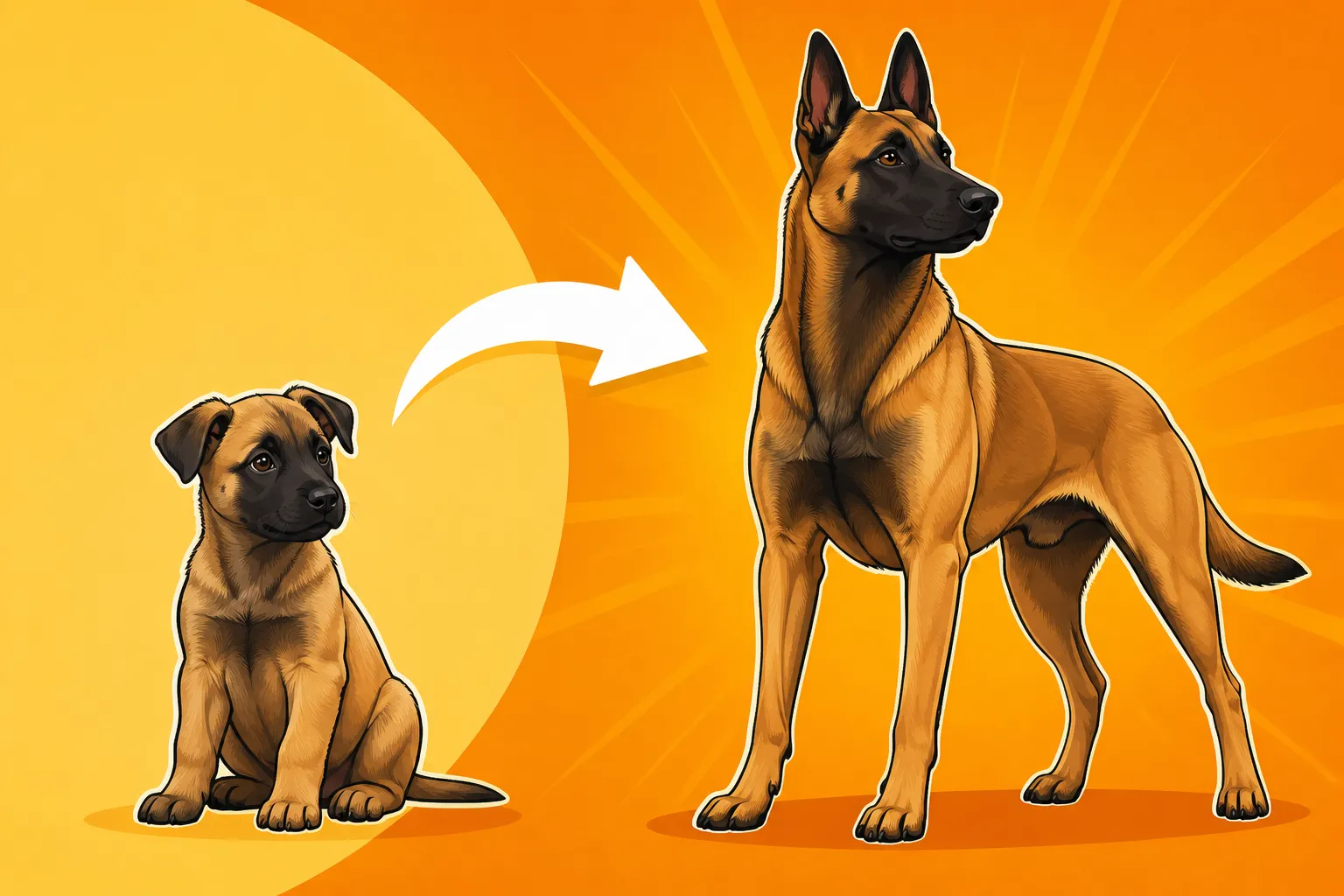
When a Malinois Finishes Growing and Fills Out
One of the most common questions new Belgian Malinois owners have, often filled with a mix of anticipation and perhaps a touch of impatience, is "When will this dog finally grow up?" It's easy to look at their gangly, energetic puppy self and wonder when that intense, lean adult body will truly solidify. This guide dives deep into the distinct phases of physical and mental maturation your Malinois will experience, helping you understand what to expect and how to support their journey.
The Initial Growth Spurt: Puppyhood to Adolescence
The journey from a tiny, adorable Malinois puppy to a full-grown, magnificent dog is a rapid one, especially in the first few months. It's a period marked by incredible changes, both visible and invisible, that lay the foundation for their adult physique and athletic capabilities. Understanding this initial phase is crucial for responsible ownership, as improper care can have lasting consequences.
Rapid Skeletal Development in the First Six Months
From the moment you bring your Malinois puppy home, usually around 8 to 12 weeks, they are in a state of intense growth. Their bones are lengthening at an astonishing rate, laying down the framework for their eventual height and structure. This isn't just about getting taller; it's about the entire skeletal system expanding and adapting. Think of it like building the frame of a house – it goes up quickly, but the integrity of that frame is paramount. During this time, they are consuming a significant amount of nutrients to fuel this growth. It’s why a high-quality puppy food, designed for large, active breeds, is so vital. You might find yourself constantly adjusting their food portions, feeling like they're a bottomless pit, and for good reason! Their bodies are literally constructing themselves.
It’s also during these early months that you really start to see the Malinois's personality emerge. While their physical growth is primary, their brains are also developing, laying the groundwork for their incredible intelligence and drive. This is a delicate balance, as their physical capabilities often outpace their mental maturity, leading to those infamous "Maligator" puppy antics.
Navigating the Puppy Growth Plates
Perhaps one of the most critical aspects of this rapid early growth is the status of their growth plates. These are soft, cartilaginous areas near the ends of long bones in puppies and adolescents, responsible for producing new bone tissue and lengthening the bones. In a high-energy, athletic breed like the Belgian Malinois, these plates are particularly vulnerable until they close and ossify (turn into solid bone). This typically happens between 12 and 18 months of age, though it can vary.
During the time their growth plates are open, excessive high-impact activities, such as jumping from heights, intense agility, or repetitive hard running on unforgiving surfaces, can cause irreversible damage. This isn't to say your Malinois puppy shouldn't exercise, quite the opposite! Controlled, appropriate exercise like walking, short bursts of play on soft ground, and swimming (once they're old enough) are excellent. The key is moderation and avoiding anything that puts undue stress on those developing joints. A focus should be on building controlled movement and body awareness rather than pushing for speed or height. Many experienced owners are deeply aware of this vulnerability, carefully structuring a puppy's activity to protect these crucial developmental points. For more on this, you might find When a Malinois Puppy's Joints Can Take Impact helpful.
Expected Height Milestones
While every Malinois is an individual, there are general milestones for height during the first year. Most of their height gain happens by about 8-10 months, and certainly by 12 months. At this point, they'll often be at or very near their adult height. However, they'll likely look rather gangly and "leggy." They might feel like they're still growing out of their skin, all arms and legs.
A male Malinois, for instance, might hit close to his full height of 24-26 inches by this age, but he’ll still be quite slender. A female Malinois, aiming for 22-24 inches, will also likely be at her height by her first birthday. You'll observe their paws often looking disproportionately large, a classic sign that there's still more growing into their body to do. This stage can be frustrating for owners eager to start more demanding physical activities, but patience is truly a virtue here. The phrase "all height, no depth" often applies, as their chests haven't fully dropped yet, contributing to their slender appearance.
Adolescent Awkwardness: The Lanky Stage of a Malinois
After the initial burst of height, your Malinois enters a phase that can best be described as "adolescent awkwardness." They've reached much of their skeletal height, but their bodies haven't yet filled out with the muscle and depth that characterizes an adult Malinois. This stage is often challenging for owners, as their physical capacity starts to increase, but their coordination and mental maturity still have a way to go.
The "All Legs and Ears" Phase
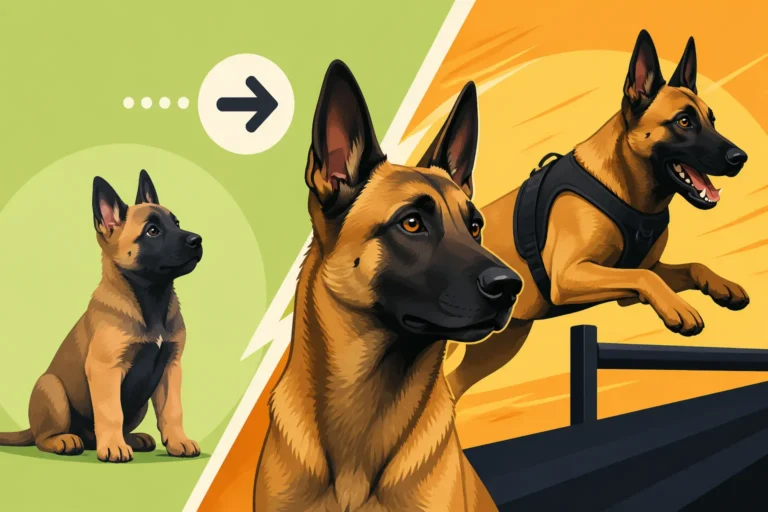
If your Malinois seemed to sprout upwards in the first six months, the adolescent period, roughly from 8-10 months to about 18 months, is when they still look a bit disproportionate. They are truly in their "all legs and ears" phase. Their long legs seem to get in the way sometimes, their coordination can be a bit clumsy, and they often haven't developed the deep chest and broad musculature that they will eventually possess. This lanky appearance is perfectly normal. Their body is still in the process of catching up to itself, distributing weight and muscle over that newly acquired skeletal frame.
During this time, it's not uncommon for owners to worry if their Malinois is too thin. While it's crucial for a Malinois to be lean, there's a difference between lean and underweight. Your dog might look skinny to the casual observer, but if they're eating well, energetic, and your vet confirms their health, this lankiness is simply a stage of development. The ribs might be easily palpable, even visible, without being overly prominent. This is part of the natural process of bone growth preceding muscle development.
Gradual Closing of Growth Plates
While much of the rapid growth plate activity slows down by 12 months, the actual closure and ossification of these crucial growth plates continues gradually. For many Malinois, especially the larger males, it might not be fully complete until 18 months of age. This means that even if they've reached their full height, their joints are still maturing and somewhat susceptible to injury from repetitive high-impact work. Continuing to exercise caution and gradually increasing the intensity and duration of physical activity remains important.
This extended period of growth plate closure is a key reason why many serious sport dog handlers and breeders recommend holding off on intense, repetitive jumping, hard retrieve work, or sustained forced running until the dog is closer to 18 months or even two years old. It’s an investment in their long-term soundness and athletic career. Pushing them too hard, too soon, can lead to debilitating joint issues down the line, an outcome no dedicated Malinois owner wants to face.
Energy Levels During This Period
The adolescent Malinois isn't just physically lanky; they are often bundles of boundless, sometimes chaotic, energy. While they're still growing, their stamina and strength are increasing significantly. This is the period when many owners feel their Malinois truly earns its reputation for relentless drive and intensity. They can run further, play harder, and seem to have an inexhaustible supply of enthusiasm for anything you throw at them.
However, this increased physical capacity can be a double-edged sword. While it's tempting to try and "run the energy out" of them, remember the still-developing joints. Furthermore, their mental maturity is still lagging behind their physical prowess. This means they might have the physical ability to perform complex tasks, but their focus, impulse control, and emotional regulation might still be very much "teenage." It's common to see a surge in testing boundaries and a temporary regression in training during this phase. This is where consistent training, clear boundaries, and appropriate mental stimulation become even more critical. They need a job, even if it's just practicing obedience or scent work in the backyard, to prevent them from inventing their own, often destructive, entertainment. The Adolescent Malinois That Tests Everything is a great resource for navigating this challenging but rewarding period.
Filling Out: Muscle Development and Maturity
Once your Malinois is largely done with vertical growth, the next significant phase is "filling out." This is where their body gains depth, breadth, and solid musculature, transforming from a lanky adolescent into the powerful, athletic adult you envisioned. This stage typically begins around 18 months and can continue well into their second, and sometimes even third, year.
The Chest Drop and Deepening Body
One of the most noticeable changes as a Malinois "fills out" is the deepening of their chest. As they mature, their ribcage expands and drops, giving them the powerful, barrel-chested appearance characteristic of the breed. This isn't just an aesthetic change; it allows for greater lung capacity, crucial for their incredible stamina and athletic demands. This process contributes significantly to their overall body mass and gives them a more substantial, less "leggy" look.
You'll see their tuck-up (the curve of their abdomen up to their loin) become more pronounced, creating that classic athletic silhouette. Their shoulders will broaden, and their neck will appear more robust. This deepening of the body often makes them look significantly larger and more substantial, even if their actual height hasn't changed. This is a sign of their muscular and skeletal system solidifying into its adult form.
Muscle Mass and Definition Development
While a Malinois is naturally lean, the "filling out" phase is when they develop impressive muscle mass and definition. This isn't about becoming bulky; it's about dense, powerful muscle that contributes to their agility, strength, and explosive power. Regular, appropriate exercise, including varied activities that engage different muscle groups, is essential during this period. Activities like swimming, uphill sprints (once growth plates are fully closed), flirt pole work, and even controlled weight-pulling (if introduced safely and correctly) can help build and define this musculature.
A high-quality diet continues to be paramount to support this muscle development. Protein is particularly important for muscle repair and growth, so ensuring your Malinois is receiving adequate levels from their food is key. Brands like Ollie, known for fresh, human-grade ingredients, or high-performance kibbles available on Chewy, can be excellent choices to fuel this crucial development phase. Remember, the goal is functional fitness, not just size. You're aiming for a strong, resilient athlete, capable of sustained effort.
Finalizing Bone Density and Joint Integrity
Beyond muscle, the "filling out" stage also involves the final densification of bones and the strengthening of ligaments and tendons around the joints. Even after growth plates close, bones continue to mature, becoming denser and more robust. This process contributes to their overall resilience and ability to withstand the rigors of their active lives, whether in sport, work, or as a highly engaged companion.
This is why continued attention to joint health is important. While not a cure-all, some owners consider joint supplements, especially for dogs engaged in high-impact activities. Discussing options with your veterinarian can help determine if this is appropriate for your individual dog. The focus remains on preventing injury and promoting long-term soundness, ensuring that their robust physical maturity translates into a long, healthy, and active life. The goal is a body that is as sound as it is powerful.
Factors Influencing Growth and Maturity
The timeline for a Belgian Malinois finishing growth and filling out isn't set in stone. Several key factors play a significant role in influencing both the pace and quality of their development. Understanding these can help owners make informed decisions that support their dog's journey to full maturity.
The Role of Genetics and Bloodlines
Genetics is undeniably the primary determinant of your Malinois's adult size and general growth pattern. Just like in humans, some dogs are genetically predisposed to be larger, mature faster, or take longer to fill out. The size and build of a puppy's parents and grandparents offer the best indication of their potential adult size. Dogs from working lines, for example, tend to be bred for lean, athletic builds, and may not carry the same heavy bone or mass as some show lines, if they existed.
Reputable breeders will be transparent about the expected size and development of their puppies, often sharing pictures of adult relatives. They understand that strong genetics, including a history of sound hips and elbows, are crucial for a healthy, long-lived Malinois. Good genetics also play a role in the propensity for certain diseases, so choosing a puppy from health-tested parents is a foundation for lifelong health. For more on ensuring a healthy start, consider reading The Hip and Elbow Numbers Behind a Malinois Clearance.
Impact of Nutrition and Diet Quality
While genetics sets the blueprint, nutrition provides the building blocks. A high-quality diet, specifically formulated for large breed puppies and then active adults, is critical throughout their growth phases. Overfeeding a puppy, especially with foods too high in calcium or calories, can lead to accelerated growth, which paradoxically increases the risk of developmental orthopedic diseases like hip and elbow dysplasia. The idea is slow and steady growth, not pushing for maximum size as quickly as possible.
Once they transition to adult food, usually around 12-18 months, maintaining an appropriate calorie intake for their activity level is essential. A working Malinois needs significantly more fuel than a pet Malinois who gets a couple of walks a day. Underfeeding can prevent proper muscle development, while overfeeding leads to unnecessary weight gain, straining joints. Options like specialized performance formulas from brands found on Amazon or a customized fresh food plan like Ollie can be tailored to meet their demanding caloric needs. Monitoring their body condition regularly and adjusting their food intake accordingly is a constant job for a Malinois owner.
Exercise Regimen and Joint Health
The type and intensity of exercise also significantly influence how a Malinois grows and fills out. As mentioned, during puppyhood and adolescence, low-impact, controlled exercise is paramount to protect open growth plates. Once these plates are closed, typically around 18 months, gradually increasing the intensity and variety of exercise will help build strong muscles, ligaments, and tendons, contributing to their overall robust physique.
However, even for a physically mature Malinois, balance is key. Over-exercising can lead to injuries, strains, and chronic wear and tear. A Malinois needs regular, structured work, but it also needs rest and recovery. Think varied activities: sprints, endurance work, swimming, and mental challenges. This holistic approach supports strong, balanced muscle development and joint health without undue stress. Whether Too Much Exercise Makes a Malinois Worse is a very important read on this topic.
Spay/Neuter Timing and Its Skeletal Effects
The timing of spaying or neutering is another factor that can affect a Malinois's skeletal development. Research suggests that removing reproductive hormones before growth plates have fully closed can lead to slightly longer limb bones, as the hormones play a role in signaling the closure of these plates. This can result in a dog that is taller than they might have been otherwise, and sometimes, a body that looks less proportionate.
While the exact impact varies by individual and breed, some veterinarians and breeders advocate for waiting until a Malinois is fully mature, around 18-24 months, before spaying or neutering, especially for males. The argument is that this allows for full skeletal development before hormone levels change. However, there are also risks associated with delaying, such as unwanted pregnancies or certain cancers. This is a complex decision that should be made in consultation with your veterinarian, weighing the pros and cons for your individual dog and lifestyle. You might find Whether Spay Timing Changes a Malinois's Joints informative on this subject.
Distinguishing Growth From Weight Gain: Keeping the Malinois Lean
One of the biggest challenges for Malinois owners is ensuring their dog fills out with muscle, not fat. The breed is known for its lean, athletic build, and maintaining this condition throughout their life is vital for their health, performance, and longevity. It's easy to mistake a thicker appearance for "filling out" when it's actually just extra weight.
The Ideal Athletic Condition for a Malinois
An adult Belgian Malinois should always carry a lean, athletic condition. This means you should be able to easily feel their ribs without pressing hard, and often see the last few ribs when they're standing or turning. There should be a visible waist when viewed from above, and a pronounced abdominal tuck when viewed from the side. Their muscles should be firm and well-defined, not soft or jiggly. This isn't about being starved; it's about being in peak physical condition for a demanding lifestyle.
This lean physique allows for maximum agility, speed, and endurance, and minimizes stress on their joints, heart, and other organs. Any extra weight, even a few pounds, works against their natural design and can hinder their performance and increase their risk of various health issues. Owners committed to their Malinois's well-being strive to keep them at this ideal weight, knowing it directly impacts their dog's ability to thrive. For a deeper dive into this, check out The Lean Condition a Belgian Malinois Should Carry.
Monitoring Body Condition Scores
To objectively assess your Malinois's weight, veterinarians and experienced dog professionals use a Body Condition Score (BCS) system. This is typically a scale from 1 to 9, where 1 is emaciated, 5 is ideal, and 9 is morbidly obese. For a Malinois, aiming for a BCS of 4 or 5 is generally considered appropriate. A score of 4 would mean their ribs are easily palpable and possibly visible with minimal fat covering, and they have a pronounced waist and abdominal tuck.
Regularly assessing your dog's BCS is a simple yet powerful tool. It involves both looking and feeling your dog. Run your hands over their ribs, spine, and hips. If you have to press hard to feel the ribs, or if their waistline is disappearing, it's time to adjust their diet and/or increase their appropriate exercise. This systematic approach takes the guesswork out of weight management and ensures you're making objective decisions about their physical condition.
Avoiding Excessive Weight and Its Risks
Allowing a Malinois to carry excessive weight, even if it's just a few extra pounds, comes with a host of health risks. It puts undue strain on their joints, accelerating the onset of arthritis and exacerbating conditions like hip or elbow dysplasia. Overweight dogs are also more prone to cardiovascular issues, diabetes, and certain types of cancer. Their performance will suffer, as extra weight makes them less agile, slower, and tires them out more quickly.
For a breed like the Malinois, whose very essence is rooted in athleticism and drive, being overweight can also impact their mental well-being. They are designed to move, run, and work. When their body is burdened by excess fat, it can lead to frustration and a decrease in quality of life. Owners must be diligent in managing portions, selecting appropriate foods, and providing consistent, structured exercise. It’s a commitment to their long-term health and happiness. If you're wondering about the limits, consider Whether a Belgian Malinois Can Be Too Lean.
Beyond Physical Growth: Mental and Emotional Maturity
While physical growth and filling out are certainly important milestones, a Belgian Malinois isn't truly "grown up" until they achieve mental and emotional maturity. This often lags significantly behind their physical development and is a crucial aspect of living harmoniously with this intense breed.
The Prolonged Adolescence of a Malinois
Unlike some breeds that settle down relatively early, Malinois are notorious for a prolonged adolescence. Physically, they might look like adults by 18 months, but mentally and emotionally, many remain "teenagers" well into their second, and sometimes even third, year. This phase is characterized by a continued testing of boundaries, bursts of seemingly irrational behavior, increased reactivity, and a general exuberance that can sometimes feel overwhelming.
This isn't a sign of poor training; it's a normal developmental stage for many working breeds. Their brains are still developing, particularly the frontal lobe responsible for impulse control and decision-making. During this time, owners need to double down on consistency, patience, and clear communication. What worked effortlessly at 6 months might suddenly be ignored at 18 months. It's their way of probing the rules, and it requires a calm, firm, and unwavering response. Many owners grapple with The Age a Malinois Starts Ignoring Known Cues during this period.
Developing Focus and Impulse Control
A truly mature Malinois possesses excellent focus and impulse control. They can engage intensely in work, then disengage and settle calmly when asked. They can resist temptations in stimulating environments and remain attentive to their handler. These are not innate traits; they are developed through years of consistent training, socialization, and exposure. The adolescent period is critical for solidifying these skills.
Training during this phase should emphasize proofing known behaviors in increasingly distracting environments. Work on "place" commands, extended down-stays, and reliable recalls in high-distraction scenarios. Techniques that build an "off switch" are invaluable, teaching them to calm down and relax, even after high-arousal activities. Without this mental discipline, a physically mature Malinois can still be a handful, channeling their immense drive into unwanted behaviors.
The Importance of Ongoing Training and Socialization
Even when your Malinois is fully grown and physically mature, the work is never truly done. Ongoing training and socialization are not just for puppies; they are lifelong commitments for a Malinois owner. Regular training sessions, whether in obedience, sport, or scent work, keep their intelligent minds engaged and reinforce good habits. They thrive on having a job, and that job can evolve as they mature.
Socialization, too, continues throughout their lives. While puppy socialization focuses on positive exposure, adult socialization involves maintaining neutrality and appropriate responses to novel situations and stimuli. A mature Malinois should be confident, stable, and appropriately discerning, not reactive or fearful. This requires continuous, thoughtful exposure and reinforcement from their handler. Ultimately, a fully matured Malinois is a testament to consistent effort, a strong bond, and a deep understanding of this incredible breed's physical and mental needs. If you want to dive deeper into providing purpose, explore The Job a Pet Belgian Malinois Can Be Given.
| Age Range (Approximate) | Physical Milestones | Mental/Emotional State | Owner Focus & Considerations |
|---|---|---|---|
| 8 weeks – 6 months | Rapid height growth; Open growth plates; Puppy lean body | "Maligator" puppy phase; High curiosity; Learning basic rules; Short attention span | Puppy classes; Socialization; No high-impact exercise; Structured play; Crate training; Appropriate diet for growth |
| 6 months – 18 months | Reaches most adult height; Lanky phase; Growth plates gradually closing; Increased stamina | Adolescent testing boundaries; Increased independence; Can be "deaf" to commands; High energy; Developing courage/reactivity | Consistent training (proofing); Limited high-impact exercise; Mental stimulation; Impulse control work; Socialization maintenance; Monitoring body condition |
| 18 months – 24 months | Chest deepens; Muscles fill out; Bone density increases; Growth plates typically closed; Reaching adult weight | Developing focus; Improved impulse control; Settling into personality; Can still have "teenager" moments | Increased intensity of appropriate exercise; Specialized sport/work training; Fine-tuning advanced obedience; Continue monitoring condition |
| 2+ years | Fully filled out; Peak physical condition; Stable skeletal system | Mature, stable, confident; Reliable focus and control (with consistent training); Established personality | Maintaining fitness; Advanced training/sport participation; Lifelong learning; Continuous health monitoring |
Disclaimer
This article is for general informational purposes only and does not constitute professional advice. Laws, prices and regulations vary by location and change over time. Consult a qualified professional for guidance on your specific situation.