Washing a Malinois That Hates Standing Still
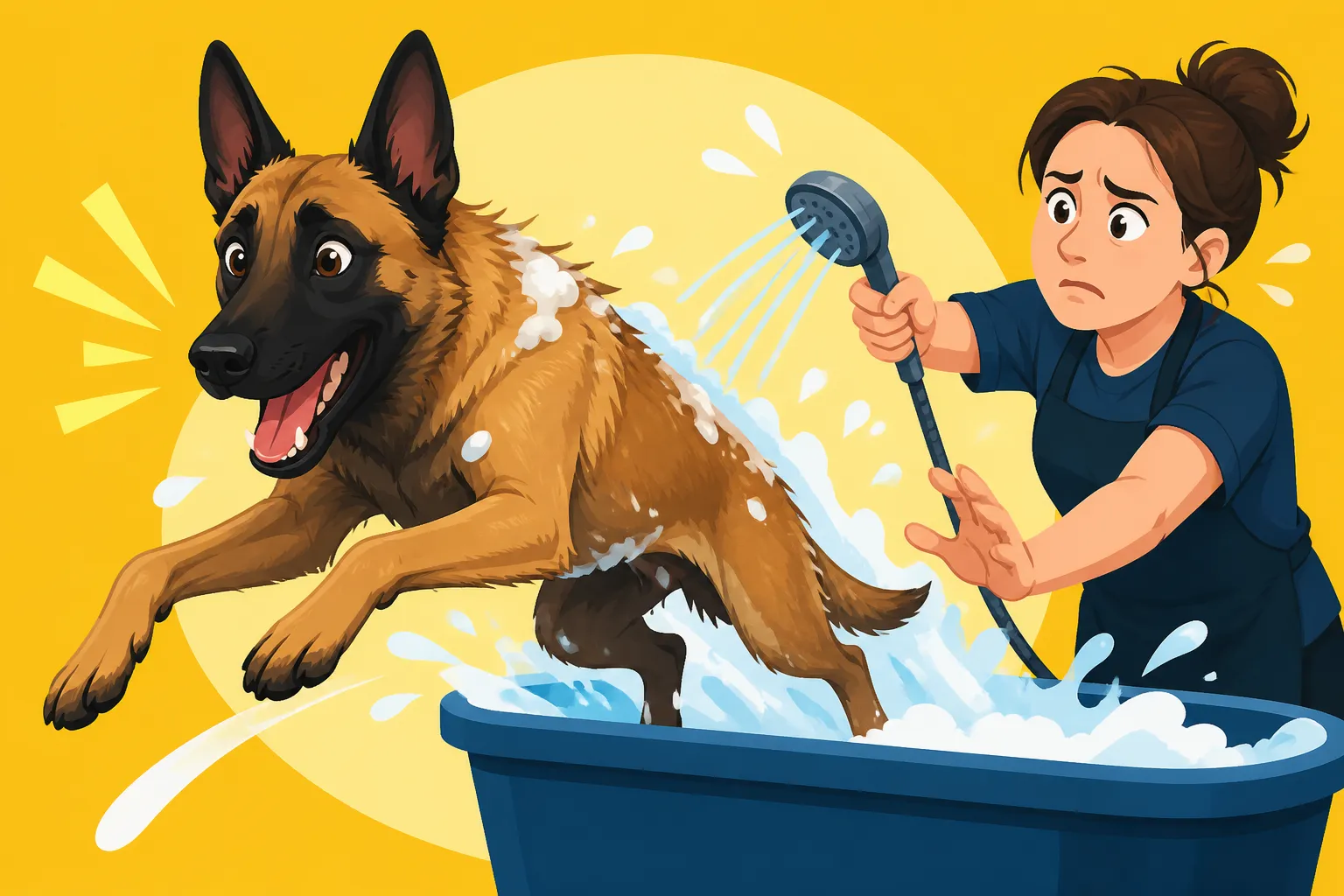
If you've ever tried to bathe a Belgian Malinois that acts like the water is acid and standing still is a foreign concept, you know the struggle is real. It's not just a messy chore; it can be an all-out wrestling match, leaving you drenched, frustrated, and questioning how a dog so brilliant can be so utterly dramatic about soap and water. This guide is here to walk you through transforming bath time from a battle into a manageable, even positive, experience for both you and your high-drive companion.
Understanding Why Your Malinois Hates Standing Still for a Bath
Before we even think about turning on the tap, it's crucial to understand why your Malinois might have such an aversion to baths. These aren't just stubborn dogs; their reactions often stem from deeply ingrained instincts, past experiences, or sensory sensitivities that we, as humans, might easily overlook. It’s not about them being "naughty" but about their unique perception of the situation.
The Sensory Overload Factor
Imagine suddenly being doused with water, the sound of the spray echoing around you, a slippery surface beneath your paws, and the strong scent of shampoo assaulting your sensitive nose. For a Belgian Malinois, whose senses are incredibly acute, a bath can be a cacophony of overwhelming stimuli. The feel of water running down their back, the confined space of a tub, the unfamiliar smells—it's all a lot for a dog that thrives on predictability and control.
Many Malinois find the feeling of water incredibly disconcerting, especially if they haven't been properly introduced to it from a young age. The spray from a hose or showerhead can feel aggressive, and the pooling water can create an unstable footing. This sensory bombardment, combined with the often artificial smell of dog shampoo, can trigger a flight response in a dog wired to react quickly to its environment. We expect them to stand there and accept it, but their brains are screaming, "Escape!"
Furthermore, the acoustics of a bathroom can amplify sounds, turning a gentle stream of water into a roaring torrent in their ears. The slipperiness of a wet tub or shower floor can also be incredibly unsettling. A dog that is usually agile and sure-footed suddenly feels off-balance and vulnerable, leading to panic or a frantic attempt to regain control by struggling. It’s a primal reaction, not a personal slight against you.
Control Freaks and Lack of Predictability
Belgian Malinois are often described as "control freaks" for a good reason. They are highly intelligent, observant, and excel in environments where they understand the rules and their role. A bath, with its sudden changes, unfamiliar sensations, and the handler dictating every move, can feel like a complete loss of control. This can be deeply unsettling for a breed that thrives on knowing what's coming next and having a job to do.
When a Malinois doesn't understand the purpose of an activity, or if it feels trapped and unable to exert its will, frustration and anxiety can quickly escalate. They don't see a bath as a necessary part of hygiene; they see it as an imposition. Their instinct is to try and regain control, which often manifests as struggling, thrashing, or attempting to escape the situation. It’s their way of communicating discomfort and a desire for autonomy.
This lack of predictability is why a structured approach is so important. A Malinois needs to learn that bath time follows a pattern, that there are clear expectations, and that they can "opt-in" by performing simple actions that are rewarded. Without this framework, it's just a chaotic event they want no part of, much like when they are asked to do A Malinois That Screams Rather Than Settles in other situations.
Past Negative Experiences
Just like humans, dogs remember negative experiences, and these memories can profoundly shape their future reactions. Perhaps their first bath was rushed, startling, or even painful due to clumsy handling or inappropriate water temperature. Maybe they slipped and scared themselves, or a harsh correction was used to try and keep them still. These incidents, even if seemingly minor to us, can leave a lasting impression on a sensitive Malinois.
A single bad experience can create an aversion that's incredibly hard to overcome. If a Malinois associates the tub with fear, discomfort, or feeling trapped, they will naturally resist going near it again. Their memory is strong, and they learn quickly what to avoid. This is why patience and positive reinforcement are absolutely critical when trying to change their perception of baths.
It’s not just about what you did, either. Sometimes, environmental factors completely outside your control can create negative associations. A sudden loud noise during a bath, another pet acting aggressively, or even the scent of a fear-inducing substance on the bath mat can all contribute to a lasting negative impression. Understanding this can help you approach the situation with more empathy and a commitment to counter-conditioning.
Preparation is Key to a Smoother Bath
You wouldn't head into a major training session without your gear, right? The same goes for bathing your Malinois. Proper preparation is half the battle won, especially when dealing with a dog that’s likely to make every effort to avoid the experience. Thinking ahead about your tools, environment, and even your dog's energy levels can significantly reduce stress for everyone involved.
Gathering Your Arsenal of Tools
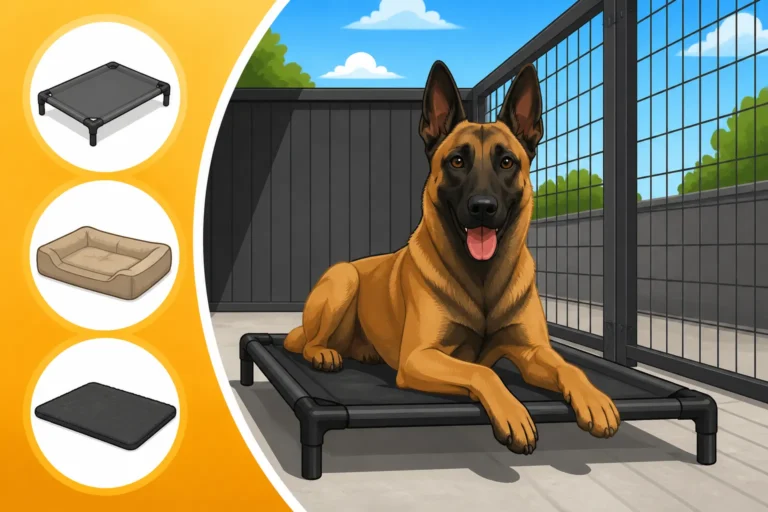
Having everything you need within arm's reach before your Malinois even enters the bathing area is non-negotiable. Trying to grab a towel or open a shampoo bottle while holding onto a squirming, soaking Malinois is a recipe for disaster. Think non-slip mats, appropriate shampoos, a reliable tether, and plenty of high-value treats. I've found that having a dedicated "bath kit" makes a world of difference.
For shampoo, consider something gentle and easy to rinse, possibly one designed for sensitive skin if your Malinois has issues like Atopy in a Belgian Malinois. You'll want a good dog-specific shampoo; don't use human products. A bathing brush or rubber curry comb can help work in the shampoo and remove loose hair, making the process more efficient. And speaking of efficiency, a non-slip mat is paramount for their comfort and safety. You can find excellent options on Amazon or Chewy that adhere to the tub surface, giving your Malinois much-needed traction.
Don't forget the distraction items! A lick mat smeared with peanut butter or a soft treat-dispensing toy can be a lifesaver. Ensure your tether is secure and durable, designed for a strong dog that might try to pull away. I personally use a suction cup tether that sticks to the tub wall or a sturdy eye hook, giving me two free hands. Lastly, have a stack of old towels ready for the initial soak-up, and don't underestimate the power of a good forced-air dryer for speeding up the drying process later.
Setting the Scene for Success
The environment itself plays a huge role in your Malinois's comfort level. If possible, avoid making the bathroom the only place for baths. A dedicated wash tub in a garage, a utility sink, or even an outdoor setup can sometimes be less intimidating. Wherever you choose, minimize distractions and create a calm, predictable space.
Make sure the water temperature is comfortably lukewarm—not too hot, not too cold. A handheld sprayer attachment on your hose or shower is invaluable for directing water and reducing the startling effect of dumping a cup over their head. Close off escape routes and ensure doors are secured so a sudden bolt doesn't turn into a soaked dog tearing through your house. Some people find that playing calming music at a low volume can help, though with a Malinois, often silence is better to reduce sensory input.
Consider where you will tether your dog. A sturdy hook on the wall or a double-ended lead attached to a shower rod (if it's truly secure) can keep them from jumping out. The goal is a controlled environment that feels safe, not restrictive. Think about how Teaching a Belgian Malinois to Lie Down and Do Nothing applies here—creating a calm space starts long before the water runs.
Pre-Bath Exercise and Grooming
A tired Malinois is a more compliant Malinois. Seriously, this step cannot be overstated. Before you even think about bath time, take your dog for an extra-long, mentally stimulating session. Engage them in their favorite sport, a challenging obedience routine, or an extensive game of fetch. The goal is to get them physically and mentally drained, making them more likely to stand still and less inclined to fight the process.
This isn't just about physical exertion; it's about mental work too. Think about activities that involve The Mental Work That Finally Tires a Malinois Out, such as tracking, advanced obedience, or even a long sniff walk. A dog that has used its brain power is often more relaxed and less inclined to channel its boundless energy into resisting a bath. Give them at least an hour or two to cool down and decompress after their workout, so they aren't still hyped up.
Once they're relaxed, do a thorough pre-brushing. This helps remove loose hair, tangles, and dirt, making the washing process much more efficient and reducing the amount of shed hair going down your drain. Especially for a Malinois, which can have a dense undercoat, a good pre-brush with a shedding rake or similar tool will save you a lot of grief. It also makes applying shampoo easier and ensures it reaches the skin effectively. Think of it as prep for Getting a Brush Through a Malinois's Undercoat.
Navigating the Actual Bathing Process
Alright, you've prepped, your dog is tired, and your tools are ready. Now comes the moment of truth: the actual bath. This is where patience, a calm demeanor, and a step-by-step approach will truly pay off. Rushing or showing frustration will only exacerbate your Malinois's anxiety and resistance.
The Gradual Introduction to Water
Don't just throw your Malinois into the tub and turn on the jets. This is a quick way to cement their fear. Instead, approach the bath in stages, rewarding calm behavior at each step. Start by simply having them stand in the dry tub or bathing area, showering them with treats. Let them associate the space with good things before any water is introduced.
Once they're comfortable with the dry tub, introduce the water gradually. Start with a very low stream or cup of water, wetting their paws first, then slowly moving up their legs, rewarding all the while. Many Malinois tolerate water better when it's applied from behind or the sides, rather than directly on their head or face. Avoid spraying directly at their face or ears initially; gently wet these areas with a washcloth. Keep the water pressure low and consistent.
Use your distraction techniques here—the lick mat on the wall or a steady stream of treats from your other hand. The goal is to make the entire process as calm and non-threatening as possible. If they show signs of extreme stress, take a step back and try again later or the next day. Sometimes, it takes several short, positive sessions to even get them comfortable with standing in a wet tub.
Lather, Rinse, Repeat (Calmly)
Once your Malinois is wet, apply the shampoo. Work quickly but gently, ensuring you get it down to the skin, especially in areas prone to dirt or odor. Use your bathing brush to help distribute the shampoo and give a soothing massage, which can sometimes distract from the strangeness of the bath. Be mindful of their eyes and ears; use cotton balls in their ears to prevent water from entering, and try to keep shampoo away from their face. For sensitive areas, use a damp cloth with a tiny bit of shampoo.
Rinsing is arguably the most crucial part. Any residual shampoo can irritate their skin or cause itching, making future baths even less appealing. Take your time to rinse thoroughly, ensuring all suds are gone, paying special attention to the chest, belly, and under the tail. Again, use a low-pressure stream and work systematically from neck to tail. If your Malinois is particularly sensitive to the sound or feel of water, consider using a large cup to slowly pour water over them instead of a sprayer.
Throughout this process, keep talking to your Malinois in a calm, reassuring voice. Praise them for any moments of stillness or cooperation. If they start to get antsy, pause, offer a treat, and try to re-engage them positively. Remember, this isn't just about getting clean; it's about building a positive association. You’re teaching them that even though they might not love it, it’s a temporary, safe experience that ends with rewards.
Staying Calm and Confident Yourself
Dogs are masters at reading our emotions. If you’re tense, anxious, or frustrated, your Malinois will pick up on that immediately and mirror your stress. They thrive on clear, confident leadership. So, even if you’re internally screaming, project an aura of calm certainty. Your dog needs to believe you have the situation completely under control.
Speak in a low, even tone. Use clear, simple commands if you need them to shift positions, but mostly, let your body language do the talking. Move deliberately, not frantically. If you feel yourself getting stressed, take a deep breath, pause, and refocus. Remember that this is a process, and perfection isn’t the goal; progress is.
Your confidence will help your Malinois feel more secure, even in an uncomfortable situation. They rely on you for guidance and safety. If you’re wavering, they’ll assume there’s something genuinely frightening about the bath. So, put on your brave face, trust in your preparation, and be the calm leader your Malinois needs you to be. This is similar to the patience required when Anesthesia Protocols for a Lean Belgian Malinois are being discussed with a vet—your calm demeanor is paramount.
Turning Bath Time into a Positive Experience
Okay, so we've gotten through the actual washing, hopefully with minimal drama. But the ultimate goal isn't just to survive bath time; it's to transform it into something your Malinois tolerates, or ideally, even enjoys. This is where consistent positive reinforcement and strategic desensitization come into play, changing their emotional response to the entire process.
High-Value Rewards and Lick Mats
For a Malinois, "high-value" means something truly exceptional – not just a dry biscuit. Think cooked chicken, cheese, or even small pieces of hot dogs. These treats are powerful motivators. Have a generous supply ready and dispense them frequently for any moment of calm, even a fleeting one. The goal is to pair the unpleasant sensations of the bath with something incredibly desirable.
Lick mats are absolute game-changers for bath-hating dogs. Spread peanut butter (xylitol-free!), plain yogurt, or canned pumpkin on one, and stick it to the side of the tub or shower wall. The act of licking is naturally calming for dogs, and it provides a prolonged, engaging distraction. They're so focused on getting every last bit of the yummy treat that they often forget they're even being bathed. You can find durable lick mats from brands available on Amazon or Chewy.
Consider having a special "bath treat" that your Malinois only gets during bath time. This elevates its value and creates a strong positive association. The moment they step into the tub, the special treat appears. The moment the water starts, more special treats. This consistent pairing will, over time, begin to shift their emotional response.
Desensitization and Counter-Conditioning
This is the long-game strategy, but it’s incredibly effective. Desensitization means gradually exposing your Malinois to the bath environment and sensations at such a low level that they don’t react fearfully. Counter-conditioning means changing their emotional response from negative to positive.
Start with no water. Just bring your Malinois into the bathroom, give treats, play a quick game, then leave. Repeat this daily for a week. Next, have them stand in the dry tub for a few seconds, treat, then leave. Gradually introduce the sound of running water in another room, then in the bathroom, then finally in the tub, all while delivering treats for calm behavior. You're breaking down the bath into tiny, non-threatening steps.
Over time, you'll work up to wetting a paw, then a leg, then their whole body, always below their threshold of fear and always pairing it with fantastic rewards. If at any point your Malinois shows fear or resistance, you've gone too fast. Step back to the last point where they were comfortable and proceed more slowly. This methodical approach is about building trust and comfort, not rushing the process. This is similar to Muzzle Conditioning Before a Malinois Ever Needs One – slow and steady wins the race.
Consistency and Routine
Belgian Malinois thrive on routine and consistency. When they know what to expect, they are much more settled. Establish a regular bath schedule, whether it’s once a month or every few weeks, so it becomes a normal part of their life. Try to do it at the same time of day and in the same sequence of events (e.g., exercise, then brush, then bath).
Every bath, no matter how quick or minor, should follow the same positive reinforcement principles. Don't skip the treats or the praise just because you're in a hurry. Any inconsistency can set back your progress. If family members are involved, ensure everyone follows the same protocol.
A consistent routine, paired with positive reinforcement, teaches your Malinois that bath time is a predictable, non-threatening event with guaranteed rewards. It helps them build an "off switch" mentally, allowing them to relax and accept the process. Think of it as another form of training, just like Building an Off Switch Into a Belgian Malinois for their other high-drive behaviors. Over time, the anxiety will diminish, and while they might never love baths, they'll learn to tolerate them like a pro.
Post-Bath Care and Preventing Future Drama
The bath might be over, but the work isn't quite done. How you handle your Malinois immediately after the bath, particularly the drying process, can significantly impact their comfort and willingness to cooperate next time. Plus, proper post-bath care is essential for their skin and coat health.
Efficient Drying Techniques
A wet Malinois is often a chilly Malinois, especially their short coat, which might not seem like much but still holds water. They can also get that frantic "zoomies" energy, trying to rub themselves dry on your furniture or darting around the house. Having an efficient drying strategy prevents both.
Start by towel-drying vigorously as soon as they step out of the tub. Have several absorbent towels ready. This gets rid of the majority of surface water quickly. For many Malinois, especially those sensitive to noise, air dryers designed for dogs are a game-changer. These forced-air dryers (like those you might find on Amazon) blow off water rather than using heat, drastically cutting down drying time and often reducing shedding. Introduce the dryer slowly, keeping it on a low setting and at a distance, pairing it with treats. Gradually bring it closer as they tolerate it.
If your Malinois is still nervous about the dryer, let them air dry partially in a contained, easy-to-clean space (like a crate or a tiled room). Just be mindful of the temperature, especially if it's cool outside. You don't want them getting too cold. Remember how important it is to be mindful of Towel Drying a Malinois in Cold Weather. A fully dry dog is a comfortable dog, and a comfortable dog is more likely to cooperate next time.
Brushing and Coat Health
Once your Malinois is mostly dry, a thorough brushing is in order. The bath often loosens a lot of dead hair, and brushing it out now prevents it from ending up on your furniture and floors later. It also helps distribute their natural skin oils, promoting a healthy, shiny coat.
Use a sturdy slicker brush or a deshedding tool like a Furminator (used carefully and sparingly) to get deep into that dense Malinois coat. Regular brushing, even between baths, is key to managing their shedding, which can be surprisingly heavy for a short-coated dog. Many Malinois enjoy brushing sessions as they can be a bonding experience. If yours doesn't, incorporate treats and praise, making it another positive interaction.
Consistent grooming practices contribute to overall skin health, preventing matting (even with a short coat, dirt and undercoat can clump), and allowing you to check for any skin irritations or lumps. This regular tactile interaction also helps your Malinois become more accustomed to being handled, which is a huge bonus for future vet visits or nail trims. This regular maintenance helps with issues like How Much Dander a Malinois Double Coat Puts Out.
Calming Down After the Splash Zone
After the commotion of the bath and drying, your Malinois might still be a little buzzed or antsy. This is a perfect time for a calm, relaxing activity. Offer them a quiet chew toy, a stuffed Kong, or let them settle in their crate with a blanket. This helps reinforce the idea that bath time ends with a period of peace and positive reinforcement.
Avoid immediately jumping into a high-energy activity right after a bath. Give them time to decompress. A short, quiet cuddle session or some gentle massage can also work wonders in solidifying the positive association. The goal is to end the entire bath experience on a relaxing, rewarding note, making them less likely to dread the next one.
The combination of exercise before, positive reinforcement during, and calm relaxation after creates a comprehensive approach to tackling the bath-hating Malinois. It's a testament to the fact that with these incredible dogs, everything is training, and every interaction builds on the last. By consistently making bath time a positive, predictable experience, you'll see a dramatic shift in your Malinois's willingness to "stand still" and get clean.
When All Else Fails: Professional Help and Alternatives
Despite your best efforts, some Malinois may still find baths incredibly stressful, or you might find yourself simply unable to manage their resistance. In these cases, it's absolutely okay to seek professional help or explore alternative cleaning methods. There's no shame in admitting you need an extra hand, especially with a strong, high-drive breed like a Belgian Malinois.
Professional Groomers and Self-Serve Washes
If wrestling your Malinois in your home bathroom feels like a lost cause, consider outsourcing the task. Professional groomers have specialized equipment, experience with difficult dogs, and often high-velocity dryers that make quick work of a Malinois's coat. They can also use techniques you might not have access to, such as a grooming table with secure restraints that allow them to safely handle a dog that won't stand still.
Many groomers also offer desensitization sessions, working with your dog in short, positive bursts to gradually get them accustomed to the grooming process. This can be a worthwhile investment if you want to eventually do baths at home yourself. Make sure to choose a groomer who understands and has experience with high-drive working breeds like the Malinois.
Another option is self-serve dog washes. These facilities often have elevated tubs, ramps, and powerful dryers, making the physical act of bathing easier on your back and less messy for your home. The dedicated setup can sometimes feel less intimidating to a dog than their own bathroom, and the novelty might even make it a slightly more tolerable experience. Check for local self-serve options in your area; they can be a great middle ground.
Waterless Shampoos and Spot Cleaning
Sometimes, a full bath isn't necessary, or it's simply impossible to accomplish. For minor messes or to freshen up between full washes, waterless shampoos, bathing wipes, or dry dog shampoos can be lifesavers. These products allow you to clean and deodorize your Malinois's coat without the stress of a full immersion bath.
Waterless shampoos come in foam or spray forms. You apply them to the coat, massage them in, and then towel dry. They're quick, easy, and don't require any rinsing. Bathing wipes are excellent for quick spot cleaning, like muddy paws or a dirty muzzle. Dry shampoos, often powder-based, absorb oils and odors and are then brushed out. While these won't provide the deep clean of a full bath, they are fantastic for maintenance and reducing the frequency of those dreaded wash days.
For specific areas like ears or eyes, use dedicated cleaning solutions. Ear Cleaning on a Malinois That Objects or Applying Eye Medication to a Malinois That Objects both highlight how careful and methodical you need to be with these sensitive areas, and a full bath might not always be the best time to tackle them. Using these alternatives can help keep your Malinois clean and comfortable without pushing them over their emotional threshold.
Addressing Underlying Fear or Anxiety
If your Malinois's reaction to baths is extreme—verging on panic, aggression, or genuine trauma—it might be more than just dislike; it could be a deep-seated fear or anxiety. In such cases, consulting with a certified professional dog trainer or a veterinary behaviorist is highly recommended. They can help you identify the root cause of the behavior and develop a specialized behavior modification plan.
This might involve medication to help reduce anxiety during initial desensitization, or specific counter-conditioning exercises tailored to your dog's individual triggers. They can also guide you on how to create a safer, less stressful environment and teach you techniques to build your dog's confidence in challenging situations. Remember, their refusal to cooperate isn't personal; it's a communication of their emotional state.
No matter the severity, remember that patience and positive reinforcement remain the most powerful tools in your arsenal. Transforming bath time for a Malinois that hates standing still is a marathon, not a sprint. Celebrate every small victory, even if it's just a few seconds of stillness, and never give up on trying to make the experience more tolerable for your incredible companion.
Essential Bathing Tools for Your Malinois
When it comes to bathing a Malinois that detests the entire process, having the right tools isn't just convenient, it's crucial for efficiency, safety, and your sanity. Here’s a quick overview of essential items to have on hand.
| Tool Category | Specific Item | Why It's Essential for a Malinois | Where to Find (Examples) |
|---|---|---|---|
| Safety & Control | Non-Slip Bath Mat | Prevents slips and slides on wet surfaces, reducing fear and anxiety, giving a sense of stability. | Amazon, Chewy |
| Secure Tether/Suction Cup Lick Mat Holder | Keeps a squirming Malinois safely in the tub, freeing up your hands for washing and rewarding. | Amazon | |
| Washcloths/Cotton Balls | Gentle cleaning for face and ears, prevents water/shampoo getting into sensitive areas. | General stores | |
| Cleaning | Dog-Specific Shampoo (gentle/hypoallergenic) | Avoids skin irritation, easier to rinse, suitable for their coat and skin pH. | Chewy, Pet Stores |
| Bathing Brush/Rubber Curry Comb | Helps work shampoo into dense coat, massages skin, aids in shedding loose hair during wash. | Amazon, Pet Stores | |
| Handheld Sprayer Attachment | Allows precise control of water flow and temperature, less startling than a bucket. | Hardware stores, Amazon | |
| Distraction/Reward | Lick Mat (with suction cups) | Provides a long-lasting, calming distraction with a high-value treat (peanut butter, yogurt). | Amazon, Chewy |
| High-Value Treats | Reinforces positive behavior, helps counter-condition negative associations with the bath. | Pet Stores | |
| Drying | Absorbent Towels (several) | Quickly removes bulk water post-bath, reducing drying time and preventing chill. | General stores |
| Forced-Air Dog Dryer (low noise if possible) | Efficiently removes water by blowing it off the coat, speeding up drying and minimizing shedding. | Amazon, Pet Specialty | |
| Post-Bath Care | Slicker Brush/Deshedding Tool | Removes loose undercoat after drying, maintains coat health, reduces shedding. | Chewy, Pet Stores |
Having this arsenal ready means you can focus on your Malinois and the process, rather than scrambling for forgotten items.
Disclaimer
This article is for general informational purposes only and does not constitute professional advice. Laws, prices and regulations vary by location and change over time. Consult a qualified professional for guidance on your specific situation.