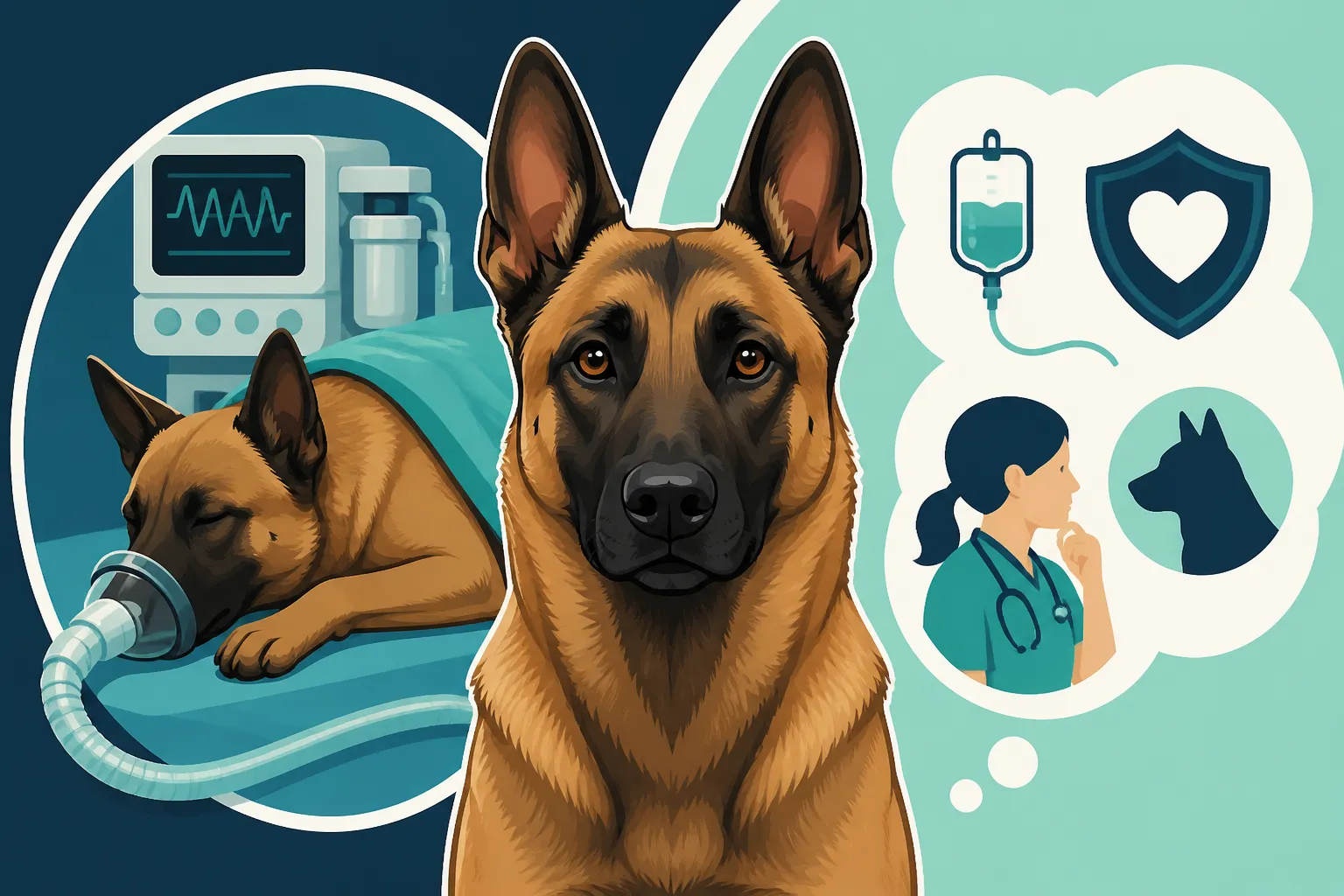
Why Anesthesia Needs Discussing Before a Malinois Goes Under
The thought of your high-drive Belgian Malinois going under anesthesia is enough to send shivers down any dedicated owner's spine. These aren't your average couch potatoes; their intense metabolisms, lean physiques, and unique stress responses mean that a "standard" anesthetic protocol might not be the safest choice. This guide is here to demystify the process, empower you with questions to ask your vet, and ensure your Malinois receives the most carefully considered care before, during, and after any procedure requiring sedation.
The Unique Physiological Traits of the Belgian Malinois
Belgian Malinois are incredible athletes, known for their lean, powerful builds and seemingly boundless energy. But these very characteristics that make them such capable working dogs also mean their bodies process medications, including anesthetics, differently than many other breeds. It’s not just about their size; it’s about their internal machinery and how it responds. Ignoring these breed-specific nuances can inadvertently increase risks during sedation, which is why a deep discussion with your veterinary team is so crucial.
High Metabolism and Lean Body Mass
One of the most striking physical characteristics of the Belgian Malinois is their incredibly lean body composition. Unlike some breeds that carry a significant amount of subcutaneous fat, Malinois are typically all muscle, sinew, and bone. This isn't just an aesthetic feature; it has profound implications for how their bodies metabolize and eliminate anesthetic drugs. Many anesthetic agents are fat-soluble, meaning they are stored in fatty tissues before being slowly released and processed by the liver and kidneys. With less fat to store these drugs, a Malinois can experience a more rapid onset of anesthetic effects, but also a slower "clearance" from their system once the drug is stopped, or alternatively, a more intense initial effect with less buffering. This requires careful titration of dosages to avoid over-sedation.
Furthermore, their high metabolism means that their bodies are constantly burning through energy. This can influence how quickly they process drugs, but also how their core body temperature might fluctuate under anesthesia. Maintaining a stable body temperature is vital during any surgical procedure, as hypothermia can prolong recovery, impair drug metabolism, and even lead to cardiac issues. Vets need to be acutely aware of this, often employing warming blankets or forced-air warming systems to keep these dogs comfortable and safe. Discussions around specific strategies, often referred to as Anesthesia Protocols for a Lean Belgian Malinois, are essential.
Intense Drive and Stress Response
Anyone who lives with a Malinois knows their intensity isn't just physical; it's deeply mental. These dogs possess an incredible drive, whether it's for work, play, or simply observing their environment. This same intensity can translate into a heightened stress response when faced with unfamiliar situations, like a veterinary clinic visit or being prepped for surgery. A stressed dog’s body releases adrenaline and other stress hormones, which can affect heart rate, blood pressure, and even how they react to sedative medications. Some Malinois might fight sedation initially, requiring higher doses, only to then crash more profoundly once the drugs take effect.
This powerful drive and inherent vigilance mean that a Malinois doesn't "settle" easily. They might be constantly assessing their surroundings, even when feeling groggy. This psychological factor is often overlooked but is incredibly important when planning for sedation. A calm, controlled induction process is paramount. Sometimes, the initial approach might involve giving a light sedative before the full anesthetic, purely to help the dog relax enough to accept further handling without undue stress. For some particularly high-strung individuals, the question of Sedating a Belgian Malinois That Will Not Settle is a common concern that needs careful handling. The goal is to make the experience as low-stress as possible, not just for their mental well-being, but because extreme stress can actually complicate physiological responses to anesthesia.
Understanding Anesthetic Agents and Their Effects
Anesthesia isn't a one-size-fits-all solution, especially for a breed as unique as the Belgian Malinois. There's a whole spectrum of medications and combinations vets can use, each with its own benefits and drawbacks. Understanding these different options and discussing them with your veterinary team can make you a more informed advocate for your dog's safety and comfort. It's about finding the right balance for their specific needs, factoring in the procedure, their health, and their individual personality.
Types of Anesthetics and Sedatives
Veterinary anesthesia typically involves a combination of drugs to achieve different goals: sedation (to calm and relax), analgesia (to block pain), and muscle relaxation, culminating in unconsciousness. Common sedative pre-medications might include drugs like acepromazine, dexmedetomidine (Dexdomitor), or benzodiazepines (like midazolam or diazepam). Each has different properties; acepromazine, for example, is a phenothiazine tranquilizer that provides good sedation but offers no pain relief and can lower blood pressure. Dexmedetomidine offers excellent sedation and some pain relief but can initially raise blood pressure and slow the heart rate.
For induction (the process of falling unconscious), drugs such as propofol, alfaxalone (Alfaxan), or ketamine/midazolam combinations are frequently used. Propofol and alfaxalone offer rapid induction and recovery, which can be beneficial, but require careful administration. Ketamine is a dissociative anesthetic that provides profound pain relief but often needs to be combined with a sedative to prevent agitation. Once induced, general anesthesia is often maintained with inhaled anesthetics like isoflurane or sevoflurane, delivered via an endotracheal tube. These gasses allow for fine-tuned control over the depth of anesthesia. Your vet will weigh the pros and cons of each, considering the Malinois's lean body mass and high drive, to select the most appropriate combination.
How Malinois May React Differently
Due to their unique physiology, Belgian Malinois can exhibit distinct reactions to various anesthetic agents. For instance, drugs that are heavily metabolized by the liver or kidneys might have a prolonged effect in a dog with subtle, undiagnosed liver or kidney issues, or even just due to their efficient metabolism. Muscle relaxants, while important for surgical access, need to be carefully dosed in such an athletic breed to avoid over-relaxation that could impact respiratory function. Their natural drive means some Malinois can be very resistant to initial sedation. Instead of calmly succumbing, they might become agitated or disoriented, thrashing or fighting the effects, which can increase their stress and the risk of injury during induction.
Furthermore, their efficient cardiovascular system, while robust, can also react intensely to certain drugs. For example, some anesthetics can cause a drop in blood pressure, and while a healthy Malinois might compensate initially, a prolonged drop can compromise organ perfusion. The converse is also true: some pre-medications, like dexmedetomidine, can initially cause hypertension and bradycardia (slow heart rate) before settling. The veterinarian must anticipate these potential reactions and have strategies in place to manage them, whether it’s through fluid therapy, specific reversal agents, or supplementary medications. This is why a detailed conversation about specific drug choices and potential breed-specific responses is vital.
Pre-Anesthetic Protocols: More Than Just Bloodwork
Preparing your Belgian Malinois for anesthesia involves a lot more than just withholding breakfast. A thorough pre-anesthetic workup is a multi-faceted process designed to identify any underlying health issues that could increase anesthetic risk and to tailor the anesthetic plan specifically to your dog. For a breed as physically demanding and intensely bred as the Malinois, cutting corners here simply isn't an option. It's about gathering a complete picture of their health to ensure the safest possible outcome.
Comprehensive Physical Exams and Diagnostics
Every Belgian Malinois undergoing anesthesia should receive a comprehensive physical examination shortly before the procedure. This isn't just a quick once-over; it's a detailed assessment of their heart, lungs, and overall body condition. The vet will listen carefully for any heart murmurs or abnormal lung sounds, check their hydration status, assess their mucous membranes, and palpate their abdomen. Even subtle findings can change the anesthetic plan. For instance, a soft heart murmur might necessitate different drug choices or additional cardiac workup, such as an echocardiogram.
Beyond the physical exam, pre-anesthetic diagnostics are a cornerstone of safe anesthesia. This typically includes a full blood panel. A complete blood count (CBC) checks red and white blood cells, looking for anemia, infection, or other abnormalities. A chemistry panel assesses organ function, particularly the liver and kidneys, which are crucial for metabolizing and eliminating anesthetic drugs. Additionally, an electrolyte panel ensures proper balance of vital minerals. For certain procedures or older dogs, a urinalysis, chest X-rays, or an electrocardiogram (ECG) might also be recommended. These diagnostics help uncover hidden problems that might not be evident from a physical exam alone. This is particularly important for discerning issues that might influence a dog's response to drugs, and knowing the results of Pre-Anesthetic Bloodwork on a Belgian Malinois allows the vet to make informed decisions. Many owners opt for these tests annually, not just before surgery, as part of The Bloodwork a Working Malinois Should Have Annually.
Tailored Pre-Medication Strategies
Once the physical exam and diagnostics are complete, your vet will formulate a personalized pre-medication plan. This isn't just about making your Malinois sleepy; it's a strategic combination of drugs designed to achieve several critical goals. Firstly, pre-medications reduce anxiety and stress, making the induction of anesthesia smoother and requiring lower doses of stronger anesthetic agents. For a high-drive Malinois, minimizing stress from the outset is incredibly important for their physiological and psychological well-being.
Secondly, pre-medications often include analgesics (pain relievers), such as opioids (e.g., buprenorphine, hydromorphone). Providing pain relief before any painful procedure begins is a cornerstone of modern veterinary anesthesia. It prevents "wind-up" pain, where the nervous system becomes more sensitive to pain, and ensures a more comfortable recovery. Finally, some pre-medications help counteract potential side effects of other anesthetic drugs, such as preventing nausea or supporting cardiovascular function. For a Malinois, this tailored approach considers their high metabolism, lean body mass, and propensity for anxiety, choosing drugs and dosages that provide the safest and most effective start to their anesthetic journey. It's a key part of the broader discussion about What to Tell a Vet Before a Malinois Is Sedated.
Monitoring During Anesthesia: The Critical Window
The period your Belgian Malinois is actually "under" is the most critical phase. This is when constant, vigilant monitoring by a skilled team is absolutely paramount. Anesthesia isn't a set-it-and-forget-it process; it requires dynamic adjustments based on real-time physiological responses. For a breed like the Malinois, whose vital signs can be highly reactive, this attention to detail can literally be life-saving.
Essential Monitoring Equipment
Modern veterinary clinics are equipped with sophisticated monitoring tools that provide a continuous stream of information about your Malinois's vital signs. While a technician constantly monitors respiration and pulse manually, these machines offer invaluable objective data. A pulse oximeter measures oxygen saturation in the blood, ensuring adequate oxygen delivery to tissues. A capnograph measures the carbon dioxide levels in exhaled breath, indicating how effectively your dog is breathing and ventilating. This is particularly important for Malinois, as changes in breathing patterns can occur rapidly.
An ECG (electrocardiogram) continuously tracks heart rate and rhythm, alerting the team to any irregularities or arrhythmias. Blood pressure monitors (oscillometric or Doppler) are crucial for ensuring adequate blood flow to vital organs, especially important given the Malinois's lean build and potential for blood pressure fluctuations with certain drugs. Finally, temperature probes help monitor core body temperature, allowing the team to intervene with warming measures if hypothermia starts to set in. All this data is typically displayed on a central monitor, providing the veterinary team with a comprehensive picture of your Malinois's physiological state at every second they are under anesthesia. This constant feedback allows for immediate adjustments to anesthetic depth, fluid rates, and warming protocols.
Anesthetist Expertise and Responsibilities
While the equipment provides data, it's the expertise of the veterinary anesthetist (often a dedicated vet tech or a veterinarian with advanced training in anesthesia) that truly makes the difference. This person is the "pilot" of the anesthetic journey, interpreting the data from the monitors, observing the patient's subtle physical cues, and making real-time adjustments to ensure stability. They are responsible for administering medications, adjusting anesthetic gas levels, managing intravenous fluids, and maintaining the dog's comfort and safety.
For a Belgian Malinois, who might have a higher pain tolerance or a different stress response, the anesthetist's ability to read their specific cues is vital. They need to understand when the dog is too light (showing signs of pain or arousal) or too deep (depressed respiration, low heart rate). They are also prepared to handle any complications that may arise, such as a sudden drop in blood pressure, an irregular heartbeat, or difficulty breathing. The presence of a dedicated, skilled anesthetist allows the primary surgeon to focus entirely on the procedure, knowing that the patient's well-being is in capable hands. This level of dedicated care significantly reduces risks, offering peace of mind to owners who are already worried about their beloved working dog.
The Recovery Phase: Bringing Your Malinois Back Safely
The moments immediately following anesthesia, known as the recovery phase, are just as crucial as the induction and maintenance periods. For a Belgian Malinois, this time can be particularly challenging due to their high drive and potential for confusion or agitation as they emerge from the drugs. A well-managed recovery is essential for ensuring their safety, comfort, and a smooth transition back to full awareness.
Managing Emergence Delirium
One of the most common concerns for Malinois owners during recovery is what's known as "emergence delirium." Unlike some calmer breeds that might simply wake up a bit groggy and then slowly become more alert, a high-drive Malinois can wake up disoriented, agitated, or even thrash uncontrollably. They might cry, try to stand prematurely, chew at their endotracheal tube (if still in), or react aggressively to staff as their instincts kick in before their cognitive functions are fully online. This isn't aggression in the true sense, but rather a confused, primal response to an unfamiliar and disorienting state.
Managing emergence delirium requires patience, a quiet environment, and sometimes, additional calming medications given as they wake. The goal is to keep them safe from injuring themselves or the staff, without over-sedating them again and prolonging their recovery. Gentle restraint, soft blankets, and a familiar voice (if the owner is allowed to be present and calm) can sometimes help. The veterinary team will carefully remove the endotracheal tube only when the Malinois shows clear signs of swallowing reflex, but before they are fully awake and likely to chew it out. Understanding that Whether a Malinois Wakes Badly From Anesthesia is a genuine concern for the breed helps owners mentally prepare and discuss strategies with their vet beforehand.
Post-Anesthetic Pain Management and Support
Ensuring adequate pain control is paramount during the recovery phase, especially for a working dog who might naturally try to "tough it out" or mask discomfort. Even if analgesics were given before and during the procedure, their effects will eventually wear off. A multi-modal approach to pain management, using different classes of pain medications that target pain through various pathways, is often the most effective. This might include oral non-steroidal anti-inflammatory drugs (NSAIDs), additional opioids, or local anesthetic blocks around the surgical site.
Beyond pain relief, supportive care is vital. This includes keeping your Malinois warm, offering small amounts of water once they are fully alert and can swallow safely, and later, a bland diet. Monitoring their urination and defecation is also important. The veterinary team will observe them closely for any lingering effects of anesthesia, such as nausea, excessive drooling, or respiratory issues. Clear instructions will be provided for at-home care, including medication schedules, activity restrictions, and signs to watch out for. For procedures that involve significant recovery, such as orthopedic surgery or dealing with injuries like a torn toe, understanding the full scope of post-operative care, including potential Physical Therapy Prices for a Belgian Malinois, is key.
Open Communication with Your Veterinary Team
Your Belgian Malinois is more than just a patient; they're a part of your family and a highly specialized animal. Open, honest, and detailed communication with your veterinary team is the single most powerful tool you have to ensure their safety and well-being during any anesthetic procedure. Don't be afraid to ask questions, share your observations, and express your concerns. You know your dog best.
Asking the Right Questions
Before any anesthetic procedure, make a list of questions. Don't worry about sounding silly or overprotective; a good veterinary team welcomes an informed and engaged owner. Here are some key questions to consider:
- What pre-anesthetic diagnostics will be performed? Understand which tests are recommended and why, especially if your dog has any pre-existing conditions like epilepsy (e.g., Managing an Epileptic Belgian Malinois on Medication) or a history of specific issues.
- What specific anesthetic drugs and sedatives will be used, and why are they chosen for my Malinois? Ask about the pros and cons of these drugs, particularly concerning their lean body mass and high metabolism.
- Who will be monitoring my dog during anesthesia, and what monitoring equipment will be used? Confirm that a dedicated individual is assigned to monitoring and that comprehensive equipment is available.
- What are the potential risks specific to my Malinois or the procedure being performed? Discuss any breed-specific concerns and how they will be mitigated.
- What is the plan for pain management before, during, and after the procedure? Ensure a multi-modal approach is in place.
- What should I expect during recovery? Ask about the possibility of emergence delirium and how it will be managed.
- What are the at-home care instructions, including medication, feeding, and activity restrictions?
- What is the emergency protocol if something goes wrong? While rare, it's good to know.
By asking these questions, you demonstrate your commitment to your dog's care and ensure you fully understand the plan.
Advocating for Your Malinois's Specific Needs
You are your Malinois's primary advocate. If you have concerns about their temperament, a known sensitivity to certain medications, or a history of anxiety at the vet, share these details openly and honestly. Perhaps your Malinois gets extremely stressed by loud noises, or they tend to try to "fight" restraint. This information allows the veterinary team to adapt their approach. For example, they might opt for a quieter induction area, use different pre-medications, or even allow you to be present for a few moments during the initial calming phase if appropriate and safe.
If your Malinois is a working dog, whether in police, military, or bite sport capacities, their physical and mental resilience might be higher, but so too might their pain tolerance, potentially masking discomfort. Ensure the vet understands their working history and any specific physical demands on their body. For example, if your Malinois has recently suffered an Emergency Care After a Malinois Training Injury, the vet needs to know the full context. Your insight into their normal behavior and quirks is invaluable. Don't assume the vet knows everything about your specific dog; communicate clearly and advocate for the individualized care your unique Malinois deserves.
Preparing Your Malinois and Yourself for the Procedure
Anesthesia for your Malinois isn't just a physical event; it's an emotional one for both of you. Thoughtful preparation, both practical and emotional, can ease stress and contribute to a smoother experience. This includes understanding the practical steps you need to take before dropping them off, and also considering the financial aspects of veterinary care for a breed known for its intensity.
Pre-Procedure Fasting and Exercise
Most anesthetic procedures require your Belgian Malinois to be fasted for a specific period before their appointment. Typically, this means no food for 8-12 hours, but water is usually allowed up until a few hours before. This is crucial to prevent aspiration pneumonia, a serious complication where stomach contents are regurgitated during anesthesia and inhaled into the lungs. Your vet will provide precise instructions, and it's vital to follow them. Don't be tempted to sneak them a treat, no matter how much they beg – it's for their safety.
Regarding exercise, a gentle walk or opportunity to relieve themselves before coming to the clinic is generally advised. A vigorous training session, however, should be avoided, as it could deplete energy stores or cause undue stress right before a procedure. The goal is a calm, rested dog that's physically ready for the anesthetic. For a high-drive Malinois, this might mean a slightly longer, calm sniff-walk rather than intense ball work. This helps ensure their gut is empty and their mental state is as relaxed as possible before entering a potentially stressful environment.
Financial Planning and Insurance Considerations
Let's be realistic: veterinary care, especially emergency or specialized procedures, can be expensive. For a Belgian Malinois, who might be prone to injuries due to their active lifestyle, or who may develop conditions that require ongoing treatment, The Vet Bills a Bite Sport Belgian Malinois Runs Up can quickly accumulate. Having a plan in place to manage these costs is a responsible part of ownership. This might involve setting up a dedicated savings account for veterinary emergencies, or, more commonly, investing in pet insurance.
Companies like Healthy Paws offer various plans that can help mitigate the financial burden of unexpected illnesses or injuries requiring anesthesia and surgery. While no one wants to think about their dog getting sick, having pet insurance through Healthy Paws can provide immense peace of mind, knowing that you won't have to make difficult decisions based solely on cost during a stressful time. It allows you to focus on getting your Malinois the best possible care, rather than agonizing over the bill. When comparing policies, consider What Pet Insurance Runs on a Working Malinois in terms of monthly premiums, deductibles, and reimbursement percentages. It's an investment in your dog's future, ensuring they receive necessary care without you facing crippling debt. Discussing your financial options and pet insurance coverage with your vet clinic is also a good idea; they often have experience with different providers and can offer guidance.
Anesthetic Complications and Recognizing the Signs
Even with the most meticulous planning and monitoring, complications can sometimes arise during or after anesthesia. Knowing what to look for, both while your Malinois is at the clinic and once they're home, can help you act quickly if something seems amiss. Your veterinary team will communicate with you regularly, but your vigilance as an owner is still a crucial layer of safety.
| Complication | Description | Common Signs to Watch For | Severity |
|---|---|---|---|
| Hypothermia | Abnormally low body temperature, often due to drug effects and exposure during surgery. | Shivering, prolonged recovery, lethargy, cold ears/paws. | Moderate |
| Hypotension (Low Blood Pressure) | Insufficient blood pressure, reducing blood flow to organs. | Pale gums, prolonged capillary refill time, lethargy, weak pulse (often only detected by vet monitoring). | Serious |
| Respiratory Depression | Slowed or shallow breathing, leading to insufficient oxygenation and CO2 removal. | Cyanosis (blue gums/tongue), slow/shallow breaths, prolonged recovery. | Critical |
| Cardiac Arrhythmia | Irregular heartbeat, which can range from benign to life-threatening. | Fainting, collapse, pale gums, irregular pulse (often only detected by vet monitoring). | Serious |
| Prolonged Recovery/Emergence Delirium | Taking a long time to wake up, or waking up disoriented, agitated, or thrashing. | Excessive sleepiness, incoordination, vocalization, uncoordinated movements, self-trauma. | Moderate |
| Nausea/Vomiting Post-Op | Common side effect, sometimes due to anesthetic drugs or the procedure itself. | Retching, vomiting, refusal to eat. | Mild |
| Aspiration Pneumonia | Inhalation of stomach contents into the lungs, usually during induction or recovery. | Coughing, difficulty breathing, fever, lethargy. | Critical |
| Allergic Reaction | Rare, but possible reaction to specific anesthetic agents or other medications. | Swelling (face/paws), hives, difficulty breathing, collapse. | Critical |
| Pain | Insufficient pain relief after the procedure. | Whining, panting, restlessness, reluctance to move, guarding the surgical site. | Moderate |
This table provides a brief overview, but remember, any unusual behavior or symptom should prompt an immediate call to your veterinarian. Early intervention can make a significant difference in outcomes.
Disclaimer
This article is intended for informational purposes only and does not constitute veterinary advice. Always consult with a qualified veterinary professional for any health concerns or before making any decisions about your Belgian Malinois's medical care, particularly concerning anesthesia or surgical procedures. Individual needs and medical conditions vary, and professional veterinary guidance is essential.