Feeding a Belgian Malinois on the Road
Hitting the road with a Belgian Malinois can be an adventure, but it often brings a unique set of challenges, especially when it comes to maintaining their rigorous feeding schedule and dietary needs. Owners frequently struggle with how to keep their high-energy companions properly nourished and hydrated amidst changing environments, unfamiliar smells, and disruptions to routine. This guide aims to tackle those frustrations head-on, offering practical, realistic advice for feeding your Malinois effectively, whether you're heading to a weekend trial or embarking on a longer family vacation.
Maintaining Dietary Consistency Away From Home
One of the biggest anxieties for Malinois owners hitting the road is how to keep their dog's diet consistent. These dogs thrive on routine, and their digestive systems, much like their minds, can be quite sensitive to sudden changes. Disrupting their diet isn't just about an upset tummy; it can impact their energy levels, focus, and overall well-being, which is the last thing you want when you're traveling or competing.
The Importance of a Stable Diet on the Road
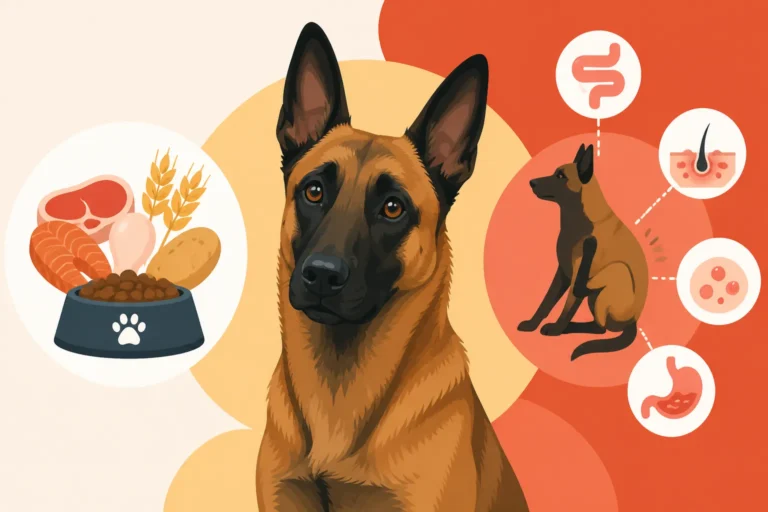
Imagine yourself on a trip – suddenly you're eating different foods, at different times, and in new places. You'd probably feel a bit off, right? It's no different for your Malinois. Their gastrointestinal system is accustomed to a specific blend of nutrients, a particular texture, and even the pH balance of their regular food. Any abrupt deviation can throw this delicate balance into disarray, leading to symptoms like diarrhea, constipation, or a complete loss of appetite, especially when combined with the stress of travel itself. This is particularly true for a breed known for its intensity and sometimes nervous disposition; their gut health can be intricately linked to their mental state.
Beyond just digestive comfort, maintaining dietary consistency directly impacts your Malinois's energy and performance. A working Malinois, whether in sport, service, or as an active companion, relies on a steady intake of high-quality fuel. If their body is busy trying to adapt to a new food, it's diverting energy away from what you need it for – whether that's focus in the obedience ring or stamina on a long hike. Keeping their usual food means their body knows exactly what to do with it, maximizing nutrient absorption and keeping their energy output stable. It's truly a foundational element to keeping them at their best when their environment is anything but stable.
Packing the Right Food and Supplements
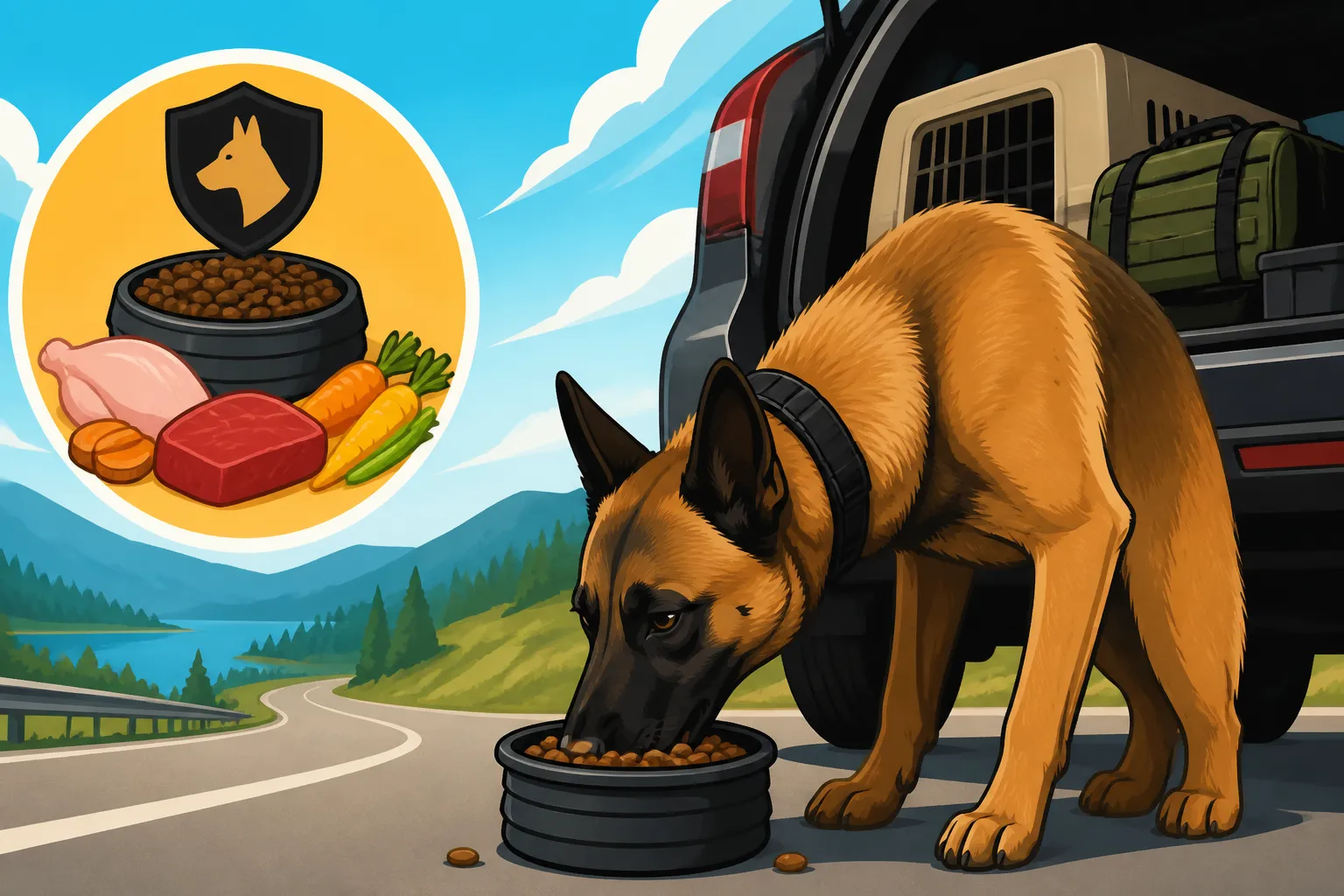
The golden rule for feeding your Malinois on the road is simple: bring their usual food. Don't assume you can just pick up their brand at a local store, especially if you feed a specialized performance kibble or a fresh/raw diet. For kibble, invest in airtight, waterproof containers. These keep the food fresh, prevent spills, and protect against moisture and pests, which can be a real issue if you're camping or staying in unfamiliar accommodations. Measure out individual meals into freezer bags or smaller containers to make feeding quick and easy, especially if you're on a tight schedule.
If your Malinois eats a raw or fresh diet, packing becomes a bit more complicated but certainly not impossible. High-quality coolers with reliable ice packs or a portable freezer are absolute necessities for trips longer than a day or two. Pre-portioning these meals before you leave is critical. For extended travel, some owners explore freeze-dried raw options, which are much lighter and shelf-stable, or consider a short-term transition to a high-quality kibble if their dog handles changes well. Brands like Ollie offer pre-portioned, fresh-frozen meals that, while requiring refrigeration, can be a great option for maintaining quality if you have access to cooling. Don't forget any regular supplements your Malinois takes; pack these in a labeled container or pill organizer to ensure consistency. You might even consider a general probiotic, as discussed in Whether a Probiotic Settles a Malinois's Gut, to help buffer against minor digestive upsets from stress or subtle changes in water sources.
Hydration and Feeding Schedules While Traveling
Proper hydration and adherence to a consistent feeding schedule are just as vital as the food itself when your Malinois is traveling. These aren't just details; they're critical components of their health and performance, especially given the breed's high metabolism and propensity for stress.
Ensuring Adequate Water Intake
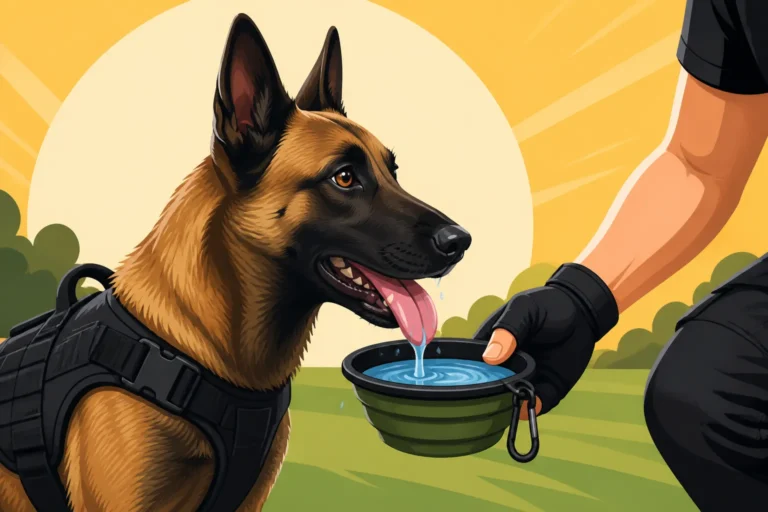
A Belgian Malinois, particularly one that is active or under the stress of travel, requires a significant amount of water. Dehydration can quickly lead to lethargy, digestive issues like Soft Stools in a Malinois Under Training Stress, and even more serious health problems. It's not enough to just offer water; you need to ensure they actually drink it. Always have fresh water readily available, even on short car rides. Portable water bottles with attached bowls, collapsible silicone bowls, or even a dedicated travel water dispenser are invaluable. If your Malinois is particularly particular about water taste, you might even bring a gallon or two of their usual filtered water from home for the first day or two to ease the transition.
Offer water frequently, especially after any exercise, training sessions, or even just long stretches of being confined. Pay attention to environmental factors; if you're traveling in hot weather or to high altitudes, their water needs will increase significantly. You might even consider adding a bit of bone broth or a few ice cubes to their water bowl to encourage drinking. In very hot conditions, or if your Malinois is working hard, Electrolytes for a Belgian Malinois in Summer can be a valuable addition to their water to replenish essential minerals lost through sweat and panting. It can be a challenge to get enough water into a Malinois that is too distracted or busy with new surroundings, as highlighted in Getting Water Into a Malinois That Is Too Busy, so proactive offering is key.
Sticking to a Routine (or Adapting Wisely)
Consistency in feeding times is paramount for a Malinois, helping to regulate their metabolism and provide a sense of normalcy in an otherwise changed environment. Ideally, you should aim to maintain your dog's usual feeding schedule as closely as possible. If they eat twice a day at 7 AM and 5 PM, try to stick to that rhythm. This helps their digestive system anticipate food and can reduce stress. However, travel often throws wrenches into the best-laid plans. Long drives, unforeseen delays, or early morning trial commitments might necessitate minor adjustments.
When adapting, make changes gradually if possible. If you know you'll have an early morning for a trial, start shifting their dinner a little earlier and breakfast a little earlier in the days leading up to travel. If crossing time zones, adjust their meals by 30-60 minutes each day until they're on the new local schedule. Always observe your Malinois closely; some dogs are more sensitive to routine changes than others. If they seem anxious or are showing signs of digestive upset, a rigid schedule might need to take a back seat to simply getting food into them when they're calmest. Remember that stress can reduce appetite, so a relaxed feeding environment is more important than hitting an exact minute if your dog is struggling.
Handling Mealtime Challenges and Stress on the Road
Even with the best preparation, traveling with a Belgian Malinois can bring unexpected mealtime challenges. Their high drive and acute awareness of their surroundings mean they can easily be distracted, stressed, or even entirely put off their food in new environments. Understanding these potential hurdles and having strategies to overcome them is crucial for keeping your dog healthy and happy.
Managing Picky Eaters and Stress-Related Aversions
It might sound counterintuitive for such an energetic breed, but many Malinois can become surprisingly picky eaters when stressed or in a novel environment. The new smells, sounds, and sights of a hotel room, a new training venue, or even just a rest stop can be enough to make them lose interest in their regular meal. Don't panic if your Malinois snubs their bowl; this is often a stress response, not a sign they suddenly hate their food. Instead of immediately switching foods, try to create a calm, predictable feeding environment. Find a quiet corner away from windows or high-traffic areas. Use their familiar food bowl if possible, or one that they're comfortable with.
To encourage eating, sometimes adding a small amount of a high-value, familiar topper can make all the difference. This could be a spoonful of plain canned pumpkin, a bit of cottage cheese, or a splash of warm water to soften kibble and release its aroma. For dogs on a fresh diet, having a small amount of their favorite protein packed separately can be a lifesaver. Avoid hovering or pressuring them to eat, as this can increase their stress. Offer the food, give them a reasonable amount of time (15-20 minutes), and then remove it. They'll usually eat when they're truly hungry and have settled down. If you're dealing with a Malinois that completely refuses food at a trial, which is a common problem, checking out resources like A Belgian Malinois That Refuses Food at a Trial can offer more specific tactics.
Emergency Food and Preparedness
Despite meticulous planning, things can go awry. Your primary food supply might run out sooner than expected, get damaged, or become otherwise unavailable. Having an emergency backup plan is a smart move. Always pack an extra day or two's worth of your Malinois's regular food in a separate, easily accessible container. For longer trips, research pet stores or feed supply stores along your route or near your destination that might carry your dog's brand. Keep in mind that not all brands are available everywhere, and specialized performance kibbles can be particularly hard to find.
If you find yourself in a bind and absolutely must purchase a new food, opt for a high-quality, easily digestible limited-ingredient diet if available. Introduce it very gradually, mixing a tiny amount with any remaining familiar food. Expect potential digestive upset and be prepared with dog-safe anti-diarrhea medication like Fortiflora or a similar probiotic. Always have some bland options on hand like plain canned pumpkin or boiled chicken and rice, which can help settle a stressed stomach. Sites like Amazon are great for quickly ordering pet supplies on the go if you have a delivery address, but don't rely on same-day delivery for essential food in a pinch. Remember the guidance in Transitioning a Malinois to a Different Kibble if a complete switch becomes unavoidable.
Specific Scenarios: Trials, Vacations, and Extended Stays
The way you approach feeding your Malinois on the road will vary depending on the nature and duration of your trip. A quick weekend agility trial demands different considerations than a leisurely week-long camping trip or an extended stay at a relative's house. Each scenario presents its own set of environmental and physiological factors that can influence your Malinois's appetite and digestive health.
Feeding During High-Stress Events Like Trials
Trial weekends are a unique beast when it comes to feeding a Malinois. The adrenaline, the mental exertion, the travel, and the new environment can all combine to create a high-stress situation where appetite might dwindle. Your Malinois needs fuel for peak performance, but a full stomach before intense work can lead to discomfort or even bloat, a serious concern for many deep-chested breeds. The advice in Whether a Belgian Malinois Should Be Fed Before a Trial offers crucial insights here. Generally, it's best to feed smaller, more frequent meals, especially on the day of competition. Avoid feeding a large meal within several hours of any strenuous activity.
Many handlers opt for a light breakfast, perhaps half the usual amount, several hours before their dog's first event. High-value, easily digestible snacks can be used as rewards between sessions, helping to keep energy levels stable without overloading the stomach. Think small pieces of cooked chicken, cheese, or specialized training treats. Water access is critical throughout the day to prevent dehydration, but again, avoid gulping large quantities just before or after intense work. Observe your dog closely; some Malinois will eat their usual ration without an issue, while others will completely shut down. For the latter, a highly palatable, calorie-dense supplement or a bit of wet food mixed in can provide necessary calories even if they're not thrilled with their regular kibble. If your dog is prone to refusing food under pressure, checking out Feeding a Belgian Malinois That Will Not Eat Under Stress will be incredibly helpful.
Longer Trips and Finding Consistency
Extended vacations, cross-country moves, or long-term stays in different locations require a more robust feeding strategy. For these scenarios, meticulous planning is your best friend. Start by calculating exactly how much food your Malinois will need for the entire duration of the trip, plus a few extra days' buffer. If you're traveling by car, consider how you'll store large quantities of food, especially if it's fresh or raw. A dedicated travel cooler or a larger, sealed bin for kibble becomes essential. You can often find durable, large-capacity food storage containers on Chewy or Amazon that are designed for travel.
If you'll be gone for many weeks or months, you might need to establish a new routine once you arrive at your destination. This could involve finding local sources for your specific brand of kibble, or if you feed fresh/raw, locating butchers or pet stores that carry appropriate ingredients or pre-made meals. Continue to prioritize a quiet, consistent feeding spot. Even if the scenery outside changes daily, creating a familiar "home base" for meals can help your Malinois feel secure and maintain their appetite. Don't forget their regular exercise needs, as a well-exercised Malinois is often a better eater, even on the road. Regularly assessing their body condition, as outlined in articles like The Daily Ration a Working Belgian Malinois Eats, is important during longer trips to ensure they aren't losing or gaining too much weight.
Disclaimer
This article is for general informational purposes only and does not constitute professional advice. Laws, prices and regulations vary by location and change over time. Consult a qualified professional for guidance on your specific situation.