Keeping a Belgian Malinois Sound Past Twelve
It’s a bittersweet milestone when your once-frantic, always-on-the-go Belgian Malinois starts to show the subtle signs of slowing down. For dogs bred to work and constantly be in motion, seeing them age can be a particularly challenging adjustment for owners who’ve known nothing but boundless energy. This comprehensive guide is here to walk you through how to keep your incredible Belgian Malinois thriving, comfortable, and feeling "sound" well past their twelfth year, ensuring their golden years are as rich and fulfilling as possible.
Understanding the Aging Malinois: Changes to Expect
Watching a Belgian Malinois enter their senior years is unlike seeing other breeds age. Their ingrained drive and athleticism mean their decline can be both subtle and frustratingly quick if not properly managed. It's not just about a few gray hairs; it's about a fundamental shift in how they interact with their world and their body.
The Gradual Shift in Energy Levels
When you’ve lived with a Malinois, you’re accustomed to a dog that seems to have an internal motor running 24/7. So, when they start to age, you might initially dismiss their decreased enthusiasm for fetch or their shorter bursts of zoomies as just a "lazy day." But for an aging Malinois, these are often the first quiet whispers that their body simply can't keep up with the mind's relentless drive anymore. They still want to participate, their eyes still gleam with anticipation, but the physical follow-through is just a beat slower, a jump less high, a retrieve less explosive.
This isn't a sudden drop-off, but rather a tapering off of that intense energy. They might still be ready for a short walk, but those two-hour hikes you used to do will leave them utterly spent, perhaps even stiff the next day. The shift is most noticeable in their stamina and recovery time. A younger Malinois could run for miles, take a quick nap, and be ready for more. An older one might need significantly more rest after even moderate activity. It’s a delicate balance, as you don't want to overdo it and cause injury or excessive soreness, but you also don't want to let them become sedentary, which can accelerate muscle loss and stiffness. Recognizing these subtle shifts is key to making appropriate adjustments, such as shorter working sessions.
Their "job" might evolve from high-impact sports to more thoughtful engagement. Instead of being the star of the bite field, they might become the discerning scent detection dog, using their incredible nose without putting undue stress on their joints. The internal drive to work, to please, to do something remains, but the nature of that work needs to be reconsidered and adapted to their aging physical capabilities.
Cognitive Decline and Behavioral Changes
Beyond the physical, an aging Malinois can also experience changes in their cognitive function, which can be unsettling for owners used to their sharp, intelligent companions. Canine Cognitive Dysfunction (CCD), sometimes likened to Alzheimer's in humans, can manifest in various ways. You might notice your Malinois getting confused in familiar environments, pacing aimlessly, staring at walls, or even struggling to remember cues they’ve known their whole life. Their sleep-wake cycles might get disrupted, leading to restless nights and excessive napping during the day, which can be particularly challenging for multi-dog households or those living in close quarters.
Sometimes, the most heartbreaking signs are subtle shifts in their personality. An otherwise bombproof Malinois might become more anxious, less tolerant of noise, or more withdrawn. They might seek less interaction or, conversely, become clingier. House training might regress, with accidents occurring inside, not out of defiance, but due to disorientation or forgetting where they are supposed to relieve themselves. This isn't naughtiness; it's a sign that their brain isn't working as efficiently as it once did.
Early recognition of these signs is crucial. While CCD can't be cured, its progression can often be slowed with veterinary intervention, specific diets, and continued mental engagement. The frustration you might feel when your Malinois seems to forget a command is understandable, but it's important to remember these changes are biological, not intentional. Keeping their mind active, even with simple, familiar tasks, can help maintain neural pathways and provide a sense of purpose. This commitment to their mental well-being is just as vital as their physical health in their senior years.
Nutritional Adjustments for the Senior Malinois
As our Malinois age, their dietary needs undergo significant changes. What fueled their youthful exuberance might now contribute to weight gain or fail to support their aging organs and joints. Tailoring their nutrition is a cornerstone of keeping them sound past twelve.
Optimizing Diet for Aging Bodies
The metabolism of an older Belgian Malinois simply isn't what it used to be. As their activity levels naturally decrease, even slightly, and muscle mass begins to decline, their caloric needs drop. Continuing to feed them the same high-performance, calorie-dense food they ate as a working adult is a surefire way to encourage unwanted weight gain. Extra weight puts immense stress on already aging joints, exacerbating conditions like arthritis and making mobility even more difficult. The goal is to maintain a healthy, lean body condition, where you can easily feel their ribs but not see them prominently.
Transitioning to a high-quality senior dog food formula is often the best approach. These diets are typically lower in calories but still provide an adequate amount of protein to help maintain muscle mass. Look for formulas that emphasize digestible protein sources. Some owners also choose to supplement with a little lean meat or egg whites to ensure their senior Malinois is getting enough protein without excess fat. The focus shifts from explosive energy to gentle maintenance and organ support. You might find that brands like Royal Canin or Hill's Science Diet offer specific senior formulas that cater to these changing needs, though always consult with your vet.
Digestibility is another critical factor. As dogs age, their digestive systems can become less efficient at absorbing nutrients. Senior diets often contain easily digestible ingredients and sometimes include prebiotics or probiotics to support gut health. Smaller, more frequent meals might also be easier on their system than one or two large meals. The right diet can make a profound difference not just in their physical condition, but also in their overall comfort and vitality.
Supplements for Joint and Organ Health
Even with an optimized diet, senior Malinois often benefit from targeted supplementation to support their aging bodies. Joint health is almost always a primary concern for a breed that has put so much wear and tear on their cartilages and ligaments. Supplements containing glucosamine, chondroitin, and MSM are widely recognized for their role in supporting cartilage health and reducing inflammation. Omega-3 fatty acids, particularly EPA and DHA found in fish oil, are powerful anti-inflammatories that can significantly ease joint pain and improve coat quality. Many owners swear by these to help their Malinois stay limber and comfortable, reducing the need for pharmaceutical interventions or allowing lower doses when combined.
Beyond joints, an aging Malinois’s internal organs also need support. Antioxidants, such as vitamins E and C, can help combat cellular damage from free radicals, which is especially important for cognitive function and overall cellular health. For dogs showing early signs of kidney or liver issues (which often appear in routine senior bloodwork), specific supplements or prescription diets may be recommended by your veterinarian. Supporting their liver and kidney function becomes paramount as these organs bear more burden with age.
It's crucial to remember that supplements are not a replacement for veterinary care or a balanced diet, but rather a supportive measure. Always discuss any supplements with your vet before introducing them, especially if your Malinois is on medication. A good pet insurance plan, like one from Healthy Paws, can be invaluable for covering the costs of vet consultations and diagnostics related to age-related conditions, allowing you to explore these supportive therapies without financial strain. Combining a carefully selected diet with appropriate supplements can truly enhance your senior Malinois's quality of life, allowing them to enjoy their golden years with greater comfort. For more details, consider reading about Joint Supplements for a Working Belgian Malinois.
Tailoring Exercise and Mental Stimulation for Senior Malinois
The phrase "a tired Malinois is a good Malinois" rings true throughout their lives, but how we achieve that "tired" state must evolve with age. You can't just stop exercising them, but you also can't push them like they're two years old. It’s about smart, sustainable engagement.
Modifying Physical Activity Without Losing Spark
The key to exercising a senior Belgian Malinois is quality over quantity, and gentle consistency over intense bursts. Those long, high-speed runs or demanding agility courses are likely a thing of the past. Instead, focus on shorter, more frequent walks on varied but soft terrain. Think grassy fields or sandy beaches instead of pavement. Swimming, if your Malinois enjoys it and has no contraindications, is an excellent low-impact exercise that works muscles without stressing joints. Consider a walk that incorporates gentle hills to maintain leg strength without jarring impacts.
The goal is to maintain muscle tone and flexibility, which are critical for preventing stiffness, supporting weakened joints, and improving balance as they age. A sedentary Malinois will quickly lose condition, making them more prone to injury and accelerating the progression of degenerative joint diseases. Even if it's just two 15-minute walks a day, these consistent efforts add up. Always be mindful of their response; if they are stiff or limping afterward, you've pushed too hard. It’s about comfortable engagement, not exhaustion. Many owners find that the flirt pole can still be a great tool, but used for shorter, slower sessions, encouraging stretching rather than frenetic chase.
Remember, their drive for activity might still be high, but their body needs you to be the responsible gatekeeper. They might still beg for that long session, but it’s your job to know when to say "enough for today." This careful modification allows them to stay physically capable and happy, preventing undue wear and tear while still honoring their need for movement.
Engaging the Mind: The Importance of Continued Learning
While physical activity needs to be dialed back, mental stimulation should remain robust, if not increase. For a breed as intelligent and driven as the Malinois, a sharp mind is just as important as a mobile body. Mental fatigue can be just as effective as physical fatigue, and it has the added benefit of being low-impact. This is where you can truly honor their working heritage without demanding physical feats.
Scent work is a fantastic option for senior Malinois. Whether it’s formal nose work classes, hiding treats around the house, or playing simple "find it" games in the yard, using their powerful nose is incredibly fulfilling. Puzzle toys that require manipulation to dispense treats can keep them occupied and thinking. Revisiting basic obedience cues, even ones they know perfectly, in short, positive reinforcement sessions, keeps their brain engaged and reinforces your bond. This kind of interaction can also help combat the effects of cognitive decline by keeping neural pathways active. You can find many ideas for Keeping an Old Belgian Malinois Mentally Busy.
The beauty of mental work is its adaptability. Short, focused sessions (5-10 minutes) several times a day are often more effective than one long, overwhelming session. The focus should be on success and positive reinforcement, building their confidence rather than frustrating them. This continued mental engagement not only helps to ward off cognitive decline but also provides an outlet for their inherent drive, keeping them a happy, fulfilled member of your family. A Malinois that still feels useful and challenged will cope better with the physical limitations that come with age.
Proactive Veterinary Care and Health Monitoring
As your Belgian Malinois moves past the age of twelve, their body becomes a complex system that needs more frequent and specialized attention. Proactive veterinary care is not just about treating problems; it's about preventing them and catching subtle changes before they become serious issues.
Increased Frequency of Vet Check-ups
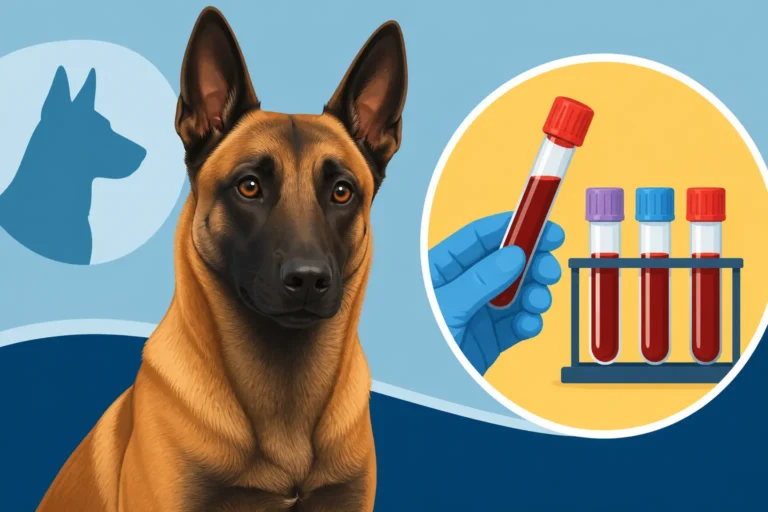
When your Malinois was younger, an annual vet visit might have been sufficient. However, for a senior Malinois, moving to biannual (every six months) or even quarterly check-ups is highly recommended. These frequent visits allow your veterinarian to establish baseline health parameters and catch any deviations early. During these appointments, your vet will likely recommend routine bloodwork, including a complete blood count (CBC) and a chemistry panel, to assess organ function (kidneys, liver, pancreas). They may also check thyroid levels, especially since A Malinois Whose Thyroid Has Given Out can become an issue with age, and perform urinalysis to screen for urinary tract infections or early kidney disease. Blood pressure checks are also important, as hypertension can impact kidney function and overall cardiovascular health.
The value of these routine checks cannot be overstated. Diseases like kidney disease, diabetes, or certain cancers often progress silently in their early stages. By monitoring blood values and other diagnostics over time, your vet can spot trends that indicate a problem long before your Malinois shows obvious symptoms. This early detection often means more effective treatment options, better management of the condition, and ultimately, a longer, higher quality of life for your beloved companion. It’s an investment in their future comfort.
Think of it as preventive maintenance for a finely tuned, albeit aging, machine. These regular assessments help create a detailed picture of your Malinois's health, making it easier to identify and address issues as they arise. This proactive approach is one of the most impactful things you can do to ensure your Malinois remains sound and comfortable in their senior years. For more information, consider what The Bloodwork a Working Malinois Should Have Annually should cover.
Monitoring for Common Senior Ailments
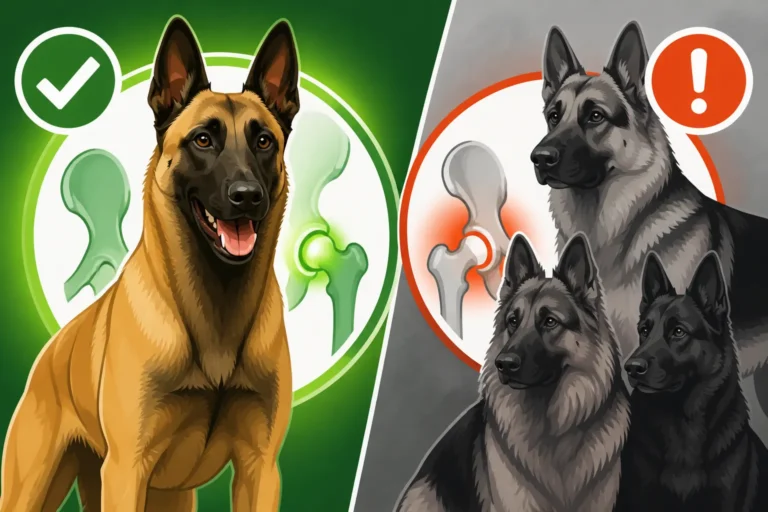
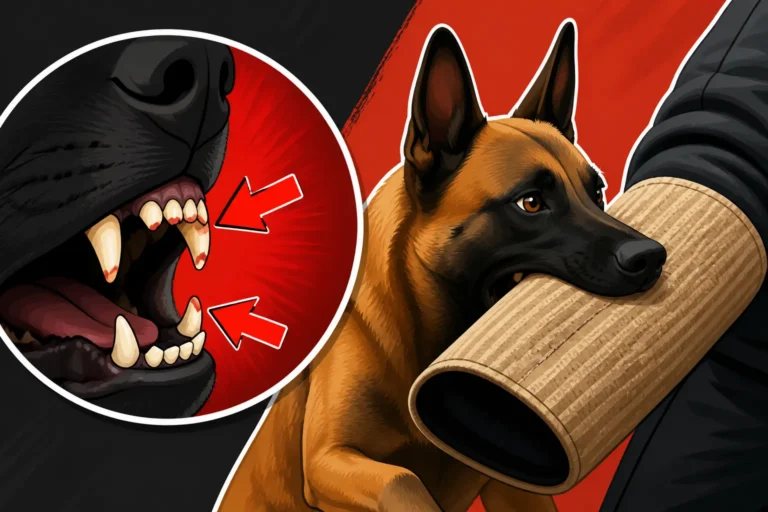
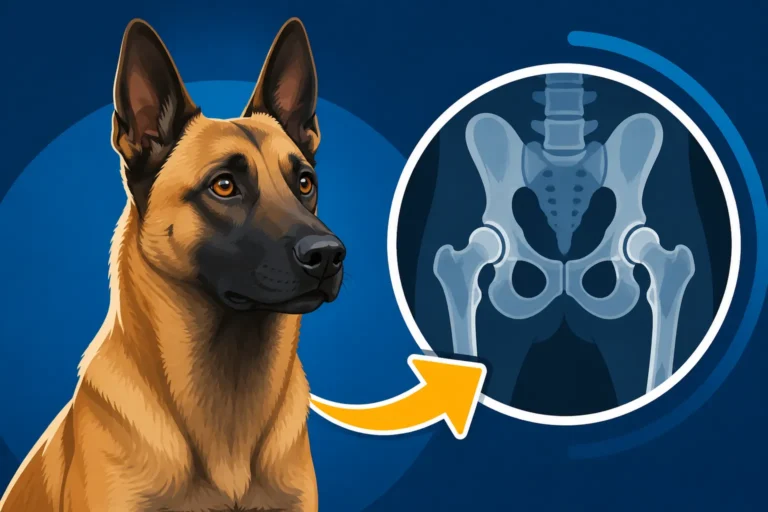
Beyond routine checks, owners of senior Malinois need to be vigilant for specific ailments common in older dogs. Arthritis is practically a given in a breed known for its high-impact activities. Watch for reluctance to jump, difficulty getting up, a stiff gait, or changes in how they move. Arthritis in a Belgian Malinois at Nine is a common reality, and it only progresses. Dental disease is also rampant in older dogs, leading to pain, infection, and sometimes systemic health issues. Regularly check their teeth and gums for redness, swelling, or excessive tartar.
Vision and hearing loss are also common. You might notice your Malinois bumping into things in unfamiliar environments, startling easily, or not responding to commands they once knew. Heart murmurs or other cardiovascular changes can also develop, often detected during routine physical exams. These conditions, while not always curable, are often manageable with medication, dietary changes, or environmental modifications.
Your role as an observant owner is paramount. Keep a journal of any changes you notice—even subtle ones—and discuss them with your vet. Small signs like changes in appetite, increased thirst, unexplained weight loss or gain, lumps or bumps, or altered bathroom habits all warrant attention. Companies like Healthy Paws offer pet insurance plans that can help alleviate the financial burden of diagnosing and managing these age-related conditions, allowing you to pursue the best possible care without hesitation. By being proactive and attentive, you can ensure your Malinois receives timely intervention, maximizing their comfort and well-being as they gracefully age.
Creating a Comfortable and Safe Home Environment
The home environment plays a massive role in the comfort and safety of an aging Belgian Malinois. What was once a stimulating challenge (like jumping onto a high bed) can become a dangerous obstacle course. Thoughtful adjustments can make a world of difference.
Adapting the Home for Mobility Challenges
A senior Malinois, even one that appears relatively spry, can struggle with slick surfaces and high steps. Hardwood, tile, or laminate floors that were once no problem can become slip-and-slide hazards, leading to strains, sprains, or even falls that can exacerbate existing joint issues. Placing non-slip mats or runners in high-traffic areas, especially where they eat, drink, or rest, can provide crucial traction. Consider using dog socks or paw grips to give them better footing on smooth floors.
Ramps can be absolute game-changers. Whether it's a ramp to help them get into the car for vet visits or shorter ones for accessing a favorite couch or bed, these reduce the need for painful jumping and climbing. Raised food and water bowls can also ease neck and back strain, allowing them to eat and drink more comfortably without hunching over. Ensuring easy and safe access to outdoor areas for potty breaks is also vital; if there are stairs, consider a ramp or an alternative exit. Even something as simple as a sturdy step stool can make a difference. For tips on how to prevent slips, look into Helping an Old Belgian Malinois Off Slick Floors.
Finally, their resting places need attention. Orthopedic beds with supportive foam can relieve pressure on joints and provide much-needed comfort, especially after activity. Place these beds in easily accessible spots, away from drafts or high-traffic areas where they might be startled. Investing in a good quality orthopedic bed can significantly improve their sleep quality and reduce stiffness in the mornings.
Providing Quiet and Secure Spaces
An aging Malinois, particularly one experiencing cognitive decline, can become more sensitive to noise and chaos. What they once tolerated with ease—the kids playing loudly, the doorbell ringing, guests coming over—might now cause anxiety or confusion. Providing a dedicated, quiet, and secure space where they can retreat and feel safe is essential. This might be their crate, kept in a less busy part of the house, or a comfortable dog bed in a quiet room that’s off-limits to boisterous younger pets or children.
In multi-dog households, ensure the senior Malinois has their own space to eat and sleep without being constantly jostled by younger, more energetic dogs. They might need their own quiet meal times to ensure they eat adequately, free from competition. This helps manage potential anxiety and prevents resource guarding issues that can sometimes emerge or worsen with age.
Recognizing signs of anxiety, disorientation, or sundowning (increased confusion and agitation in the evenings, often seen in CCD) is crucial. If your Malinois paces aimlessly, barks at nothing, or seems lost, gently guide them to their safe space. Consistent routines, particularly around feeding and potty breaks, can provide a sense of predictability and security, helping to mitigate anxiety related to cognitive changes. Some Malinois will start to pace or vocalize more at night, a common sign of CCD. For more on this, check out An Old Malinois That Paces the House at Night. A calm, predictable, and physically comfortable environment is a huge gift you can give your senior Malinois, helping them feel secure and cherished in their golden years.
Managing Pain and Mobility Issues
Even with the best preventive care, pain and mobility issues are almost inevitable for a high-drive breed like the Belgian Malinois as they age. The key is to address these challenges proactively and holistically to maintain their quality of life.
Pharmaceutical and Non-Pharmaceutical Pain Management
When your Malinois starts showing consistent signs of pain—limping, difficulty rising, reluctance to use stairs, or even just general grumpiness—it’s time to talk to your veterinarian about pain management. Often, the first line of defense involves non-steroidal anti-inflammatory drugs (NSAIDs) prescribed by your vet. Medications like carprofen (Rimadyl), meloxicam (Metacam), or firocoxib (Previcox) can be highly effective at reducing inflammation and pain, significantly improving mobility and comfort. However, these medications require careful monitoring, as long-term use can impact liver and kidney function, especially in older dogs. Regular blood tests are essential to ensure their safety.
Beyond NSAIDs, a multi-modal approach to pain management is often the most effective. Your vet might suggest other medications, such as Gabapentin, which can help with neuropathic pain, or Amantadine, which works on chronic pain pathways. For dogs with severe or refractory pain, options like therapeutic laser therapy, acupuncture, or even advanced injections (e.g., Librela, Adequan) can be explored. These non-pharmaceutical interventions can offer significant relief and sometimes reduce the need for higher doses of oral medications.
The goal is to find the right combination of treatments that provides maximum comfort with minimal side effects. This often requires patience and close collaboration with your veterinarian, adjusting dosages and medications as your Malinois's needs change. A robust pet insurance plan, such as one from Healthy Paws, can be incredibly beneficial here, as these specialized treatments and long-term medications can add up quickly. Having that financial support allows you to prioritize your Malinois's comfort and pursue the best possible pain relief strategy.
Physical Therapy and Rehabilitative Care
While medication can alleviate pain, physical therapy and rehabilitative care focus on maintaining and improving actual physical function. These therapies can be transformative for an aging Malinois, helping them retain strength, flexibility, and coordination. Hydrotherapy, or swimming in a controlled environment, is particularly excellent. The buoyancy of the water takes pressure off joints while allowing for full range of motion and muscle strengthening. Many veterinary rehabilitation centers offer underwater treadmills, which combine the benefits of hydrotherapy with gait training.
Other rehabilitative exercises, performed under the guidance of a certified canine rehabilitation therapist, can include targeted stretches, balance exercises, and gentle strengthening routines using cavaletti poles, balance boards, or therapeutic exercise balls. Massage therapy can also help relax stiff muscles, improve circulation, and reduce soreness. These therapies are not just about recovery from injury; they are about slowing the progression of age-related decline and improving daily comfort.
The commitment to physical therapy does require time and effort, but the payoff in terms of your Malinois's comfort and mobility is often substantial. It empowers them to continue engaging in life, even if at a slower pace. Always seek out certified canine rehabilitation specialists, as they have the expertise to design a safe and effective program tailored to your Malinois's specific needs. Again, having pet insurance like Healthy Paws can be a game-changer, covering a significant portion of the costs for these specialized therapies, making them more accessible and allowing you to invest in your Malinois's continued well-being.
Senior Malinois Health Management Quick Reference
Here’s a quick overview of common health considerations for your aging Belgian Malinois and how to approach them:
| Health Concern | Common Symptoms | Management Strategies |
|---|---|---|
| Arthritis | Stiffness, lameness, reluctance to jump/climb | NSAIDs, joint supplements, laser therapy, hydrotherapy |
| Cognitive Decline | Disorientation, pacing, altered sleep, house-soiling | Brain-supportive diet, mental games, medication (e.g., selegiline) |
| Dental Disease | Bad breath, difficulty eating, swollen gums | Regular dental cleanings, at-home brushing, dental chews |
| Vision/Hearing Loss | Bumping into objects, startling, unresponsiveness | Consistent routines, clear communication, environmental safety |
| Weight Management | Obesity or unexplained weight loss | Senior diet adjustment, monitored exercise, regular weigh-ins |
| Organ Function | Increased thirst/urination (kidney), lethargy (thyroid) | Regular bloodwork, specialized diets, specific medications |
| Cancer | Lumps, unexplained weight loss, lethargy | Regular vet checks, prompt lump aspiration, various treatments |
Disclaimer
This article is intended for informational purposes only and does not constitute veterinary advice. Always consult with a qualified veterinarian for any health concerns or before making any changes to your Belgian Malinois's diet, exercise, or medical care.