Neck Instability in a Belgian Malinois
It’s incredibly unsettling to see your normally vibrant, agile Belgian Malinois suddenly appear off-kilter, stumbling, or showing weakness, especially around their neck. For a breed known for its incredible athletic prowess and intense drive, any hint of neurological trouble or instability in a crucial area like the neck can be truly terrifying. This guide will walk you through understanding neck instability in Malinois, how it's diagnosed, and the various approaches to managing this challenging condition.
Understanding Neck Instability in Your Malinois: What It Looks Like
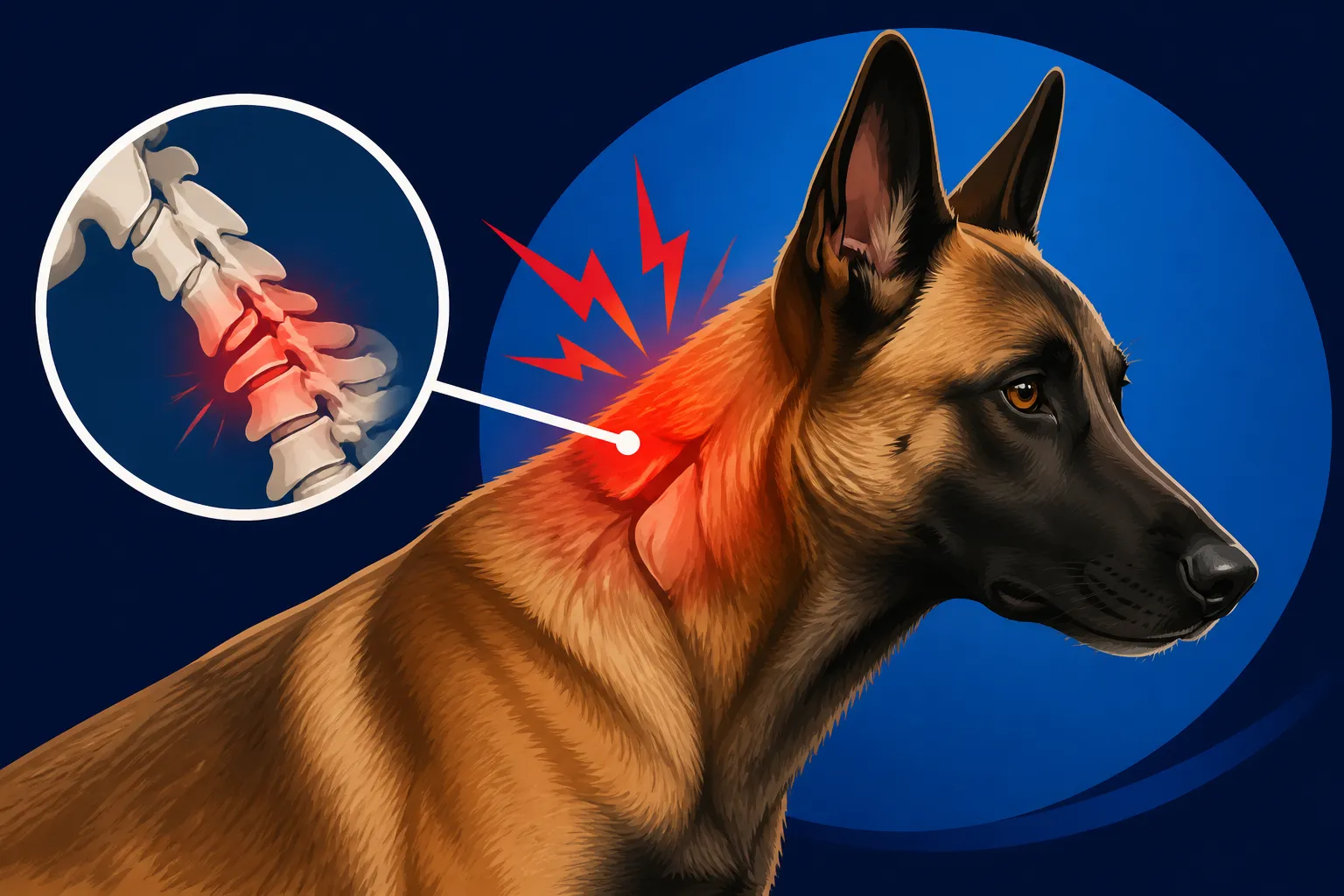
When we talk about neck instability in a Belgian Malinois, we're primarily referring to a condition where the spinal cord or nerve roots in the neck (cervical spine) become compressed due to issues with the vertebrae or the discs between them. This isn't just a minor crick; it can lead to significant neurological deficits and pain, often manifesting in ways that are hard for even experienced owners to interpret at first.
Common Signs and Symptoms
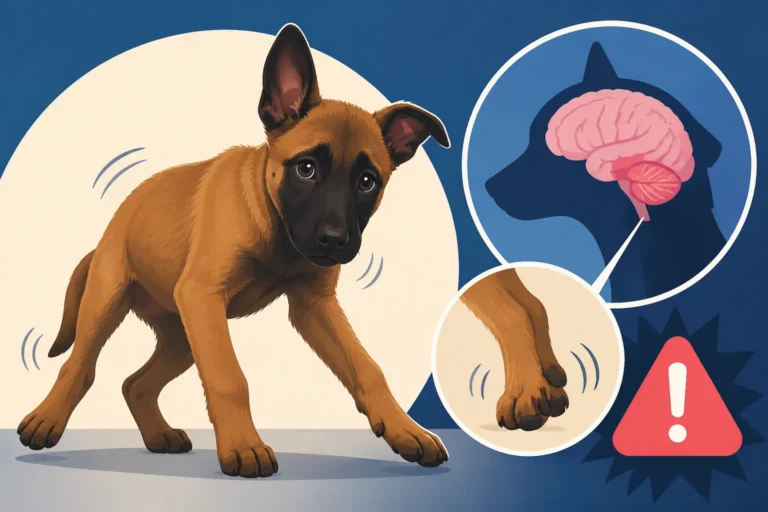
The signs of neck instability can range from subtle to severe, and they often progress over time, which can make them tricky to spot early on. You might first notice a slight change in your Malinois's gait, a sort of wobbling or uncoordinated movement, especially in their hind limbs. This is why the condition is sometimes colloquially referred to as "Wobbler's Syndrome," though the scientific name is cervical spondylomyelopathy (CSM). Your dog might struggle with stairs, seem hesitant to jump, or drag their paws.
Beyond just the gait, watch for signs of pain or discomfort. Your Malinois might vocalize when moving their head, or become sensitive to touch around their neck and shoulders. They might hold their head low, or resist lifting it. Sometimes, owners report a sudden onset of weakness or even partial paralysis, particularly after an exciting or strenuous activity. It's not uncommon for an otherwise high-drive dog to start slowing down, seemingly losing interest in activities they once loved, simply because movement has become painful or difficult. This kind of nuanced behavioral change can often be the first clue that something more serious is going on underneath the surface.
What Causes Cervical Spondylomyelopathy
Cervical spondylomyelopathy (CSM) has a few different forms, but broadly, it results from compression of the spinal cord or its nerves in the neck. In larger, fast-growing breeds like the Belgian Malinois, it can sometimes be a developmental issue, where the bony structures of the vertebrae grow abnormally, leading to a narrower spinal canal. This can happen particularly during rapid growth spurts in puppies and young adults.
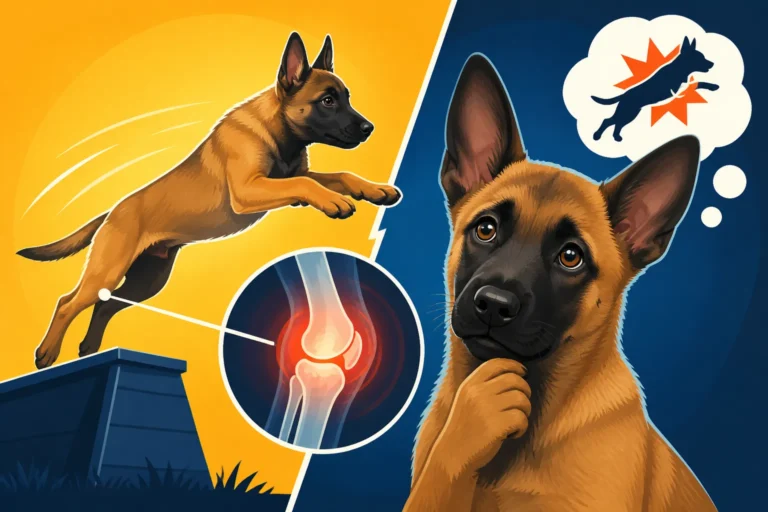
Another common cause is disc-associated compression, where one or more intervertebral discs degenerate and bulge or herniate into the spinal canal. This can be acute, perhaps triggered by a specific movement or injury, or it can be a chronic, slowly progressing issue. The constant high-impact work and extreme athleticism that many Malinois are involved in – whether it's agility, protection work, or even just intense play – can put significant stress on their cervical spine over time. Think about the explosive power of a bite, the sudden twists and turns, or the impact from jumping; all these activities can contribute to wear and tear on the discs and vertebrae. While the genetic component for this in Malinois isn't as extensively documented as in some other breeds like Dobermans or Great Danes, it's always a consideration when dealing with such a complex anatomical issue.
The Diagnostic Gauntlet: Pinpointing the Problem
Getting an accurate diagnosis for neck instability in a Belgian Malinois can feel like a marathon. It often involves a series of veterinary visits, specialized tests, and sometimes consultations with veterinary neurologists. This process can be emotionally taxing and financially demanding, so it's good to be prepared and understand what each step might entail.
Initial Veterinary Examination and Neurological Assessment
Your journey usually begins with your regular veterinarian. They will conduct a thorough physical examination and, critically, a detailed neurological assessment. This involves checking your Malinois's reflexes, proprioception (their awareness of where their limbs are in space), muscle tone, and gait. They'll look for signs like a wide-based stance, knuckling over on their paws, or a shortened stride. The vet might also gently palpate your dog’s neck and spine to check for pain or muscle spasms.
At this stage, your vet will try to differentiate neck instability from other conditions that might present similarly, such as The Spinal Disease That Ends a Malinois's Mobility, various limb injuries, or even metabolic issues that could cause weakness. It’s a process of elimination, but your detailed observations of your dog's symptoms and when they started are invaluable. Don't underestimate how important your daily insights are; you know your Malinois best.
Advanced Imaging Techniques
If the neurological exam suggests a spinal issue, your vet will likely recommend advanced imaging. Standard X-rays (radiographs) can provide a basic view of the bony structures of the cervical spine, showing any obvious malformations or significant disc space narrowing. However, X-rays don't show soft tissues like the spinal cord or discs clearly, so they often serve as a preliminary step.
For a definitive diagnosis, you'll likely need an MRI (Magnetic Resonance Imaging) or a CT (Computed Tomography) scan. An MRI is often preferred as it provides excellent detail of both bone and soft tissues, allowing the neurologist to clearly see any spinal cord compression, disc herniations, or other lesions. A CT scan is also very useful, especially for bony abnormalities. These scans require general anesthesia, which is always a consideration for a Malinois, given their unique physiology and the need for Anesthesia Protocols for a Lean Belgian Malinois. The cost of these advanced diagnostics can be substantial, and many owners find a good pet insurance plan, like those offered by Healthy Paws, can be a lifesaver when facing these kinds of bills. Knowing The Price of Imaging a Malinois's Neck and Spine beforehand can help you plan.
Referral to a Specialist
In many cases, especially after initial imaging, your veterinarian might recommend a referral to a board-certified veterinary neurologist or surgeon. These specialists have extensive experience and specialized equipment to interpret complex imaging results and formulate the most appropriate treatment plan. They can provide a more in-depth assessment and discuss all possible avenues, from conservative management to various surgical interventions.
A specialist can also help rule out other less common conditions or confirm the exact nature and severity of the compression. They'll consider your Malinois's age, overall health, and working status. For a high-drive dog, the stakes can feel even higher, as any treatment needs to consider their future quality of life and potential for continued activity, even if it's a modified version of their former self. It's a challenging time, but having a specialist on your team provides invaluable expertise.
Navigating Treatment Options for Neck Instability
Once neck instability is diagnosed, you and your veterinary team will discuss the best course of action. This decision is highly individualized, depending on the severity of the compression, the specific cause, your dog's age, and your family's circumstances. There are generally two main pathways: conservative management or surgical intervention.
Conservative Management Approaches
For Malinois with mild to moderate signs of neck instability, or those for whom surgery isn't an option due to age, concurrent health issues, or owner preference, conservative management can be pursued. The goal here is to reduce inflammation, alleviate pain, and prevent further damage.
This typically involves a combination of:
- Rest and activity restriction: This is crucial. Limiting high-impact activities, jumping, and even using a harness instead of a neck collar for walks can help. This might mean a temporary break from intense training sessions or competitions.
- Anti-inflammatory medications: Non-steroidal anti-inflammatory drugs (NSAIDs) are commonly prescribed to reduce pain and inflammation. In some cases, corticosteroids might be used, especially during acute flare-ups.
- Pain management: Beyond NSAIDs, other pain medications like gabapentin or tramadol might be added to manage chronic discomfort.
- Muscle relaxants: These can help alleviate muscle spasms that often accompany neck pain.
- Physical therapy and rehabilitation: Once acute pain is under control, a structured physical therapy program can be incredibly beneficial. This might include gentle range-of-motion exercises, passive stretches, therapeutic exercises to strengthen core and neck muscles, and modalities like laser therapy or hydrotherapy. Much like Rehabbing a Belgian Malinois After Knee Surgery, consistency is key to recovery and building compensatory strength.
- Joint supplements: While not a cure, certain supplements like glucosamine, chondroitin, and Omega-3 fatty acids can support joint health and reduce inflammation, and may be used as part of a broader strategy, similar to how Joint Supplements for a Working Belgian Malinois are used for overall joint support.
Conservative management requires patience and a strong commitment from the owner, but it can significantly improve a Malinois's quality of life and sometimes even resolve milder symptoms.
Surgical Intervention Options
For Malinois with severe neurological deficits, rapidly progressing symptoms, or those who don't respond to conservative management, surgery is often recommended. The goal of surgery is to decompress the spinal cord and stabilize the cervical spine. There are several surgical techniques, and the choice depends on the specific type of compression (bony or disc-related) and its location.
Common surgical procedures include:
- Ventral slot decompression: This involves removing a small window of bone from the underside of the vertebrae to access and remove disc material that is compressing the spinal cord.
- Dorsal laminectomy: This approach removes bone from the top (dorsal) aspect of the vertebrae to relieve compression.
- Distraction-fusion techniques: For instability, bone grafts and plates/screws might be used to fuse unstable vertebrae together, thereby stabilizing the segment and decompressing the spinal cord. This is a more extensive procedure designed to create long-term stability.
Recovery from spinal surgery is a long road, often involving several weeks of strict rest followed by a carefully managed rehabilitation program. Post-operative care is critical and involves pain management, wound care, and gradually reintroducing activity under veterinary guidance. The success rate for surgery varies depending on the severity and duration of the neurological signs before surgery, but many Malinois show significant improvement.
Prognosis and Long-Term Outlook
The prognosis for a Belgian Malinois with neck instability can vary widely. For dogs with mild signs and those who respond well to conservative management, a good quality of life can often be maintained for many years. For those undergoing successful surgery, the outlook is generally positive for improvement in neurological function and reduction in pain. However, it's important to understand that complete resolution of all neurological deficits isn't always possible, and some dogs may have residual weakness or gait abnormalities.
Long-term management often involves continued physical therapy, weight management to reduce stress on the spine, and careful monitoring for any recurrence of symptoms. Your Malinois's activity level will likely need to be managed for the rest of their life, potentially moving away from high-impact sports to more controlled, low-impact activities like swimming or structured obedience. Regular veterinary check-ups are essential, and pet insurance from providers like Healthy Paws can continue to be valuable for covering ongoing care and potential future needs.
| Treatment Type | Primary Goal | Ideal Candidates | Pros | Cons |
|---|---|---|---|---|
| Conservative (Medical & Rehab) | Reduce pain, inflammation, support stability | Mild to moderate symptoms, non-surgical candidates | Non-invasive, less immediate risk, often effective for mild cases | Slower improvement, may not address underlying instability, requires strict management |
| Surgical (Decompression & Fusion) | Directly relieve spinal cord compression, stabilize vertebrae | Severe symptoms, rapid progression, failed conservative management | Direct resolution of compression, potential for significant recovery | Invasive, higher immediate risk, longer recovery, substantial cost |
Living with Neck Instability: Management and Prevention
Caring for a Belgian Malinois with neck instability is a long-term commitment. It requires vigilance, adaptability, and a proactive approach to their health and well-being. Even if your dog has recovered well, understanding how to prevent further issues and manage their condition daily is paramount.
Daily Management and Lifestyle Adjustments
Life with a Malinois who has experienced neck instability means making some thoughtful adjustments. Foremost, managing their activity levels becomes a fine balance. While they are naturally high-energy dogs, avoiding excessive jumping, rough play that involves neck twisting, and repetitive high-impact activities is crucial. Many owners find controlled exercises like swimming, hiking on even terrain with a harness, or focused obedience work to be good alternatives. Consider a comfortable, supportive bed to minimize pressure points, especially for An Old Malinois That Paces the House at Night due to discomfort.
Using a front-clip harness or a head halter instead of a traditional neck collar is highly recommended to prevent any pressure on the cervical spine during walks. Maintaining a lean body condition is also vital; extra weight puts unnecessary strain on their entire skeletal system, including the neck. Regular, gentle stretching and massage (if cleared by your vet or physical therapist) can help maintain flexibility and reduce muscle tension. Remember, the goal is not to stop them from being a Malinois, but to channel their energy into activities that are safer for their spinal health.
Preventing Recurrence and Monitoring for Changes
Even after successful treatment, vigilance is key to preventing recurrence. You'll need to be acutely aware of any subtle changes in your Malinois's gait, posture, or behavior. Is their head carriage different? Are they hesitant to turn their head? Are they showing any signs of discomfort or reluctance to engage? Early detection of a flare-up can allow for prompt intervention and potentially prevent more severe damage. Regular check-ups with your vet, potentially including a neurologist, should become part of your routine. These appointments are not just about medical checks; they're also an opportunity to discuss any concerns or behavioral shifts you've observed.
For breeds like the Malinois, who live fast and hard, ongoing care is vital. Think about The Checkup Schedule a Sport Malinois Should Keep and adapt it to include specific neurological assessments. While not every Malinois will develop neck instability, being informed, especially if you have a puppy from a line with known spinal issues, is incredibly empowering. Proactive management and a deep understanding of this condition can truly make a difference in your Malinois's long and happy life.
Disclaimer
The information provided in this article is for general informational purposes only and is not intended as a substitute for professional veterinary advice. Always seek the advice of your veterinarian or other qualified animal health provider with any questions you may have regarding a medical condition or treatment for your Belgian Malinois.