Whether a Malinois Wakes Badly From Anesthesia
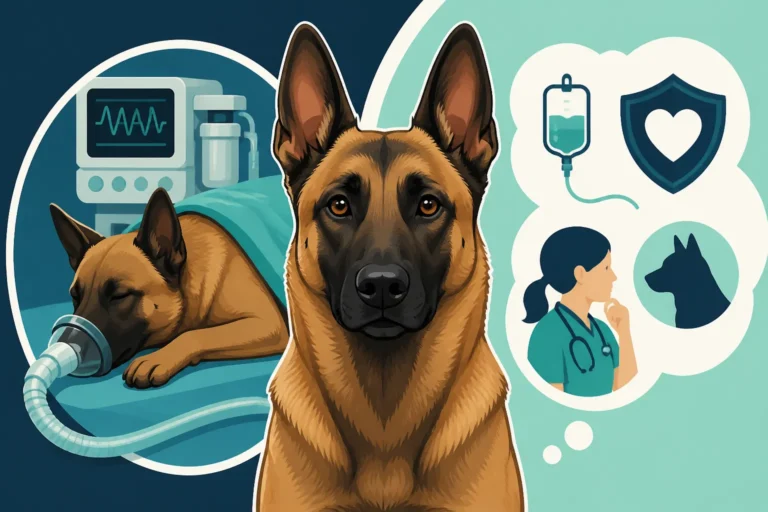
It’s a truly unsettling experience to watch your typically powerful, composed Belgian Malinois come out of anesthesia. What starts as a relief that the procedure is over can quickly turn into a surge of anxiety as your dog thrashes, cries, or tries to fight their way out of a daze. Many Malinois owners worry if their intense, high-drive companion will wake up badly, and this guide will walk you through what to expect and how to prepare for a smoother recovery.
The Unique Challenge of Anesthesia for a Belgian Malinois
Bringing any dog out of anesthesia can be a little disorienting for them, but a Belgian Malinois often presents a unique set of challenges. These aren't your average couch potatoes; they are dogs bred for intense work, high drive, and an incredible awareness of their surroundings. This inherent nature, while a massive asset in their daily lives, can make the post-anesthesia period feel particularly dramatic and even dangerous.
Malinois Metabolism and Drug Processing
One factor that plays a role in how a Malinois responds to anesthesia is their high metabolism. These dogs are lean, muscular machines, constantly burning energy. This high metabolic rate can sometimes mean they process anesthetic drugs more quickly than other breeds. While a faster wake-up might sound good in theory, it can lead to a more abrupt and less graceful emergence from sedation. Imagine waking up from a deep sleep feeling groggy, but then instantly trying to jump up and run a marathon – that's a bit like what some Malinois experience. They might come out of the anesthetic fog faster, but they're not necessarily coherent or coordinated, which can lead to frantic, unmanaged movements.
It's crucial for your veterinarian to understand this breed-specific trait when planning their care. Discussing specific Anesthesia Protocols for a Lean Belgian Malinois can help tailor the medication and recovery process. Always ensure your vet is aware of your dog's activity level and any prior reactions to sedation.
The "Fight or Flight" Reflex Post-Anesthesia
A core trait of the Belgian Malinois is their strong "fight or flight" instinct. They are wired to react quickly and powerfully to perceived threats or sudden changes in their environment. Coming out of anesthesia, everything is disorienting. Their senses are dulled, their balance is off, and their cognition is impaired. This can trigger a primal fear response. Instead of calmly and slowly blinking awake like some other breeds, a Malinois might perceive their groggy state and the strange surroundings (vet clinic, different smells, unfamiliar hands) as a threat.
This instinct can manifest as intense thrashing, vocalizing, or even a confused attempt to bite or snap. They aren't trying to be aggressive in a malicious sense; they are genuinely terrified and disoriented, reacting purely on instinct. It’s a moment where their incredible drive and intensity, which we usually admire, can become a significant hurdle to a smooth recovery. Recognizing this underlying fear can help owners and veterinary staff approach their recovery with extra patience and a focus on minimizing stimulation.
Common Post-Anesthesia Behaviors in a Malinois
So, what does this "bad" awakening actually look like? It's often not aggression in the typical sense, but rather a profound disorientation and a desperate attempt to regain control. Preparing yourself for these common scenarios can help you manage them calmly.
Disorientation and Ataxia
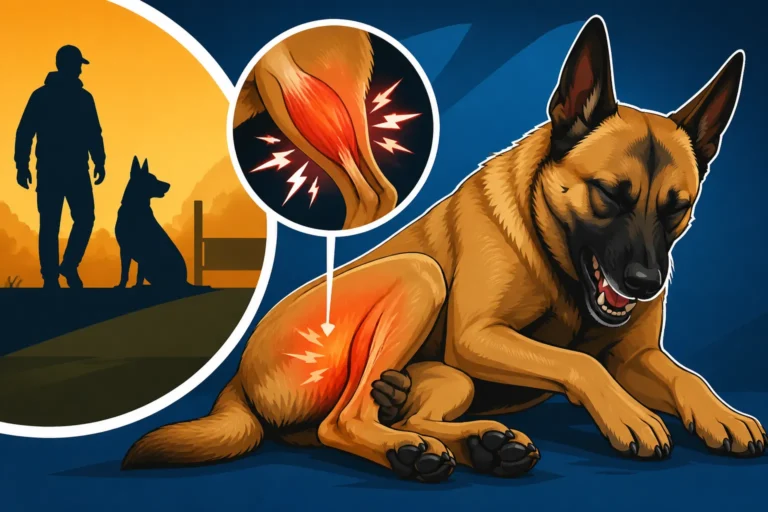
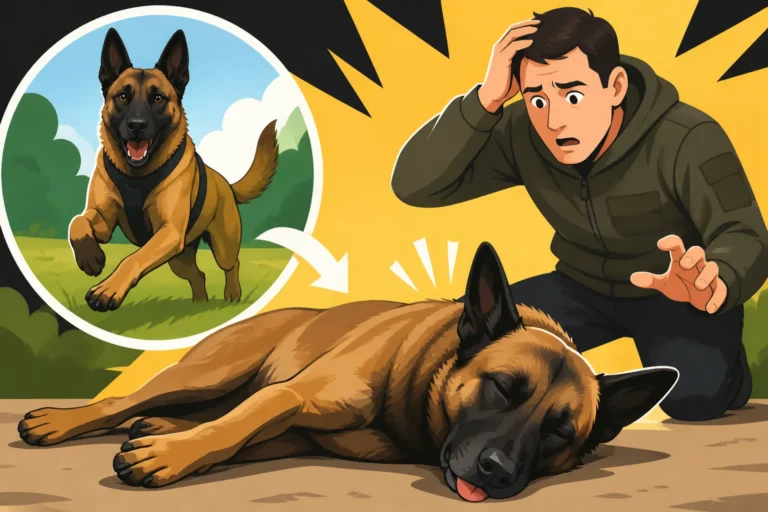
The most universal post-anesthesia symptom is ataxia, or a lack of coordination. Your Malinois will be wobbly, stumbling, and might bump into objects. While this is normal for any dog, with a Malinois, it can be amplified. Instead of just a slight sway, you might see them trying to push themselves up with tremendous force, only to collapse in a heap. This intense drive to do something, even when their body isn't cooperating, is characteristic of the breed. They might repeatedly try to stand, fall, then immediately try again, potentially injuring themselves by hitting their head or twisting a limb.
They also suffer from profound disorientation. They might not recognize you, their surroundings, or even where their own body begins and ends. You might see their eyes darting around, looking confused, or they might stare blankly ahead. This cognitive fog can make them very vulnerable, and without careful supervision, they can injure themselves trying to navigate even a short distance. This is why having a quiet, confined space for recovery is absolutely non-negotiable.
Vocalization and Thrashing
Many Malinois will vocalize loudly as they come out of anesthesia. This can range from mournful whimpers and cries to frantic barks and howls. It’s often a symptom of their confusion and anxiety, a distress signal as they try to process what’s happening. Coupled with this, thrashing is incredibly common. They might kick their legs, try to stand up or roll over violently, or even attempt to pull sutures or IV lines.
I’ve seen Malinois launch themselves off the examination table at the vet's office, convinced they need to escape, only to crash to the floor. Their strength and drive, even in a sedated state, can be surprising. This isn't naughtiness; it's a frantic, disoriented effort to regain control or flee a perceived threat. Owners should expect a fair amount of noise and uncoordinated movement, and understand that their dog is not fully "back to normal" in terms of mental clarity or physical control.
Agitation and Confused Aggression
In some cases, particularly if the recovery environment is too stimulating or if they are still in pain, a Malinois might exhibit agitation or what appears to be aggression. This could mean snapping, growling, or even attempting to bite if you try to comfort them or move them. Again, it’s rarely truly aggressive intent; it’s a confused, fear-based reaction. They don't understand why they hurt, why they can't move properly, or why strangers are touching them.
It’s a harrowing experience for an owner to see their beloved companion react this way. You might wonder, "What did I do wrong?" or "Is my dog suddenly dangerous?" The answer is almost always no. This is the primal brain taking over when the higher cognitive functions are offline. It’s a temporary phase, but one that requires extreme caution from anyone handling the dog.
Comparing Anesthesia Recovery
To give you a clearer picture, here’s a comparison of how different dogs might typically recover versus the potential challenges a Belgian Malinois can present:
| Characteristic | Typical Dog Recovery | Potential Malinois Challenges |
|---|---|---|
| Initial Awakening | Slow blink, gentle stretches, mild confusion | Abrupt, thrashing, frantic attempts to stand, loud vocalizations |
| Coordination | Wobbly, needs assistance to stand, might fall once | Intense attempts to move, repeated uncontrolled falling, bumping into things with force |
| Vocalization | Soft whimpers, quiet groans, occasional bark | Loud crying, howling, frantic barking due to disorientation and anxiety |
| Pain Response | May lick incision, seek comfort, show mild discomfort | Intense chewing/licking at site, agitation, snappiness, inability to settle |
| Behavior | Lethargic, sleepy, seeks warmth/comfort | Agitated, pacing (if able), trying to escape, potential fear-based growling or snapping |
| Risk of Injury | Low, mostly self-inflicted from minor falls | Moderate to high, from forceful thrashing, attempting to jump, or impacting hard surfaces |
Strategies for a Smoother Recovery Environment
Understanding why your Malinois might wake up badly is the first step; the next is preparing for it. There are several proactive steps you can take to make the post-anesthesia period as smooth and safe as possible for your dog and yourself.
Preparing the Home Environment
Before you even pick up your Malinois from the vet, make sure their recovery space at home is ready. Think quiet, dark, and safe. Choose a small, easily cleaned room or a well-prepared crate where they can’t hurt themselves. Remove any obstacles they could trip over or bump into. Lay down plenty of soft, absorbent bedding. This isn't the time for fancy dog beds that can be easily soiled or destroyed; old blankets or towels work best.
Ensure the area is quiet, away from high-traffic household areas, loud noises, or bright lights. Reduce stimulation as much as possible to prevent a sensory overload that could trigger a panicked reaction. If you have stairs, block them off. If your Malinois normally sleeps on furniture, restrict access for at least 24-48 hours. A disoriented Malinois trying to jump off a couch could easily suffer a serious injury, especially if their joints are already compromised, which is why topics like The Hip and Elbow Numbers Behind a Malinois Clearance are so vital for long-term health.
Safe Handling and Monitoring
When you bring your Malinois home, constant, vigilant supervision is critical. Have someone else drive if possible, so you can safely monitor your dog in the car. Once home, do not leave them unattended, even for a moment. They may need assistance getting up to potty, or they might try to stand and fall. If your Malinois had a significant procedure, the vet might recommend two people lift them carefully to prevent injury, both to the dog and to yourselves.
Keep other pets and young children completely separate for the initial recovery period. Even the most tolerant Malinois can be unpredictable when disoriented and in pain. They might snap at a curious cat or a child who approaches them unexpectedly. Offer water in a shallow bowl once they are more stable, but don't force it. Some dogs will drink excessively due to dry mouth from medications, which can lead to vomiting, so monitor intake.
Medication Management and Pain Control
Your veterinarian will likely send your Malinois home with pain medication and potentially a mild sedative to help them rest and recover more calmly. Adhering strictly to the prescribed dosage and schedule is paramount. Don’t skip doses, even if your dog seems "fine," because pain can quickly lead to agitation and a "bad" awakening. If your Malinois seems particularly agitated or restless, communicate this with your vet. They may be able to adjust the medication or provide additional calming agents.
Sometimes, the sedative effects wear off before the pain medication kicks in fully, or before your Malinois is truly lucid, leading to that confused thrashing. Ensuring a consistent level of comfort and calm through medication is key. This careful approach to pain and sedation management is part of a holistic recovery plan, much like considering genetic predispositions for certain conditions, such as checking for The Two Ataxia Genes Belgian Malinois Are Tested For before breeding.
When to Worry: Distinguishing Complications from Normal Recovery
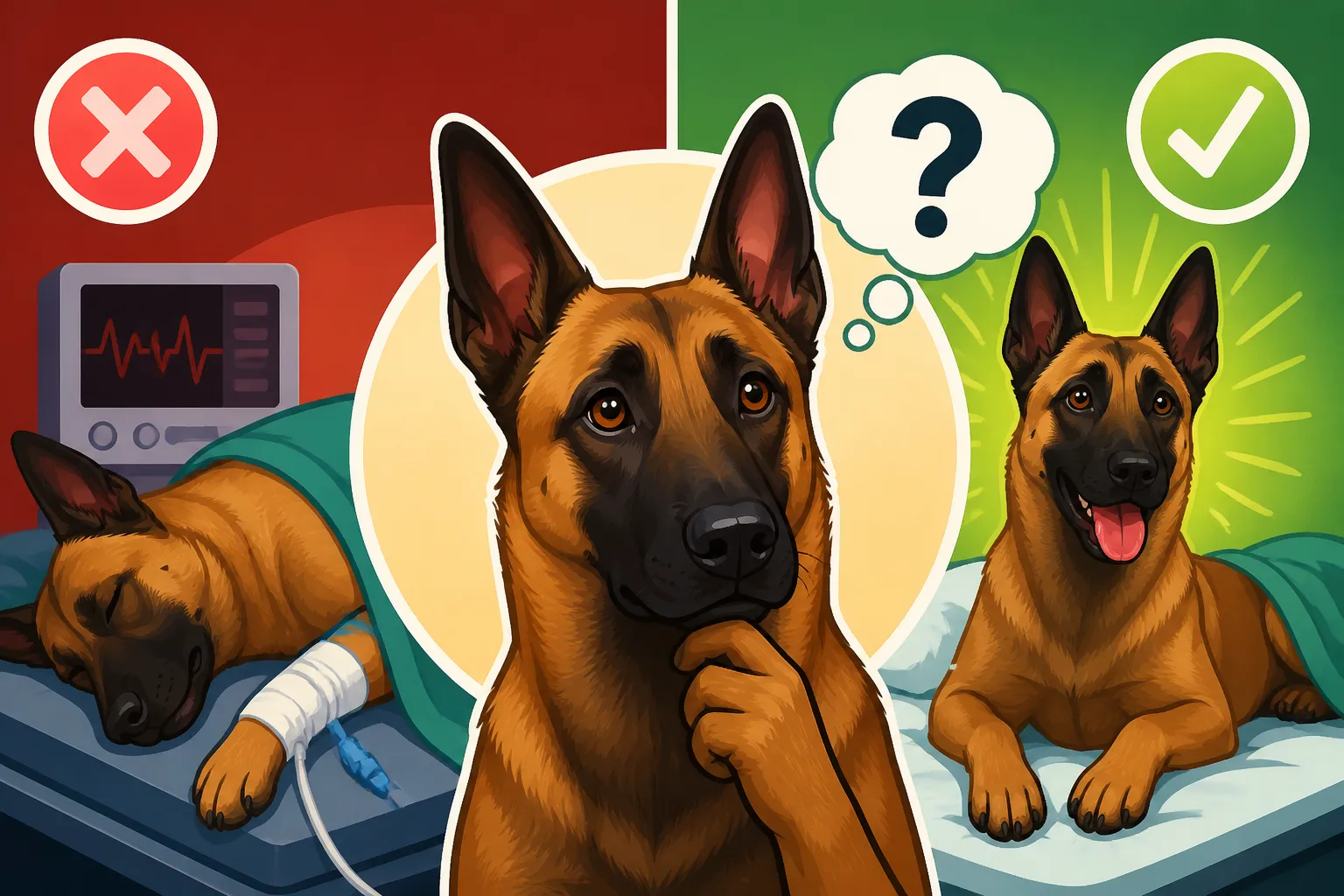
It's easy to panic when your Malinois is struggling post-anesthesia. How do you know what’s a tough but normal recovery for a Malinois, and what's a genuine medical emergency? Knowing the red flags can help you make informed decisions and prevent unnecessary worry or, conversely, critical delays in care.
Red Flags Requiring Immediate Veterinary Attention
While a rough awakening can be par for the course with a Belgian Malinois, certain symptoms warrant an immediate call to your veterinary clinic, or even an emergency visit. These include:
- Difficulty Breathing: Labored breathing, gasping, blue-tinged gums, or continuous coughing. While a bit of sneezing or a mild cough might be normal post-intubation, anything that looks like respiratory distress is a serious concern.
- Excessive Vomiting or Diarrhea: A single bout of vomiting might occur, but repeated vomiting, particularly if it's projectile or contains blood, or severe diarrhea, indicates a problem. This could be a reaction to medication or an underlying issue.
- Prolonged Lethargy or Non-Responsiveness: If your Malinois remains extremely sleepy, unresponsive, or seems to be getting more sedated rather than gradually improving hours after getting home, contact your vet. They should be gradually becoming more aware, even if still wobbly.
- Severe Pain: While some discomfort is expected, uncontrolled pain (manifesting as relentless vocalization, severe panting, shivering, or unwillingness to settle despite pain medication) needs urgent assessment.
- Pale Gums: This can indicate shock, internal bleeding, or other circulatory problems. Press on their gums; they should return to a pink color within 1-2 seconds.
- Swelling at the Incision Site: While a little bruising is normal, significant, rapid swelling or discharge at a surgical site requires vet attention. This is especially important for spay/neuter procedures, as complications from Whether Spay Timing Changes a Malinois's Joints could be costly.
If you observe any of these symptoms, don't hesitate. Call your vet and describe what you're seeing in detail. It’s better to be overly cautious than to regret not seeking help sooner.
Staying in Touch with Your Vet
Your veterinary team is your best resource during this stressful time. Before you even leave the clinic, make sure you understand all post-operative instructions, including medication schedules, wound care, and feeding guidelines. Ask for an emergency contact number if their regular hours don't cover your Malinois's entire recovery period. You'll want to be sure you know What to Tell a Vet Before a Malinois Is Sedated to begin with, but communication after is just as important.
Don’t be afraid to call with questions or concerns, even if they seem minor. A good vet clinic would rather you call ten times for "nothing" than miss a crucial symptom. They understand the unique nature of Malinois and can provide reassurance or guide you through next steps. This vigilance is part of being a responsible owner, just as being mindful of genetic health conditions like The Seizure Disorder Running in Malinois Lines is when choosing a puppy.
Having a robust pet insurance policy, such as one from Healthy Paws, can provide immense peace of mind during these times. Unexpected veterinary emergencies, including complications from anesthesia or post-surgical issues, can lead to significant bills. Knowing that a portion of these costs could be covered by Healthy Paws allows you to focus solely on your Malinois’s recovery, rather than financial strain. Many Malinois lead active lives, which can unfortunately lead to unexpected injuries. Investing in a good plan with Healthy Paws can safeguard your finances when your dog needs it most, whether it's for an acute injury or managing a chronic condition like Pannus and the Sunlight That Drives It in Malinois.
Long-Term Recovery and Preventative Measures
Once your Malinois is past the initial, most chaotic recovery period, the focus shifts to ensuring a full and healthy return to their normal self. This isn't just about physical healing but also about their mental well-being and, for working dogs, their readiness to get back to their job.
Gradual Return to Activity
A common mistake with high-drive breeds like the Malinois is allowing them to return to full activity too quickly. Even if they seem to have boundless energy a few days post-op, their body is still healing, and their systems are recovering from the stress of anesthesia and surgery. Follow your vet's instructions precisely regarding activity restrictions. This might mean strictly leash-only potty breaks for a couple of weeks, or no jumping, running, or intense play.
For a dog that lives for movement, this can be incredibly frustrating for both you and them. You might see increased destructive behaviors or whining due to boredom. This is where creative mental stimulation comes in. Puzzle toys, short scent work games, or gentle training sessions focusing on known commands can keep their mind busy without taxing their healing body. The goal is to gradually reintroduce physical exertion, preventing re-injury and ensuring a solid recovery. Monitoring their overall health, including getting The Bloodwork a Working Malinois Should Have Annually, will help ensure they are truly ready.
Supporting Overall Health and Well-being
Anesthesia and surgery are significant stressors on a dog's body. Supporting their overall health can aid in a smoother and faster recovery. This includes a high-quality, balanced diet, ensuring they stay hydrated, and providing a clean, comfortable environment. Consider discussing with your vet if any supplements, such as probiotics to help their gut recover from antibiotics or stress, would be beneficial.
For working Malinois, maintaining their peak condition is a lifelong commitment. Conditions like Hypothyroidism and a Malinois That Loses Drive can impact their ability to perform and recover. Regular veterinary check-ups are key to catching potential issues early. Remember, a healthy dog generally recovers better and faster from medical procedures. A proactive approach to their health, often supported by a reliable pet insurance provider like Healthy Paws, means you’re better prepared for any bumps in the road.
Addressing Residual Anxieties
Some Malinois might develop temporary anxieties or changes in behavior after an intense post-anesthesia experience. They might become more clingy, more sensitive to touch, or even develop a temporary fear of the vet clinic. Be patient and empathetic. Rebuilding trust and positive associations can take time. Use positive reinforcement, keep interactions calm and predictable, and avoid forcing them into situations that cause distress. If the behavioral changes are severe or persistent, consider consulting with a certified professional dog trainer or a veterinary behaviorist. They can offer strategies to help your Malinois regain their confidence and settle back into their routine.
When considering the long-term health and potential unexpected costs, having pet insurance like Healthy Paws can truly be a lifesaver. From routine care that might eventually lead to a need for anesthesia to unexpected emergencies, the financial safety net Healthy Paws provides means you can make decisions based on your Malinois's best interest, not your wallet.
Disclaimer
This article is intended for informational purposes only and does not constitute veterinary advice. Always consult with a qualified veterinarian for any health concerns or before making any decisions about your Belgian Malinois's care, treatment, or diet. Individual situations may vary, and only a professional can provide tailored guidance.