Why Most Daycares Turn a Malinois Away
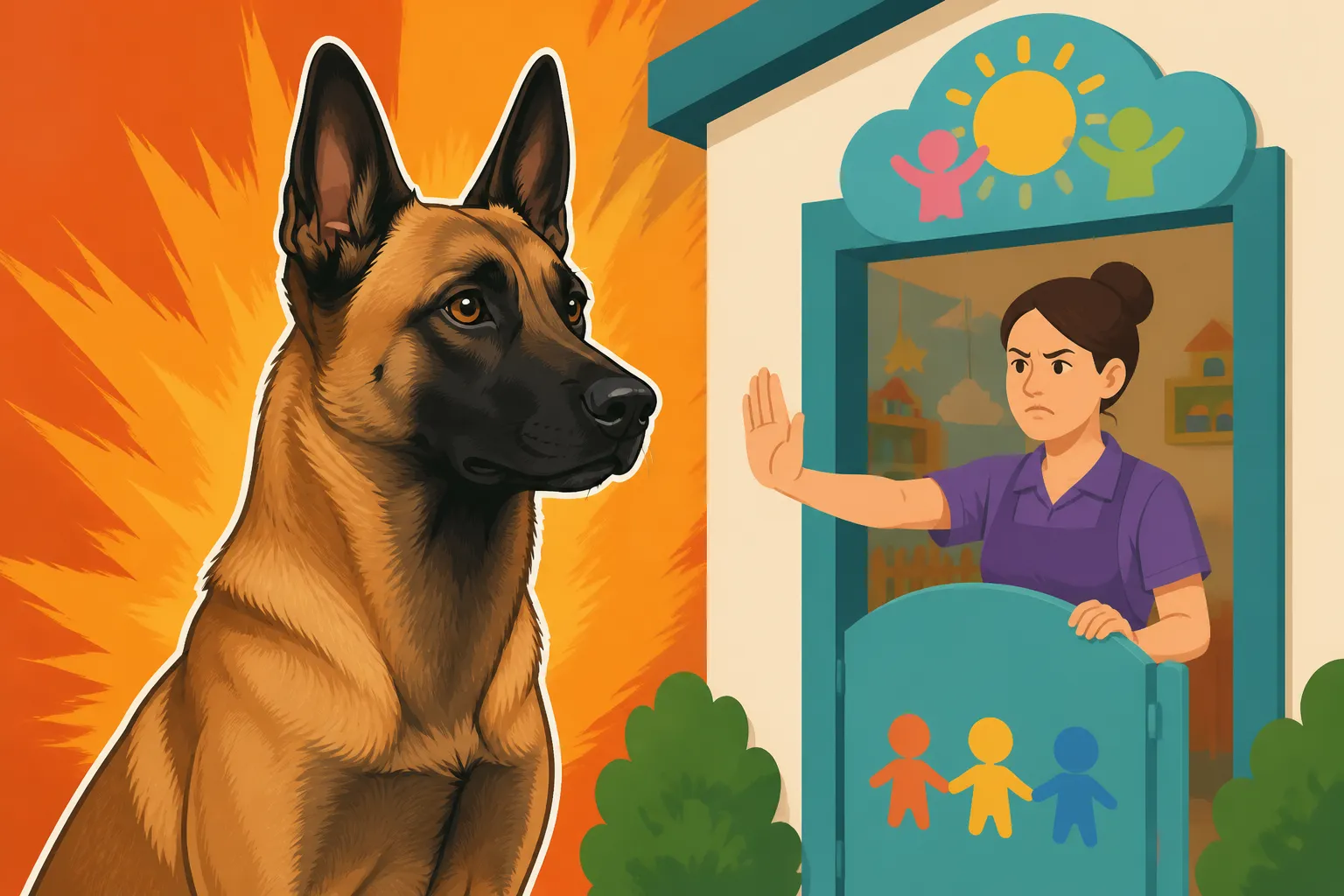
It's a frustrating, often disheartening experience for many Belgian Malinois owners: you're looking for a safe, enriching environment for your high-energy companion during the day, only to be met with hesitation or outright refusal from dog daycares. You know your Malinois is intelligent, driven, and capable, and you just want them to have an outlet and some social interaction. This guide will walk you through the common, yet often misunderstood, reasons behind daycares' reluctance to accept Belgian Malinois, and more importantly, explore the practical steps and alternative solutions available to you as a dedicated owner.
The Inherent Drive and Intensity of the Belgian Malinois
Let's be real: a Belgian Malinois isn't just "another dog." They are a breed meticulously developed for demanding work, with an intensity and drive that sets them apart from many other canine companions. This isn't a fault; it's a fundamental characteristic that makes them exceptional working dogs, but it also creates unique challenges in a typical daycare setting designed for a broader spectrum of breeds.
Understanding the Malinois Energy Level and Needs
A Malinois isn't content with a casual stroll around the block or a leisurely romp in a fenced yard for a few hours. These dogs are practically wired for constant activity, both physical and mental. Their energy isn't just boundless; it's purposeful. They thrive on having a job, a task to complete, and a challenge to conquer. In a daycare environment, where "playtime" often means unstructured romping with a variety of dogs, this intense need for purpose can manifest as relentless herding, incessant pestering, or an inability to settle. They might view other dogs' movements as a cue for work, attempting to control or direct them, which can quickly overwhelm less driven or more sensitive breeds.
Imagine a group of Labs and Golden Retrievers happily sniffing and casually chasing a ball, and then introduce a Malinois who sees every movement as an opportunity for a high-stakes game of chase or bite work. The dynamics shift immediately. Their internal "off switch" is often far less developed than in other breeds, meaning they can struggle to regulate their own energy in a continuously stimulating environment. This isn't naughtiness; it's simply their genetic blueprint dictating their behavior. Owners often underestimate just how much Two Hours and a Job a Belgian Malinois Demands Daily and daycares quickly learn this reality.
Strong Prey Drive and How It Impacts Group Dynamics
Another significant factor is the Belgian Malinois's powerful prey drive. Bred for herding and later refined for protection and detection work, they possess an innate instinct to chase, capture, and sometimes, "mouth" or bite. In a group of dogs of varying sizes, temperaments, and play styles, this can become a serious liability. A smaller, faster dog might inadvertently trigger this drive, leading to an intense chase that escalates beyond typical play.
Even without malicious intent, a Malinois in full prey drive can inadvertently injure another dog. Their drive to engage is so strong that they might become fixated on a particular dog or a specific type of movement, making it incredibly difficult for daycare staff to safely intervene or redirect them. This isn't just about aggression; it's about an instinctual drive that is profoundly difficult to manage in a free-for-all environment, especially when the staff isn't specifically trained in working with high-drive protection breeds.
Safety Concerns and the Daycare Environment
From a daycare's perspective, safety is paramount. They are responsible for every dog in their care, and the potential for incidents involving a Belgian Malinois, even an exceptionally well-trained one, creates a level of risk that many businesses are simply not equipped or willing to manage.
The Risk to Other Dogs and Staff
Let's be blunt: a Malinois, even in play, can accidentally hurt another dog. Their speed, power, and tendency to use their mouths can easily lead to puncture wounds, deep scratches, or more serious injuries during intense play sessions. A daycare often has a wide array of breeds, from tiny Chihuahuas to large Newfoundlands. Introducing a Malinois into this mix requires constant, vigilant supervision that many facilities simply cannot provide given their staff-to-dog ratios. It's not fair to expect them to dedicate one staff member solely to managing your dog, no matter how much you might wish they could.
Furthermore, there's the risk to the staff themselves. Handling a Malinois that becomes overstimulated, reactive, or fixated can be dangerous. These dogs are powerful, agile, and often possess an impressive bite. While a good Malinois owner works tirelessly on control and redirects, a daycare handler, who may not have the same bond or training history, could find themselves in a challenging or even hazardous situation. Why a Belgian Malinois Is the Wrong First Dog becomes abundantly clear in such situations, as their nuances can be lost on less experienced handlers.
Liability and Insurance Considerations
Beyond the immediate physical risks, daycares must consider their liability. If a Malinois injures another dog or a staff member, the daycare is often held responsible. This can lead to substantial financial burdens, including vet bills for the injured dog, potential lawsuits, and increased insurance premiums. Many insurance providers for dog daycares actually have specific exclusions for certain breeds, or charge exorbitant rates to cover them, precisely because of their perceived risk profile.
For an owner, understanding Liability Insurance for a Belgian Malinois Owner is crucial, but that doesn't alleviate the daycare's own insurance worries. A facility that accepts a Malinois might find their own policies suddenly void or their rates skyrocket. It's a business decision, driven by economic realities and the absolute need to minimize risk in an environment where animals can, and sometimes do, get hurt. They're weighing the potential profit from one dog against the potential for a catastrophic incident that could impact their entire operation.
Lack of Specialized Training or Facilities
Most standard dog daycares are not set up to manage high-drive working breeds like the Malinois. Their staff might be excellent with typical pet dogs, skilled in positive reinforcement for basic obedience, and adept at managing general group play. However, managing a Malinois requires a deeper understanding of working dog behavior, strong handling skills, and often, specific training methods. They might not have the knowledge of how to properly build an Building Engagement With a Belgian Malinois or how to best Channeling a Belgian Malinois's Prey Drive Into a Tug in a group setting.
The facilities themselves might also be inadequate. Standard chain-link fences can be easily cleared by a determined Malinois. Shared play yards might not offer enough space for a Malinois to burn off steam without constantly interacting with other dogs. Furthermore, many daycares lack the dedicated one-on-one attention or structured work environments that a Malinois truly needs to thrive, making it an exercise in frustration for the dog rather than a beneficial outing.
Strategies for Malinois Owners to Find Suitable Care
While the challenges are real, don't despair! Many Malinois owners successfully navigate the need for daytime care. It simply requires a more proactive, selective, and often creative approach than owners of less demanding breeds might employ.
Seeking Specialized Daycares or Training Centers
The first and most effective strategy is to seek out facilities that specialize in working breeds, high-drive dogs, or offer specific structured programs. These aren't your typical drop-off-and-play daycares. They are often run by professional trainers, K9 handlers, or individuals deeply experienced with breeds like Malinois, German Shepherds, and Dutch Shepherds. They understand the nuances of The Structure a Belgian Malinois Needs Every Day and are equipped to provide it.
These specialized centers might offer:
- Structured Play Groups: Rather than free-for-all play, dogs are carefully matched and supervised in smaller groups with specific activities.
- Day Training Programs: Your Malinois gets not just exercise, but also dedicated training sessions during the day, reinforcing obedience and mental stimulation. This can be invaluable for an The Age a Malinois Starts Ignoring Known Cues.
- Dedicated Working Dog Facilities: Some places cater specifically to police, military, or sport dogs, and may offer daycare services for personal working-line dogs.
You might have to search a bit wider for these types of facilities, and they often come with a higher price tag due to the specialized expertise and lower dog-to-staff ratios, but they are far more likely to be a good fit for your Malinois.
Preparing Your Malinois for Daycare
Even for specialized daycares, your Malinois still needs to be a good candidate. Proactive training and socialization are key.
- Impeccable Obedience: Your Malinois should have rock-solid obedience commands, especially recall, 'leave it,' 'settle,' and a reliable 'out' from toys or other dogs. This is paramount for their safety and the safety of others.
- Socialization, Not Just Exposure: Proper socialization for a Malinois isn't just about meeting other dogs. It's about teaching them to ignore other dogs and people when appropriate, and to engage calmly when permitted. Whether a Belgian Malinois Needs Dog Park Time is often a resounding "no" for good reason.
- Building an Off Switch: Work on duration commands like 'place' and 'down-stay' in distracting environments. This teaches your Malinois to settle and relax even when exciting things are happening around them. Building an Off Switch Into a Belgian Malinois is a vital skill.
- Health and Vaccinations: Ensure your dog is fully vaccinated, dewormed, and on appropriate flea/tick prevention. Be transparent about any health issues or past incidents. Good pet insurance, like plans from Healthy Paws, can also provide peace of mind for those unexpected vet visits that can happen with any active dog.
When you contact potential daycares, be upfront and honest about your dog's breed, energy levels, and any quirks. Ask for a temperament test, and observe how staff interacts with dogs, particularly those that resemble your Malinois in energy or drive.
The Interview Process: What to Expect
When you find a potential daycare, be prepared for a rigorous interview process for your Malinois. This isn't just a formality; it's how they assess risk and compatibility. They'll likely observe your dog alone, then with a calm, neutral dog, and gradually introduce them to a small, carefully selected group. They'll be looking for:
- Self-regulation: Can your Malinois calm down and take breaks, or do they constantly seek interaction?
- Play style: Is their play appropriate and reciprocal, or do they overwhelm other dogs? Do they engage with toys appropriately or guard them?
- Responsiveness to handlers: Do they listen to the staff's commands and redirections, or do they ignore them in a high-arousal state?
- Reactivity: Do they react negatively to new dogs, sounds, or movements? A Belgian Malinois That Reacts to Other Dogs is a common concern for daycares.
Be prepared for honest feedback. If a daycare says your Malinois isn't a good fit, it's not a judgment on your dog or your training. It simply means their specific environment isn't safe or suitable for your Malinois's unique needs, and that's ultimately a good thing for everyone involved.
Beyond Traditional Daycare: Alternative Solutions
If traditional or even specialized daycares prove difficult to secure, or if you simply prefer a more tailored approach, there are excellent alternatives that can provide the physical and mental stimulation your Malinois craves.
Dog Walkers and Pet Sitters with Working Breed Experience
Instead of a group setting, consider hiring a professional dog walker or pet sitter who has specific experience with working breeds, particularly Belgian Malinois or similar high-drive dogs. These individuals can offer one-on-one attention, customized exercise, and even training reinforcement during their visits.
Look for someone who:
- Understands the breed's needs and drive.
- Is capable of providing robust physical exercise, perhaps through Running a Belgian Malinois Beside a Bike (if safe and appropriate for your dog), long hikes, or structured fetch sessions.
- Can engage your dog mentally with puzzle toys you might get from places like Chewy, or short training sessions.
- Is insured and bonded, offering you peace of mind.
This option allows for a highly personalized routine, minimizing the stress and overstimulation that a group daycare might create.
Engaging a Professional Dog Trainer for Day Training
Many professional dog trainers offer "day training" or "board and train" programs. While board and train involves an extended stay, day training typically means your dog goes to the trainer's facility for the day, where they receive intensive one-on-one training, structured play, and mental enrichment. This is often the ideal scenario for a Malinois, as it directly addresses their need for a job and consistent guidance.
During day training, your Malinois might work on:
- Advanced obedience cues
- Specific sport skills (e.g., retrieving, scent work, agility foundations)
- Behavior modification for specific challenges (like impulse control)
- Controlled socialization with appropriate play partners
This isn't just a way to burn energy; it's an investment in your dog's overall education and behavior, which can be particularly beneficial for an adolescent Malinois going through The Age a Malinois Starts Ignoring Known Cues.
Enrichment at Home and Owner-Provided Exercise
Sometimes, the best solution is a combination of owner-provided exercise and extensive home enrichment. This requires a significant time commitment from you, but it ensures your Malinois's needs are met in a controlled environment.
Consider:
- Structured Exercise: Daily runs, bike rides, long-line work in a safe area, or even treadmill training. Remember, just letting them out in the yard is rarely enough; Why a Fenced Yard Does Nothing for a Malinois.
- Mental Games: Incorporate Puzzle Work for a Belgian Malinois Indoors, scent games, hide-and-seek with toys or treats, and regular obedience sessions. Mental work is often more tiring for a Malinois than purely physical exercise.
- Chew Items: Provide appropriate, durable chew toys to satisfy their strong oral drive. For many Malinois, a high-quality fresh food like Ollie can also provide excellent nutrition to support their active lifestyle, while feeding them their meals in puzzle toys can add mental challenge.
- Crate Training: A well-crate-trained Malinois can learn to settle and rest peacefully when you're away, providing them a safe den and preventing destructive behaviors stemming from boredom or anxiety. Crates, Kennels and Heat Alarms for a Belgian Malinois are essential tools for responsible ownership.
Here's a comparison of common care options:
| Care Option | Suitability for Malinois | Pros | Cons |
|---|---|---|---|
| Traditional Daycare | Low to Medium (depends on facility & dog's temperament) | Social interaction, energy outlet for some dogs | Often unstructured, high risk of overstimulation, potential for incidents, frequent refusal |
| Specialized Daycare | Medium to High (if working-breed focused) | Structured play, staff understanding of high-drive dogs, safer environment | Fewer facilities available, typically higher cost |
| Professional Dog Walker | High | One-on-one attention, customized exercise, avoids group stress | Can be costly daily, requires finding experienced walker |
| Day Training | Very High | Combines exercise with professional training, mental stimulation | Higher cost, less purely "play" time, still need to find a suitable trainer |
| In-Home Enrichment/Owner Exercise | High (if owner committed) | Full control over environment, tailored activities, strengthens bond | Demands significant owner time and effort, can be exhausting for owner |
Finding a daycare for a Belgian Malinois can feel like an uphill battle, but it's important to understand that most daycares aren't rejecting your dog out of malice. They're making business decisions based on safety, liability, and their capacity to provide appropriate care for a breed with unique and intense needs. By understanding these reasons and exploring specialized or alternative care solutions, you can ensure your incredible Malinois gets the stimulation and supervision they need to thrive.
Disclaimer
This article is for general informational purposes only and does not constitute professional advice. Laws, prices and regulations vary by location and change over time. Consult a qualified professional for guidance on your specific situation.